Scary Movie
"The movie that laughed at horror's funeral."
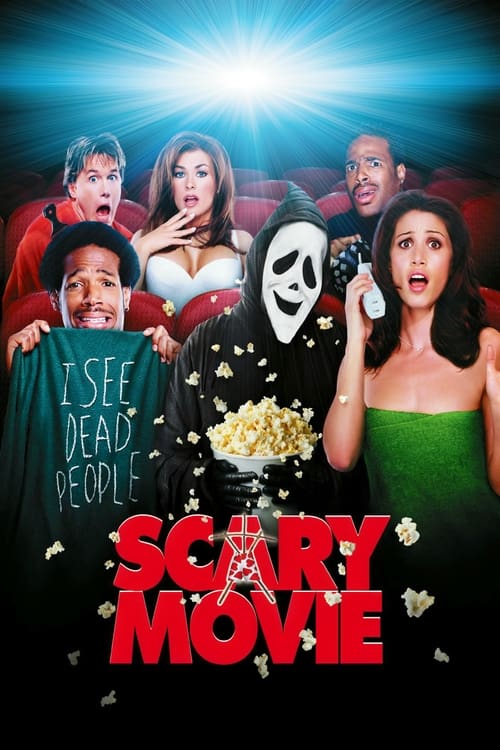
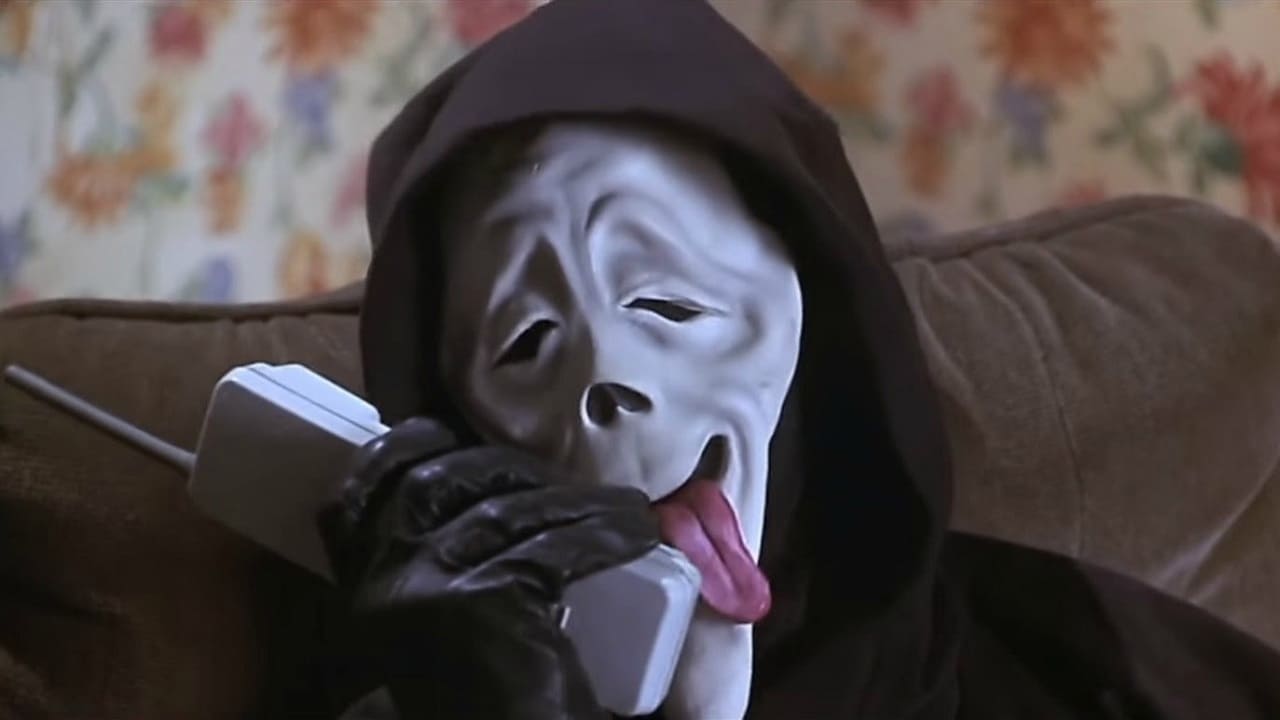
The "Wazzup!" Budweiser commercial was the defining cultural virus of the year 2000, a vocal tic that infected every middle-school hallway and frat house in America. When Marlon Wayans stuck his tongue out, crossed his eyes, and screamed that phrase through a distorted Ghostface mask, he wasn't just referencing a meme; he was signaling the end of an era. The 1990s had been defined by the "meta-horror" revival—slick, self-aware slashers like Scream and I Know What You Did Last Summer that thought they were being clever by acknowledging the "rules." Then the Wayans brothers showed up, kicked the door down, and decided that being clever was nowhere near as fun as being delightfully, aggressively stupid.
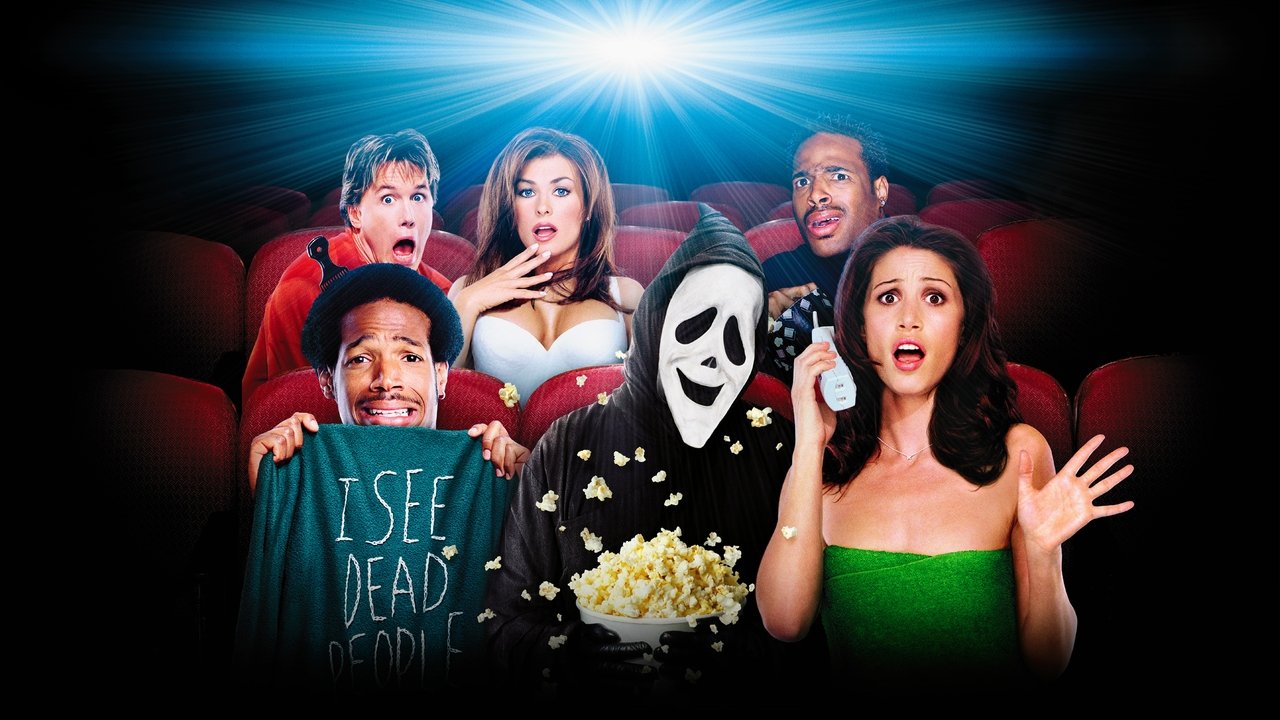
I recently rewatched this while trying to fix a jammed paper shredder, and I realized that the sheer velocity of the gags is what keeps this from feeling like a dusty time capsule. Most comedies from the Y2K transition era have aged like milk left in a hot car, but Scary Movie possesses a frantic, "throw everything at the wall" energy that still manages to land hits today. It captures a very specific moment in cinema history: the point where the indie-cool of the 90s met the gross-out commercialism of the early 2000s.
The Art of the Absolute Absurd
What I find most fascinating about Scary Movie looking back is how it functioned as a "greatest hits" reel for Miramax and Dimension Films. The studio was essentially paying the Wayans to make fun of the studio's own most profitable properties. It’s a level of corporate self-mockery we rarely see today without fifteen layers of PR filtering. Keenen Ivory Wayans directs with a focus on physical clarity—the slapstick here requires a certain geometry to work. When Lochlyn Munro (as the hyper-masculine Greg) gets into a manic, vein-popping frenzy, the camera stays wide enough to capture the full, ridiculous commitment of his body language.
The script, written by a small army including Shawn Wayans and Marlon Wayans, doesn't care about logic or narrative tension. It cares about the "hit-to-miss ratio." Looking back, the movie essentially functions as a live-action cartoon where the characters are made of rubber and the plot is made of wet cardboard. It’s a style of parody that died out shortly after this franchise was handed over to other directors, eventually devolving into those miserable "Date/Epic/Disaster" movies that forgot jokes actually need setups and payoffs. Here, the setups are the movies we all saw three times on VHS, and the payoffs are usually a subversion of our expectations of how a "final girl" should behave.
A Star-Making Masterclass in Sincerity
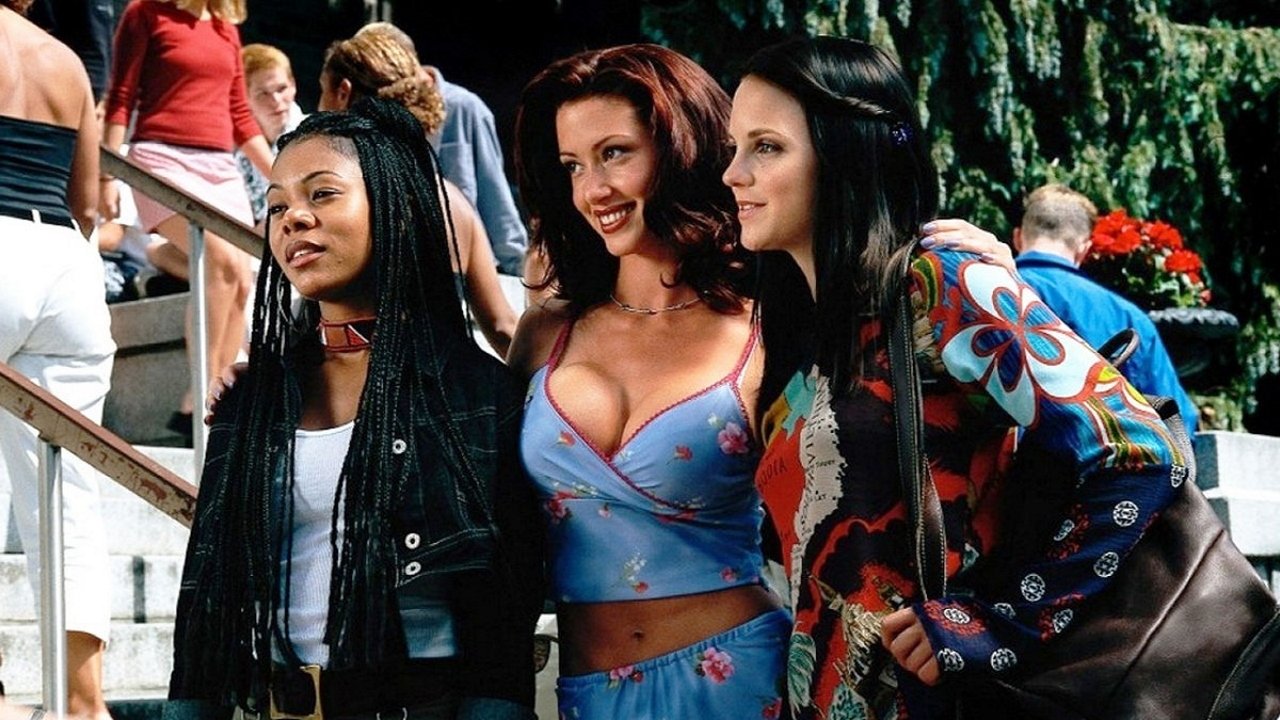
The secret weapon of this entire production—and the reason it doesn't just feel like a series of sketches—is Anna Faris. This was her film debut, and her performance as Cindy Campbell is a stroke of comedic genius. While everyone else is chewing the scenery, Faris plays the "earnest, slightly dim-witted protagonist" with such terrifying sincerity that she anchors the madness. She understands that for a parody to work, the lead has to believe they are in a high-stakes drama.
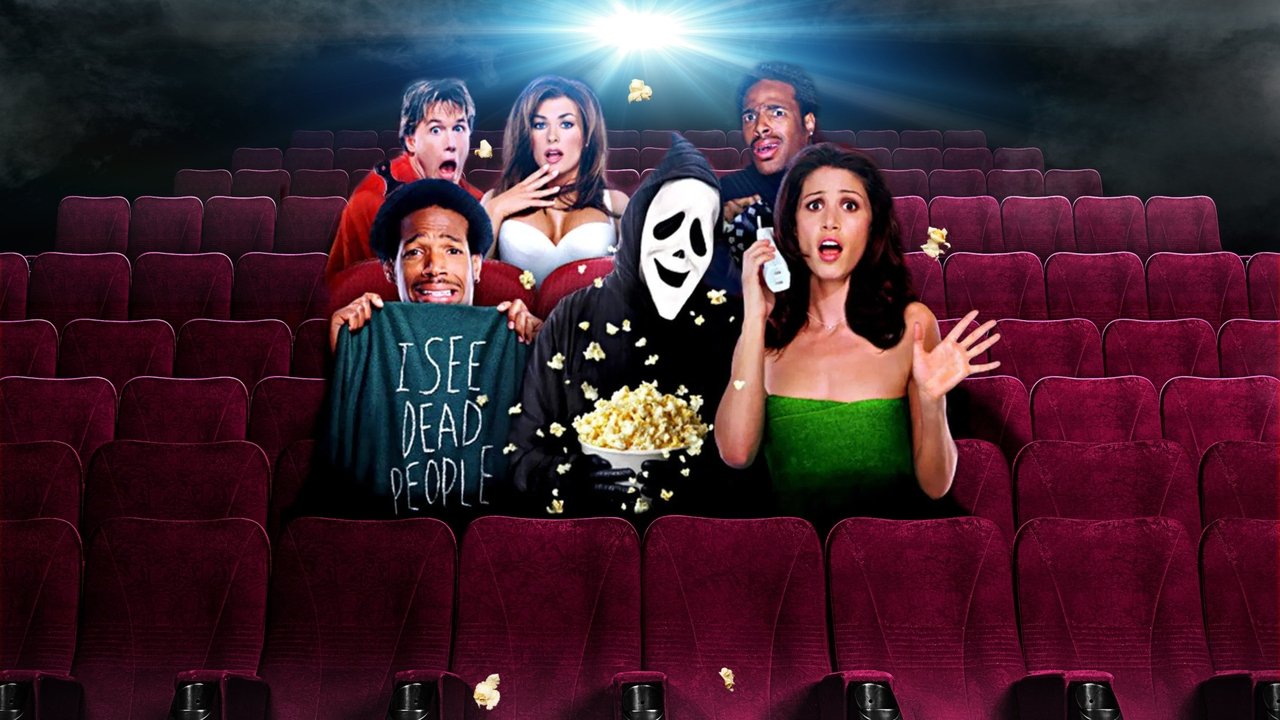
Then there’s Regina Hall as Brenda Meeks. I firmly believe Brenda is one of the greatest comedic creations of the 21st century. Her performance in the movie theater scene—screaming at the screen while eating a giant tub of popcorn—isn't just funny; it’s a cultural landmark. The chemistry between the ensemble is palpable; you can tell they were trying to make each other "corpse" (break character) in every take. Jon Abrahams and Shannon Elizabeth round out a cast that looks exactly like the "WB-hot" actors they are spoofing, which adds a layer of visual authenticity to the ridiculousness.
The $278 Million Punchline
From a business perspective, Scary Movie was a literal gold mine. With a modest budget of $19 million, it raked in over $278 million globally. To put that in perspective, it made more money than the movies it was actually parodying. It was a genuine phenomenon that dominated the watercooler talk of the year. Apparently, the film was originally titled Last Summer I Screamed Because Friday the 13th Fell on Halloween, but the decision to go with the simpler, punchier Scary Movie—which was actually the working title for Scream—was a brilliant bit of "inside-baseball" marketing.
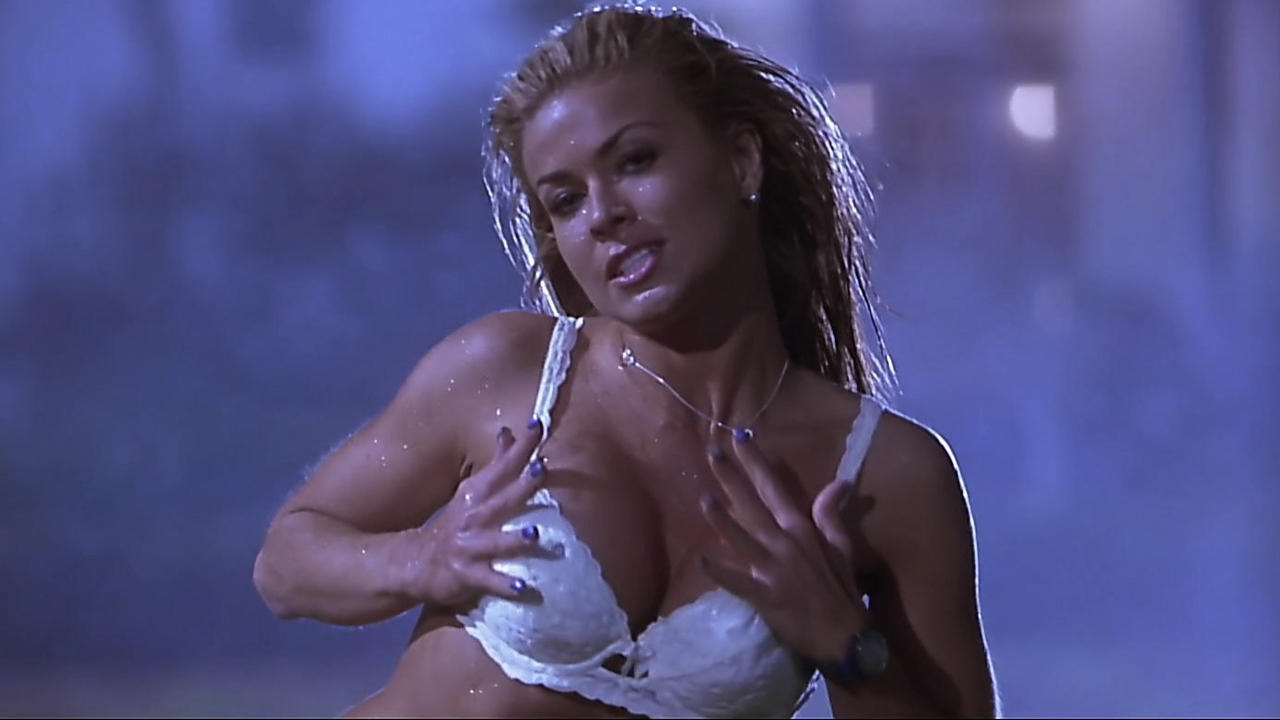
The DVD era was just beginning to explode when this hit home video, and I remember the "Unrated" stickers being a huge selling point. The special features revealed that the production was a bit of a family affair, with the Wayans brothers constantly riffing and expanding the script on the fly. Turns out, the film was so successful that the original tagline, "No mercy. No shame. No sequel," became the biggest lie in Hollywood history. It didn't just spawn a sequel; it birthed a decade-long trend of parody films that tried (and mostly failed) to capture this specific lightning in a bottle.
Scary Movie isn't high art, and it doesn't want to be. It’s a loud, proud, and frequently disgusting celebration of the tropes that defined a generation of horror fans. While some of the humor definitely feels like a product of the year 2000 (especially some of the more dated social attitudes), the core of the film remains a masterclass in how to deconstruct a genre. It’s the cinematic equivalent of a loud party where someone eventually breaks a lamp—it’s messy, it’s chaotic, but you’re glad you were there to see it happen. If you can handle the gross-out gags, it remains a fascinating look at the bridge between 90s irony and 2000s absurdity.
Keep Exploring...
-
Scary Movie 2
2001
-
Scary Movie 3
2003
-
White Chicks
2004
-
Little Man
2006
-
American Pie
1999
-
American Pie 2
2001
-
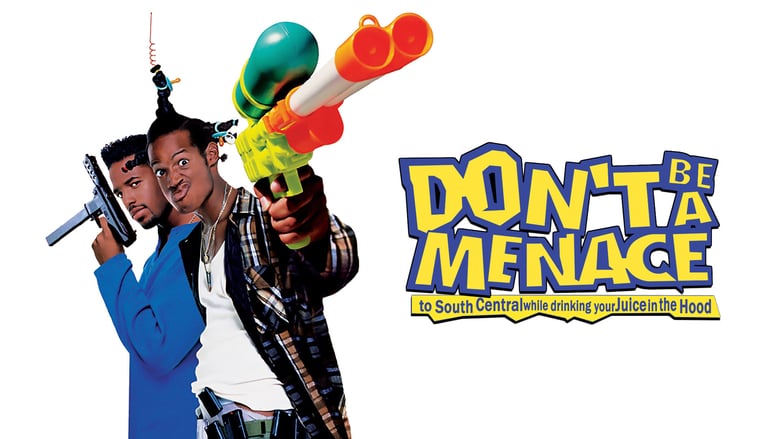
Don't Be a Menace to South Central While Drinking Your Juice in the Hood
1996
-
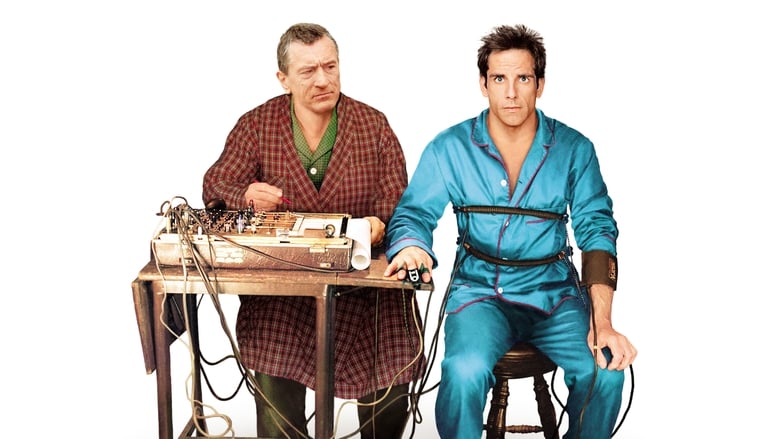
Meet the Parents
2000
-
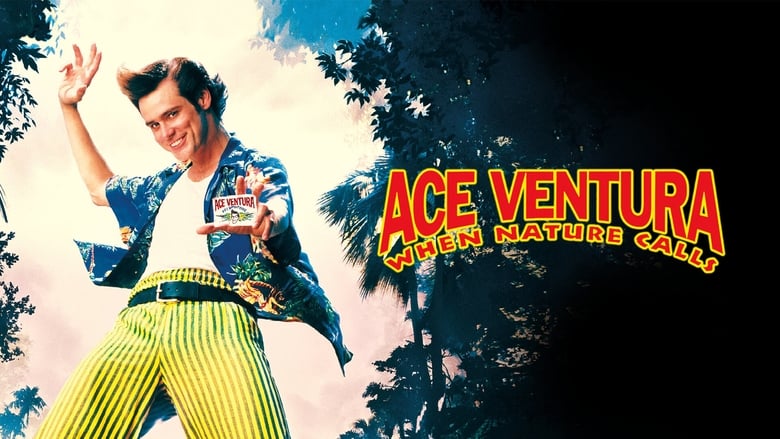
Ace Ventura: When Nature Calls
1995
-

Babe
1995
-
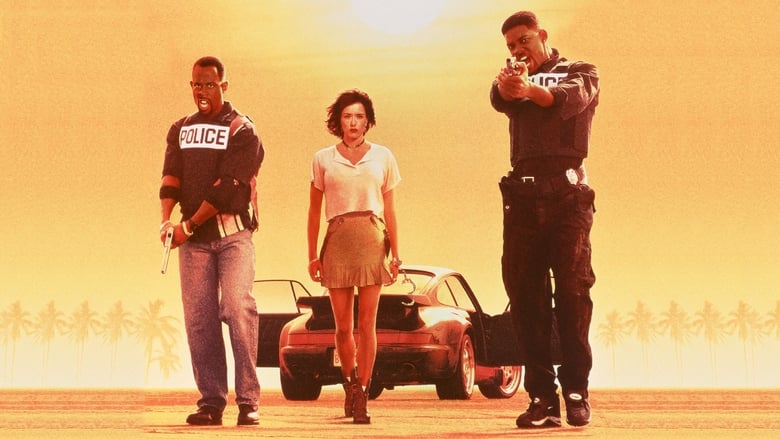
Bad Boys
1995
-
Get Shorty
1995
-

While You Were Sleeping
1995
-

The Birdcage
1996
-
Liar Liar
1997
-
MouseHunt
1997
-
My Best Friend's Wedding
1997
-
Rush Hour
1998
-
Shakespeare in Love
1998
-
The Waterboy
1998