Scream 3
"The rules of the trilogy say: No one is safe."
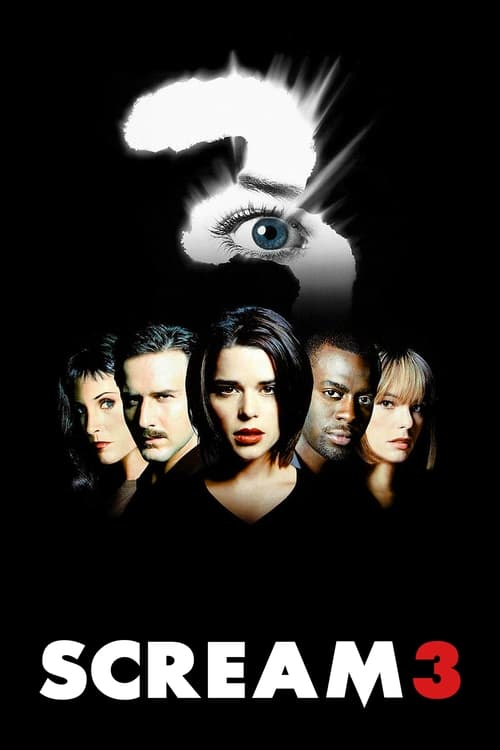
I remember exactly where I was when the "final" chapter of the Scream trilogy hit theaters. It was the year 2000, the Y2K bug had failed to reset our clocks to the Stone Age, and we were all obsessed with the idea of "the end." Scream 3 was marketed as the definitive conclusion to the Sidney Prescott saga, and I watched it while wearing those fuzzy socks with the rubber grips on the bottom because my apartment floor was freezing. Honestly, the lack of traction during the jump scares made the whole experience feel significantly more dangerous.
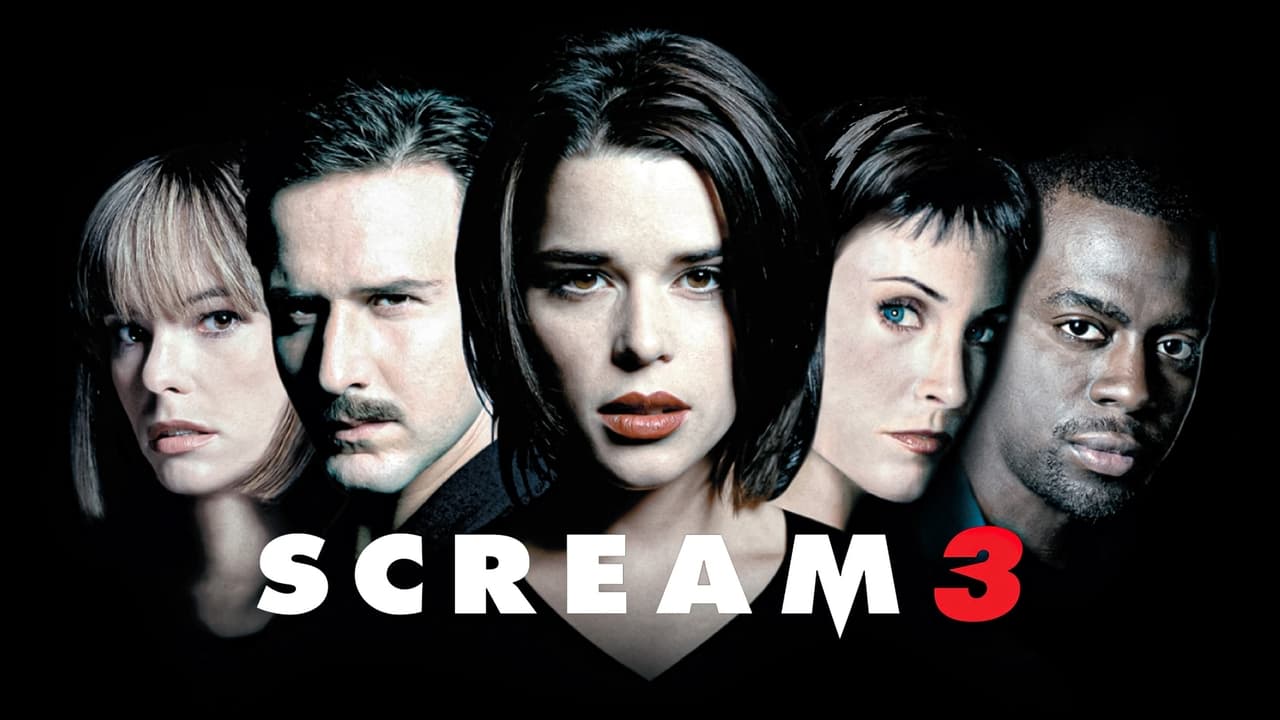
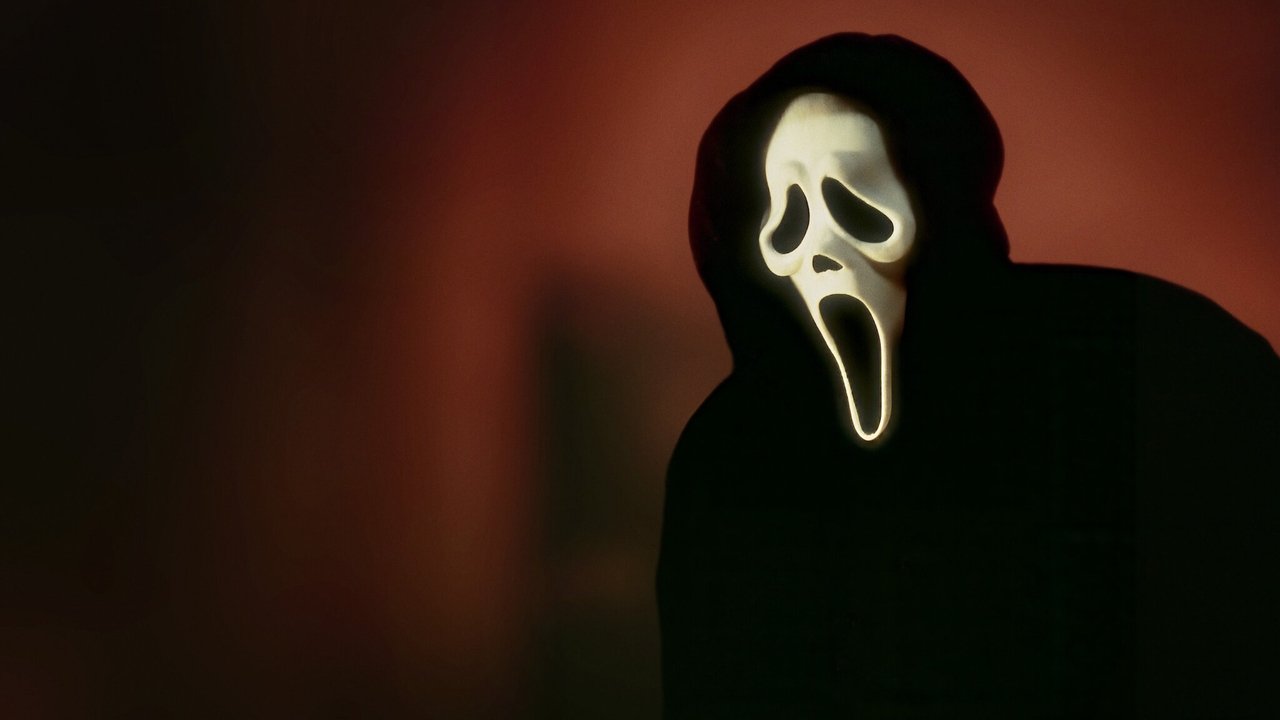
Looking back, Scream 3 is a fascinating time capsule of a Hollywood in transition. It arrived right as the slasher boom of the late '90s was beginning to wheeze, and the industry was reeling from the real-world tragedy of Columbine. This context is crucial because it fundamentally altered the DNA of the film. The studio demanded a pivot away from high school violence and toward a more "Scooby-Doo" mystery vibe. The result is a movie that feels less like a cold-blooded horror and more like a glorified, high-budget soap opera with a kitchen knife.
Meta-Mayhem on the Sunset Strip
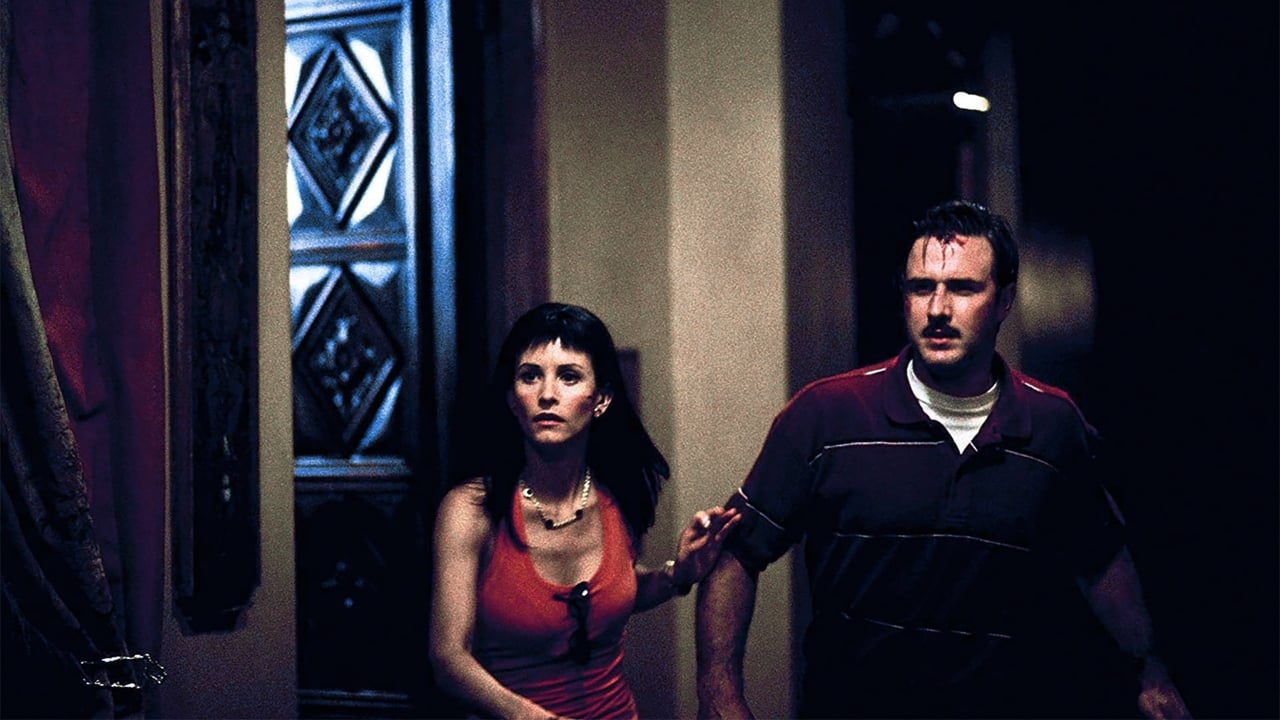
The plot takes us out of Woodsboro and onto the set of Stab 3, the movie-within-a-movie based on the original killings. It’s a genius setup that allows Wes Craven (the man who redefined the genre with A Nightmare on Elm Street) to bite the hand that feeds him. We get to see the "actors" playing Dewey and Gale, which leads to some of the funniest meta-commentary in the series. Parker Posey as Jennifer Jolie (the "fictional" Gale Weathers) is an absolute riot; she arguably steals every scene she’s in, vibrating with a frantic, caffeinated energy that makes Courteney Cox look grounded by comparison.
Speaking of Courteney Cox, we have to address the elephant in the room: those bangs. Looking back, her micro-fringe is the scariest thing in the movie. Cox has gone on record saying she regrets that hair choice more than almost anything in her career, and seeing it now on a crisp DVD transfer really highlights the "experimental" fashion of the early 2000s.
The production itself was a bit of a whirlwind. Original writer Kevin Williamson was too busy with Dawson’s Creek and Killing Mrs. Tingle, so the screenplay duties fell to Ehren Kruger. You can feel the shift in voice. Kruger leans heavily into the "trilogy rules" established by the film's resident film geek, Randy Meeks, who appears via a posthumous videotape. It’s a bit of a narrative stretch, but in the era of burgeoning DVD culture, the idea of a "bonus feature" from beyond the grave felt perfectly on-brand.
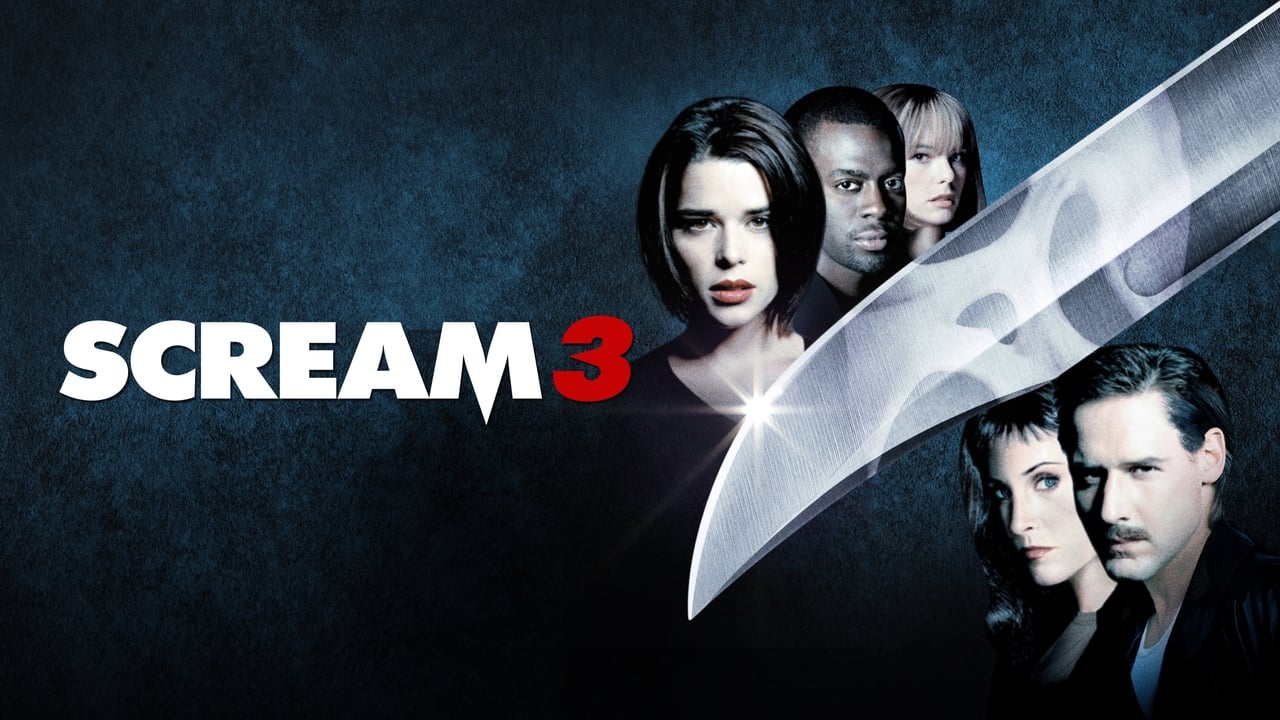
The Hollywood Casting Couch
While the movie is lighter on gore, it’s surprisingly heavy on industry critique. Lance Henriksen (the legendary grizzled face from Aliens) plays John Milton, a sleazy producer who represents the dark underbelly of the studio system. In a post-Me-Too world, the subplot involving Sidney’s mother and the "casting couch" at Milton’s estate feels incredibly pointed—and frankly, a bit uncomfortable—considering the film was produced by Miramax.
The mystery itself is a bit of a tangled web. We’re introduced to Patrick Dempsey as Detective Mark Kincaid, years before he became "McDreamy" on Grey’s Anatomy. He plays the role with a brooding intensity that keeps you guessing, but the film eventually settles on a "lost brother" twist that feels like it was ripped straight from a midday drama. Apparently, the script was being rewritten so frequently during filming that the actors often didn't know who the killer was until the very last minute. Wes Craven actually shot multiple endings to keep the secret from leaking onto the early-internet fan forums, which were just starting to become a headache for studios.
Tech Anxieties and Voice Changers
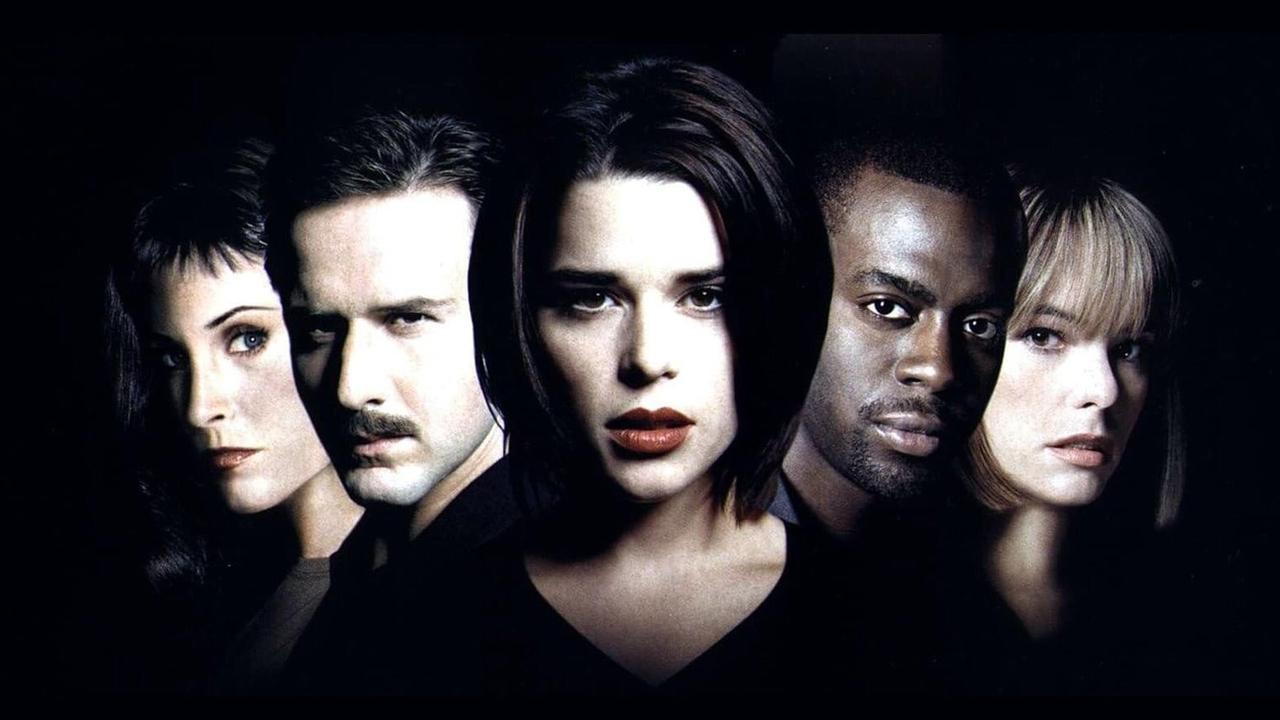
One of the biggest "era reveals" in Scream 3 is the voice changer. In the first two films, it was a simple device that masked a voice. Here, it’s a magical piece of tech that can perfectly mimic anyone. In 2000, this felt like high-tech wizardry; today, it looks like a precursor to deepfake technology. It’s a bit of a "cheat" for a whodunnit, but it allows for some fun moments where the characters (and the audience) can’t trust their own ears.
The film also features a legendary cameo by Carrie Fisher, who plays a studio archivist who "looks like Carrie Fisher" but didn't get the role of Princess Leia because she didn't sleep with George Lucas. Fisher actually wrote her own dialogue for the scene, and it’s a perfect example of the self-aware humor that kept the franchise alive when the scares started to fade. Scott Foley also turns in a solid performance as the director of Stab 3, capturing that specific brand of "stressed-out indie director" that was so prevalent in the Sundance-obsessed late '90s.
Scream 3 isn't the tightest or the most terrifying entry in the series, but it’s undeniably fun. It’s a movie that prioritizes atmosphere and meta-jokes over raw tension, making it the "comfort food" of the franchise. It’s the kind of film you put on when you want to revisit the aesthetic of the new millennium without having to think too hard about the plot holes.
While it lacks the sharp edge of the original, it succeeds as a celebratory lap for the characters we grew to love. Neve Campbell remains the gold standard for "Final Girls," bringing a weary, earned resilience to Sidney Prescott that anchors even the silliest moments. It might not be the "most terrifying scream," but it’s a loud, campy, and entertaining one that deserves a spot in your retrospective marathon. Just, please, try to ignore Gale's haircut.
Keep Exploring...
-
Scream 4
2011
-

Scream 2
1997
-
Scream
1996
-
Scream
2022
-
Scream VI
2023
-
I Know What You Did Last Summer
1997
-
The Ring
2002
-
Gothika
2003
-
The Grudge
2004
-
Hide and Seek
2005
-
The Skeleton Key
2005
-
New Nightmare
1994
-
Final Destination 3
2006
-

The Omen
2006
-
1408
2007
-
The Final Destination
2009
-

A Nightmare on Elm Street
2010
-
Final Destination 5
2011
-
Paranormal Activity 3
2011
-
The Ring Two
2005