Shaft
"New century. New rules. Same swagger."
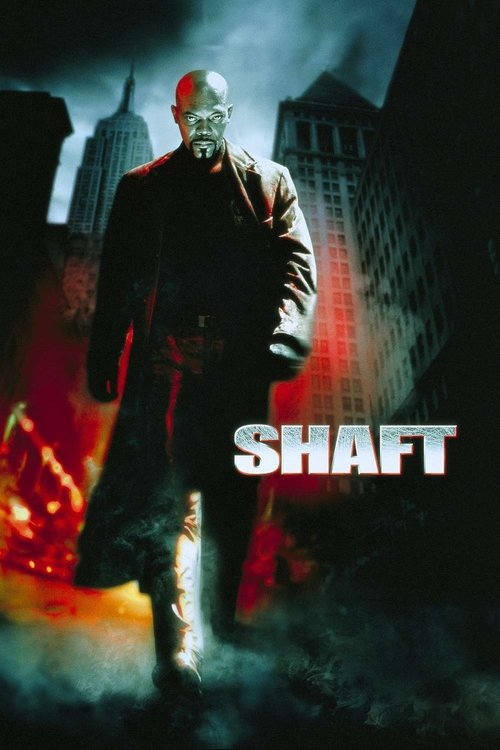
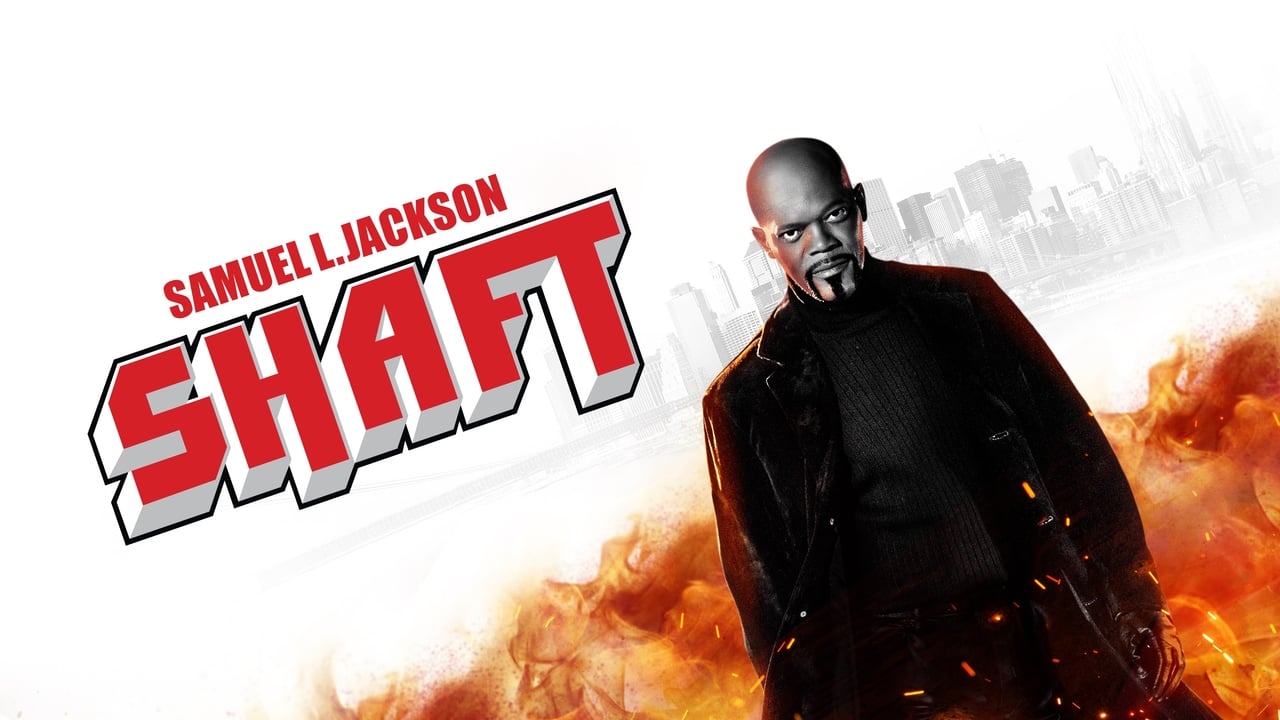
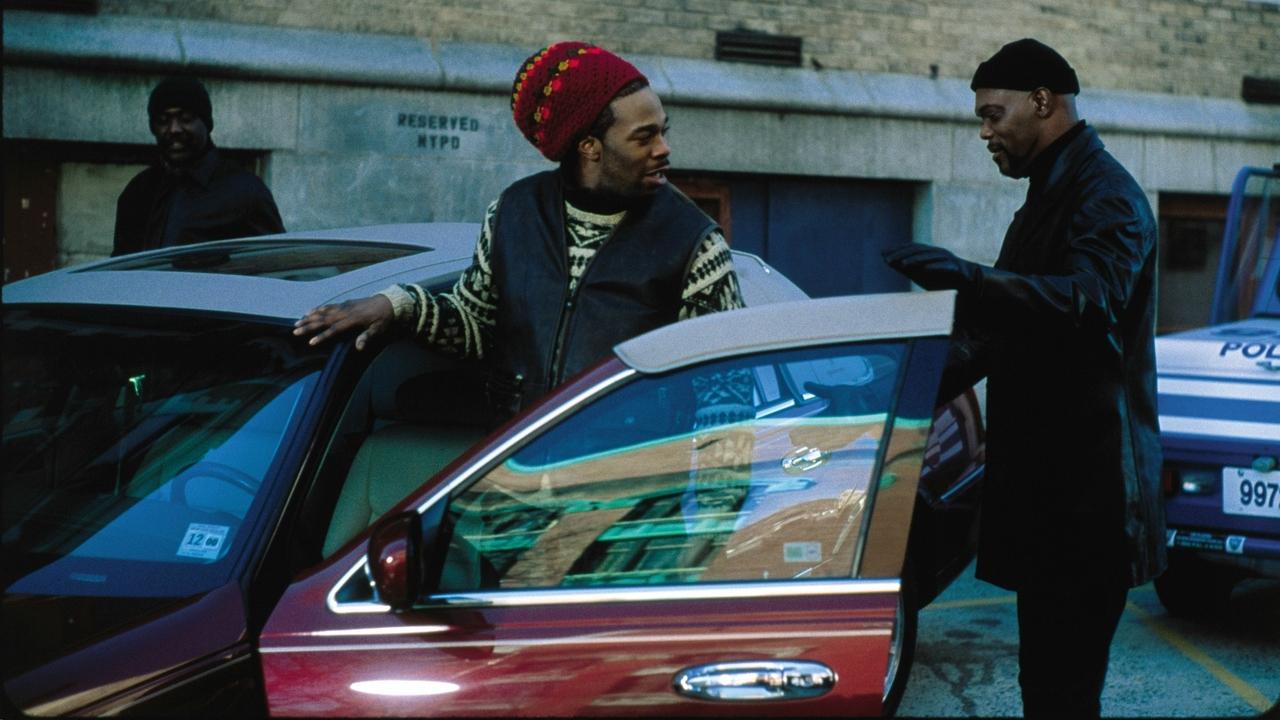
There is a specific way Samuel L. Jackson walks in this movie—a stride that suggests the pavement should be honored he’s stepping on it. It’s not just a gait; it’s a mission statement. Clad in a rotating wardrobe of Giorgio Armani leather coats that probably cost more than my first car, Jackson doesn't just play John Shaft; he occupies the concept of "cool" with the intensity of a squatter who has no intention of being evicted. I watched this last Tuesday while struggling to assemble a flat-pack IKEA nightstand, and let me tell you, Shaft’s efficiency made my own physical incompetence feel significantly more shameful.
The Swagger of a New Century
Released in the summer of 2000, Shaft arrived at a fascinating crossroads for action cinema. We were moving away from the oily, muscle-bound heroics of the '80s and '90s and toward a slicker, more "boutique" style of violence. John Singleton (who had already cemented his legend with Boyz n the Hood and Poetic Justice) wasn't interested in a mere parody of the 1971 original. He wanted to bridge the gap. By casting the original Shaft, Richard Roundtree, as the uncle of Jackson’s character, the film establishes a lineage of bad-assery that feels earned rather than forced.
The plot is a straightforward "cop on the edge" setup: Shaft arrests a wealthy, racist brat named Walter Wade Jr. (Christian Bale) for a brutal murder outside a diner. Wade jumps bail to Switzerland, returns two years later, and Shaft realizes the only way to get justice is to quit the force and go rogue to find the missing witness, played by Toni Collette (The Sixth Sense, Hereditary). It’s a standard "detective vs. the system" narrative, but Singleton dresses it up in the neon and grit of a pre-9/11 New York City that feels massive, dangerous, and lived-in.
A Masterclass in Villainy
While Jackson is the engine, the villains are the high-octane fuel. Christian Bale was fresh off American Psycho, and he brings a similar brand of entitled, upper-crust sociopathy to Walter Wade Jr. Bale is essentially playing Patrick Bateman if he never found a gym and relied entirely on his daddy’s checkbook to hide the bodies. He is oily, punchable, and perfectly represents the "untouchable" villain that audiences love to see dismantled.
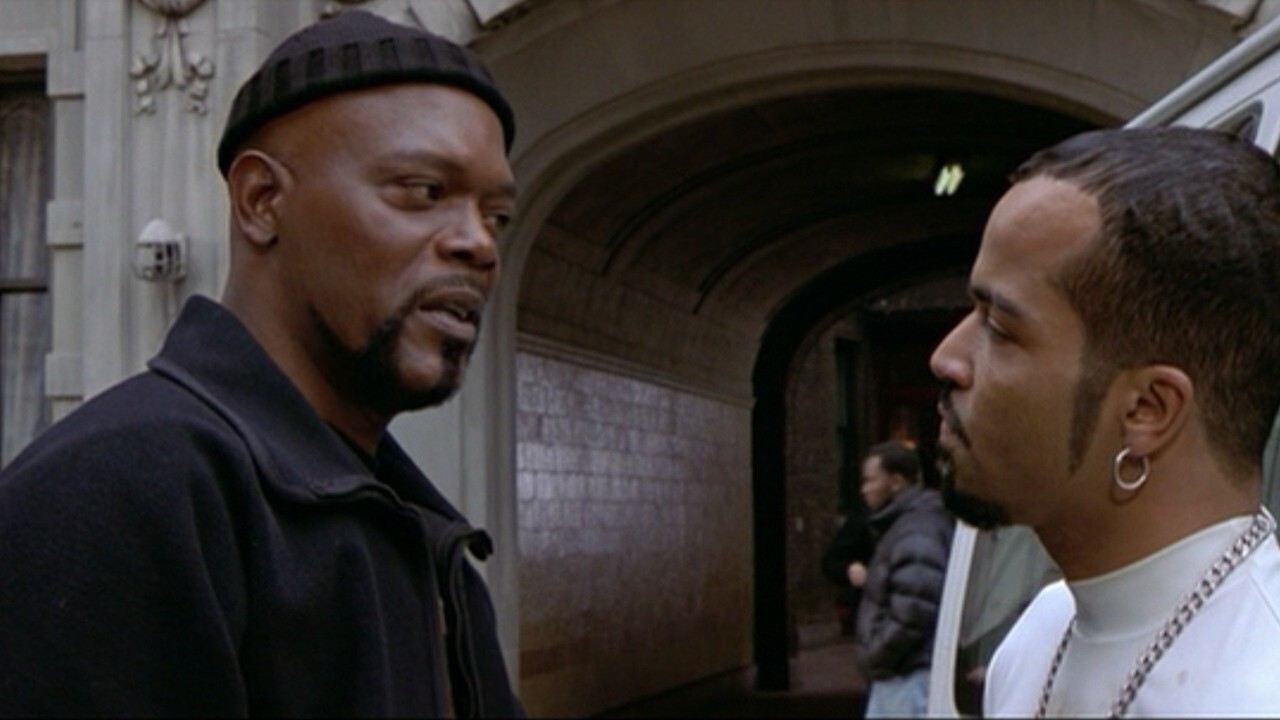
However, the movie is nearly stolen from everyone by Jeffrey Wright (Westworld, The Batman) as Peoples Hernandez. Speaking in a thick Dominican accent and radiating a chaotic, unpredictable energy, Wright is magnetic. He turns a drug kingpin into a tragic-comic figure who cares as much about his neighborhood reputation as he does his bottom line. Apparently, Jeffrey Wright based the character on people he actually knew in the Lower East Side, and it shows. There’s a scene where he’s trying to negotiate with Wade while eating, and the sheer dismissal in his eyes is a piece of acting gold. He makes the "bad guy" feel like a human being with a very dangerous set of hobbies.
The Singleton Friction
Looking back, the film’s production was famously turbulent. John Singleton and the legendary (and notoriously difficult) producer Scott Rudin allegedly fought like cats and dogs. Singleton wanted a film that leaned harder into the social commentary of the original Blaxploitation era, while the studio wanted a "tentpole" action flick. You can feel that tug-of-war in the final product. The first half feels like a gritty character study, while the second half leans into the "shoot 'em up" tropes of the era, complete with a car chase that, while well-staged, feels a bit like it wandered in from a different movie.
The action choreography by the second unit is solid—this was the era of practical squibs and real car flips before everything became a digital blur. When a gun goes off in this movie, it sounds like a cannon, and the impact feels heavy. The cinematography by Donald E. Thorin (Thief, Scent of a Woman) gives the night scenes a rich, amber-and-blue glow that makes the city look both beautiful and predatory. And we can't talk about Shaft without the music. Isaac Hayes returned to rearrange his iconic theme, and that "waka-waka" guitar riff still hits the pleasure centers of the brain with surgical precision.
Ultimately, Shaft (2000) is a film that succeeds because of its casting and its vibe. It’s not quite a masterpiece of the genre—the middle section drags as it tries to juggle too many subplots involving corrupt cops like Dan Hedaya's Jack Roselli—but it’s an incredibly fun ride. It captures a moment in time when a director like Singleton could take a massive studio budget and inject it with a distinct, Black perspective while still delivering the explosions the suits demanded. It’s a film that knows exactly what it is: a vehicle for the coolest man in Hollywood to wear a leather coat and remind everyone why you don't mess with the name on the title card.

Keep Exploring...
-
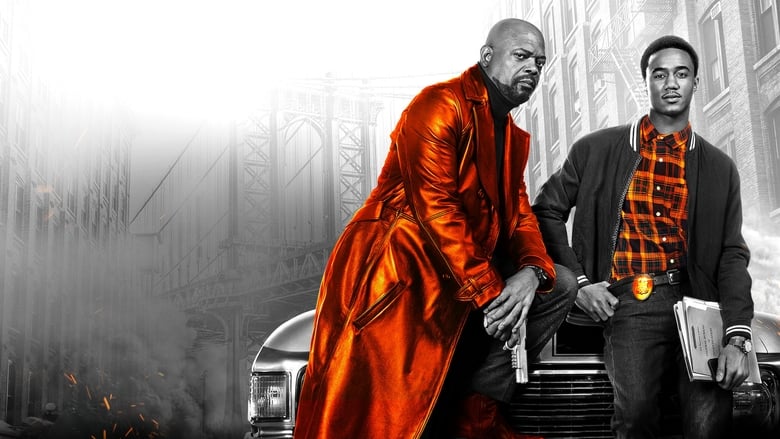
Shaft
2019
-
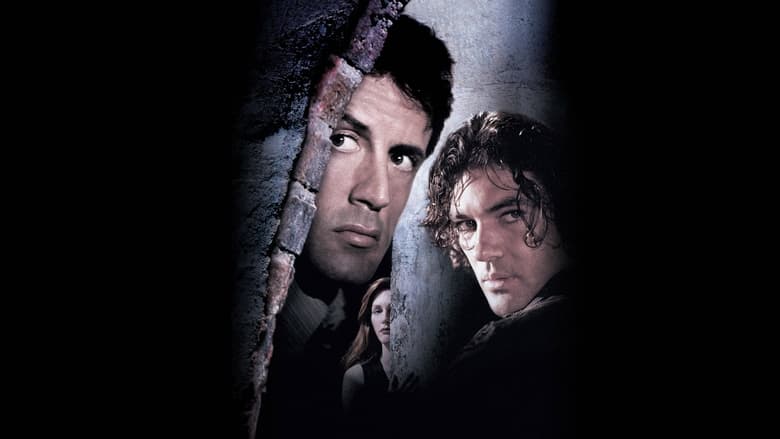
Assassins
1995
-
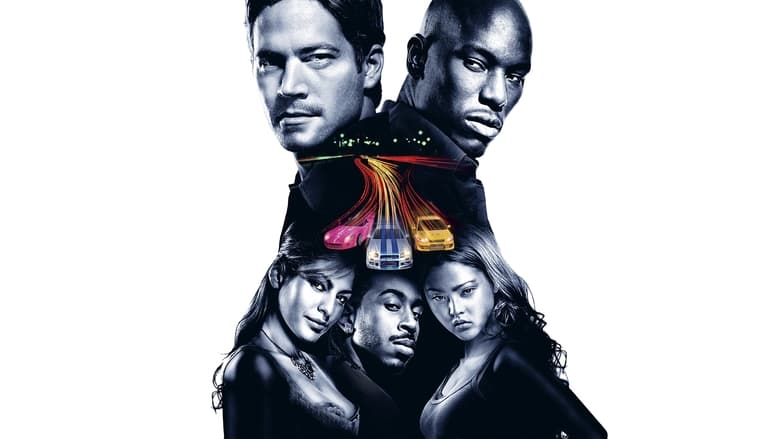
2 Fast 2 Furious
2003
-
Assault on Precinct 13
2005
-
Into the Blue
2005
-
The Losers
2010
-
Daylight
1996
-
The Jackal
1997
-
Lethal Weapon 4
1998
-
xXx
2002
-

Hackers
1995
-
Breakdown
1997
-

Romeo Must Die
2000
-
Kiss of the Dragon
2001
-
Walking Tall
2004
-
Four Brothers
2005
-
RoboCop 2
1990
-
S.W.A.T.
2003
-
Rumble in the Bronx
1995
-
Escape from L.A.
1996