Shanghai Noon
"High kicks, low stakes, and a very confused horse."
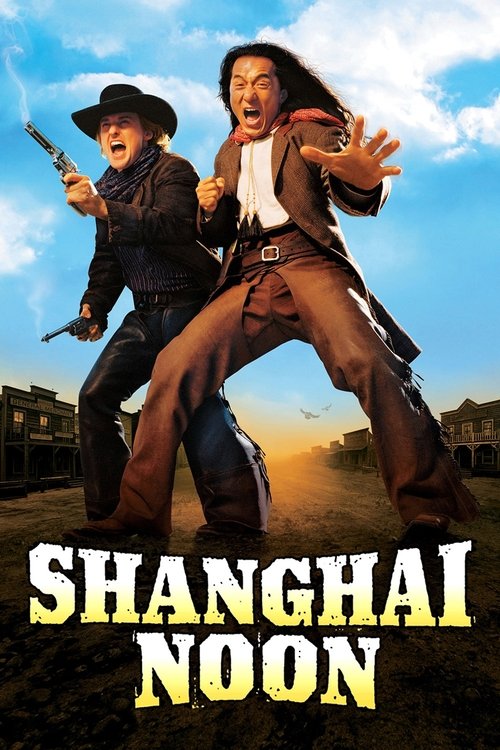
I first watched Shanghai Noon in the summer of 2000 while nursing a mild sunburn and eating a bowl of cereal that had gone dangerously soggy. There is something about the "afternoon cable movie" energy of this film that makes it perfect for a lazy day, yet looking back, it’s actually a much tighter, more inventive action-comedy than the "East-meets-West" marketing ever suggested. At the turn of the millennium, Hollywood was obsessed with pairing Jackie Chan with talkative Caucasian actors, but while Rush Hour got the sequels, Shanghai Noon got the soul.
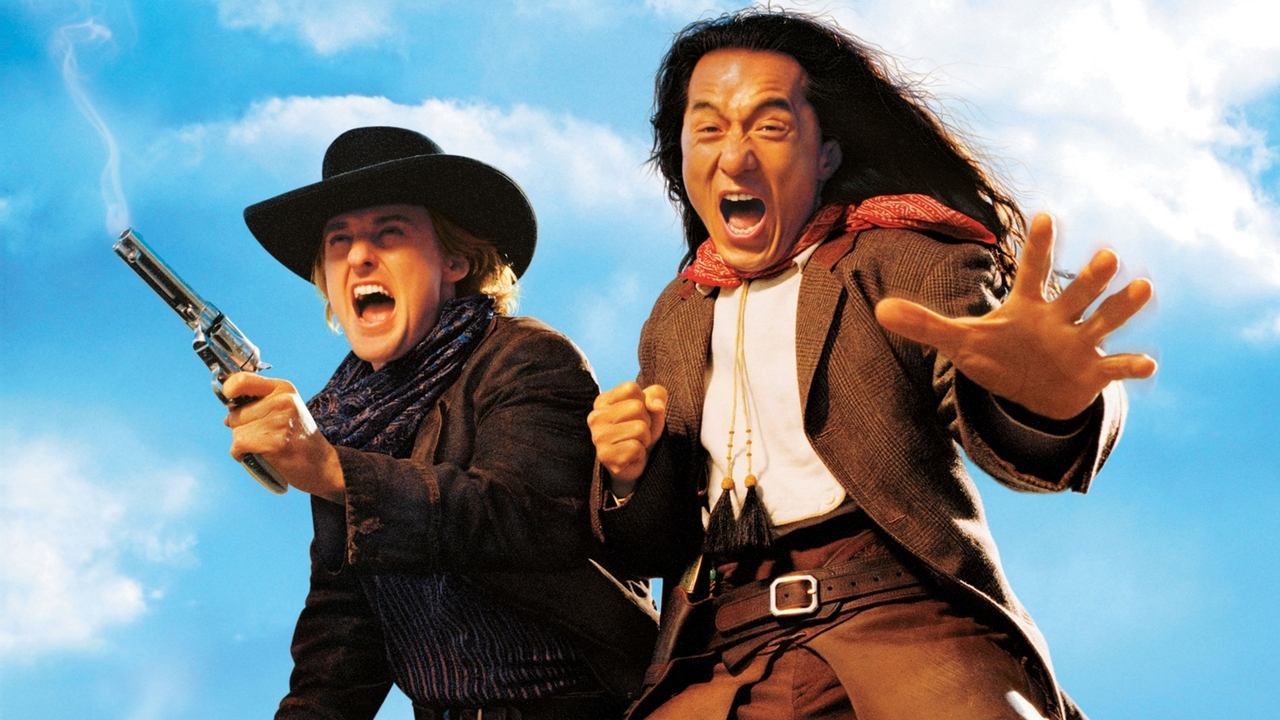
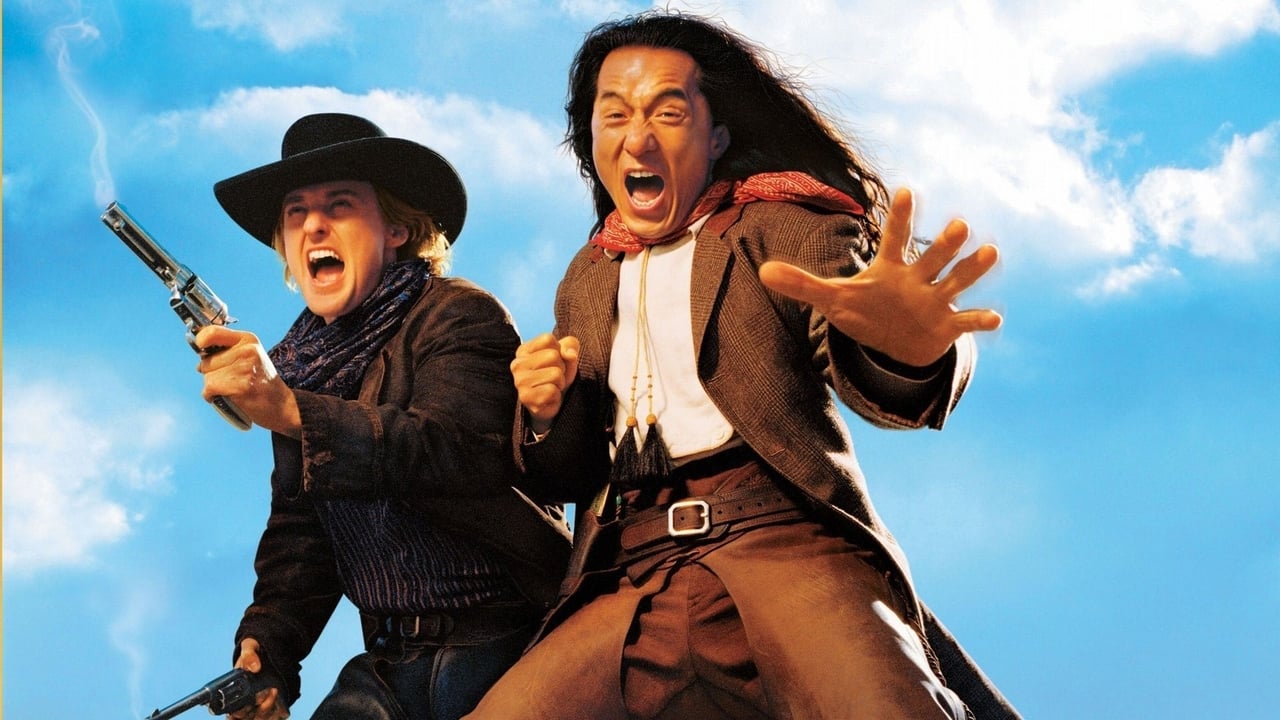
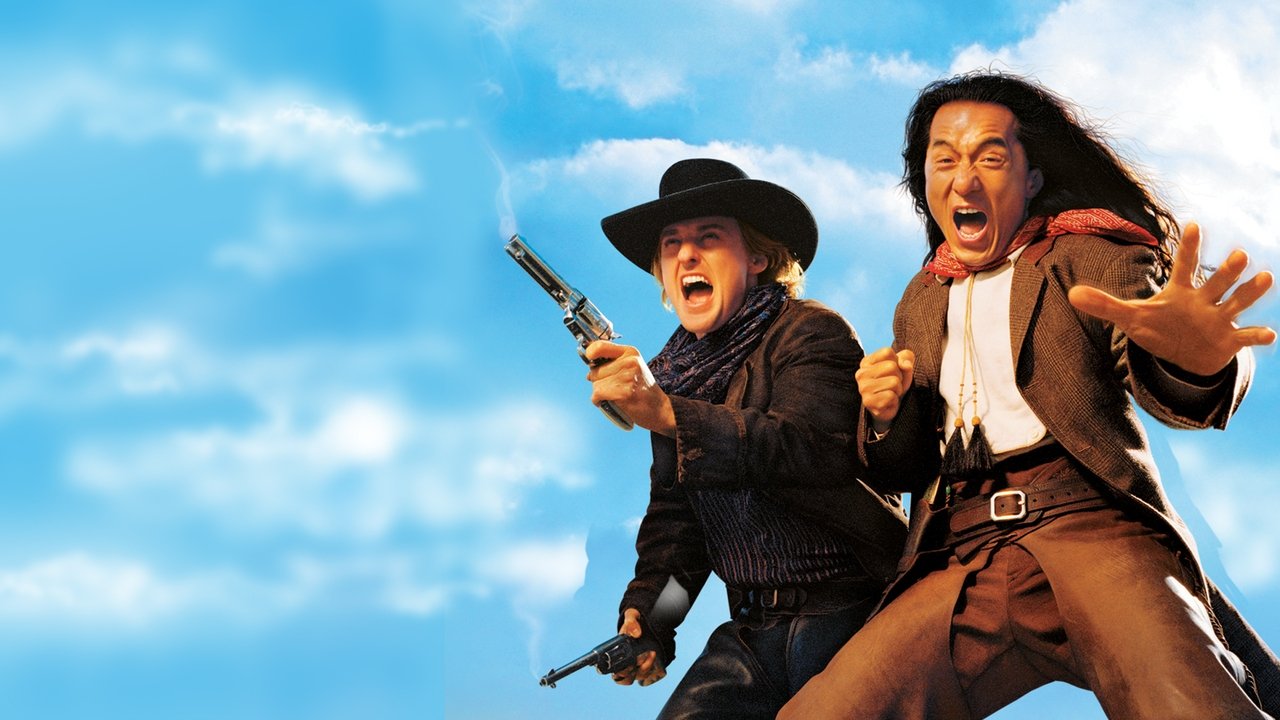
The premise is pure high-concept fluff: Princess Pei Pei (Lucy Liu) is kidnapped from the Forbidden City and taken to Nevada. Chon Wang (Jackie Chan), an Imperial Guard who’s a bit of a klutz, heads to the U.S. to find her. Along the way, he runs into Roy O’Bannon (Owen Wilson), a train robber with the ego of a rock star and the survival skills of a wet paper bag. It’s a classic fish-out-of-water story, but the water is the American West, and the fish is a guy who can kill you with a horseshoe.
The Art of the "Wow"
What separates this from the dozen other buddy-cop clones of the era is the sheer, unadulterated chemistry between the leads. Most of these movies rely on a "straight man" and a "funny man," but here, both characters are slightly ridiculous. Owen Wilson was right at the peak of his "laid-back surfer philosopher" phase, and his Roy O’Bannon is a masterclass in comedic deflection. I’m convinced Owen Wilson wasn’t even reading a script half the time; he was just wandering around the set in a duster, whispering "wow" at the scenery.
Jackie Chan, meanwhile, was in a fascinating transitional period. He was moving away from the bone-shattering stunts of his Hong Kong heyday and into a style that leaned more heavily on slapstick and environmental interaction. Watching Chon Wang navigate the frontier is a joy because Jackie treats the Old West like a giant jungle gym. He isn't just fighting; he’s using a swinging saloon door as a projectile or turning a traditional Chinese queue (his ponytail) into a weapon. It’s the kind of choreography that feels light and effortless, even though you know Jackie probably bruised a rib or two just to get the timing of a horseshoe-kick right.
Stunts, Saloons, and Sincere Absurdity
Directing his first feature, Tom Dey manages to capture the scale of a Western without letting the genre's self-seriousness drag down the fun. The action sequences are shot with a clarity that I genuinely miss in today's era of shaky-cam and digital blur. When Roger Yuan and Jackie face off in the climax, you can actually see the movement. There’s a physical weight to the fights that makes them feel real, even when they’re objectively cartoonish.
I’ve always felt that Roy O’Bannon is Owen Wilson’s best performance because he’s basically playing a 21st-century slacker who accidentally ended up in 1881. He doesn't want to be a gunslinger; he wants to be a legend, and the gap between his ambition and his actual talent is where the movie finds its best laughs. Whether he's trying to teach Chon Wang how to "be a cowboy" or failing miserably at a shootout, Roy is the perfect foil for Chon’s earnest, disciplined warrior.
The film also benefits from a surprisingly solid supporting cast. Xander Berkeley plays the corrupt Marshal Nathan Van Cleef with just the right amount of mustache-twirling villainy, and Lucy Liu, though somewhat sidelined by the "damsel" trope, brings a fierce intelligence to Pei Pei that keeps the stakes feeling somewhat grounded.
Behind the Saloon Doors
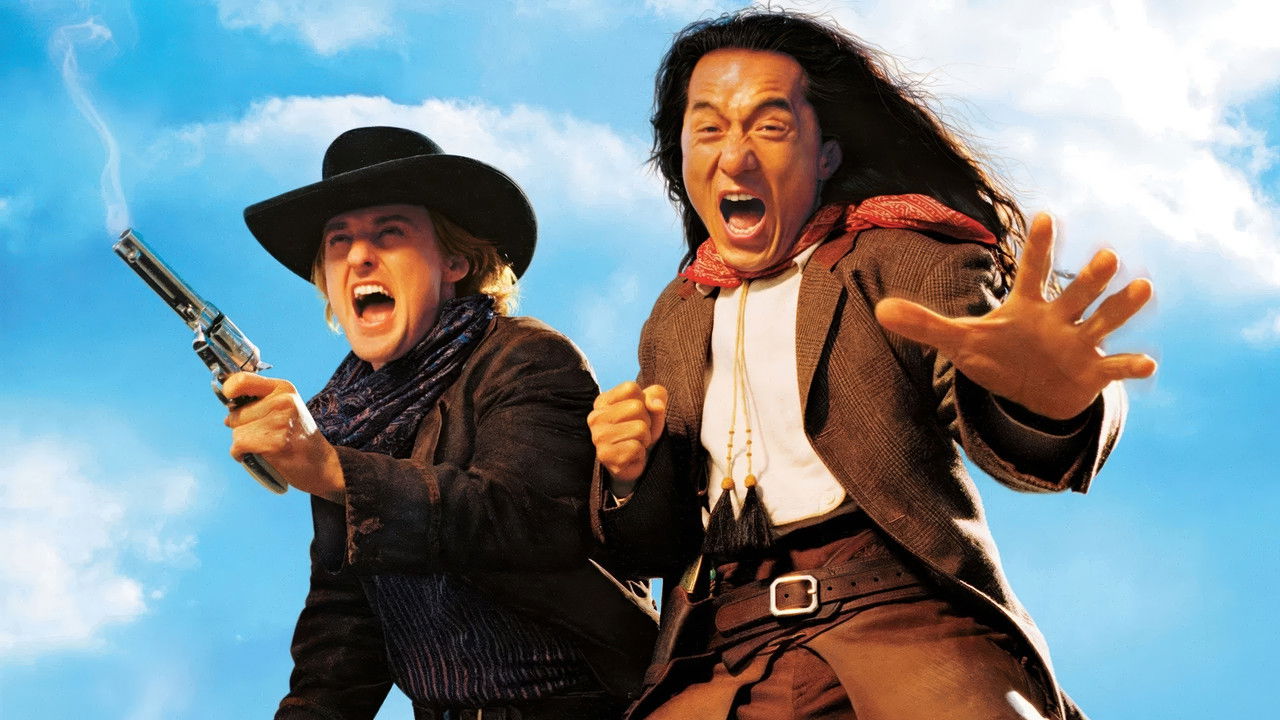
Despite being a modest box office success, Shanghai Noon has grown into a true cult favorite for the "DVD generation." It was one of those movies that everyone seemed to own on a disc they’d watched so many times it was starting to skip.
Here are a few bits of trivia that I always find fascinating:
The screenplay was written by Alfred Gough and Miles Millar, the duo who would go on to create Smallville and the recent Wednesday series. You can see their knack for blending genres and "fish-out-of-water" tropes starting to take shape here. The title is, of course, a pun on the 1952 classic High Noon, which established many of the Western tropes this movie gleefully deconstructs. Jackie Chan famously had a bit of a phobia of the horses on set. Despite his legendary bravery in jumping off buildings, the unpredictable nature of his equine co-stars reportedly made him quite nervous. The "drinking game" scene in the bathtub—where Chon and Roy bond over shots—was mostly improvised. The genuine laughter you see on screen isn't just acting; it’s two guys realizing they actually like each other. * In the final showdown, Jackie uses a rope and a horseshoe as a makeshift meteor hammer. This wasn't just a random idea; it was a way to integrate traditional Chinese weaponry into a Western setting using "found" materials.
In retrospect, Shanghai Noon is a breezy, big-hearted reminder of a time when "fun" was the primary goal of the summer blockbuster. It doesn't try to build a cinematic universe, and it doesn't try to reinvent the wheel; it just wants to show you a guy doing kung-fu on a horse while Owen Wilson makes self-deprecating jokes. It’s a film that knows exactly what it is—a "West-meets-East" romp that favors charm over cynicism. If you haven't revisited it since the days of chunky CRT televisions, I highly recommend giving it another look. It’s aged surprisingly well, mostly because good chemistry and great stunts never really go out of style.
Keep Exploring...
-
Shanghai Knights
2003
-
Showtime
2002
-
Around the World in 80 Days
2004
-
Charlie's Angels
2000
-
Lethal Weapon 4
1998
-

Sinbad: Legend of the Seven Seas
2003
-
The Rundown
2003
-
Maverick
1994
-
Night at the Museum: Battle of the Smithsonian
2009
-
The Tuxedo
2002
-
The Brothers Grimm
2005
-
Who Am I?
1998
-
Last Action Hero
1993
-
Rango
2011
-
Brave
2012
-

Taxi
1998
-

Rush Hour 3
2007
-
Men in Black
1997
-

Mystery Men
1999
-
Osmosis Jones
2001