Snatch
"Diamonds, dogs, and a dialect from another planet."

I remember the first time I heard Brad Pitt speak in Snatch. I was sitting in my cramped college dorm, nursing a lukewarm cup of tea and a pork pie that had spent three minutes too long in a malfunctioning microwave. I genuinely thought my speakers were failing. I spent the next ten minutes fiddling with the RCA cables on the back of my bulky CRT television before realizing the incomprehensible gibberish coming out of Mickey O’Neil’s mouth was the entire point.
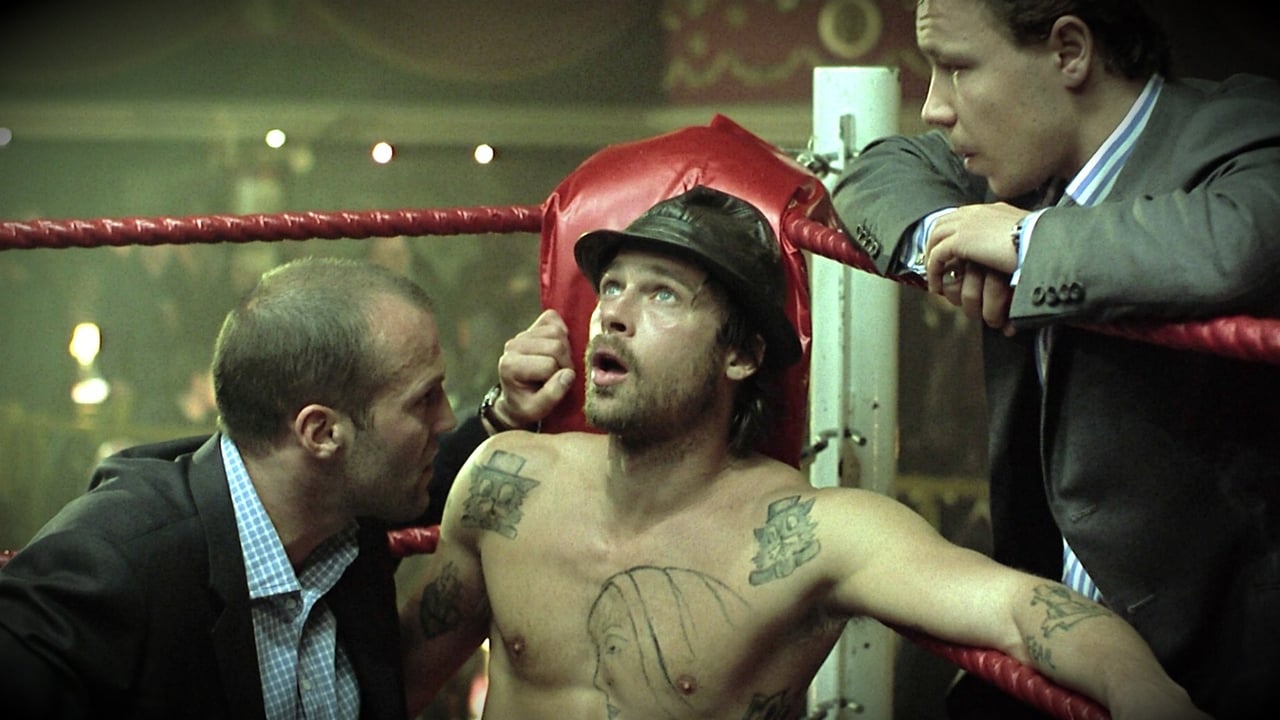
Coming off the heels of Lock, Stock and Two Smoking Barrels, Guy Ritchie had something to prove. He had transitioned from a scrappy indie darling to a director with a massive budget and a Hollywood A-lister in his corner. Looking back, Snatch is the quintessential "Year 2000" movie. It sits right on the fault line between the gritty, low-budget indie grit of the 90s and the high-gloss, hyper-edited digital era that was about to take over.
The Art of the Unintelligible
The plot is a chaotic, zig-zagging mess of threads that eventually tie themselves into a neat, bloody bow. You’ve got Jason Statham (back when he was still a human being and not a sentient piece of granite) playing Turkish, a small-time boxing promoter who gets tangled up with a terrifying gangster named Brick Top. Alan Ford plays Brick Top with such bone-chilling, casual malice that he makes every other movie villain from the era look like a cartoon. Then there’s a stolen diamond the size of a fist, a group of incompetent pawn shop owners, and Dennis Farina as "Cousin Avi," a man who just wants to get back to New York without being bothered by "London, London, London."
Brad Pitt is the secret sauce here. Apparently, after seeing Lock, Stock, Pitt approached Ritchie for a role. When it turned out he couldn’t quite nail a London accent, Ritchie leaned into the criticism he’d received for his first film—that the characters were too hard to understand—and told Pitt to be intentionally indecipherable. It’s a brilliant comedic pivot. Mickey is the heart of the film, a "Pikey" brawler who is smarter than everyone thinks and twice as dangerous. Guy Ritchie basically treats the English language like a suggestion rather than a rule, and it works.
A Relic of the DVD Revolution
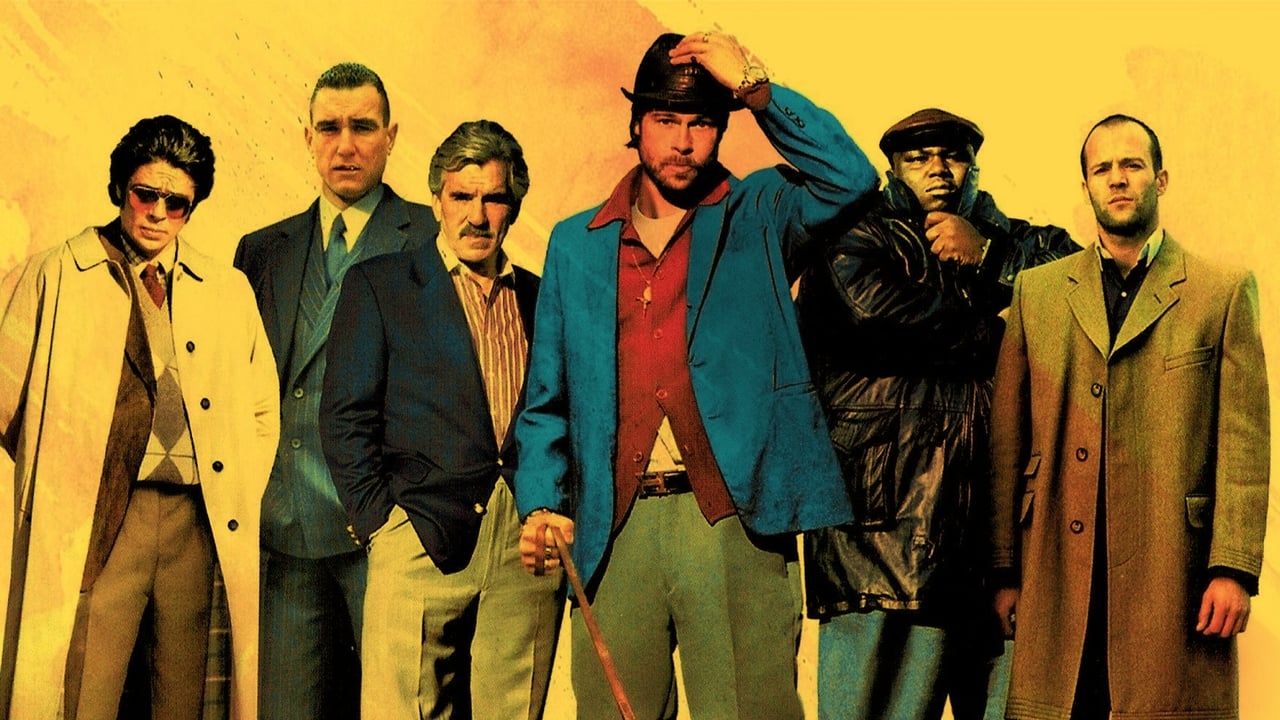
If you’re a collector, you probably remember the Snatch "Superbit" or "Special Edition" DVDs. This was the era where we actually sat through the "behind-the-scenes" features and director commentaries to feel like we were part of the crew. Snatch was built for that culture. The editing, handled by Jon Harris, is incredibly rapid-fire, using whip-pans, freeze-frames, and split-screens that felt revolutionary at the time.
The film's visual language is very much of its era—the desaturated colors, the high-contrast lighting—but unlike many of its imitators, it hasn’t aged into a parody of itself. There’s a scene where Vinnie Jones (playing Bullet-Tooth Tony) uses a car door to neutralize a threat that is still a masterclass in comedic timing. Turns out, Vinnie Jones was actually late to set on his first day because he’d been arrested for a "bit of a scuffle" the night before. Ritchie reportedly loved the authenticity.
The soundtrack, too, is a perfect time capsule. From Kula Shaker to Massive Attack, the music doesn't just sit in the background; it drives the pace. It’s a "cool" movie that actually manages to be cool, which is a rare feat for a film that features a dog eating a squeaky toy and a man named "Boris the Blade" who refuses to die.
More Than Just "Lock, Stock" 2.0
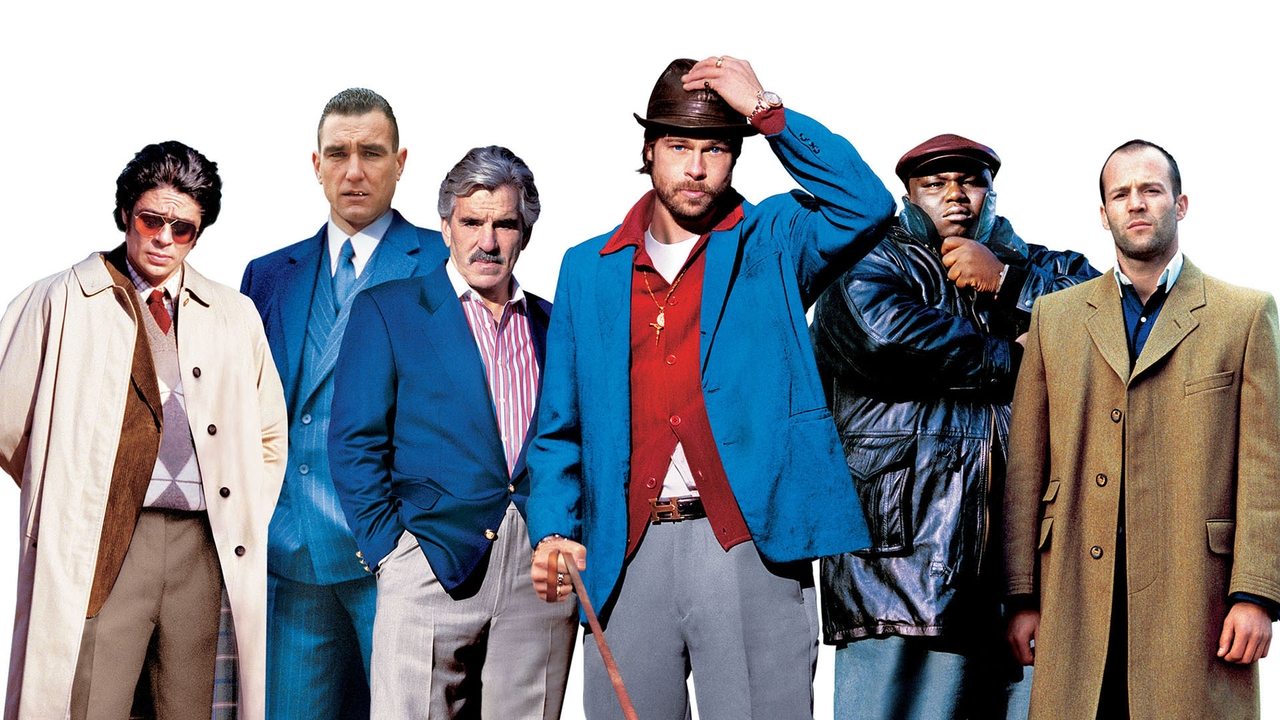
While some critics at the time dismissed it as a carbon copy of his debut, I’ve always found Snatch to be the more refined, funnier older brother. It’s more confident. The cast chemistry is off the charts—especially the trio of Robbie Gee, Lennie James, and Ade as the world’s most hopeless amateur robbers. Their dialogue in the van is some of the funniest observational comedy of the early 2000s.
It’s also surprisingly dark. Guy Ritchie’s world is a place where people are fed to pigs, but everyone is too busy arguing about the contents of a sandwich to notice. This tonal tightrope is hard to walk, but the script balances the threat of Brick Top with the absurdity of the "Desert Eagle .50" speech perfectly. It captures that post-Tarantino indie energy but injects it with a distinctly British, blue-collar cynicism that feels grounded even when the plot goes off the rails.
Looking back, Snatch represents a moment before every mid-budget crime movie was swallowed by the franchise machine. It’s a standalone blast of energy that trusts its audience to keep up with its frantic pace and garbled dialects. Whether you're here for the heist or the bare-knuckle boxing, it’s a ride that earns every second of your attention.
In the two decades since its release, Snatch has cemented itself as the gold standard for the British ensemble crime comedy. It’s a film that rewards repeat viewings, mostly because you’ll finally understand what Mickey is saying by the fourth or fifth time through. It’s loud, it’s foul-mouthed, and it’s a total joy to watch. If you haven't revisited it lately, do yourself a favor: grab a drink, ignore the phone, and get lost in the chaos. Just watch out for the pigs.
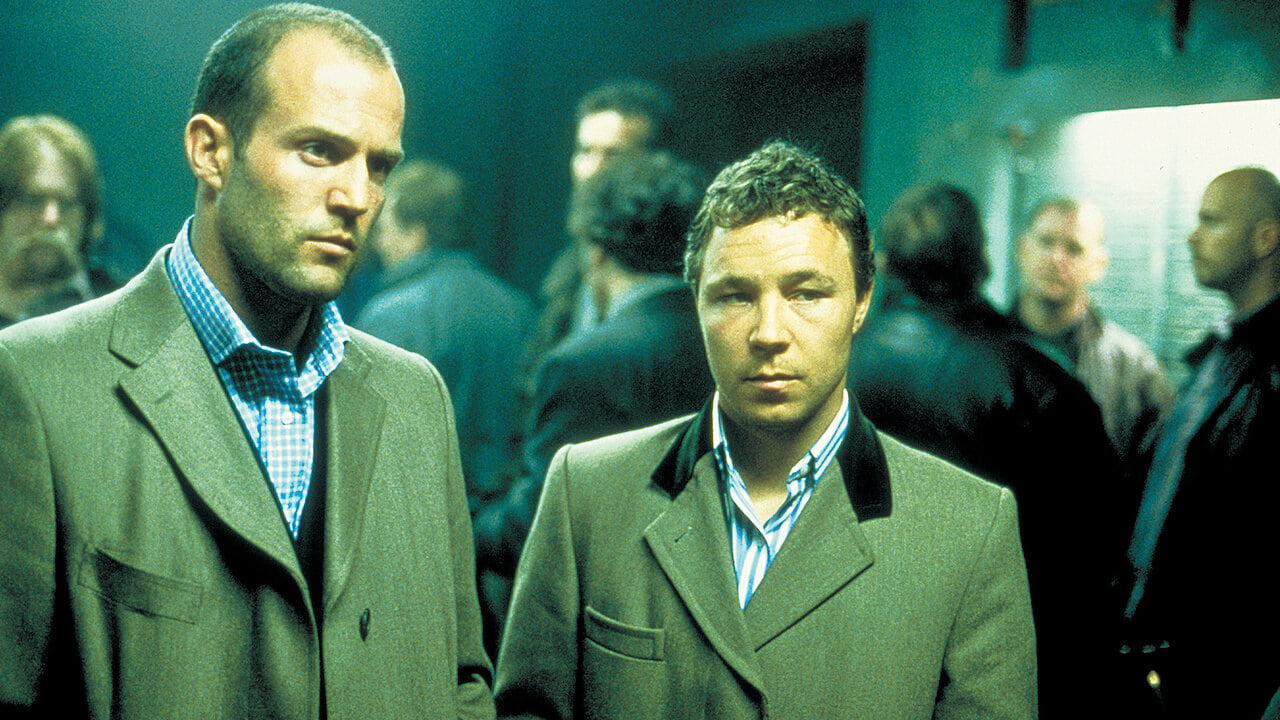
Keep Exploring...
-
Lock, Stock and Two Smoking Barrels
1998
-
RocknRolla
2008
-
O Brother, Where Art Thou?
2000
-
Hot Fuzz
2007
-

Sherlock Holmes: A Game of Shadows
2011
-
Wrath of Man
2021
-
Lethal Weapon 4
1998
-
Bad Boys II
2003
-
The Longest Yard
2005
-
The Gentlemen
2020
-
Bad Boys
1995
-
Fear and Loathing in Las Vegas
1998
-
Rush Hour
1998
-

Kung Fu Hustle
2004
-

The Man from U.N.C.L.E.
2015
-
Hercules
1997
-

The Emperor's New Groove
2000
-
The Road to El Dorado
2000
-

Asterix & Obelix: Mission Cleopatra
2002
-

Sinbad: Legend of the Seven Seas
2003