Space Cowboys
"Old dogs. New orbit. Same attitude."
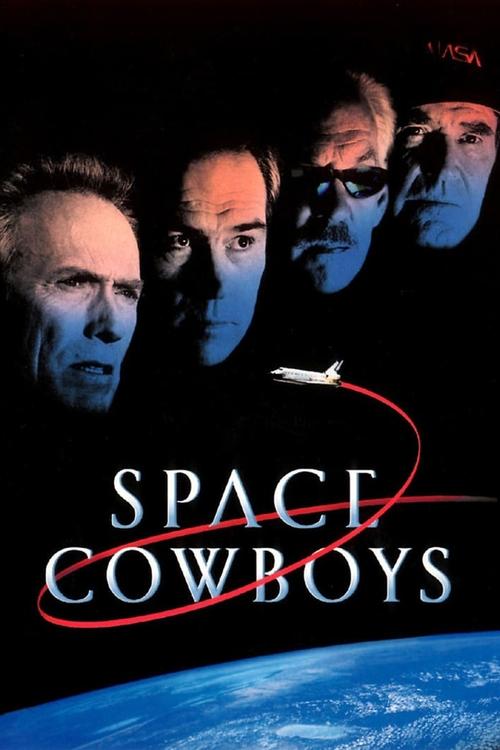
The year 2000 was a weird, transitional bridge for Hollywood. We were caught between the gritty, practical stunt-work of the 90s and the impending digital tidal wave of the 2000s. While most directors were chasing the next Matrix or looking for the "new" thing, Clint Eastwood looked in the mirror, saw his wrinkles, and decided to lean into them. Space Cowboys isn't just an action movie; it’s a late-career victory lap for a generation of stars who weren't ready to be put out to pasture by a CGI chimp.
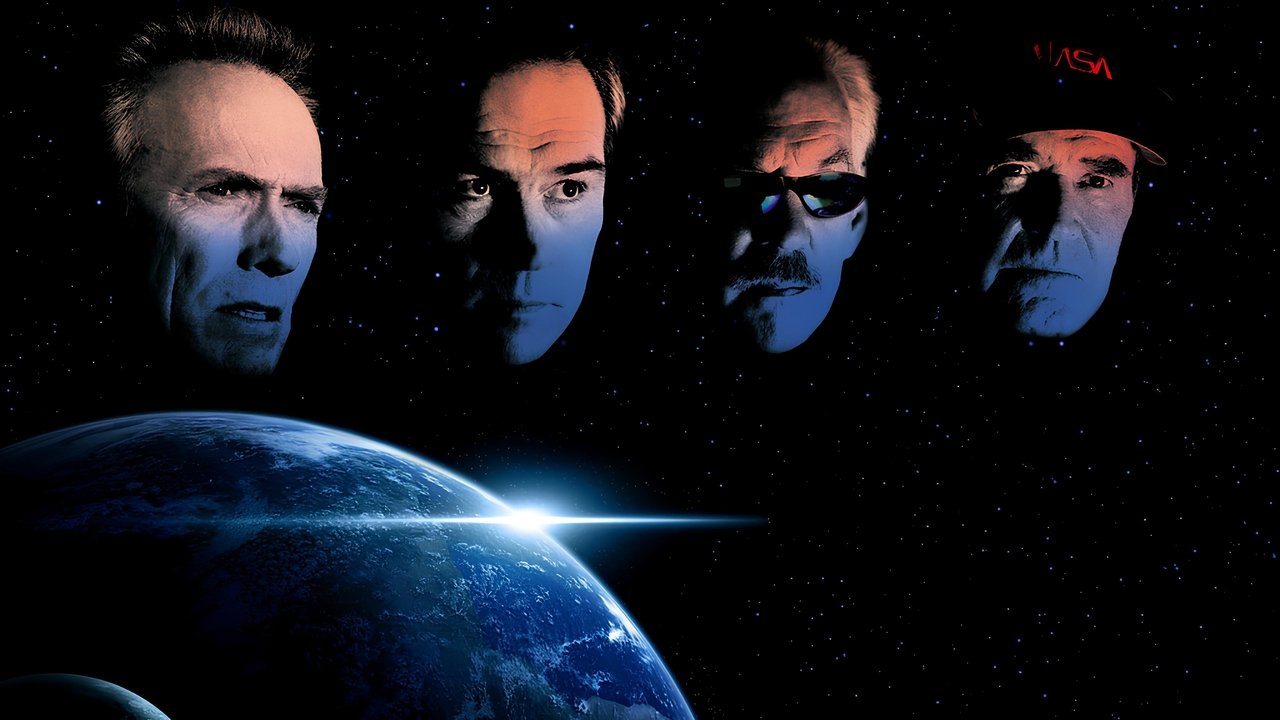
I first watched this on a borrowed DVD that had a smudge of what I’m fairly certain was strawberry jam on the case, and honestly, the sticky residue felt appropriate for a movie that is essentially cinematic comfort food. It’s a film that asks us to believe that four guys who probably qualify for a senior coffee discount at McDonald’s can save the world, and because the cast is so legendary, I found myself nodding along like a true believer.
The Original A-Team (With Better Benefits)
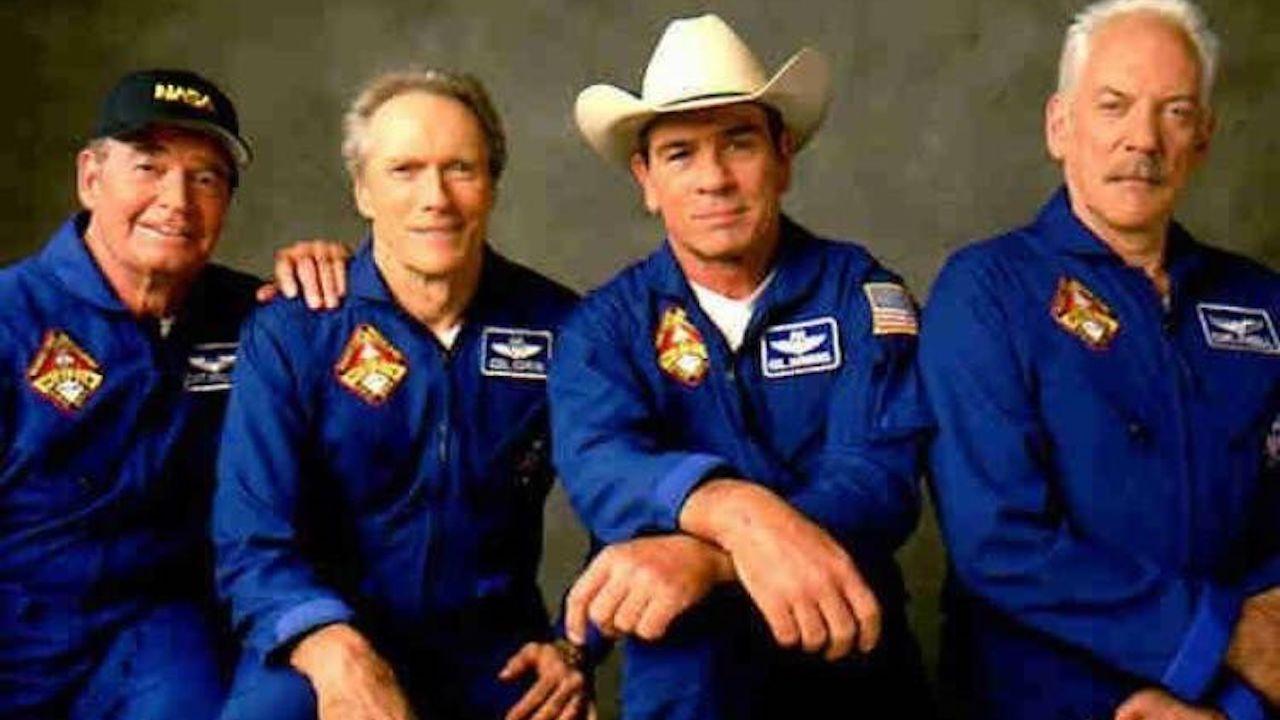
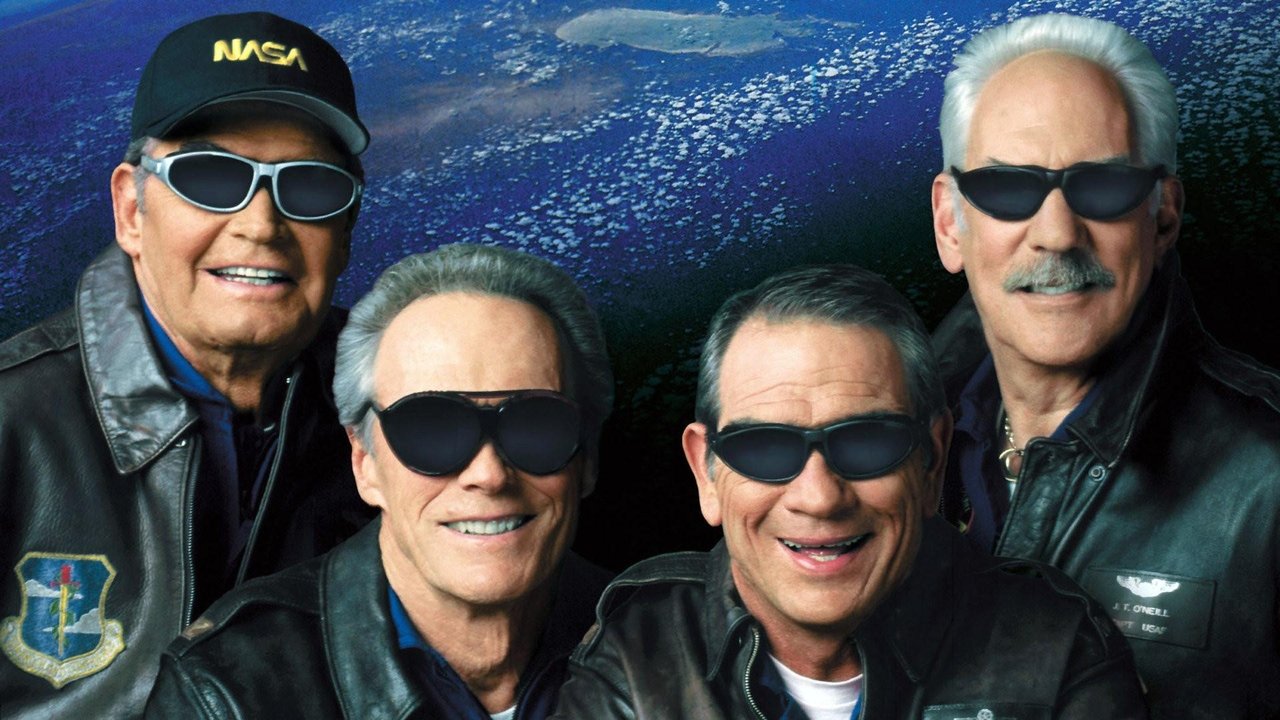
The premise is pure high-concept gold. Back in 1958, the members of Team Daedalus were the hottest test pilots in the Air Force, poised to be the first Americans in space until NASA replaced them with a primate. Fast forward forty years, and a decaying Soviet satellite called "Ikon" is threatening to crash. Because the satellite uses ancient guidance tech designed by Frank Corvin (Clint Eastwood), NASA—led by the perpetually untrustworthy James Cromwell as Bob Gerson—has to bring the old crew out of retirement.
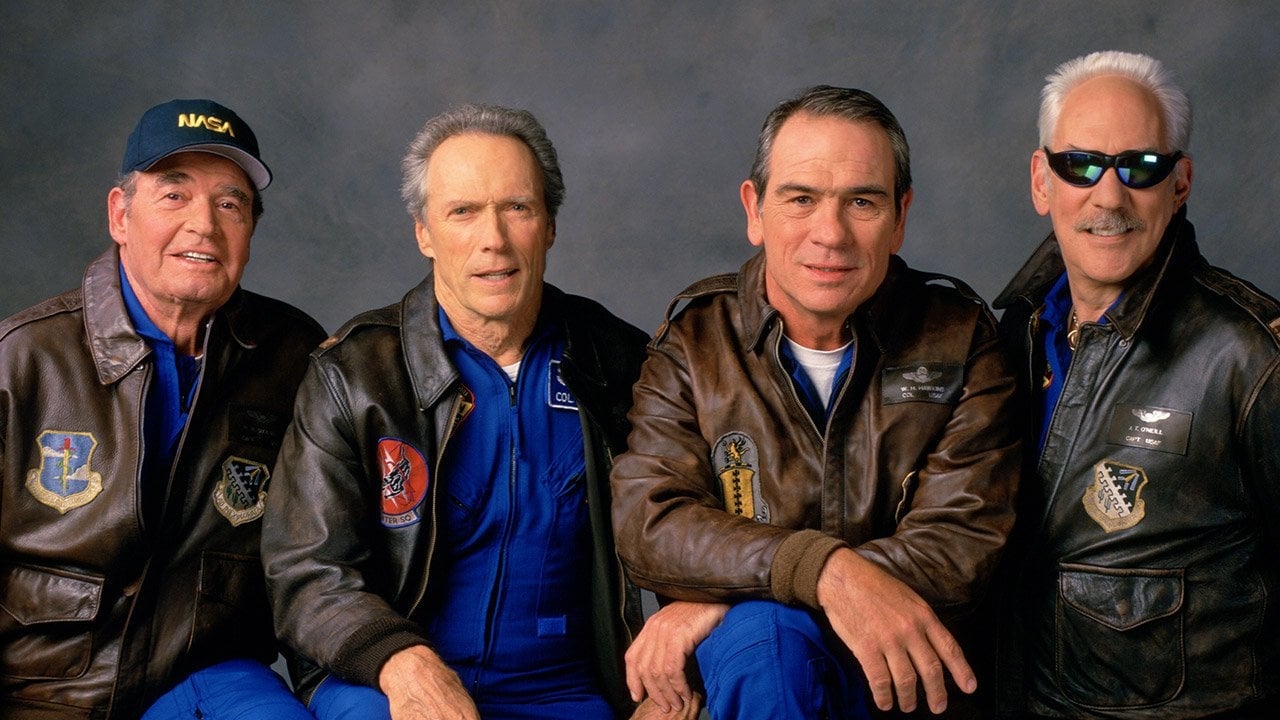
What follows is a delightful "gathering the team" montage that serves as a masterclass in chemistry. We get Tommy Lee Jones as "Hawk" Hawkins, a pilot who still lives for the danger; Donald Sutherland as Jerry O'Neill, a womanizing rollercoaster designer; and James Garner as Tank Sullivan, a man of the cloth who hasn't lost his edge. Watching these four trade barbs is the real "action" of the first hour. Eastwood’s direction is lean and efficient, much like his performance. He knows that seeing Donald Sutherland squinting at an eye chart is just as entertaining as a rocket launch.
Zero-G Grit and Practical Tension
Once the movie actually gets to Cape Canaveral and eventually into orbit, the action shifts from verbal sparring to technical suspense. This was a pivotal moment for Industrial Light & Magic (ILM). They had to blend practical sets—like the massive gimbals used to simulate the shuttle interior—with early-2000s digital effects. While some of the CGI of the "Ikon" satellite looks a bit like a high-end screensaver by 2024 standards, the film’s commitment to physical reality keeps it grounded.
The action choreography here isn't about "shaky cam" or fast cuts. It’s about the terrifying, slow-motion physics of space. When things inevitably go wrong, the tension comes from the mechanical failure of the Ikon satellite itself. It’s a massive, cold-war beast that feels heavy and dangerous. The film’s climax is basically a geriatric version of Armageddon but with 40% less Aerosmith and 100% more competence. There’s a specific sequence involving a manual satellite repair that highlights the film's "analog" soul; it’s about a man with a wrench and a brain outperforming a computer.
The sound design by Lennie Niehaus deserves a shout-out too. In an era where action scores were becoming bombastic and overblown, the music here is understated, letting the rhythmic thrum of the shuttle and the silence of the vacuum do the heavy lifting. It makes the moments of crisis feel immediate and personal rather than just "loud."
Why We Stopped Talking About It
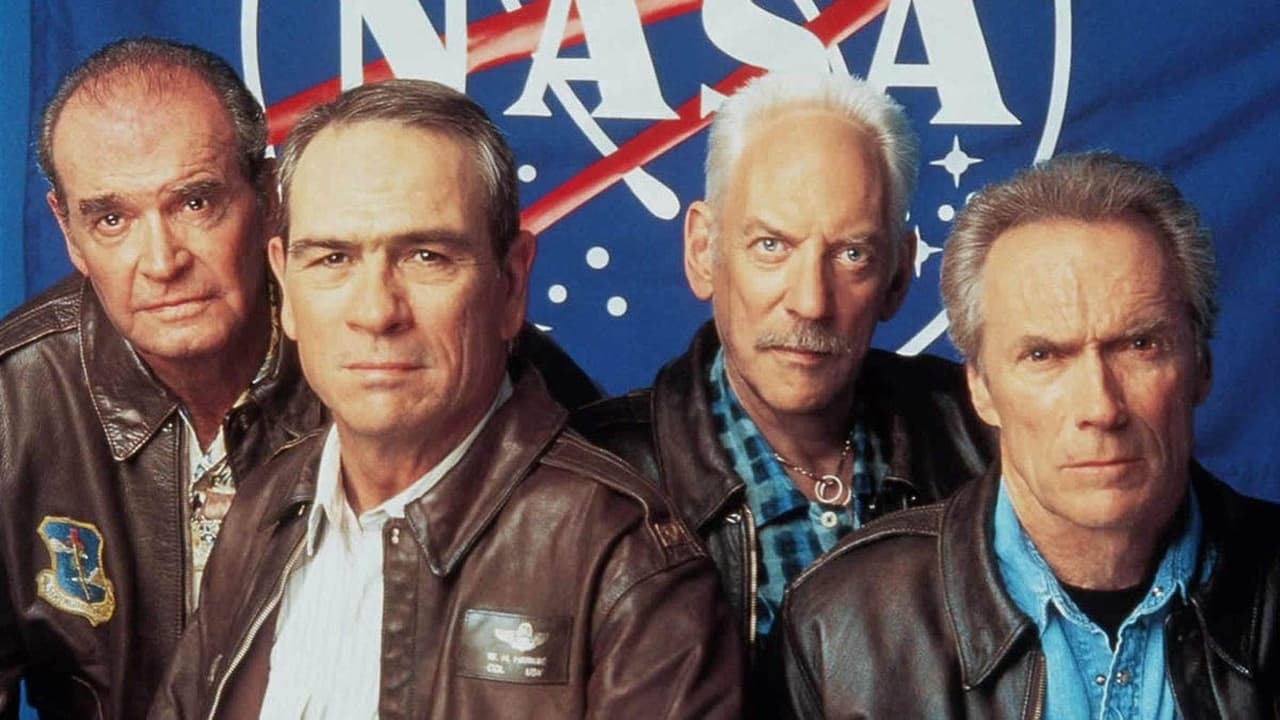
Despite being a solid box-office hit in its day, Space Cowboys has largely vanished from the "Modern Classic" conversation. Why? I suspect it's because it doesn't fit the franchise mold that began to dominate the industry shortly after its release. It’s a self-contained story about aging, legacy, and the resentment of being replaced by "the next big thing"—themes that were very real for its stars.
There’s a bit of fascinating trivia regarding the production: the four leads were granted rare access to NASA's Johnson Space Center, and Clint Eastwood insisted on using the actual "Vomit Comet" (the KC-135 reduced-gravity aircraft) for some training shots. That commitment to "doing it for real" is what makes the film age better than many of its contemporaries. While Space Cowboys might be the cinematic equivalent of a high-stakes hip replacement surgery, it carries itself with a dignity that modern green-screen spectacles often lack.
It captures that specific Y2K anxiety—the fear that old systems (both mechanical and human) were becoming obsolete. Looking back, the film feels like a defiant middle finger to that idea. It’s a movie that rewards your attention with character-driven stakes rather than just empty explosions. If you’ve missed this one or haven't seen it since the days of Blockbuster, it’s worth a revisit just to see four icons reminding us why they were icons in the first place.
Ultimately, Space Cowboys succeeds because it doesn't try to hide its gray hair. It’s a meat-and-potatoes action drama that understands the power of a good ensemble. By the time the credits roll to the tune of "Fly Me to the Moon," you’ll realize you weren't just watching a space mission; you were watching the last of a certain kind of movie star prove they could still hit the high notes. It’s charming, surprisingly tense, and exactly the kind of movie you want to find on a rainy Sunday afternoon.
Keep Exploring...
-
Blood Work
2002
-
Absolute Power
1997
-
Final Fantasy: The Spirits Within
2001
-
Assassins
1995
-
Daylight
1996
-
Escape from L.A.
1996
-
Executive Decision
1996
-
The Saint
1997
-
Star Trek: Insurrection
1998
-
Vertical Limit
2000
-
Star Trek: Nemesis
2002
-

Paycheck
2003
-
Sky Captain and the World of Tomorrow
2004
-
Into the Blue
2005
-
Shaft
2000
-
Walking Tall
2004
-
Race to Witch Mountain
2009
-
Who Am I?
1998
-
Assault on Precinct 13
2005
-
Star Trek: First Contact
1996