The 6th Day
"One Arnold is never enough."
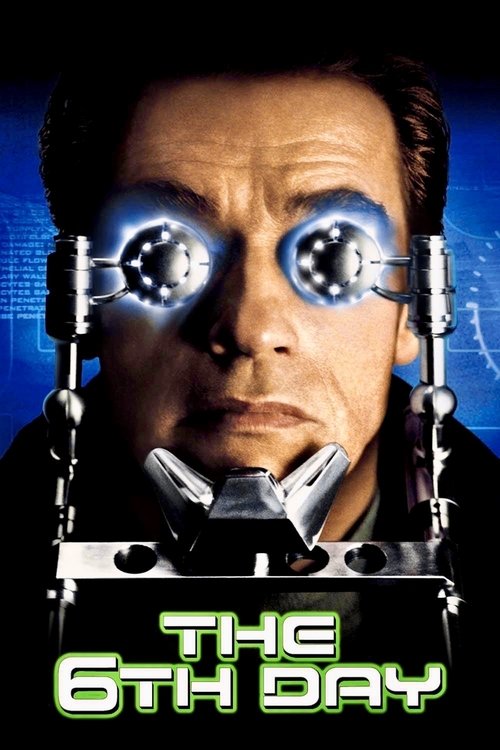
I remember watching The 6th Day for the first time on a scratched DVD I bought at a garage sale for fifty cents, and even through the digital skipping, I couldn't help but feel I owed the seller another dollar. It’s a quintessential "Year 2000" artifact—a time when we were terrified of the new millennium’s technology but still obsessed with the 1980s brand of the indestructible action hero.
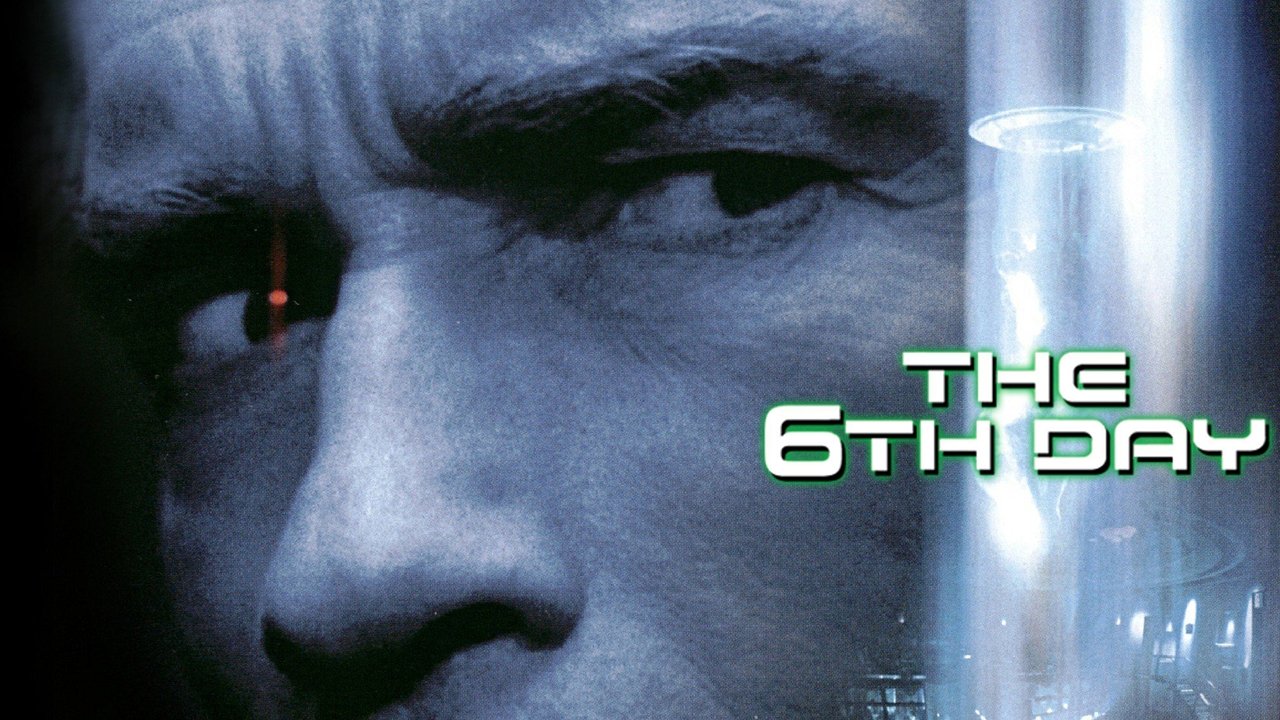
The Uncanny Valley of Y2K Sci-Fi
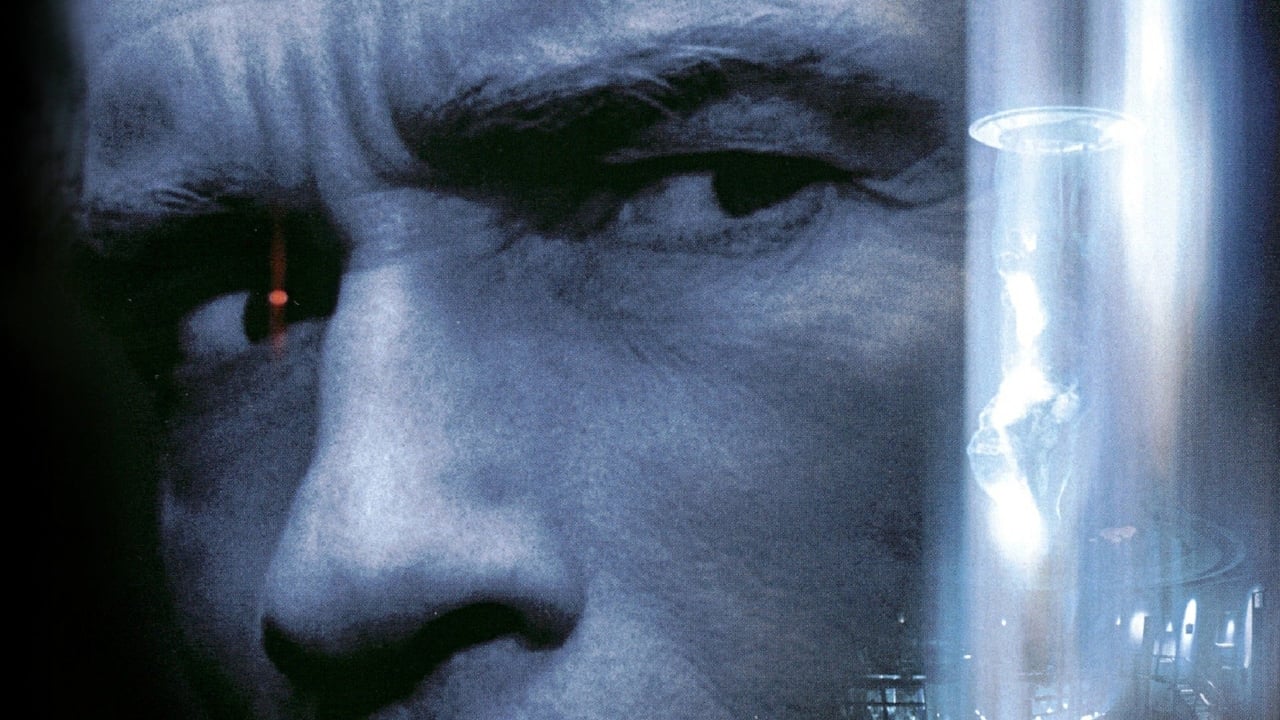
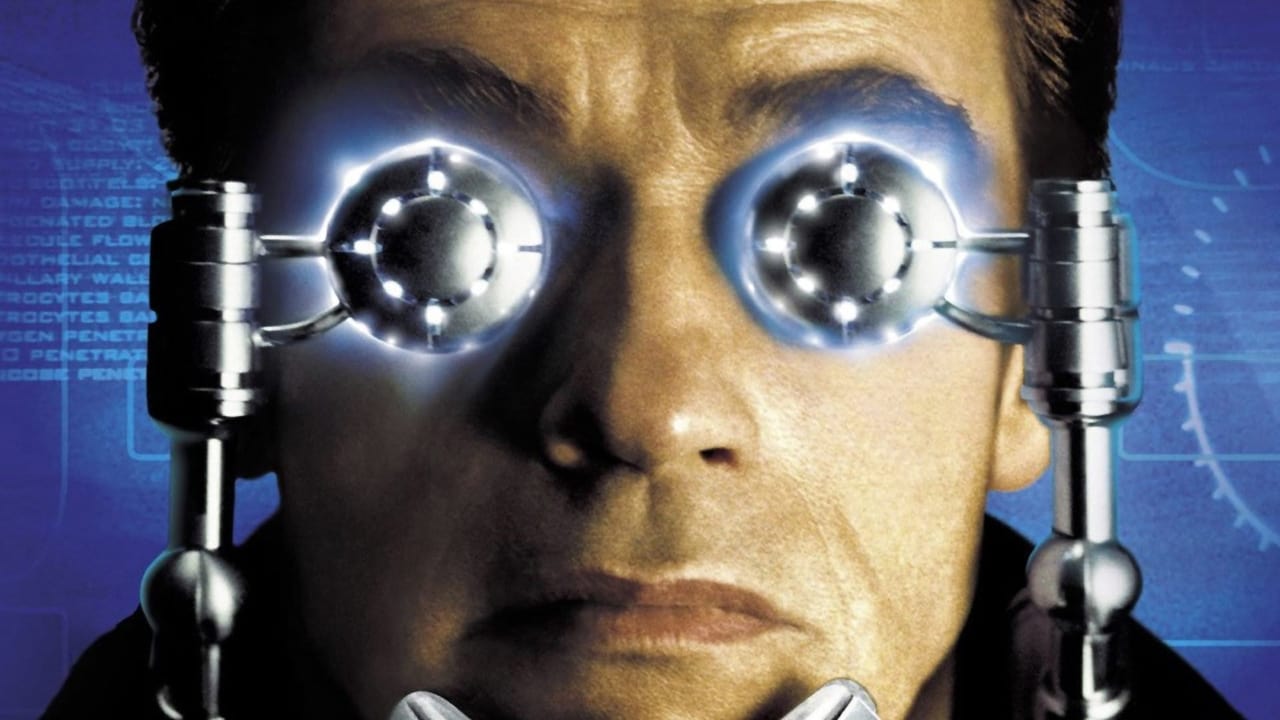
There is a specific flavor to science fiction from the turn of the century. It’s sleek, it’s slightly blue-tinted, and it is absolutely preoccupied with the "near future" (which, ironically, looks exactly like the year 2000 but with more LCD screens). Arnold Schwarzenegger plays Adam Gibson, a traditionalist helicopter pilot who refuses to eat "cloned" bananas or patronize "RePet," a store where you can clone your dead golden retriever. He’s a guy who likes his world "real," which is why it’s so effectively jarring when he comes home to find himself already sitting at the dinner table, celebrating his birthday with his family.
The screenplay by Marianne Wibberley and Cormac Wibberley taps into a very specific era-appropriate anxiety: the fear that our biological uniqueness was about to be commodified. It’s a bit smarter than your average shoot-em-up, though it never quite reaches the existential dread of something like Gattaca or the mind-bending brilliance of Total Recall. It lives in a comfortable middle ground where you can ponder the ethics of "syncing" a human brain while simultaneously watching Arnold kick a man through a window.
Double the Arnold, Half the Invincibility
By the time 2000 rolled around, the "invincible" Arnold persona was beginning to show some cracks. Director Roger Spottiswoode (who had just finished the Bond flick Tomorrow Never Dies) leans into this. As Adam Gibson, Arnold is more vulnerable than we’d seen him in years. He’s a father, a husband, and a guy who is genuinely out of his depth. Of course, the movie’s big selling point is "Two Arnolds for the price of one," and the technical execution of the split-screen acting is surprisingly seamless for the era.
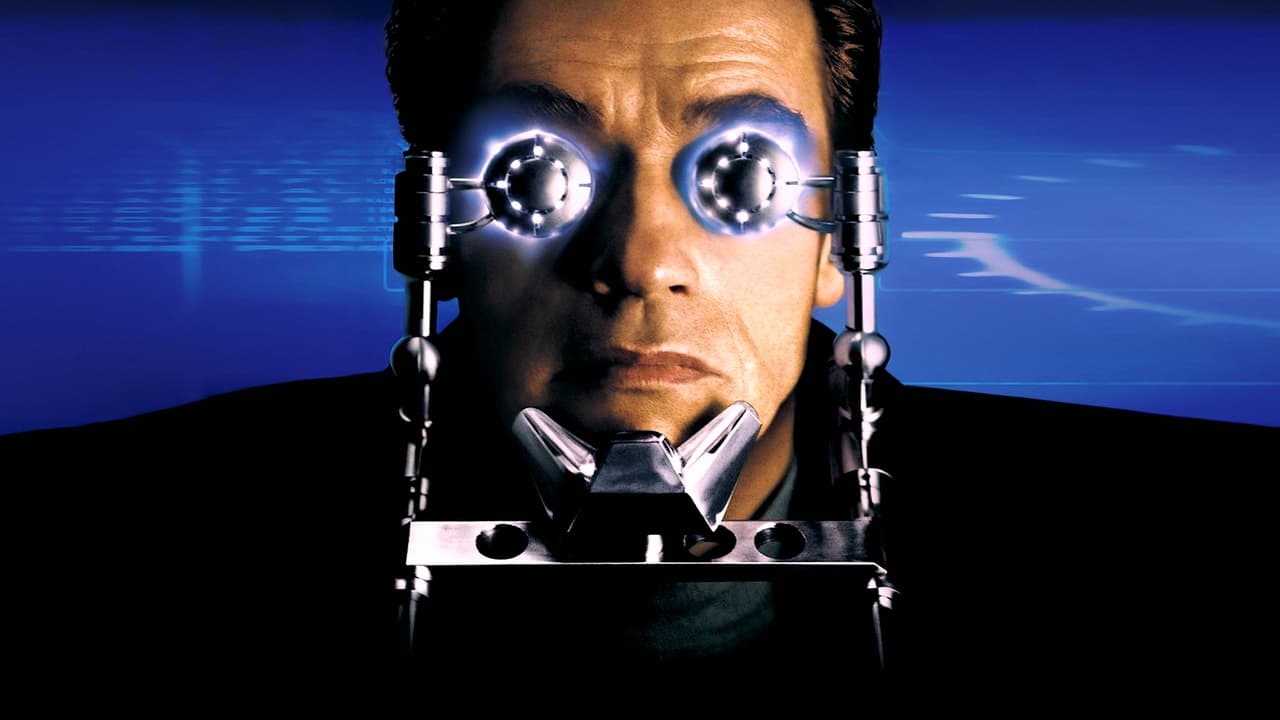
The supporting cast is doing some heavy lifting here. Tony Goldwyn plays Michael Drucker, the billionaire tech mogul, with a slick, corporate sliminess that feels even more relevant today in the age of tech-bro dominance. Then you have Robert Duvall as Dr. Griffin Weir, providing a weirdly soulful, tragic heart to a movie that could have easily been a cartoon. Duvall’s performance belongs in a much more serious film, and his presence alone elevates the material. On the flip side, we have Michael Rapaport as the comic relief best friend, Hank. Looking back, Michael Rapaport’s haircut is the real villain of the movie, though he provides that grounded, slightly frantic energy that keeps the first act moving.
Practical Stunts in a Digital Dawn
The action choreography in The 6th Day represents that awkward, fascinating transition from practical stunt work to CGI. We have the "Whispercraft"—VTOL helicopters that actually look pretty cool—and some genuine pyrotechnics that have that heavy, physical weight you just don’t get from a purely digital explosion. The car chases feel real because, well, they were mostly real. However, the early-2000s CGI shows its age in the "cloning tank" sequences. The "embryos" look a bit like sentient pasta, but the ambition is admirable.
What I find most interesting about the action is the pacing. Spottiswoode builds the tension through a mystery-thriller lens before letting the bullets fly. The shootout at the mountaintop lab has a great rhythm to it, utilizing the environment and the "sync-cord" tech in a way that feels organic to the world-building. Michael Rooker shows up as an assassin who keeps getting killed and cloned back into the fray, which adds a dark, comedic loop to the violence. It’s a clever way to raise the stakes; the heroes aren't just fighting guys; they’re fighting a never-ending supply of the same guys.
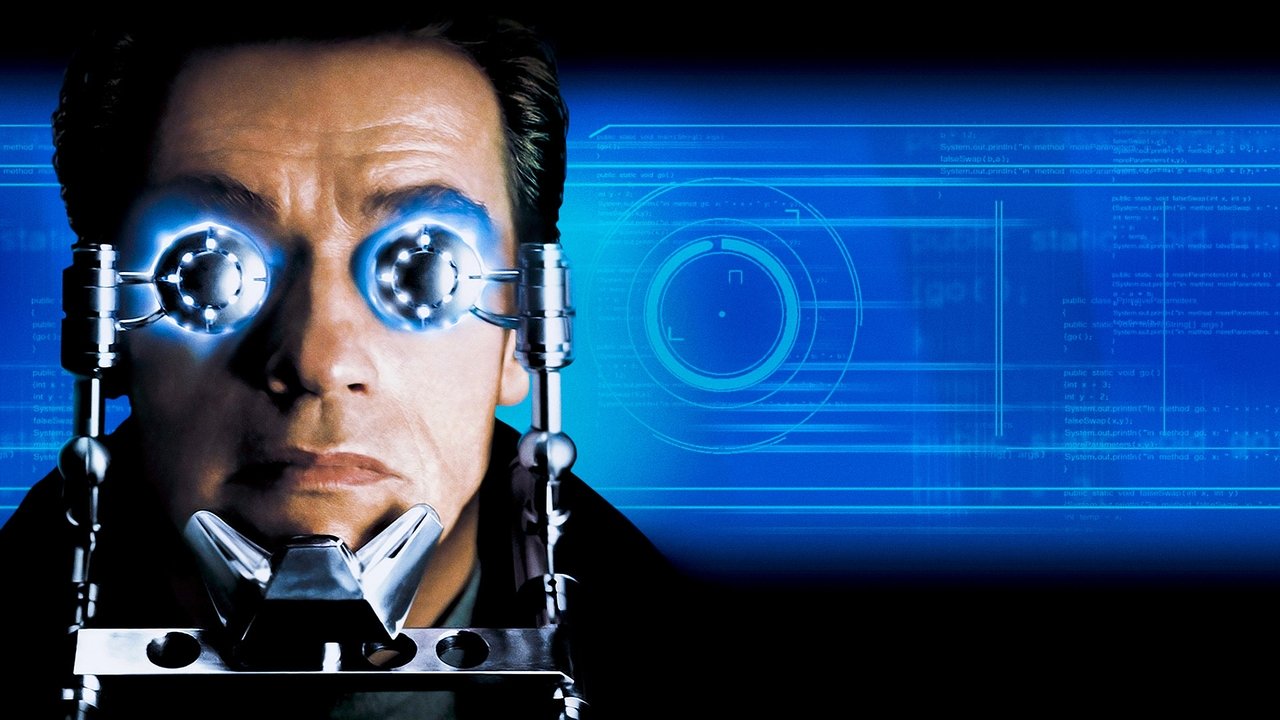
Stuff You Didn't Notice
- The Price of a Star: Arnold was paid $25 million for this role, which was nearly a third of the entire production budget. You can see where the money went (The Arnolds) and where it didn't (the CGI "RePet" signs). - Barbra Streisand Did It First: The "RePet" concept of cloning a family dog was a sci-fi joke in 2000, but Barbra Streisand famously cloned her dog, Samantha, in 2017. The movie was accidentally prophetic. - Title Troubles: The film was originally titled The Sixth Day, but the producers changed it to "6th" to avoid confusion with The Seventh Sign or The Sixth Sense, because apparently, audiences in 2000 couldn't be trusted with numbers. - The SimPal Doll: That creepy "Cindy" doll that talks to the kids? It was voiced by the director’s daughter. It remains one of the most unsettling props in sci-fi history. - A Box Office Thud: Despite being a solid actioner, the movie struggled at the box office, barely recouping its budget. It found its true life on DVD, where people could freeze-frame the "Double Arnold" shots to look for seams.
The 6th Day isn't a masterpiece, but it’s a remarkably sturdy piece of entertainment that captures a very specific moment in Hollywood history. It’s a bridge between the analog machismo of the 80s and the tech-driven sci-fi of the 21st century. If you can forgive some dated visual effects and a few "Arnold-isms," you'll find a movie that is surprisingly thoughtful about its premise. It’s the perfect Sunday afternoon watch—just don't think too hard about the "SimPal" doll or you won't sleep tonight.
Keep Exploring...
-
Terminator 3: Rise of the Machines
2003
-
Elysium
2013
-
Transcendence
2014
-
Outbreak
1995
-
Conspiracy Theory
1997
-
Volcano
1997
-
The Bone Collector
1999
-
Signs
2002
-
Basic
2003
-

Paycheck
2003
-
Sky Captain and the World of Tomorrow
2004
-
Pandorum
2009
-
Oldboy
2013
-

Collateral Damage
2002
-
The Net
1995
-
Breakdown
1997
-
The Score
2001
-
The Forgotten
2004
-
The Jacket
2005
-
Dante's Peak
1997