The Beach
"Paradise is a trap with a great soundtrack."
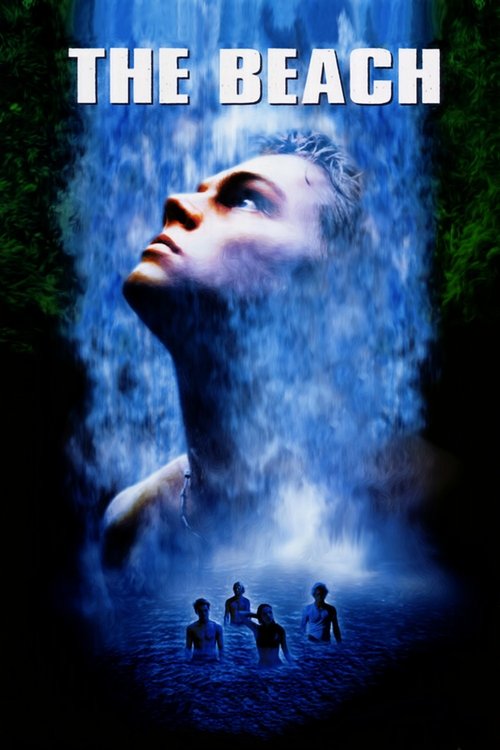
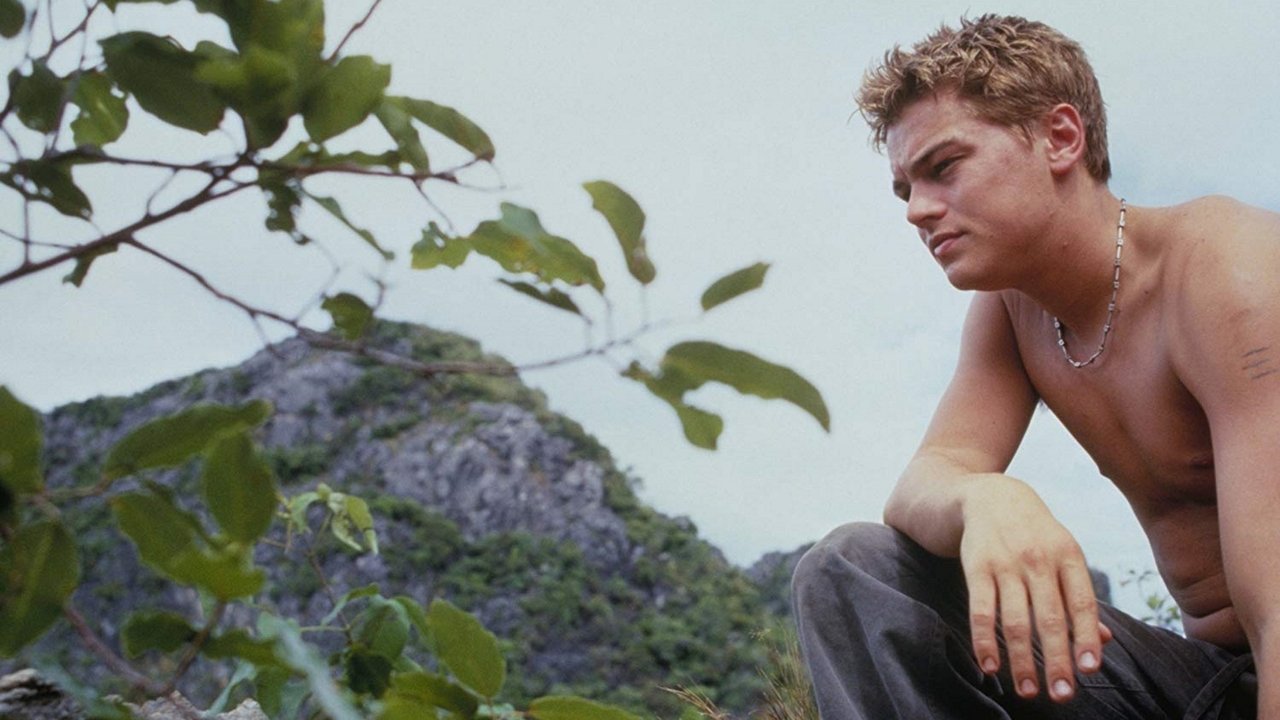
Imagine being the biggest movie star on the planet in 1999. You’ve just come off a film that sank a giant ship and broke every box office record in existence. The world expects you to play a dashing prince or a romantic lead in a tailored suit. Instead, you head to Thailand, lose the shoes, stop shaving, and sign on to a project directed by the guy who made a movie about heroin addicts in Edinburgh. That was Leonardo DiCaprio choosing The Beach, and honestly, I still respect the hell out of that pivot. I watched this on a humid Tuesday while drinking a lukewarm Singha beer I’d found in the back of the fridge, which felt remarkably on-brand for a movie about sweating through a Thai summer.
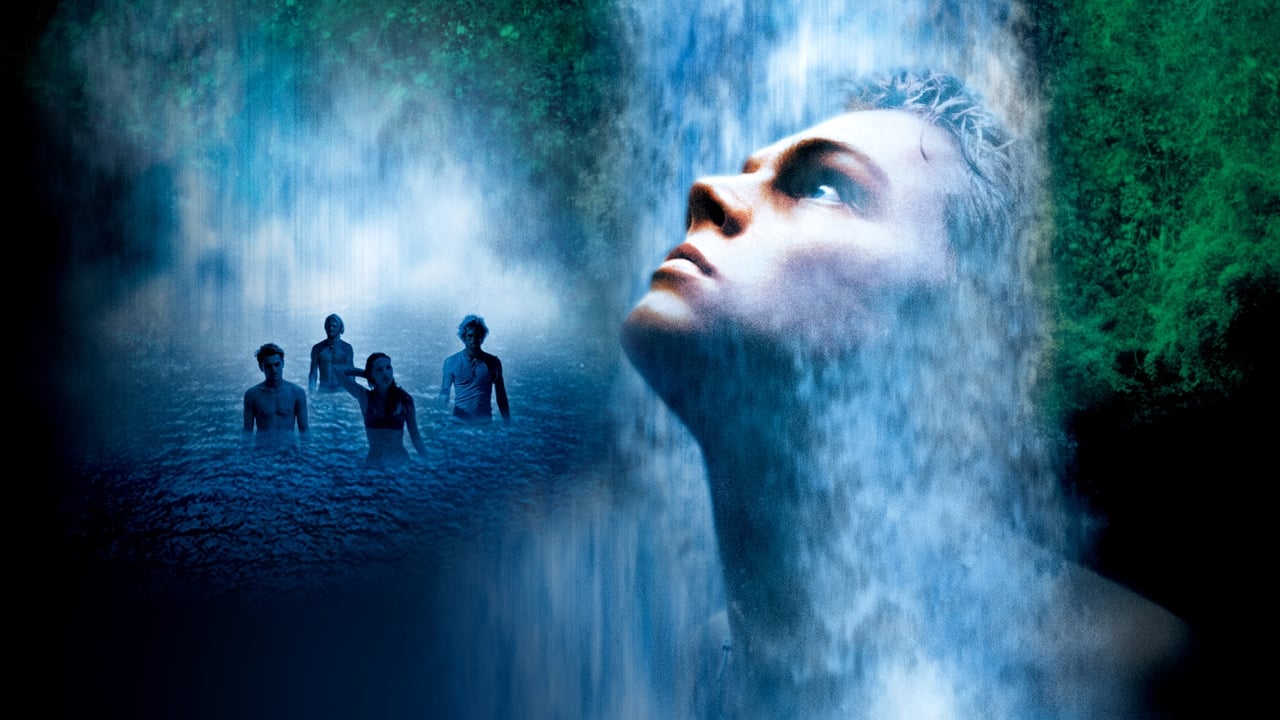
The Death of the Backpacker Dream
When The Beach arrived, it felt like the ultimate transition piece for the "Modern Cinema" era. It sat right on the cusp of the analog world—where you needed a physical, hand-drawn map to find a secret island—and the digital explosion that would soon make "secret" locations a thing of the past. Danny Boyle (fresh off the success of Trainspotting and A Life Less Ordinary) brought a frantic, high-energy style to what could have been a standard survival thriller.
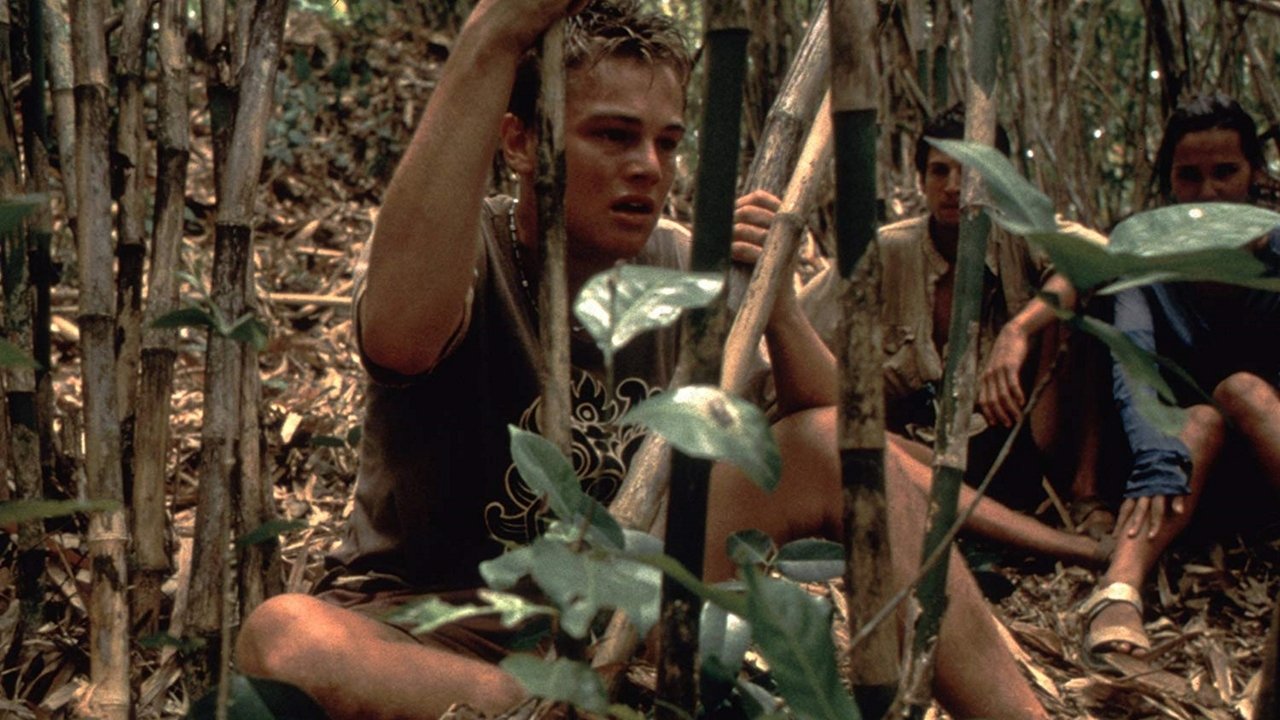
The story follows Richard (Leonardo DiCaprio), a bored American traveler looking for "something different" in Bangkok. He meets a deranged man named Daffy (Robert Carlyle), who leaves him a map to a hidden lagoon before checking out of this mortal coil. Richard recruits a French couple, Françoise (Virginie Ledoyen) and Étienne (Guillaume Canet), and they set off on a journey that is half-dream, half-fever-induced nightmare.
Looking back, the film captures that specific Y2K anxiety: the fear that everything has already been discovered, sold, and commodified. Richard wants to be a pioneer, but as he quickly learns, the moment you find paradise, you’ve already started destroying it. The middle act, where they find a secret community led by the icy, pragmatic Sal (Tilda Swinton), turns into a fascinating study of how even the most "liberated" hippy communes eventually replicate the same power structures and secrets of the society they’re fleeing.
A Tropical Cult and a CGI Shark
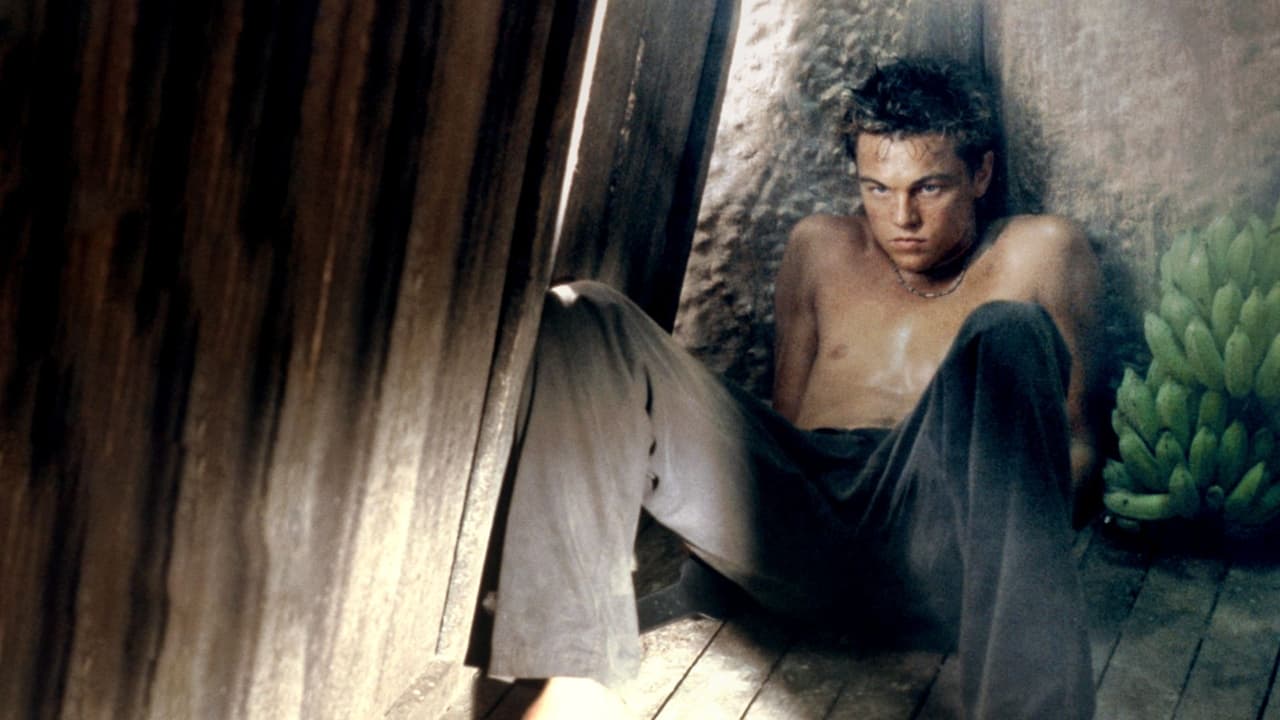
The performances here are surprisingly sturdy for what was essentially a $40 million blockbuster. Leonardo DiCaprio gives us a glimpse of the "intense, slightly unhinged Leo" that would become his trademark in later collaborations with Martin Scorsese. His descent into jungle-madness in the third act is where the film gets weird—and I love the weirdness. Richard’s Rambo-lite jungle sequence is the cinematic equivalent of a mid-life crisis involving too much caffeine and a Game Boy.
Speaking of video games, the film features a surreal sequence where Richard imagines himself in a 16-bit platformer. In 2000, this was seen as a "cool, edgy" way to visualize his detachment from reality. Today, it’s a charmingly dated relic of early CGI integration. It’s not "bad," it’s just very of its time, much like the shark attack scene. The CGI shark looks like it was rendered on a toaster, but the tension in that scene is real because of the human reaction to it. It’s not about the shark; it’s about the fact that the community would rather let a friend bleed out in the bushes than admit their "paradise" has a flaw.
The Drama Behind the Curtain
The production of The Beach was almost as chaotic as the plot. Originally, Danny Boyle wanted to cast his long-time collaborator Ewan McGregor (from Shallow Grave and Trainspotting) as Richard. However, the studio pushed for Leonardo DiCaprio because, well, he was the most famous person alive. This led to a massive falling out between Boyle and McGregor that lasted over a decade. While Leonardo DiCaprio is great, you can almost see the ghost of the "everyman" character John Hodge wrote for McGregor lingering in the script.
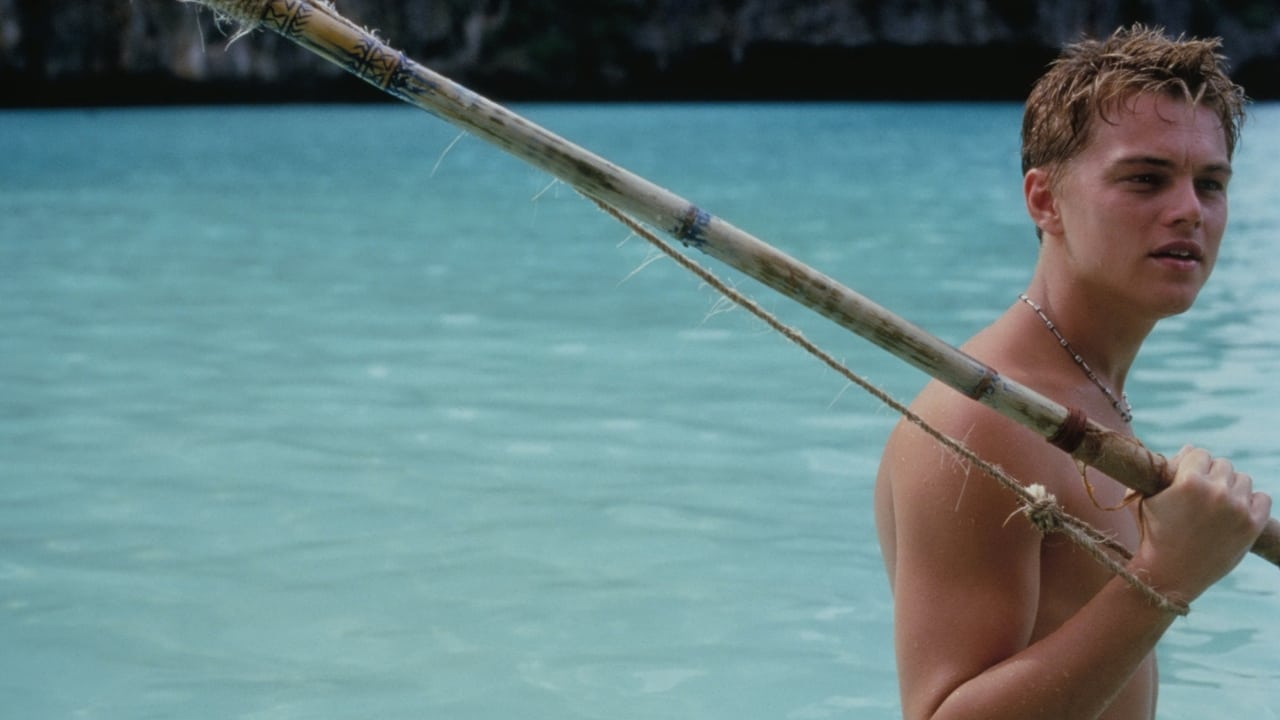
The film also sparked a massive environmental controversy. The production team literally moved sand dunes and planted 6,000 non-native coconut trees at Maya Bay to make it look "more like paradise." The subsequent lawsuits and ecological damage became a cautionary tale for big-budget location scouting. It’s the ultimate irony: a movie about the dangers of tourists ruining a hidden beach actually ruined the hidden beach it was filming on.
Financially, the film was a massive hit, pulling in over $144 million. It wasn't just a movie; it was a vibe. It sold millions of copies of the soundtrack—who can forget Moby’s "Porcelain" playing over those sweeping shots of the Andaman Sea?—and it arguably launched the modern era of Thai tourism, for better or worse.
The Beach is a flawed, ambitious, and gorgeous piece of cinema that captures the exact moment Hollywood tried to bottle "indie cool" and sell it as a summer blockbuster. It’s a drama that treats the search for authenticity like a thriller, and while it occasionally trips over its own pretension, it remains a fascinating time capsule. It’s a reminder of a time when movie stars took genuine risks and "finding yourself" usually involved getting lost in the worst way possible. If you can ignore the slightly clunky ending, it’s a trip well worth taking.
Keep Exploring...
-
127 Hours
2010
-

Trance
2013
-

Romeo + Juliet
1996
-

The Man in the Iron Mask
1998
-
The Horse Whisperer
1998
-
xXx
2002
-
Slumdog Millionaire
2008
-
Ghost
1990
-
Forever Young
1992
-
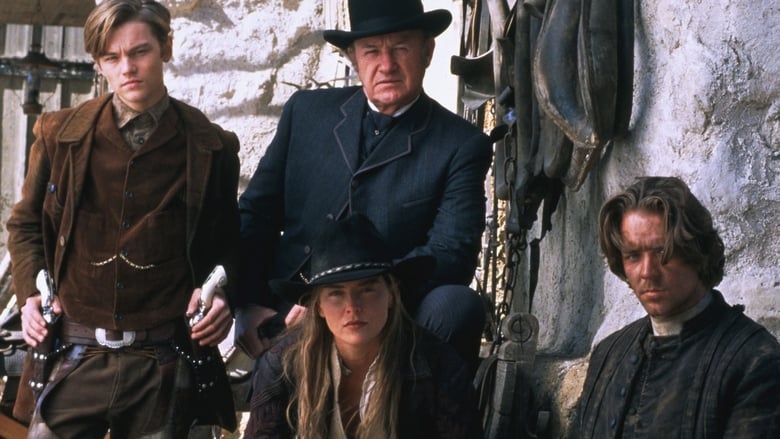
The Quick and the Dead
1995
-

Crouching Tiger, Hidden Dragon
2000
-
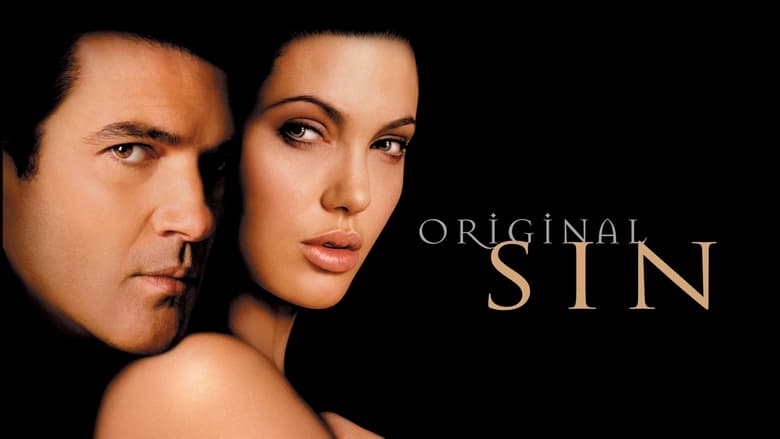
Original Sin
2001
-
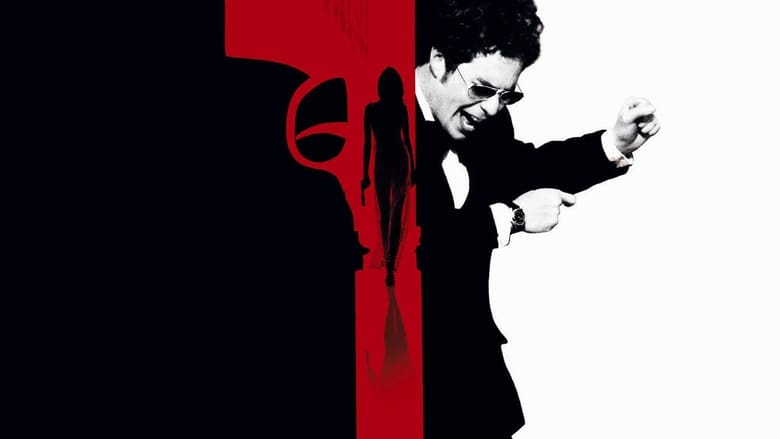
Confessions of a Dangerous Mind
2002
-
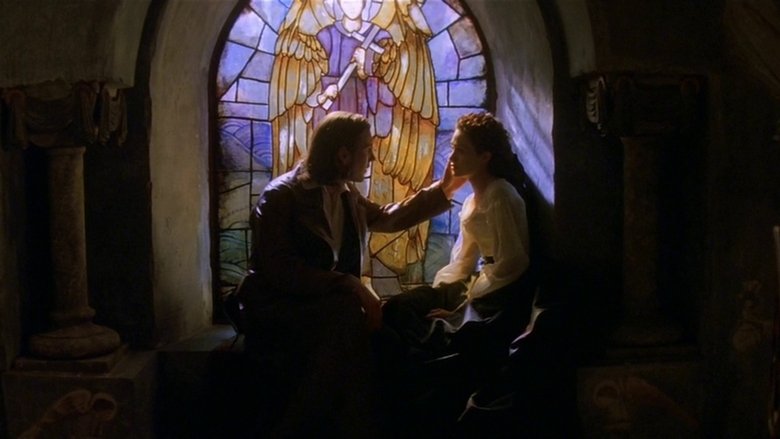
The Phantom of the Opera
2004
-
Walking Tall
2004
-
Casanova
2005
-

Match Point
2005
-

The Twilight Saga: New Moon
2009
-

The Twilight Saga: Eclipse
2010
-

The Twilight Saga: Breaking Dawn - Part 2
2012