The Cell
"Where the subconscious is a crime scene."
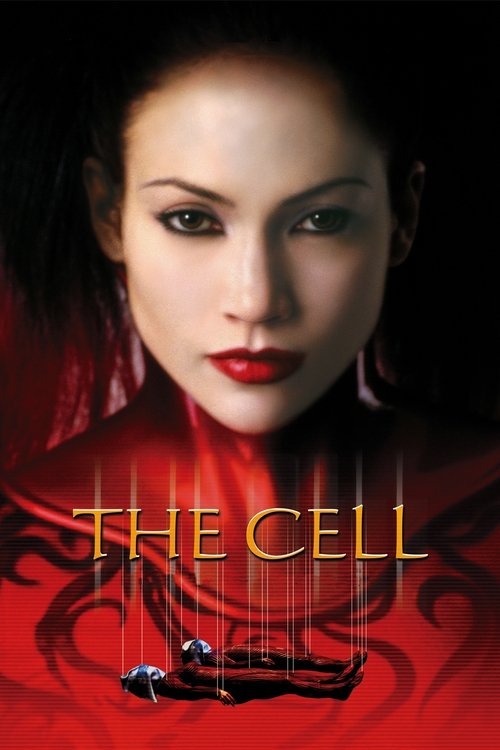
If you took a late-90s perfume commercial, doused it in acid, and forced it to watch The Silence of the Lambs on loop, you’d end up with something resembling The Cell. Released in the year 2000, right when we were all exhaling a collective sigh of relief that Y2K hadn’t reset our toasters to the Stone Age, this movie felt like the ultimate transition piece. It’s a bridge between the gritty, practical serial killer thrillers of the 90s and the glossy, CGI-saturated fever dreams of the new millennium.
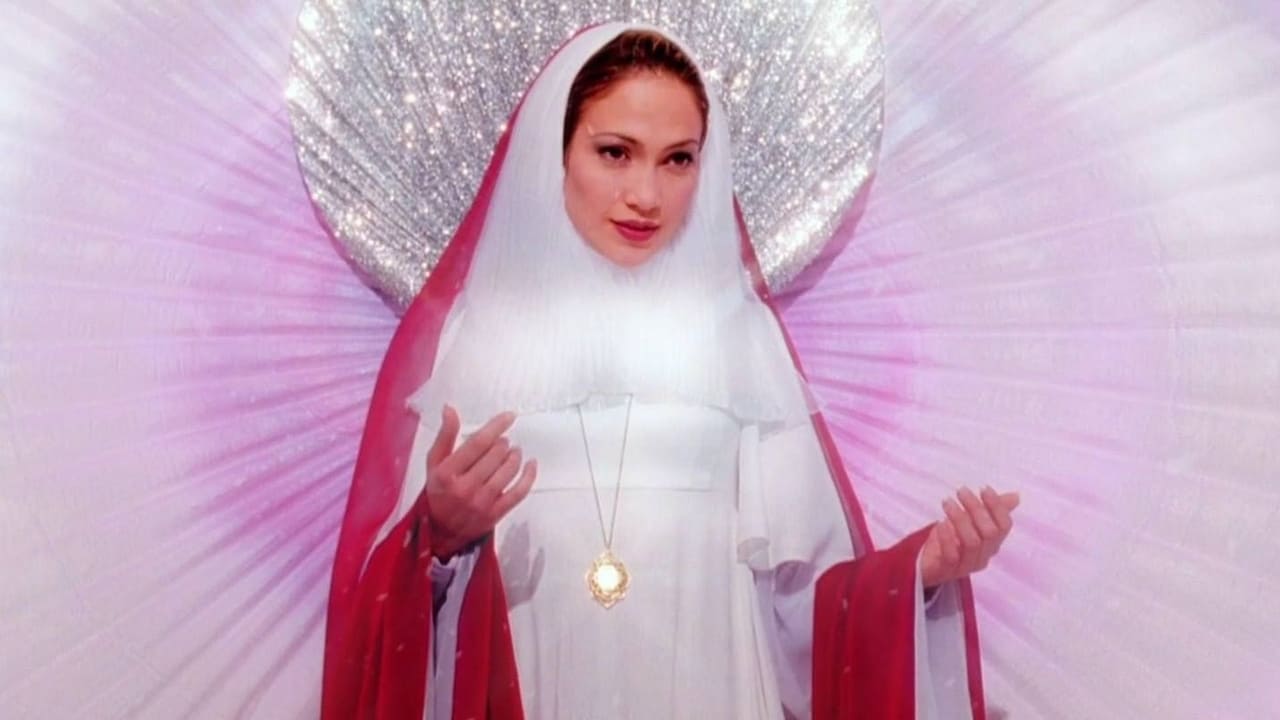
I watched this recently while sitting on a sofa that has one spring poking out in the exact spot where my left kidney sits, and honestly, that mild, persistent discomfort felt like the perfect sensory accompaniment to Tarsem Singh’s directorial debut.
The Art of the Nightmare
Most directors try to ground their sci-fi in some kind of "logic." Tarsem Singh (who we’d later see go full-tilt visualist in The Fall) clearly didn’t care about logic as much as he cared about how a scene felt. The premise is peak "high-concept" Hollywood: Catherine Deane (Jennifer Lopez), a child psychologist using experimental virtual reality tech, has to literally enter the mind of a comatose serial killer, Carl Stargher (Vincent D'Onofrio), to find his latest victim.
What follows isn't just a movie; it's a gallery of the grotesque. Looking back, this was a massive moment for "Music Video Directors" moving into features. Tarsem brought the same hyper-stylized energy he used for R.E.M.’s "Losing My Religion" video and applied it to a psychopathic inner landscape. The imagery is still burned into my brain: a horse sliced into glass sections like a biological slide-show, and Vincent D'Onofrio suspended from the ceiling by hooks in his back. It was groundbreaking for its time because it didn't just use CGI to show us monsters; it used it to create a surrealist art installation that cost $33 million to build.
A Trio of Unexpected Choices
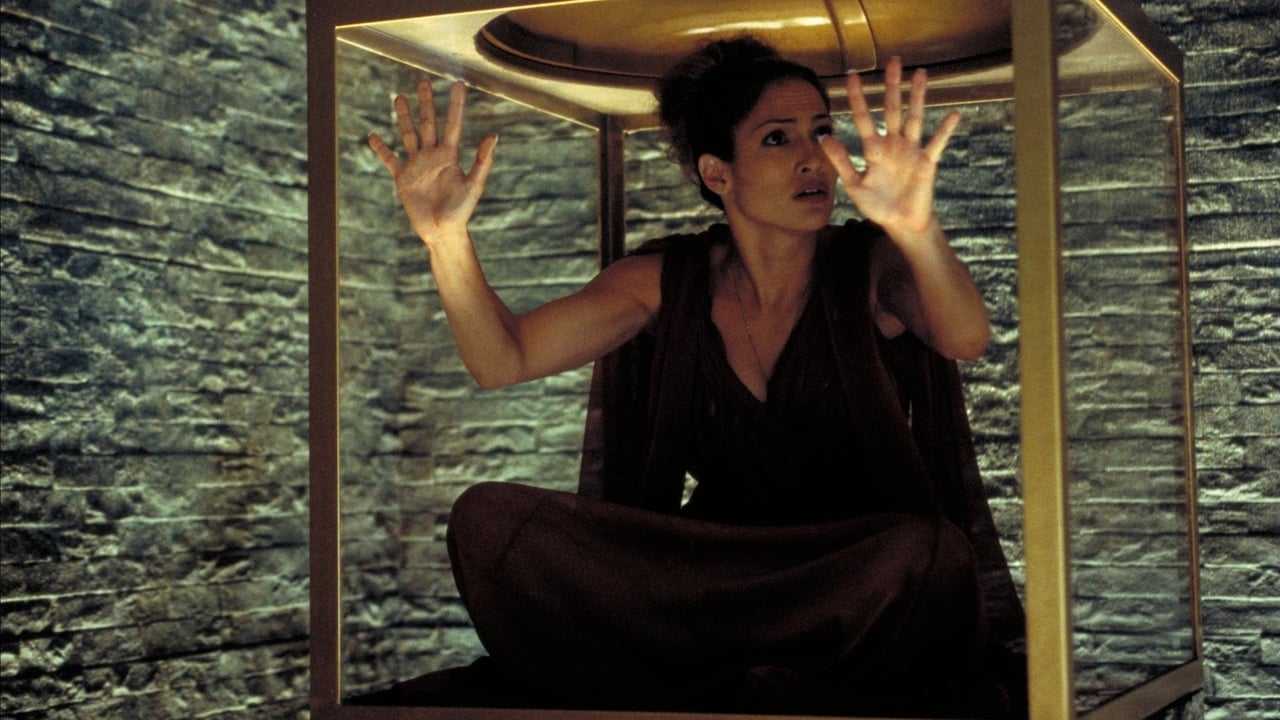
The casting here is such a time capsule of the year 2000. You have Jennifer Lopez right as she was transitioning from "respected indie actress" (Out of Sight) into the global "J.Lo" brand. She’s surprisingly grounded here, playing the empathy of the character with a softness that balances out the heavy-metal visuals. Then you have Vince Vaughn as the FBI agent Peter Novak. I love Vince Vaughn, but Vince Vaughn looks like he’s trying to remember if he left the stove on in every single scene. This was back when Hollywood was trying to make him a "Serious Leading Man" before Old School redirected his career toward comedy, and his presence here feels almost like a glitch in the Matrix.
The real MVP, however, is Vincent D'Onofrio. Long before he was Kingpin in the MCU, he was giving us a masterclass in physical transformation. He plays Stargher as both a terrifying predator and a broken, whimpering child. The way he moves in the "dream world"—regal, terrifying, and utterly alien—is what makes the horror feel earned rather than cheap.
Beyond the Screen: The $104 Million Dream
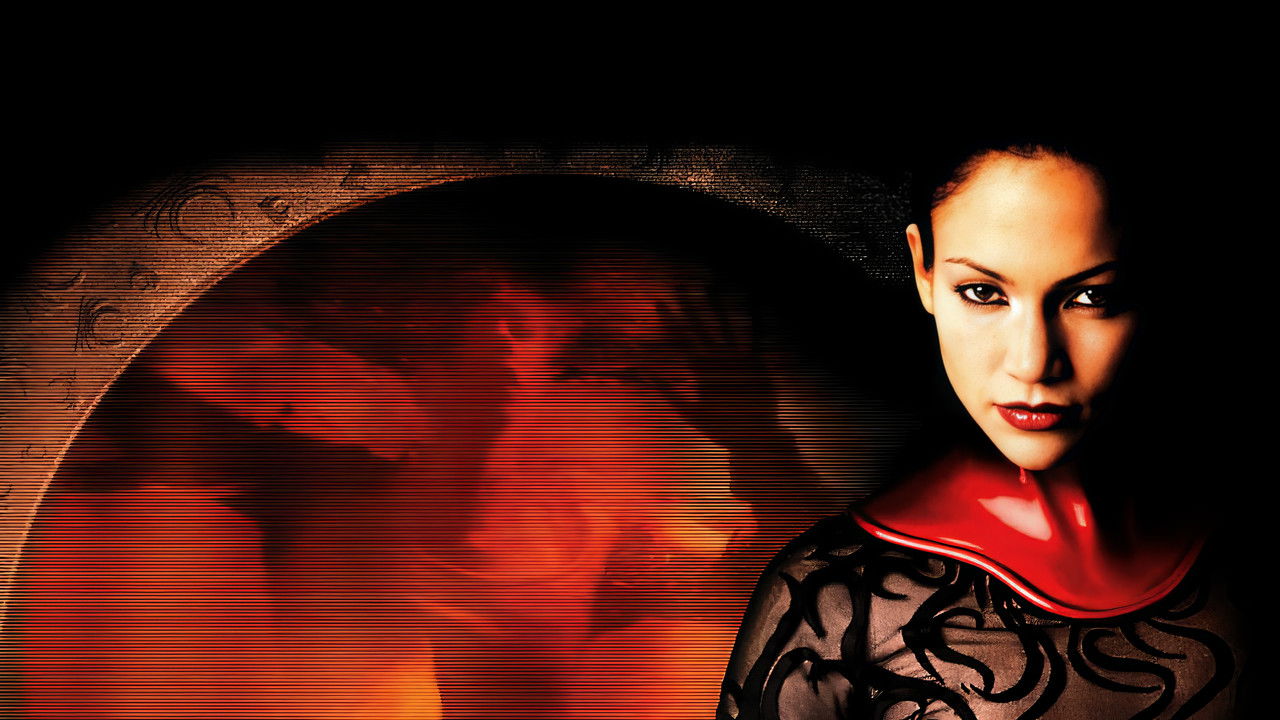
For a film that is essentially a high-art horror movie, The Cell was a massive commercial success. It pulled in over $104 million globally, proving there was a huge appetite for "elevated" horror before that was even a marketing term. A lot of that credit goes to the costume designer, Eiko Ishioka (who won an Oscar for Bram Stoker's Dracula). Her designs—like the stiff crimson collar J.Lo wears or the "King Stargher" cape—are the reason the film doesn't look like a dated Windows 98 screensaver today.

Apparently, Tarsem was so committed to the visual fidelity that he drew inspiration from real-world controversial art, specifically the works of Damien Hirst. That sliced horse I mentioned? That’s a direct nod to Hirst’s Some Comfort Gained from the Acceptance of the Inherent Lies in Everything. It’s that blend of high-brow art references and low-brow "save the girl" stakes that makes the movie such a fascinating watch. I ate a bag of those weirdly neon-orange circus peanuts while watching this, and the sugar crash coincided perfectly with the third-act descent into the basement; I highly recommend the experience.
While the police procedural elements of the plot are as thin as a piece of tracing paper, The Cell succeeds because it dares to be beautiful and hideous at the same time. It’s a film that respects the power of the image over the power of the script. In an era where many thrillers were satisfied with being dim and rainy, Tarsem gave us a world of saturated reds, terrifying gold leaf, and psychological dread that lingers long after the credits roll. It’s a reminder that even the darkest corners of the mind can be stunning if you have the right lighting.

Keep Exploring...
-

Village of the Damned
1995
-
Lake Placid
1999
-

28 Days Later
2002
-
Land of the Dead
2005
-
Species
1995
-
I Know What You Did Last Summer
1997
-

Resident Evil
2002
-
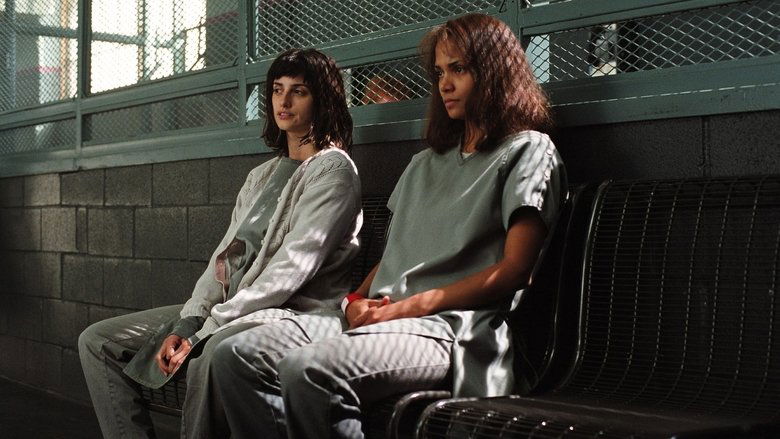
Gothika
2003
-
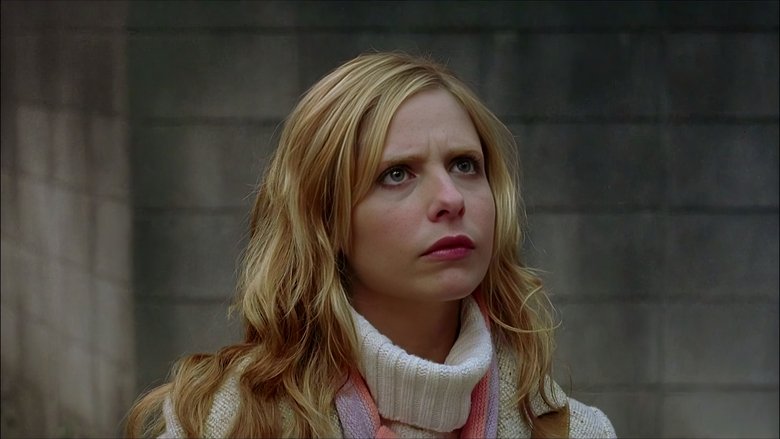
The Grudge
2004
-
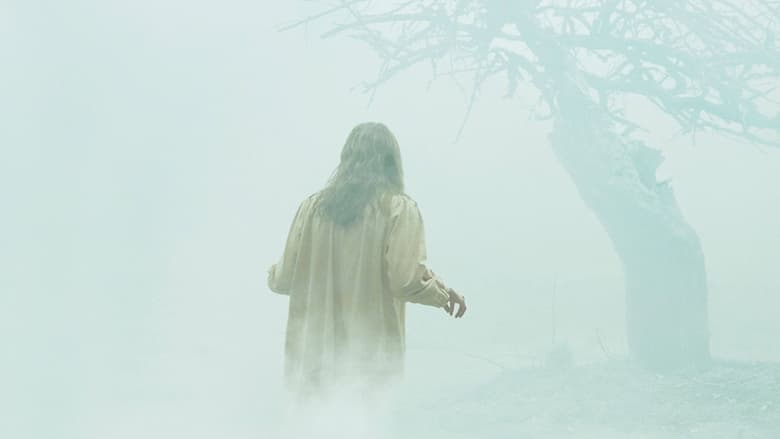
The Exorcism of Emily Rose
2005
-
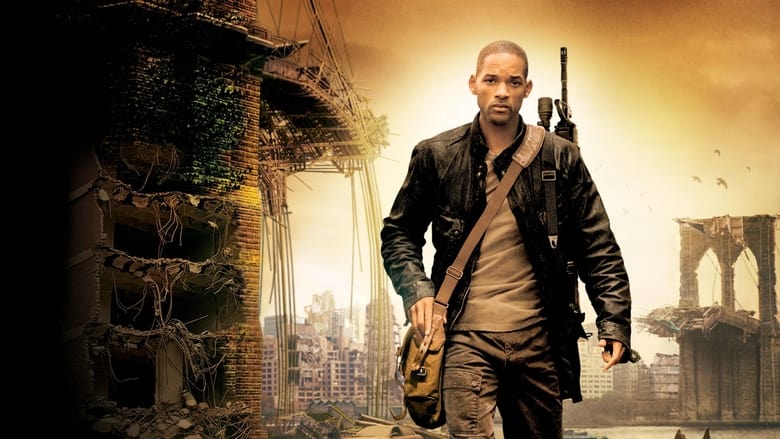
I Am Legend
2007
-

The Mist
2007
-
Quarantine
2008
-
Pandorum
2009
-

Dreamcatcher
2003
-
Outbreak
1995
-
Armageddon
1998
-

Jurassic Park III
2001
-
Planet of the Apes
2001
-

Signs
2002