The Crimson Rivers
"In the shadows of the Alps, the truth is frozen."
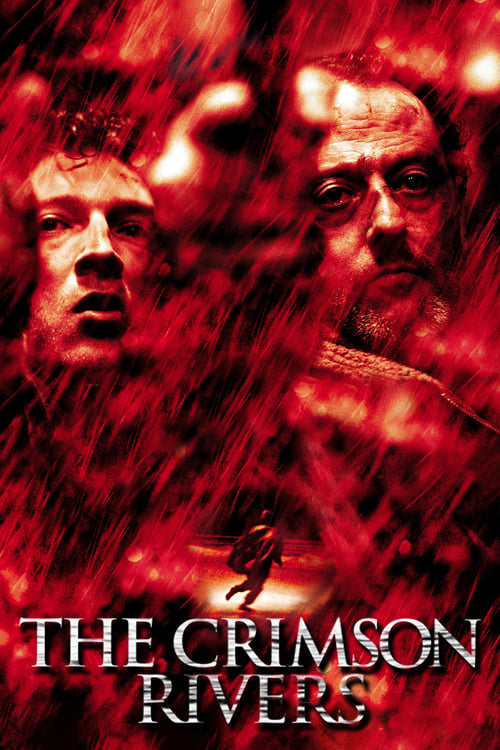
Imagine David Fincher moved to the French Alps, traded his coffee for a strong espresso, and decided to see exactly how much gore he could get away with on a shoestring budget. That is the energy radiating from The Crimson Rivers (Les Rivières Pourpres). Released in late 2000, right as the world was breathing a sigh of relief that Y2K hadn’t triggered a digital apocalypse, this film felt like a bridge between the gritty, rain-soaked noir of the 90s and the slicker, more ambitious European thrillers of the new millennium. It’s a movie that smells like damp wool, old library books, and cold mountain air.
The Budget-Stretching Wizardry of Kassovitz
What strikes me most looking back at this film is the sheer audacity of its production. The provided budget for this film was a lean $2.3 million. In Hollywood terms, that wouldn't even cover the catering on a mid-level action flick, yet director Mathieu Kassovitz—who had already shocked the world with the black-and-white urban firecracker La Haine (1995)—manages to make this look like a $50 million blockbuster. He avoided the trap of "indie-shabbiness" by leaning into the natural, terrifying scale of the French Alps.
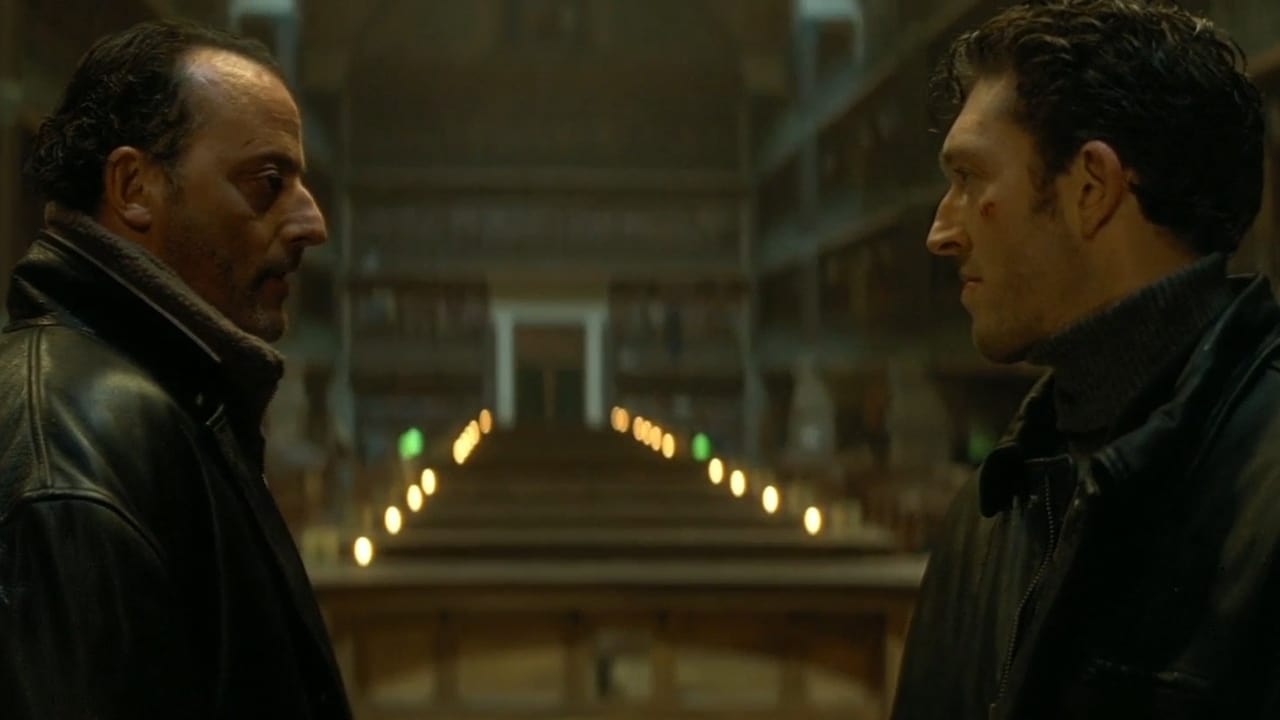
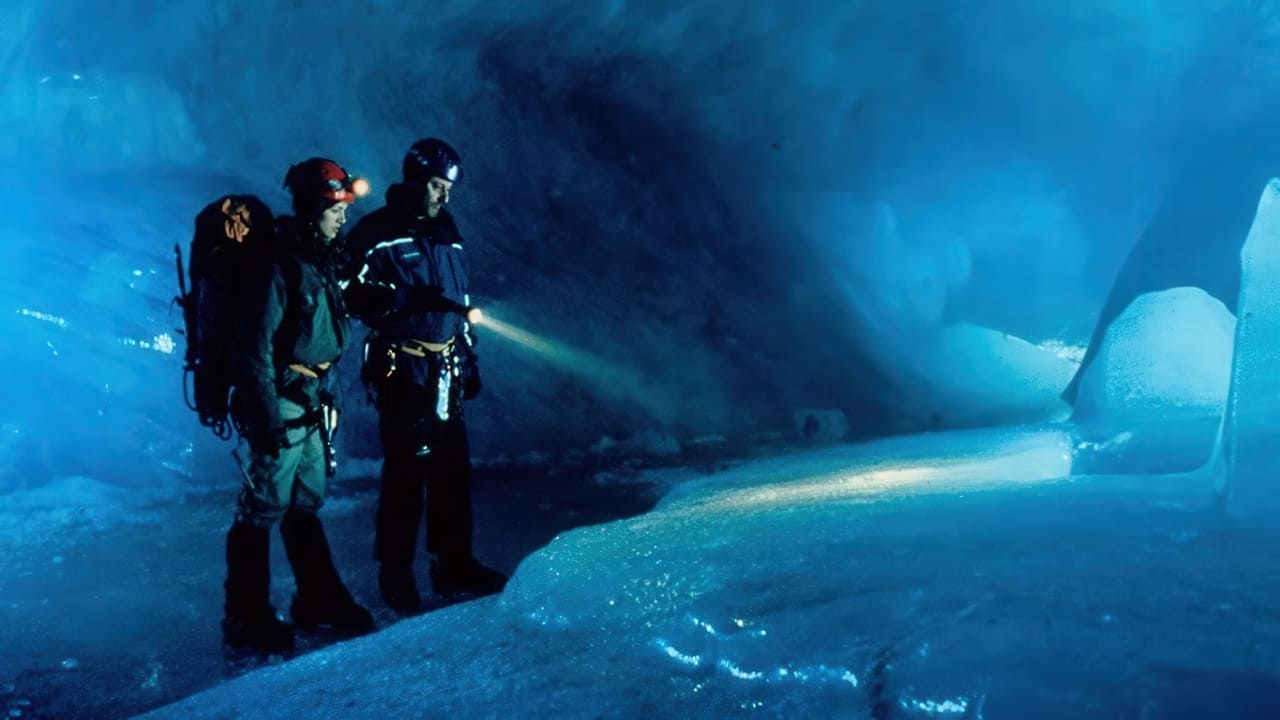
Instead of expensive sets, he used the imposing, brutalist architecture of real mountain universities and the jagged, claustrophobic ice caves of the glaciers. This was indie filmmaking with a "go big or go home" mentality. It’s basically a high-art slasher movie disguised as a police procedural. Kassovitz used his limited funds to buy atmosphere, opting for a widescreen cinematic look that felt massive, even when the actual resources were tight. I watched this most recently on a laptop with a dying battery while sitting in a beanbag chair that was slowly leaking its polystyrene guts across my floor, and even on a small screen, the scale of the cinematography by Thierry Arbogast (the man behind the look of The Fifth Element) felt enormous.
A Masterclass in Mismatched Chemistry
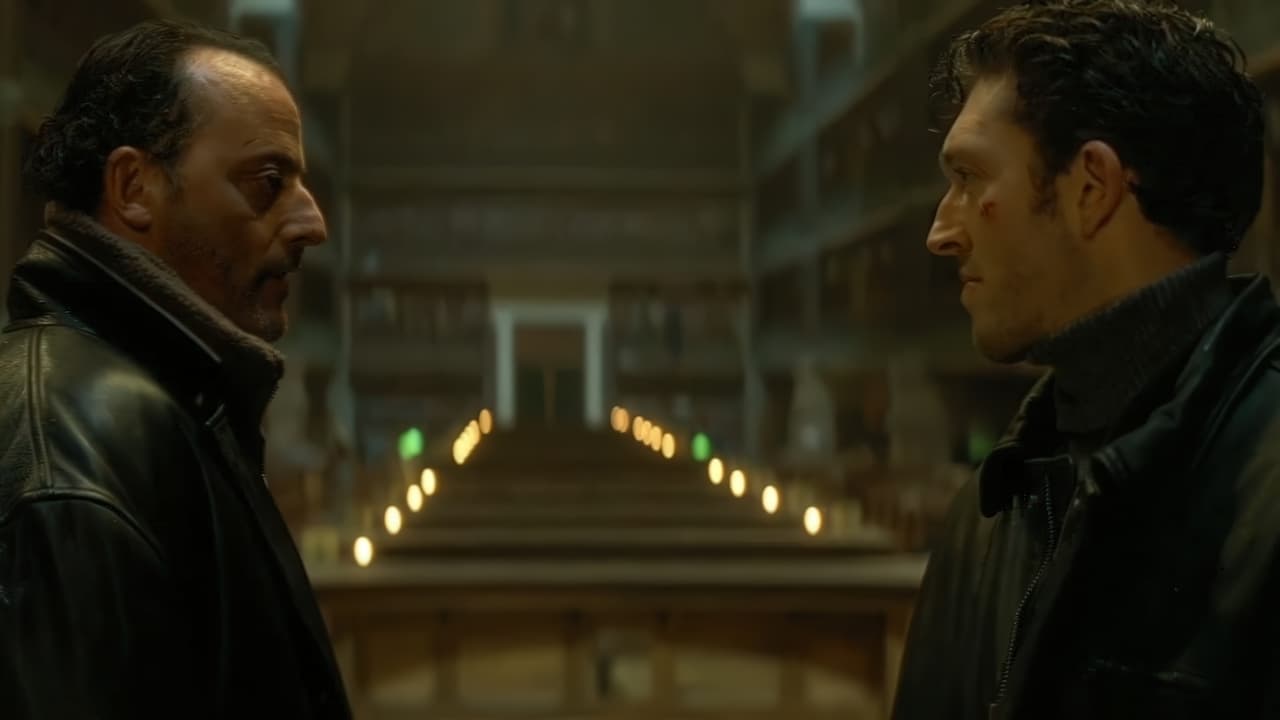
The film follows two parallel investigations that inevitably collide. Jean Reno plays Pierre Niemans, a legendary detective with a fear of dogs and a face that looks like it was carved out of a very tired mountain. Reno is the ultimate anchor here; he brings that weary, "Leon" energy but carries it with the authority of a man who has seen too many bodies. On the other side of the mountain, we have Vincent Cassel as Max Kerkerian, a street-wise cop investigating the desecration of a child’s grave.
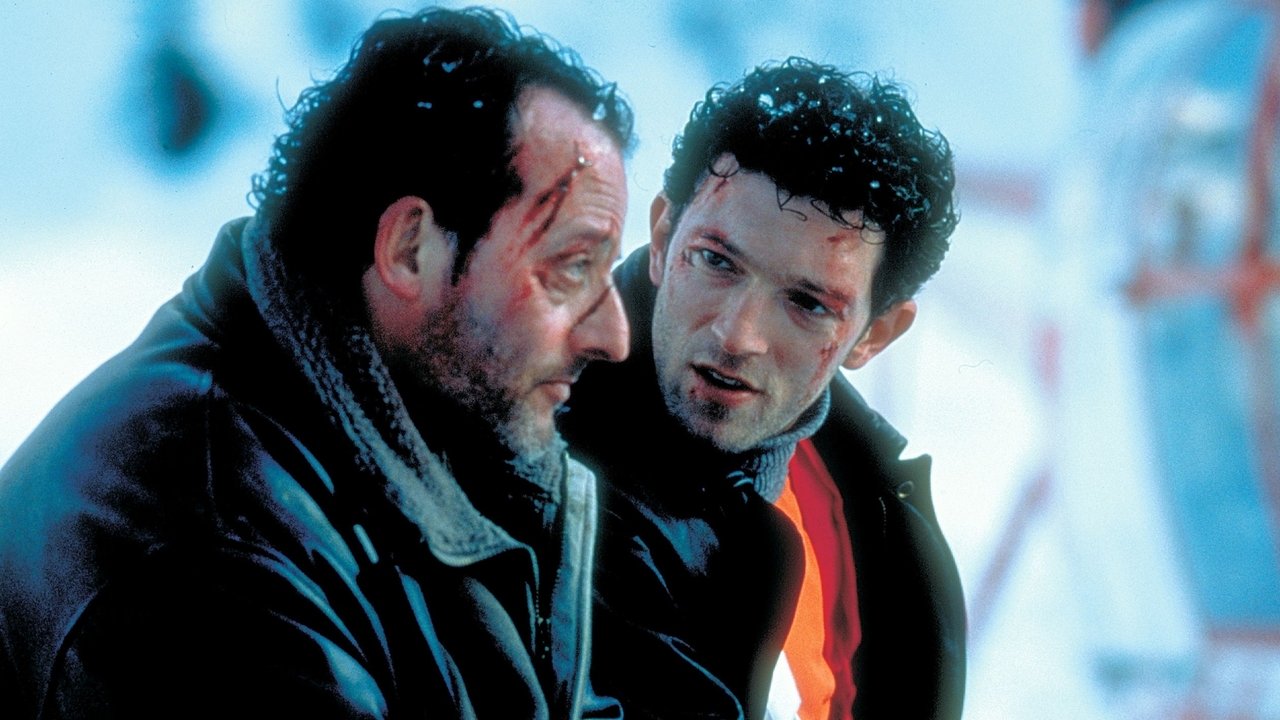
Cassel is the lightning to Reno’s thunder. Fresh off his breakout years, he’s a ball of kinetic energy, wearing a leather jacket that looks two sizes too small and sporting a haircut that screams "I don't have a mirror." Their chemistry is what saves the film when the plot starts to veer into the absurd. There’s a specific scene where Cassel’s character gets into a fight with a group of skinheads—a sequence that Vincent Cassel reportedly trained intensely for to ensure the choreography looked "street" rather than "staged"—which feels like it belongs in a different movie entirely. Yet, somehow, it works. The film thrives on these jagged edges.
The Peak of the DVD Era
For those of us who grew up during the DVD boom of the early 2000s, The Crimson Rivers was a staple of the "Foreign Language" section at Blockbuster. It was the kind of movie you’d buy on a "2 for $20" deal because the cover looked cool, only to be blown away by the fact that the French were doing Fincher-style dread better than almost anyone else at the time. The DVD release was a treasure trove of behind-the-scenes footage, showing how they filmed the gruesome discovery of the first body—suspended high on a cliff face—using practical prosthetics that still look more convincing than the CGI blood we get in modern streaming originals.
The script, co-written by the original novelist Jean-Christophe Grangé, leans heavily into the dark secrets of a secluded mountain elite. It touches on themes of eugenics and institutional corruption that feel genuinely uncomfortable. While the third act goes slightly off the rails (the ending is notoriously rushed), the journey there is so thick with tension that you’re willing to forgive a few leaps in logic. Nadia Farès also deserves a nod for her role as Fanny Ferreira, a mountain climber caught in the middle; she holds her own against the Reno-Cassel powerhouse duo, providing the necessary emotional weight to the increasingly bizarre mystery.
The Crimson Rivers is a reminder of a time when European cinema was aggressively trying to beat Hollywood at its own game while maintaining a uniquely grim, continental soul. It’s a film that prioritizes mood over absolute logic, and it’s better for it. It proved that Mathieu Kassovitz could handle a large-scale thriller without losing his edge, and it solidified the Reno-Cassel pairing as one of the great "what if" franchises that we should have seen more of.
If you’re looking for a mystery that feels like a cold plunge into an icy lake, this is it. It’s a masterclass in using location as a character and a testament to what a visionary director can do with a small budget and a lot of ambition. Just maybe skip it if you have a thing about libraries—this movie makes research look like a contact sport.
Keep Exploring...
-
Irreversible
2002
-
High Tension
2003
-

The Girl Who Kicked the Hornet's Nest
2009
-

The Girl Who Played with Fire
2009
-
Marshland
2014
-

Revolver
2005
-
Copycat
1995
-
The Net
1995
-
Primal Fear
1996
-

The Long Kiss Goodnight
1996
-
Breakdown
1997
-
Kiss the Girls
1997
-
L.A. Confidential
1997
-
Snake Eyes
1998
-
8MM
1999
-
Arlington Road
1999
-
The Bone Collector
1999
-
The General's Daughter
1999
-
Along Came a Spider
2001
-
The Pledge
2001