The Gift
"Justice is in the eye of the beholder."
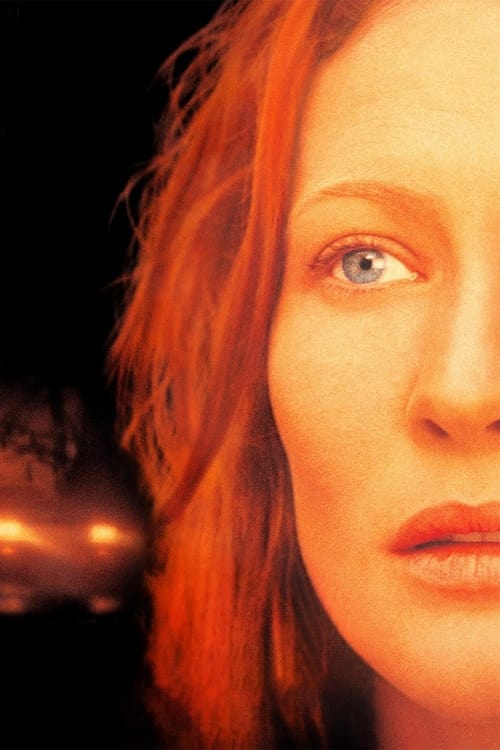
There is a specific kind of humidity that only exists in Southern Gothic cinema—the kind where you can practically feel the Spanish moss growing on the camera lens and the sweat pooling in the collar of a denim shirt. Released right at the tail end of the year 2000, Sam Raimi’s The Gift is a film drenched in that atmospheric dampness. It arrived at a weird crossroads in cinema history: Raimi was pivoting from his cult-horror roots toward the mega-budget machinery of Spider-Man (2002), and the world was still reeling from the twist-ending fever sparked by The Sixth Sense.
I watched this recently on a scratched DVD I bought for three dollars at a library sale, and the disc came in a case that still smelled faintly of a damp basement. Honestly, that mildewy scent was the perfect sensory accompaniment to a movie that spends half its runtime lurking in the Georgia backwoods.
A Supernatural Gumbo in the Peach State
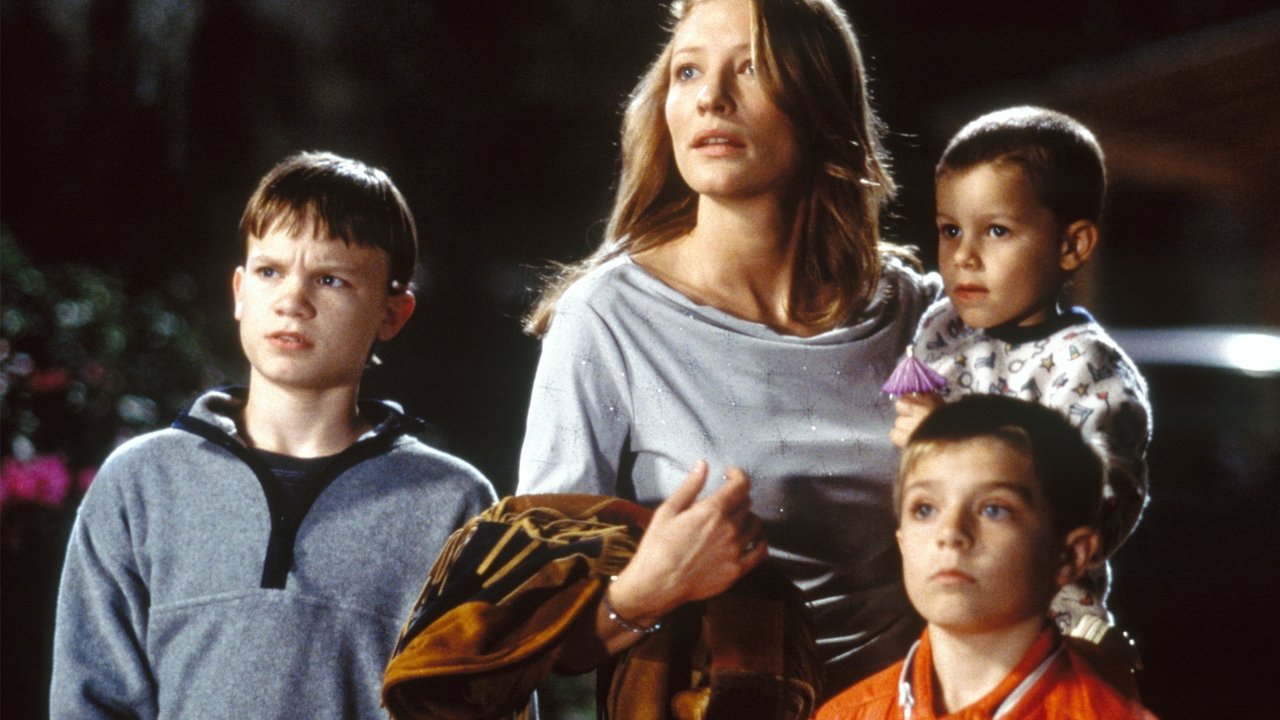
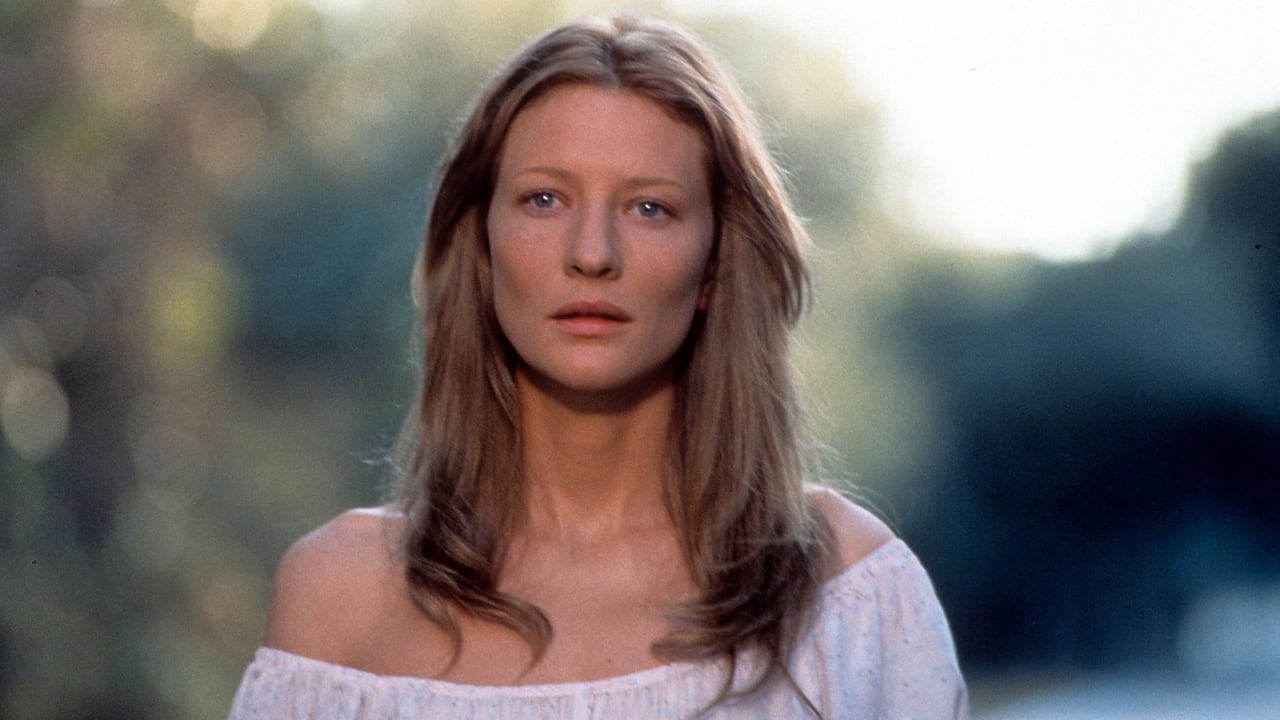
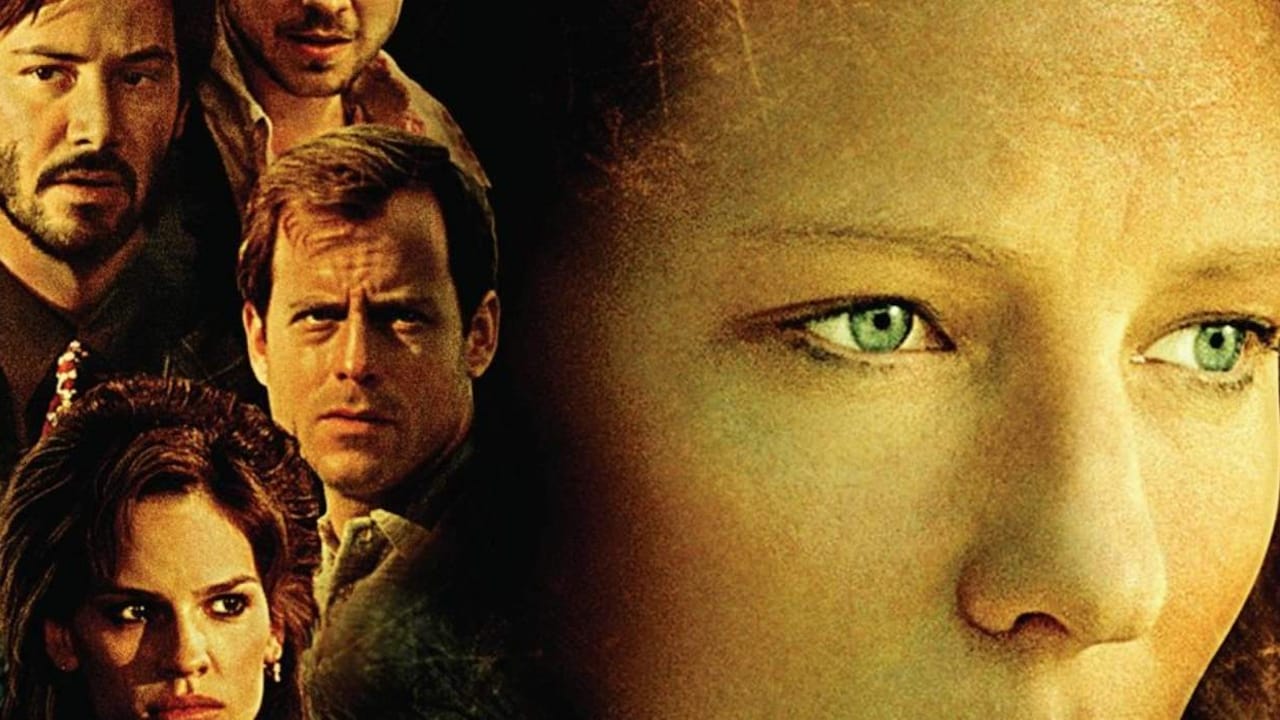
The setup feels like a classic noir transposed to a swamp. Cate Blanchett plays Annie Wilson, a widow with three kids and a "gift" for reading cards that makes her the town’s unofficial therapist and pariah. When a local socialite, played by a shimmering Katie Holmes, goes missing, Annie’s psychic visions become the only roadmap to a body at the bottom of a pond.
What strikes me looking back is how grounded Blanchett keeps the whole affair. This was before she was an "Icon of Cinema" with two Oscars; she was still in that hungry, versatile stage of her career where she could play a vulnerable Southern mother without a hint of artifice. She treats the psychic elements not as a spooky superpower, but as a heavy, exhausting chore. It’s a performance that prevents the movie from tilting into B-movie camp, even when the plot starts throwing "haunted" chains and muddy ghosts at the screen.
The screenplay, co-written by Billy Bob Thornton and Tom Epperson, carries that specific grit Thornton brought to Sling Blade. There’s a lived-in texture to the dialogue that suggests these characters have been annoying each other in the same three bars for twenty years. It captures that "Modern Cinema" transition where indie-flavored scripts were still getting decent studio budgets before everything became a franchise.

The Unlikely Villainy of the Chosen One
The real shocker in the year 2000—and it holds up surprisingly well today—is Keanu Reeves. Fresh off the world-altering success of The Matrix, Reeves decided to play Donnie Barksdale, a wife-beating, racist, terrifyingly aggressive local thug. It is perhaps the only time in history where Keanu playing a villain is genuinely intimidating rather than just "Neo having a bad day." He trades his usual Zen-like stillness for a coiled, predatory energy that is genuinely unsettling.
Then you have Giovanni Ribisi as Buddy Cole, the local mechanic with a traumatic past and a flickering mental state. Ribisi is doing a lot here—twitching, weeping, and basically acting so hard he probably needed a Gatorade IV between takes—but in the hands of Raimi, it works. It adds to the film's sense of "Southern Uncanny." The cast is rounded out by Hilary Swank, Greg Kinnear, and Gary Cole, creating a bench of talent so deep it feels like a prestige HBO miniseries before those were a thing.
Raimi’s Restraint and the DVD Bin Legacy
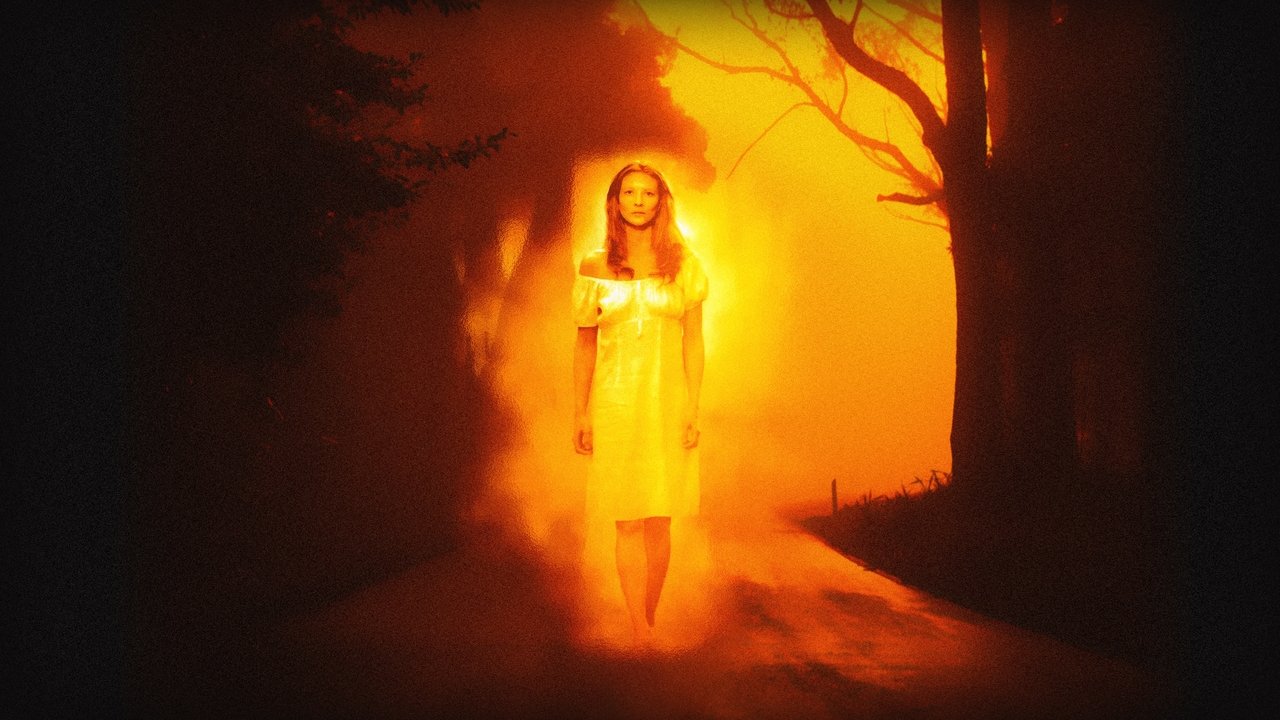
For those who grew up on Sam Raimi’s Evil Dead films, The Gift is a fascinating lesson in restraint. You still see his signature "force-o-cam" during Annie's nightmares—the camera rushing through the woods like an invisible predator—but he’s mostly interested in the dread of what’s not there. The horror here isn't about jump-scares; it's about the psychological weight of knowing a secret that could get you killed.
The film’s "The Only Witness" tagline was a clever marketing hook, but it also speaks to the era’s obsession with psychic thrillers. Looking back, The Gift feels like the more sophisticated, darker cousin to movies like Stir of Echoes or What Lies Beneath. It’s a film that benefited immensely from the DVD culture of the early 2000s. I remember the special features on these types of discs—the grainy "making-of" featurettes and the director commentaries that taught us more about film school than actual film school ever could.
The CGI for the ghostly apparitions hasn't aged perfectly—it has that slightly translucent, "early digital" sheen that was common before Weta and ILM perfected the craft—but Raimi’s use of practical lighting and sound design compensates for it. The creak of a swing set or the splash of water in a dark room does more work than any pixelated phantom.
While it doesn't reinvent the wheel, The Gift is a masterclass in atmospheric storytelling and casting against type. It’s the kind of mid-budget adult thriller that Hollywood has largely stopped making in favor of capes and sequels. If you’re looking for a moody mystery that feels like a humid night in the Georgia woods, this is a "gift" worth unwrapping. Just don't blame me if you start seeing things in the shadows of your own basement.
Keep Exploring...
-
A Simple Plan
1998
-
What Lies Beneath
2000
-
The Quick and the Dead
1995
-
Inland Empire
2006
-
Untraceable
2008
-
The Skeleton Key
2005
-
Basic
2003
-
Courage Under Fire
1996
-
Breakdown
1997
-
Kiss the Girls
1997
-
Wild Things
1998
-
Arlington Road
1999
-

Stir of Echoes
1999
-
Gosford Park
2001
-
Joy Ride
2001
-
Original Sin
2001
-
The Pledge
2001
-
The Mothman Prophecies
2002
-
The Forgotten
2004
-
The Jacket
2005