The Legend of Bagger Vance
"Find your swing, even if it’s lost in the weeds."
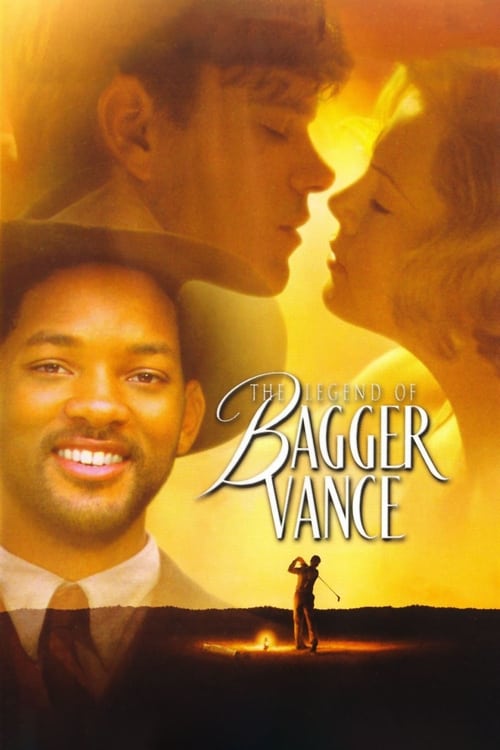
There is a specific kind of "prestige" film from the turn of the millennium that feels like it was shot entirely through a filter of liquid gold and expensive bourbon. It’s that early 2000s Robert Redford aesthetic—lush, earnest, and deeply convinced that if you stare at a landscape long enough, you’ll find the meaning of life. I recently revisited The Legend of Bagger Vance while eating a bowl of slightly burnt popcorn in a chair that desperately needs a new spring, and I realized that this movie is the cinematic equivalent of a high-end golf resort: beautiful to look at, incredibly quiet, and arguably unnecessary for anyone not already obsessed with the sport.
The Zen of the Fairway
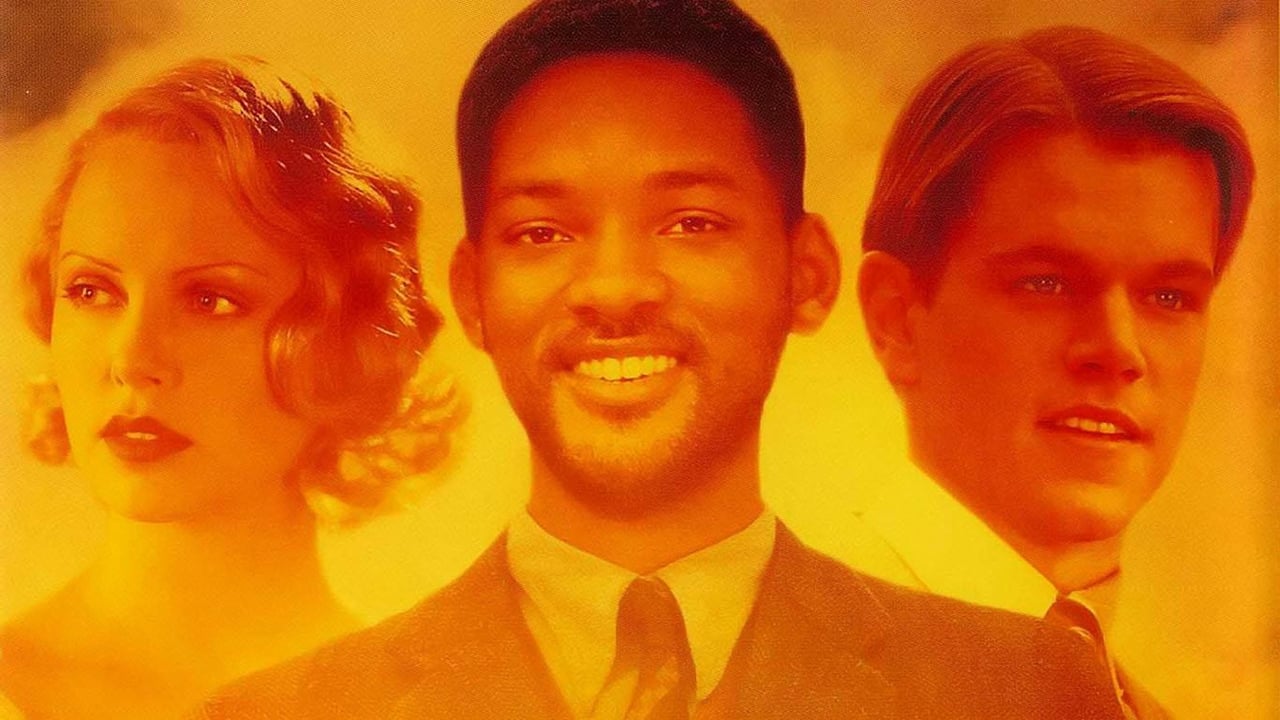
When this film landed in theaters, the hype was massive. You had Redford behind the camera, fresh off the success of The Horse Whisperer (1998), and a cast that looked like a "Most Beautiful People" issue of People magazine. Matt Damon plays Rannulph Junuh, a WWI veteran who returned to Savannah a broken man. He’s lost his "authentic swing"—a metaphor the movie beats like a drum—and spends his days playing poker and drinking away the trauma of the trenches.
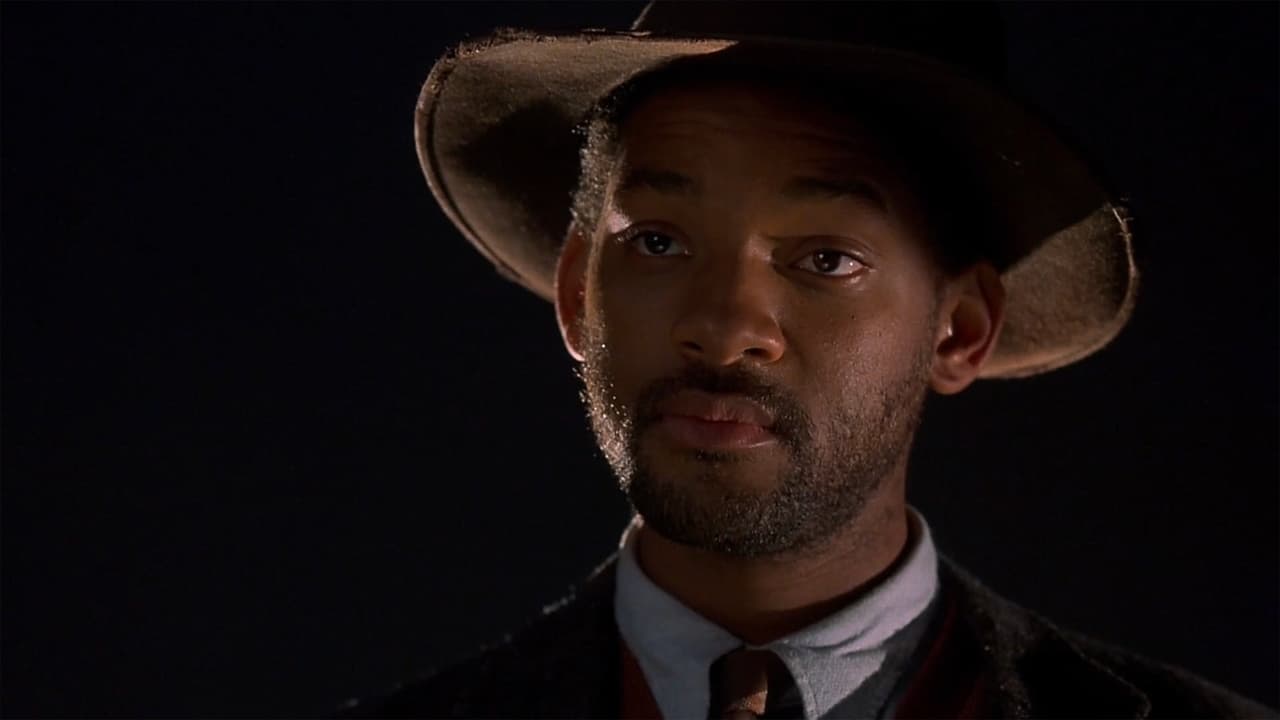
Then comes Adele Invergordon, played by a luminous Charlize Theron, who needs Junuh to play in a high-stakes exhibition match to save her father’s golf course. Enter Will Smith as Bagger Vance, a mysterious caddy who appears out of the night like a well-dressed ghost to guide Junuh back to greatness.
Redford directs this like he’s handling a sacred text. Every frame by cinematographer Michael Ballhaus (who did legendary work on Goodfellas) is stunning. The way the light hits the marshes of South Carolina makes you want to pack a bag and move there immediately. However, the pacing is... let’s call it "leisurely." It’s a movie that moves with the urgency of a turtle on a Sunday stroll. If you aren't in the mood for a slow-burn meditation on the "one true path," you might find yourself checking your watch by the 40-minute mark.
A Relic of Its Era
Looking back at The Legend of Bagger Vance today, it’s impossible not to address the "Caddy in the Room." The film has aged awkwardly due to its reliance on the "Magical Negro" trope, where Will Smith’s character exists solely to fix the white protagonist's life through mystical wisdom. It’s a recurring issue in 90s and early 2000s cinema (think The Green Mile), and here it feels particularly heavy-handed. Will Smith is undeniably charismatic—he’s arguably the most likable thing in the movie—but his character lacks any interior life of his own. He’s less a person and more a walking self-help book in a newsboy cap.
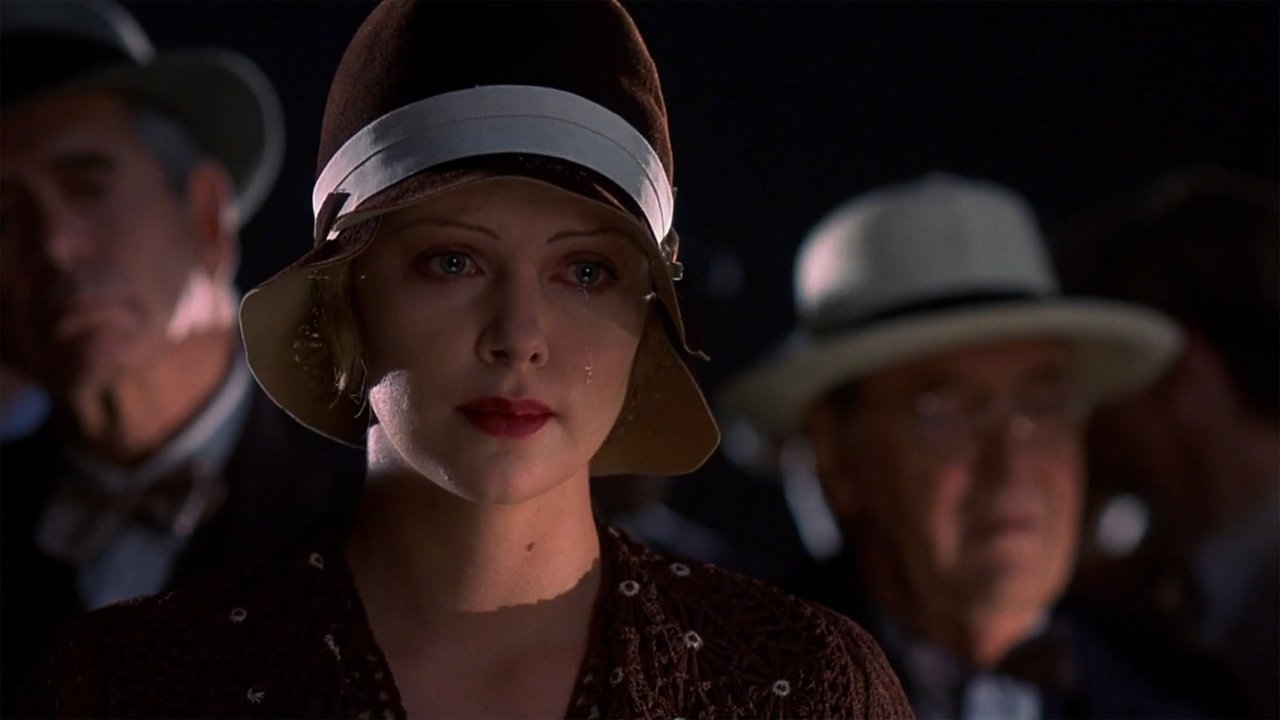
Still, the performances are solid for what they are. Matt Damon does "tortured and handsome" better than almost anyone, even if his golf swing looks a little stiff for a supposed legend. Charlize Theron handles a somewhat thin role with incredible poise, proving why she became a powerhouse shortly after in Monster (2003). And for the golf nerds, Bruce McGill and Joel Gretsch do fantastic jobs portraying real-life legends Walter Hagen and Bobby Jones. McGill in particular seems to be having the time of his life, playing Hagen as a man who would rather win a match while hungover than lose it sober.
Why It Vanished into the Rough
So, why don't we talk about this movie anymore? At the time, it was a massive financial gamble. With a budget of $80 million—an insane amount for a period-piece drama about golf—it needed to be a Titanic-level hit. Instead, it barely made back half its budget. It was caught in that weird Y2K transition where audiences were starting to crave the fast-paced spectacle of the early MCU or the grit of the Bourne franchise (which Damon would kick off just two years later).
The DVD era actually gave this film a second life for a while. I remember the special features highlighting how the actors trained for months to look like professional golfers. Apparently, Will Smith took the role because he was desperate to work with Redford, even though he knew nothing about golf. There’s a charming earnestness to the production that you don't see much today; it’s a mid-budget adult drama that actually got a theatrical release, which is a rarity in our current landscape of sequels and reboots.
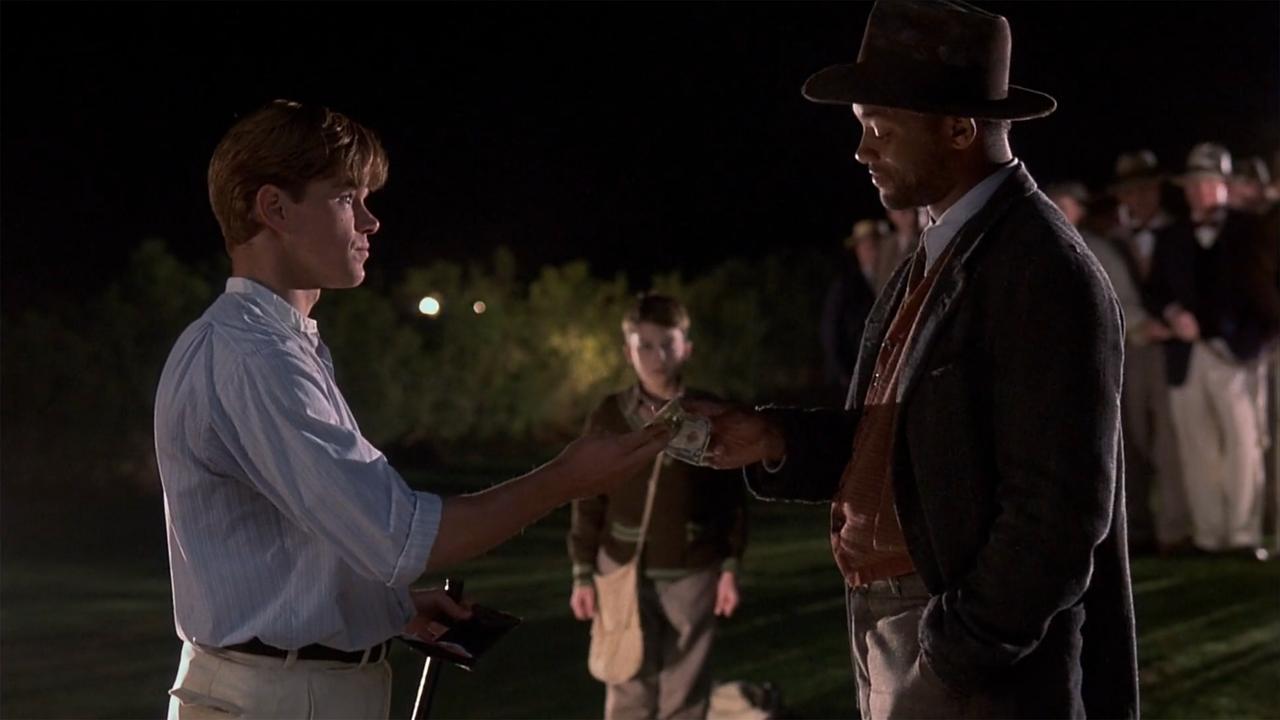
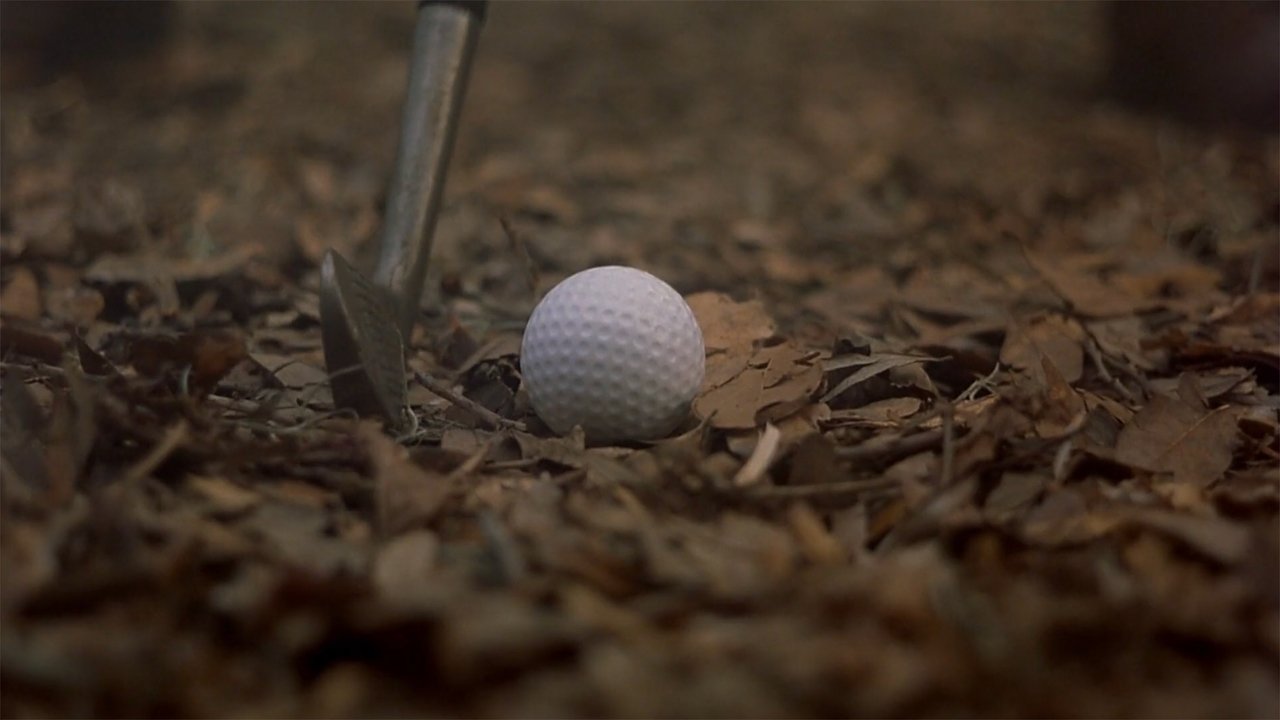
Despite its flaws, there is a sequence near the end where Junuh has to play a shot in the pitch black of night, guided only by the "feeling" of the course. It’s pure fantasy, but the combination of Rachel Portman’s soaring score and those deep, shadowy visuals is genuinely moving. It’s basically a three-hour Hallmark card with a higher budget than most small nations, but if you’re in the right headspace, it’s a pleasant enough way to kill a rainy afternoon.
Ultimately, The Legend of Bagger Vance is a film of "almosts." It’s almost a masterpiece of atmospheric drama, almost a profound philosophical statement, and almost a great sports movie. Instead, it’s a beautiful, well-acted curiosity that serves as a time capsule for a very specific moment in Hollywood history. If you can get past the dated tropes and the glacial pace, the scenery alone is worth the price of admission. Just don't expect to find your own "authentic swing" by the time the credits roll.
Keep Exploring...
-
The Horse Whisperer
1998
-
Winter's Tale
2014
-
Shallow Hal
2001
-
Hereafter
2010
-
City of Angels
1998
-
Meet Joe Black
1998
-
What Dreams May Come
1998
-
The Family Man
2000
-
Elizabethtown
2005
-
Just Like Heaven
2005
-
Just My Luck
2006
-
Across the Universe
2007
-
Ghost Town
2008
-

Phenomenon
1996
-
Sweet November
2001
-
Jersey Girl
2004
-

Ruby Red
2013
-

Sapphire Blue
2014
-
First Knight
1995
-
Lolita
1997