The Little Mermaid II: Return to the Sea
"The tail continues, but the parenting changes."
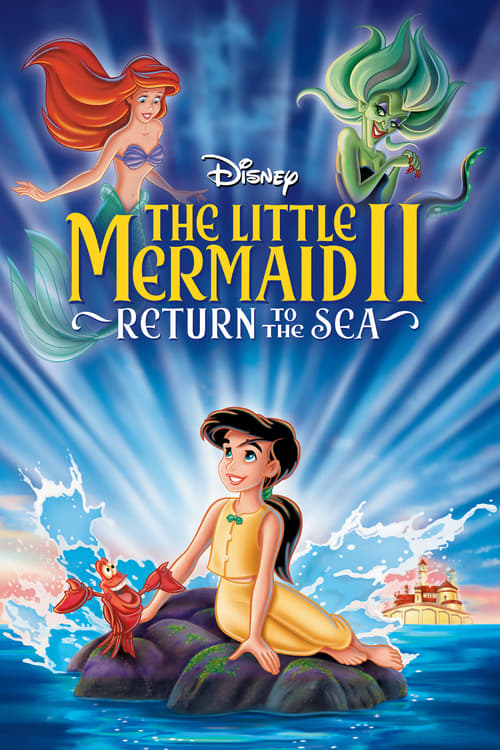
There was a specific kind of chaos in the year 2000—a strange cocktail of Y2K relief, the peak of the Britney Spears era, and the aggressive expansion of the Disney direct-to-video sequel empire. If you were a kid with a VCR or a brand-new DVD player back then, you didn’t care about "diminishing returns" or "thematic consistency." You just wanted to know what happened after the "happily ever after." Enter The Little Mermaid II: Return to the Sea, a film that essentially asks the question: "What if we just did the first movie again, but in reverse?"
I revisited this one recently while trying to fish a stubborn piece of popcorn out of my back molar with a toothpick, and the sheer, earnest simplicity of it hit me like a wave. It’s not the 1989 masterpiece that saved Disney animation, but it is a fascinating artifact of a time when the studio realized they could print money by turning their crown jewels into Saturday morning adventures.
The Ultimate Character 180
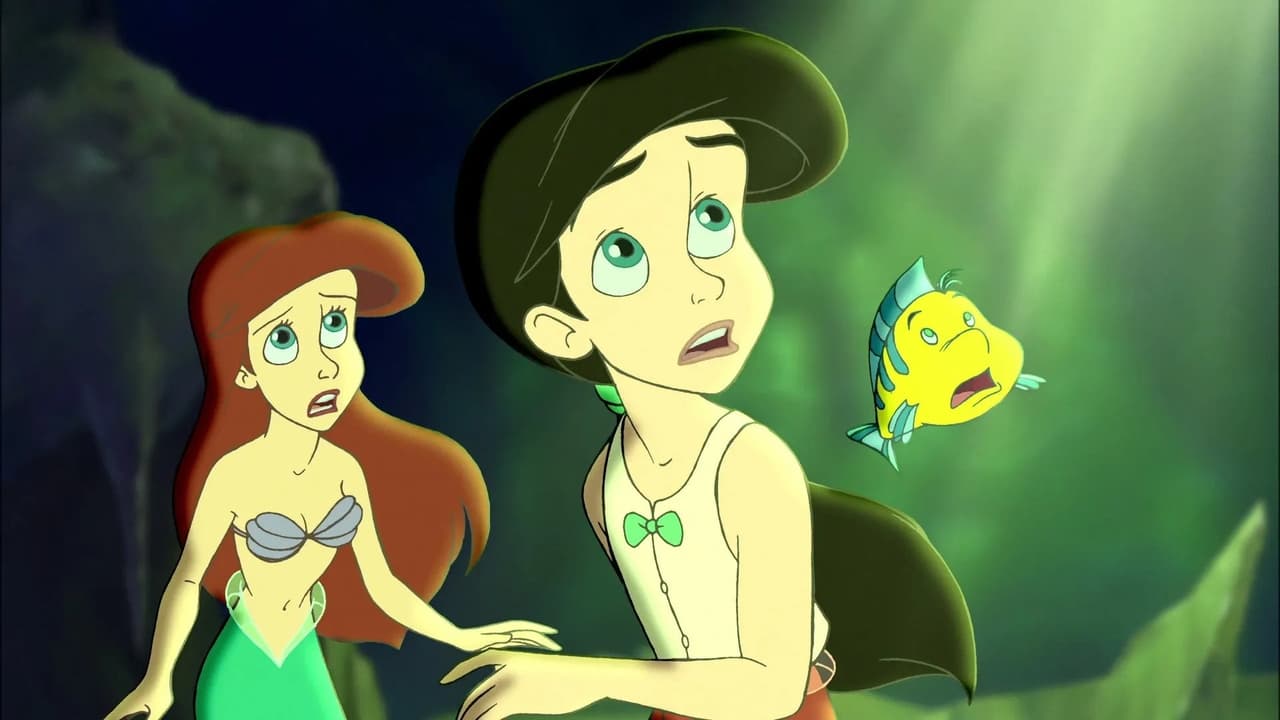
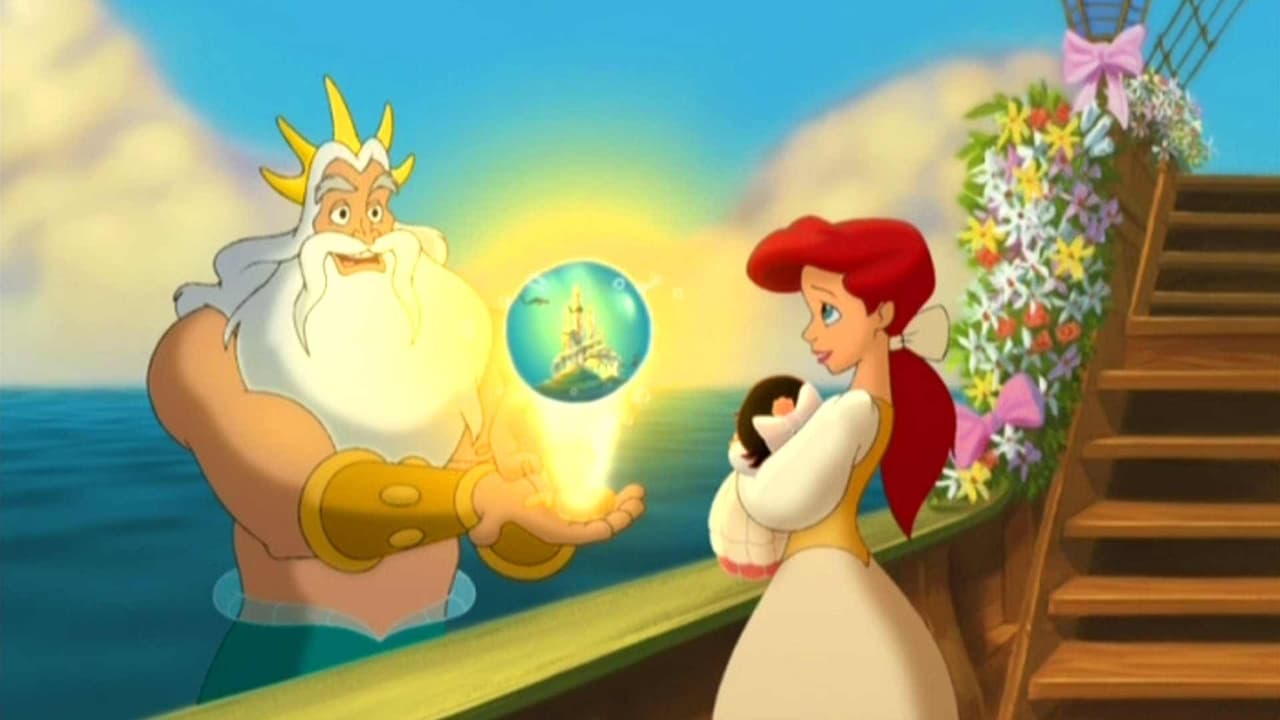
The most jarring thing about Return to the Sea isn't the shift in animation—it's Ariel herself. The girl who famously sang about wanting to be where the people are has spent the last twelve years building a massive, literal wall to keep the people away from the water. Seeing Jodi Benson return to voice an older, helicopter-parent version of Ariel is a trip. She has transitioned from the ultimate teenage rebel to a mom who is arguably more overprotective than King Triton ever was.
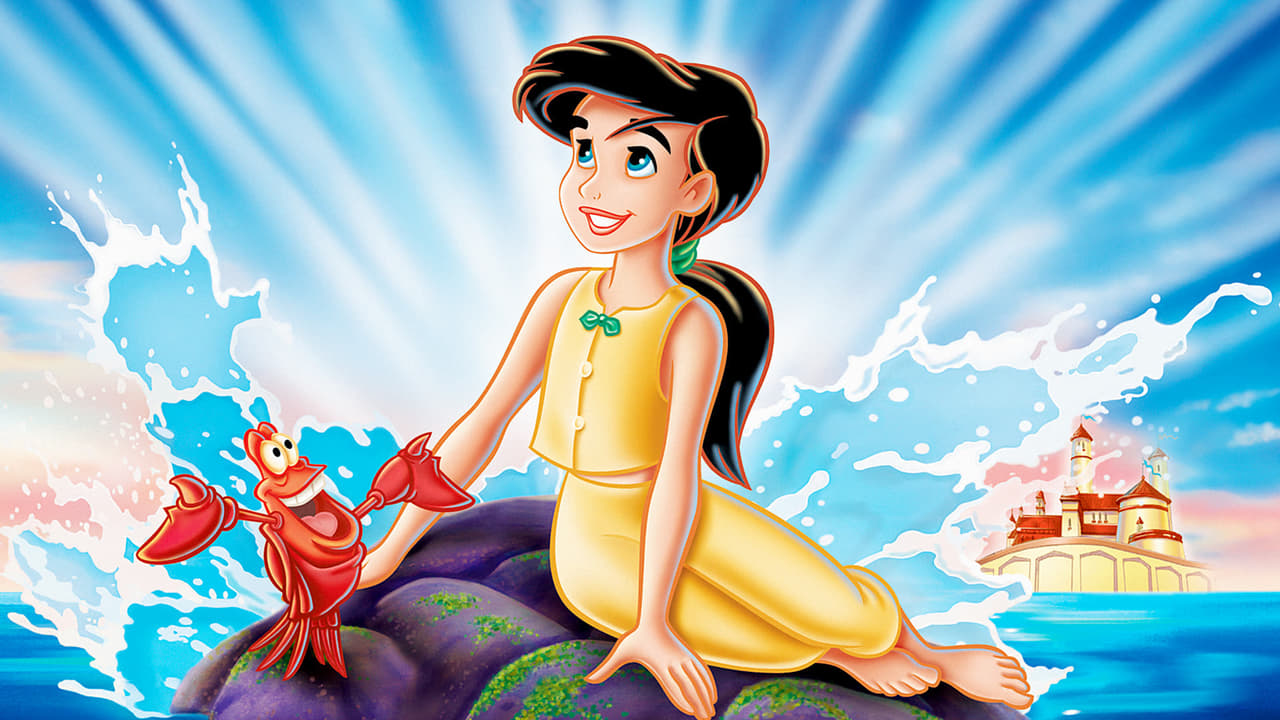
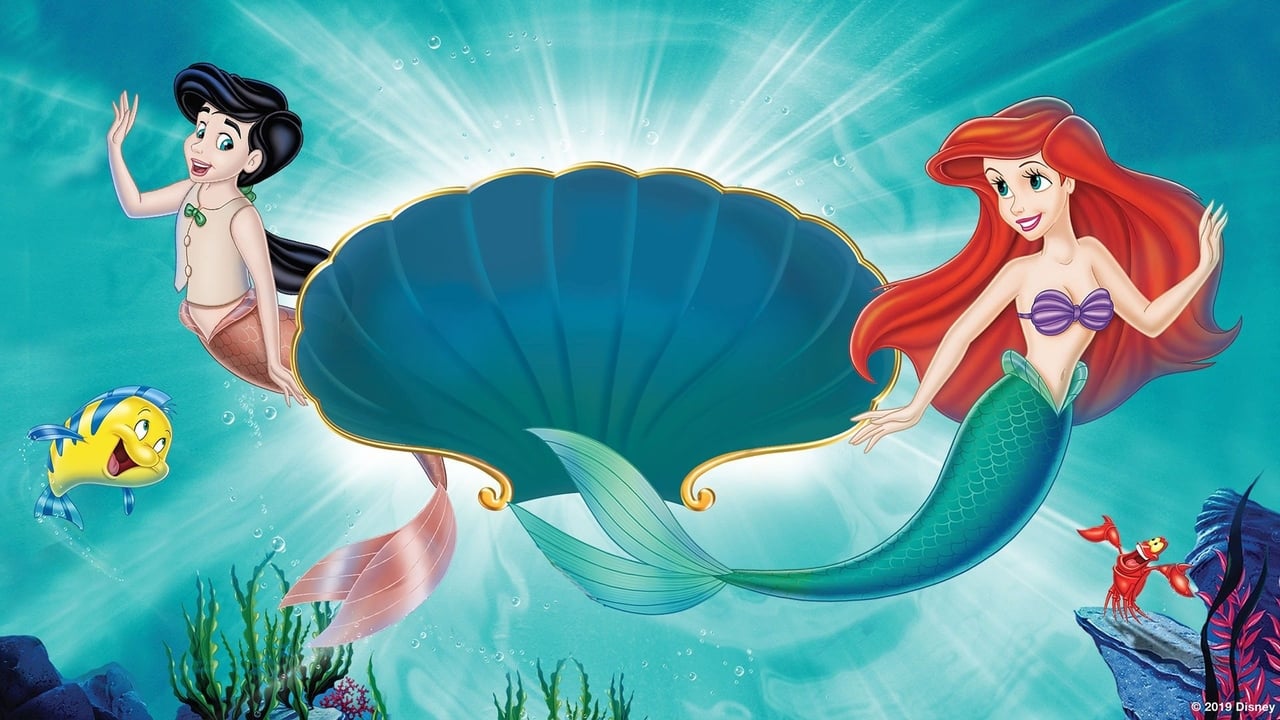
The plot follows Melody, voiced by the legendary Tara Strong (who you’ll recognize as basically every cartoon character from your childhood, including Timmy Turner and Bubbles). Melody is the anti-Ariel: she’s a human who desperately wants to be a mermaid. She spends her days sneaking past the sea wall to collect shells and talk to crabs, unaware of her heritage because Ariel thinks "the sea is too dangerous." Ariel building a wall to keep her daughter away from her own family is the most hilarious parenting fail in the Disney canon. It’s a total reversal of the original’s "grass is greener" theme, and while it’s a bit repetitive, Tara Strong brings a genuine, awkward teenage energy to Melody that makes you root for her.
Ursula Lite and the Penguin-Walrus Duo
Every great adventure needs a villain, but instead of the iconic Ursula, we get her sister, Morgana. Also voiced by the incomparable Pat Carroll, Morgana is essentially Ursula with an inferiority complex and fewer tentacles. She’s thinner, greener, and obsessed with the fact that her mother liked Ursula better. It’s a campy, slightly desperate performance that fits the direct-to-video vibe perfectly. She doesn't have the "Poor Unfortunate Souls" gravitas, but she’s fun to watch in a "substitute teacher trying to be edgy" sort of way.
Because this is an adventure film aimed squarely at the younger set, we also get the mandatory comedic sidekicks. This time, it’s Tip and Dash, a penguin and a walrus voiced by Max Casella and Stephen Furst. They are clearly trying to bottle the Timon and Pumbaa lightning, and while they aren't quite "Hakuna Matata" level, their "failed heroes" routine provides the bulk of the laughs. Their journey from cowards to slightly-less-cowards is the secondary engine of the film’s momentum, and it works well enough to keep the 75-minute runtime moving at a clip.
That 2000s Glow-Up (Or Glow-Down?)
Looking back at this era through the lens of modern digital animation is a wild experience. This was produced by DisneyToon Studios, the division responsible for taking theatrical hits and shrinking them down for the small screen. You can see where the budget was saved—the backgrounds are a bit flatter, and the lighting lacks that "CGI-assisted" shimmer that would soon take over the industry. However, there’s a hand-drawn warmth here that I honestly miss.
The DVD release of this film was a big deal at the time; I remember it being one of those "Special Editions" that touted "deleted scenes" which were really just storyboard pitches. It represents that transition period where Disney was figuring out how to market their legacy to a new generation through home media. The songs, handled by Danny Troob, are catchy enough, but they feel more like pop-infused B-sides than Broadway showstoppers. "For a Moment" is a decent duet between mother and daughter, though it’s no "Part of Your World."
What’s interesting about The Little Mermaid II is how it captures the "franchise mentality" before the MCU made it mandatory. It wasn't just a movie; it was a way to keep the brand alive. It’s a breezy, colorful adventure that doesn't demand much from you, making it the perfect "five-minute bus stop" movie. It lacks the operatic stakes of the original, but it makes up for it with a sense of playful familiarity.
At the end of the day, this is a comfort-food movie. It’s for the fans who just want to see Samuel E. Wright's Sebastian get stressed out one more time or see Kenneth Mars' King Triton be a giant softie. It doesn’t reinvent the wheel—or the fin—but it’s a harmless, occasionally witty adventure that proves even the greatest rebels eventually have to deal with a teenager who won't listen to them. It’s a minor note in the Disney symphony, but sometimes a minor note is exactly what you want to hear on a lazy Saturday afternoon.
Keep Exploring...
-
101 Dalmatians II: Patch's London Adventure
2003
-
The Little Mermaid: Ariel's Beginning
2008
-
Jimmy Neutron: Boy Genius
2001
-
Mickey, Donald, Goofy: The Three Musketeers
2004
-
Osmosis Jones
2001
-
Valiant
2005
-
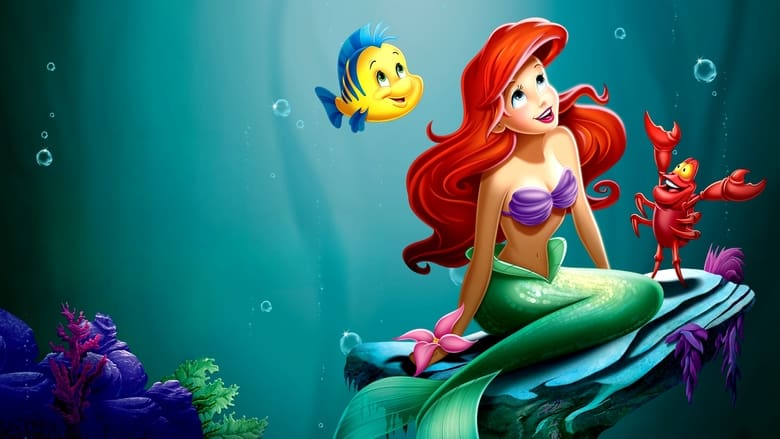
The Little Mermaid
1989
-
A Goofy Movie
1995
-
DuckTales: The Movie - Treasure of the Lost Lamp
1990
-

The Swan Princess
1994
-

The Ant Bully
2006
-
Shrek the Halls
2007
-
TMNT
2007
-
Open Season 2
2008
-
Toy Story That Time Forgot
2014
-

Sinbad: Legend of the Seven Seas
2003
-
The Lion King 1½
2004
-

Madagascar
2005
-
A Monster in Paris
2011
-

The Nut Job
2014