The Patriot
"Hell hath no fury like a father with a tomahawk."
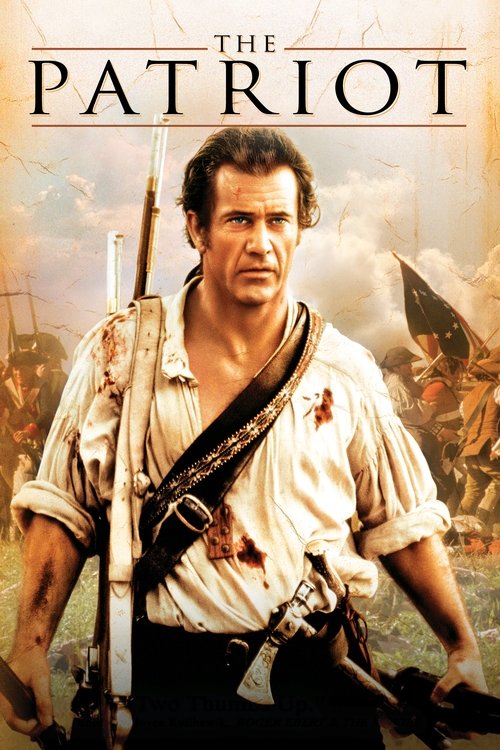
I remember exactly where I was when I first saw Benjamin Martin turn a trio of British soldiers into human mincemeat with a hatchet. I was sitting on a sagging beanbag chair, nursing a lukewarm Capri Sun, and feeling my jaw hit the floor. At the time, I didn't care about historical accuracy or the geopolitical nuances of the 1770s. I just knew that the guy from Lethal Weapon had gone full "ghost" in the woods, and it was the most terrifyingly awesome thing I’d ever seen.

Looking back from the vantage point of a world saturated by bloodless CGI battles, The Patriot (2000) feels like a curious relic of a very specific window in Hollywood history. It’s that brief moment when the "historical epic" was the industry’s favorite toy, fueled by the success of Braveheart and Gladiator. Directed by Roland Emmerich, the man who usually spends his time blowing up the White House in Independence Day or freezing the world in The Day After Tomorrow, this is a movie that treats the American Revolution not as a series of dry tax disputes, but as a high-stakes, high-octane slasher film where the killer is a grieving dad.
The Gospel of Gunpowder and Gore
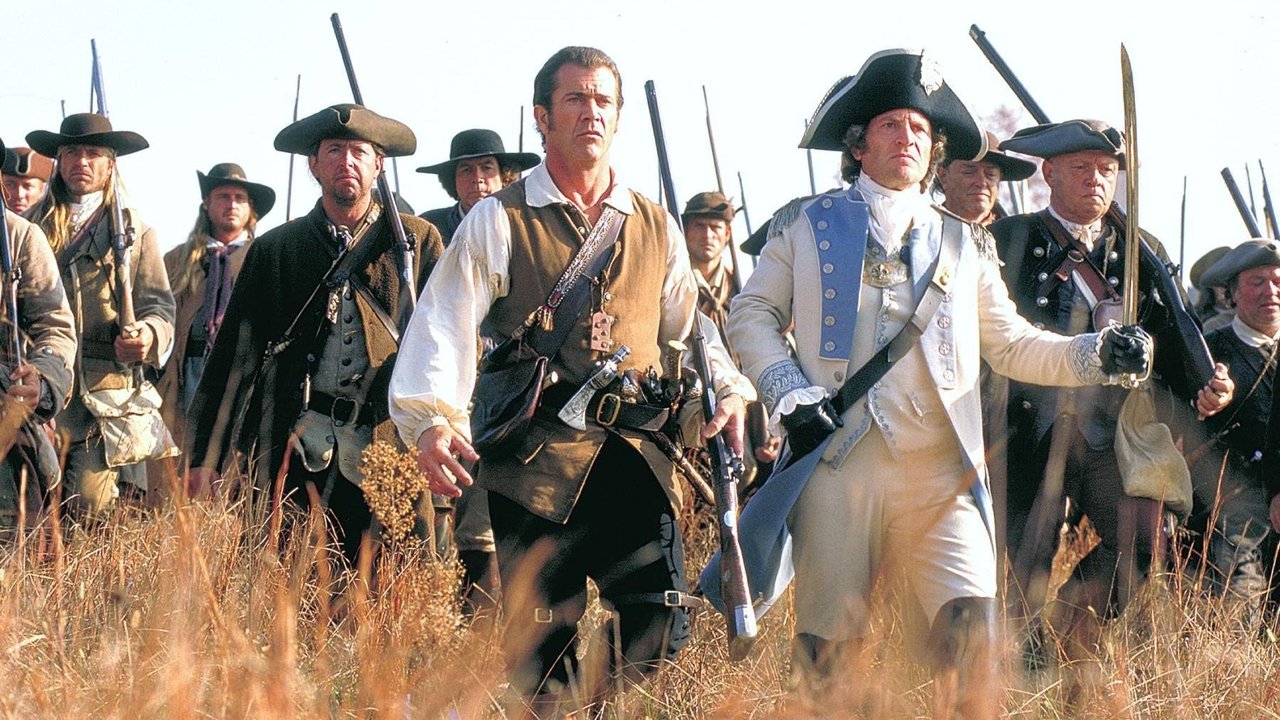
What strikes me most upon a rewatch is just how relentlessly grim this movie is willing to be. We often think of 2000s blockbusters as being "safe," but The Patriot has a mean streak a mile wide. When Mel Gibson (as Benjamin Martin) finally snaps after the death of his second son, the movie sheds its skin as a period drama and becomes a psychological study in trauma-induced rage. That forest ambush—the one where Martin uses his younger sons as snipers while he hacks his way through a squad of Redcoats—is staged with a frantic, desperate energy that still makes me wince.
The practical effects here are a masterclass in "show your work." You can feel the weight of the muskets and the literal dirt under the fingernails. I’ve always been a sucker for the way Emmerich and cinematographer Caleb Deschanel (who also shot The Passion of the Christ) capture the Carolina wilderness. It looks lush and inviting right up until a cannonball takes a man's head off. There's a sequence involving a bouncing cannonball in a field that I still find more effective than any 2024 digital explosion; it has a physical presence that makes you want to duck in your seat. My neighbor’s cat, Mr. Pickles, actually hissed at the screen during the Battle of Cowpens, likely because he’s a secret Loyalist, but also because the sound design of the musketry is incredibly sharp and intrusive.
A Villain You Love to Loathe
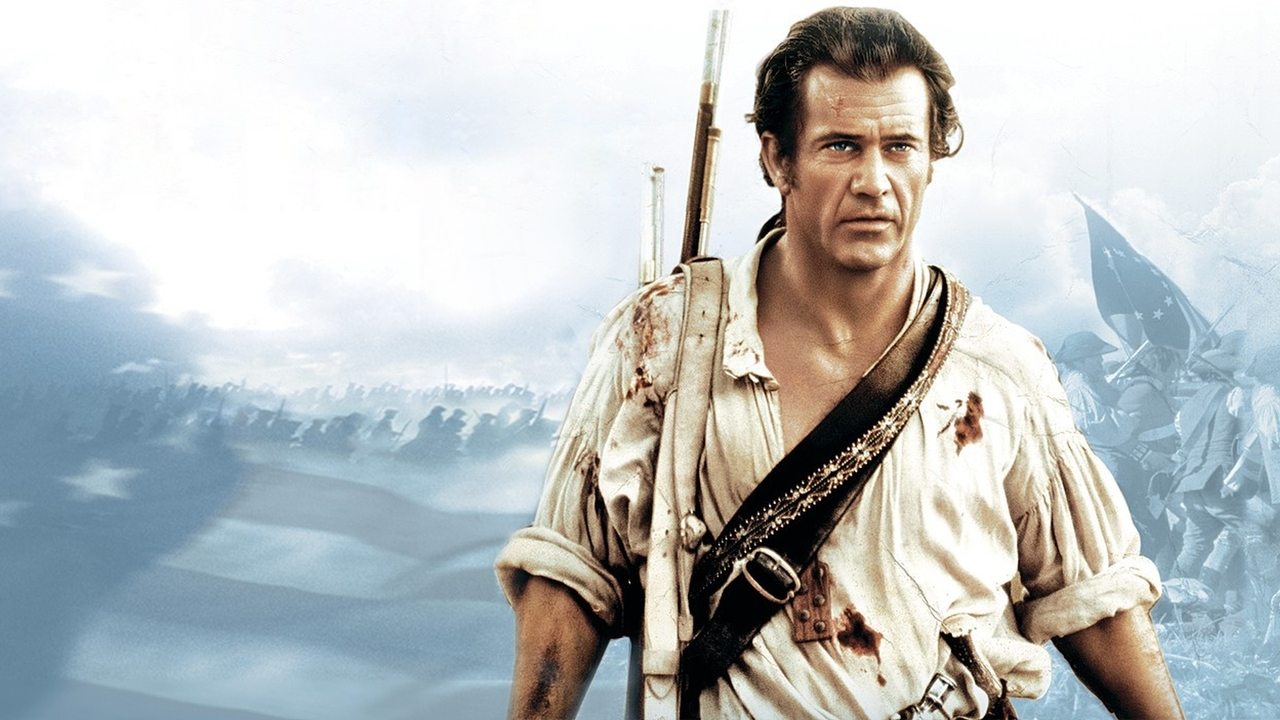
You cannot talk about this film without talking about Jason Isaacs. As Colonel William Tavington, Isaacs (whom many know as Lucius Malfoy from Harry Potter) delivers one of the most delightfully punchable performances in cinema history. He isn't just a soldier; he's a manifestation of aristocratic cruelty. The way he carries himself—shoulders back, a permanent sneer directed at the "colonials"—makes every scene he’s in feel dangerous.
The film sets up a classic "unstoppable force vs. immovable object" dynamic between Martin and Tavington. While the script by Robert Rodat (who also wrote Saving Private Ryan) takes some massive liberties with history—it essentially frames the British army as a proto-Nazi regime—it works within the context of the film’s heightened reality. When Tavington burns that church full of civilians, the movie stops being a history lesson and becomes a moral crusade. It’s manipulative, sure, but it’s effective. I found myself gripping the armrest of my couch so hard I think I left a permanent indent.
The heart of the film, however, belongs to a young Heath Ledger as Gabriel Martin. This was the role that proved he was more than just a teen heartthrob from 10 Things I Hate About You. He brings a quiet, earnest idealism that contrasts perfectly with Mel Gibson’s world-weary cynicism. Seeing them together now carries a heavy weight, knowing Ledger’s eventual trajectory, but their chemistry as father and son feels grounded and real amidst the chaos of exploding barns.
The DVD Era’s Greatest Historical Lie
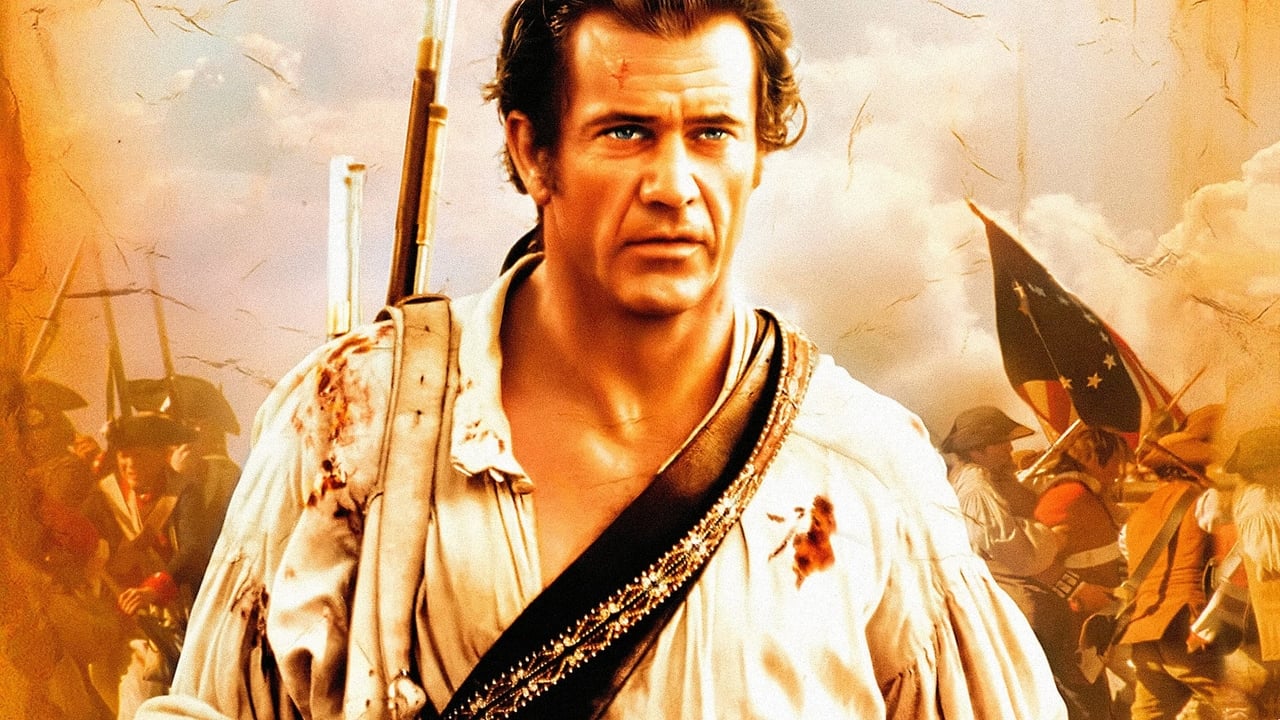
If you were a film fan in the early 2000s, The Patriot was a staple of the "Superbit" DVD collection. I remember pouring over the special features, fascinated by how they managed to coordinate 2,000 extras in period-accurate costumes. Apparently, Mel Gibson spent months training with a tomahawk expert to ensure his movements looked like second nature, which explains why he looks so terrifyingly comfortable with a blade in his hand.
Interestingly, the film’s most controversial scene—the church burning—was actually inspired by a real-life atrocity committed by the SS in Oradour-sur-Glane during WWII, not anything that happened in the American Revolution. It’s a classic Roland Emmerich move: take a real-world horror, crank it up to eleven, and drop it into a different century for maximum emotional impact. While historians have had collective heart attacks over this movie for twenty years, I think they’re missing the point. This isn't a textbook; it’s an opera played out with bayonets.
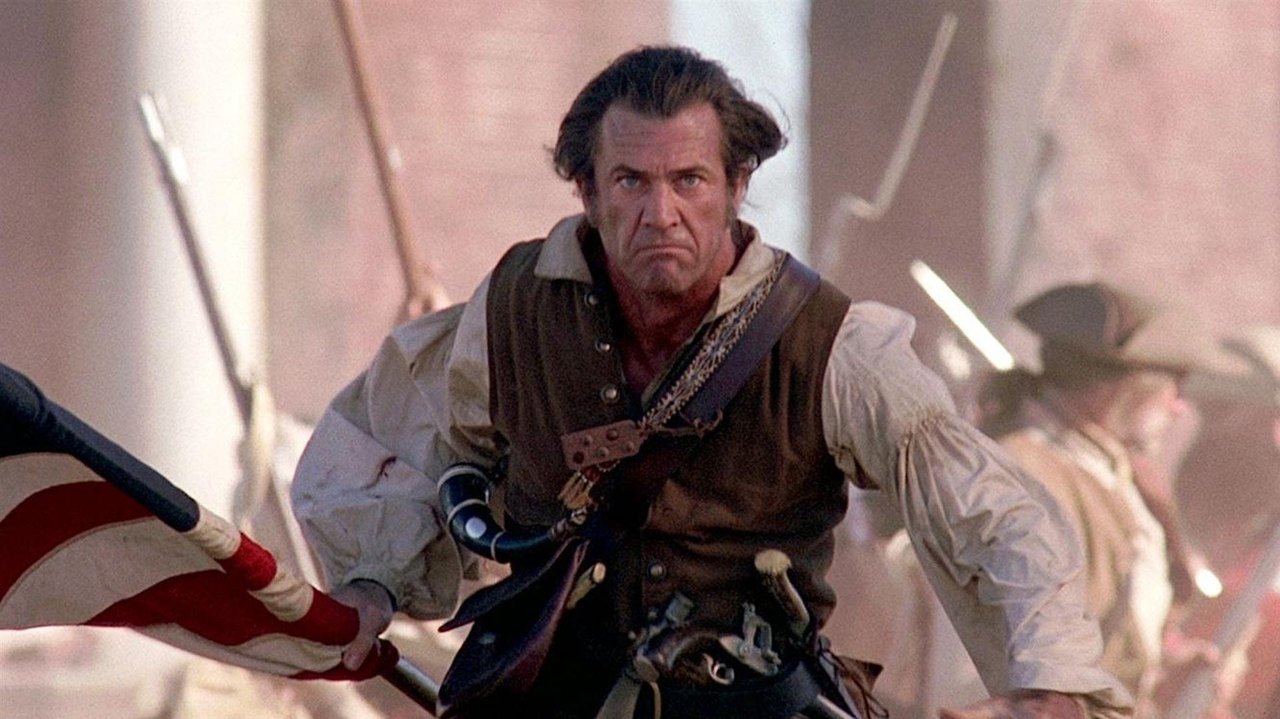
The film also captures a pre-9/11 sense of American identity that feels almost alien now—unabashedly patriotic, slightly naive, and deeply invested in the idea of the "citizen-soldier." Re-evaluating it today, the violence feels more impactful than the politics. The way the score by John Williams (the legend behind Star Wars and Jaws) swells during the flag-waving moments is undeniably stirring, even if you know you’re being played like a fiddle.
The Patriot is a loud, bloody, and emotionally manipulative epic that succeeds because it leans entirely into its own intensity. It doesn't care about your historical footnotes; it wants you to feel the sting of the smoke and the weight of the loss. With standout turns from Chris Cooper and Tchéky Karyo, it’s a film that reminds us how much we lost when movies traded practical stunts for digital armies. It’s a great Friday night watch—just don’t use it to study for your AP History exam.
Keep Exploring...
-

Braveheart
1995
-
Kingdom of Heaven
2005
-
We Were Soldiers
2002
-
Black Hawk Down
2001
-
King Arthur
2004
-
The Thin Red Line
1998
-
Enemy at the Gates
2001
-
Troy
2004
-
Munich
2005
-
Midway
2019
-
Red Cliff
2008
-
The Messenger: The Story of Joan of Arc
1999
-
Hotel Rwanda
2004
-

White House Down
2013
-
The Last of the Mohicans
1992
-
Crimson Tide
1995
-
The Last Samurai
2003
-

Alexander
2004
-

Batman Begins
2005
-
Letters from Iwo Jima
2006