The Perfect Storm
"Nature doesn't care if you're the hero."
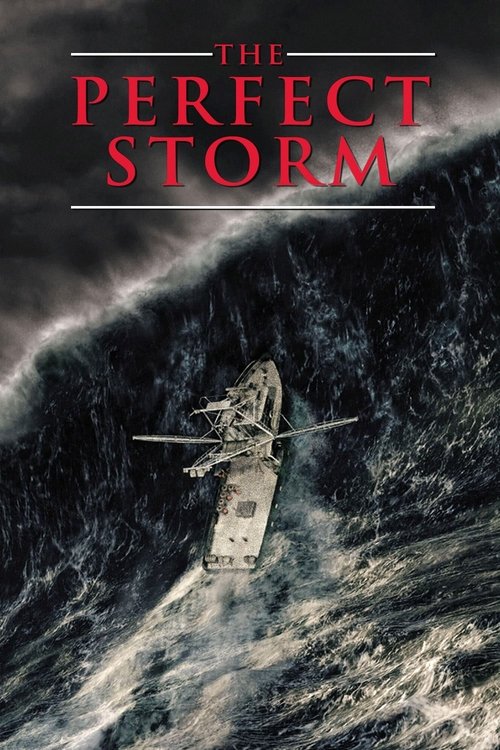
The North Atlantic is a cold, indifferent graveyard, and in the summer of 2000, Hollywood decided we all needed to spend two hours drowning in it. There’s a specific shade of grey-blue that only exists in 130-million-dollar disaster movies from the turn of the millennium—a heavy, metallic hue that promises you’ll be leaving the theater feeling slightly damp and profoundly small.
Walking into The Perfect Storm, I didn't expect a character study; I expected a spectacle. What I got was a fascinating bridge between two eras of filmmaking. It arrived right as the "disaster flick" was evolving from the campy, star-studded romps of the 70s and the urban destruction of the late 90s (Independence Day, Armageddon) into something grittier and more somber. It’s a movie that asks you to care about the price of a pound of swordfish, and surprisingly, it succeeds.
The God-King of Practical Disasters
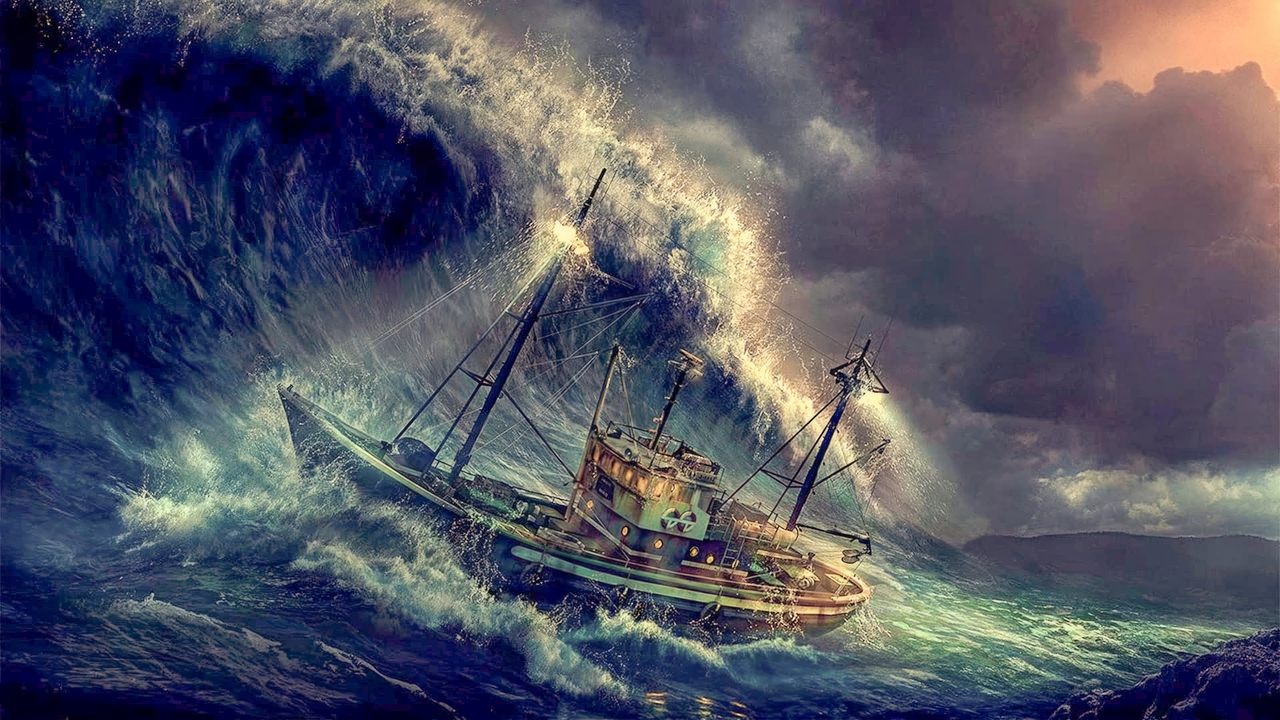
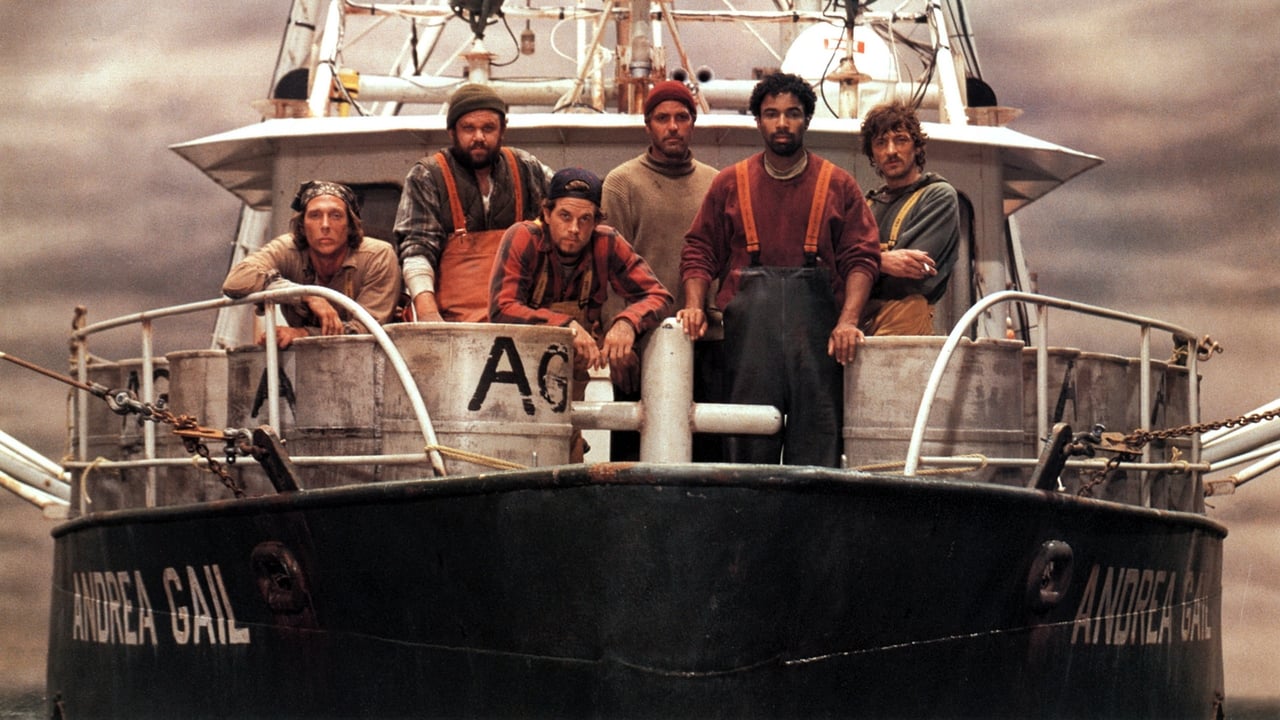
Wolfgang Petersen was the perfect choice to helm this. If you’ve seen Das Boot, you know the man understands the claustrophobia of the sea. But here, he swaps the interior of a submarine for the deck of the Andrea Gail, a sword-fishing boat that looks like a bathtub toy compared to the digital swells it faces.
Watching this now, the blend of practical and digital effects is striking. Petersen didn’t just rely on ILM’s computers; he built a massive gimbal-mounted boat in a giant tank and blasted his actors with 100-foot waves and fire hoses. You can see the genuine physical exhaustion on the faces of George Clooney and Mark Wahlberg. When they look miserable, it’s because they probably were. George Clooney’s salt-and-pepper beard is doing 40% of the emotional heavy lifting here, giving Capt. Billy Tyne a weary, obsessive edge that keeps him from being a simple hero. He’s a man who makes a very bad call because he’s chasing a paycheck and a legacy, and the film doesn't shy away from that hubris.
I watched this most recently while wearing a pair of itchy wool socks that made me feel 10% more like a Gloucester fisherman, though the radiator in my apartment was definitely not a gale-force wind. That’s the thing about this movie: it makes you crave warmth.
A Cast Anchored in Grime
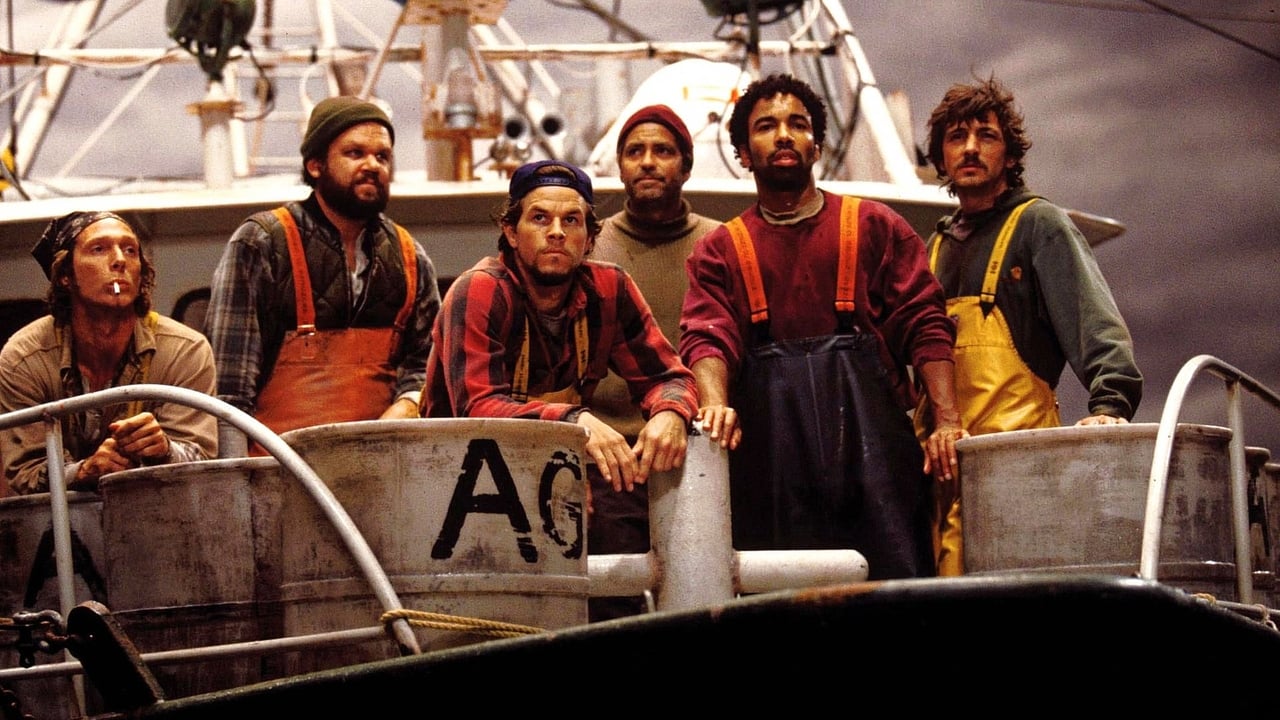
The supporting cast is where the movie finds its heartbeat. John C. Reilly (as Murp) and William Fichtner (as Sully) play out a classic "two guys who hate each other forced to work together" trope, but they ground it in the reality of men who have spent too many weeks in a confined space smelling like bait. Their bickering feels lived-in, not scripted.
Meanwhile, Diane Lane and Mary Elizabeth Mastrantonio carry the weight of the "waiting at home" narrative. Usually, these roles are thankless, but Lane, in particular, manages to sell the mounting dread of a woman who knows the ocean better than she knows her own luck. The film treats the fishing community of Gloucester, Massachusetts, with a level of respect that felt rare for a summer blockbuster. These aren't polished movie stars pretending to be poor; they're sweaty, tired, and desperate for a "full boat." The swordfish were the only ones who actually had a good day in this movie, and even they ended up on ice.
The Digital Surge and the DVD Era
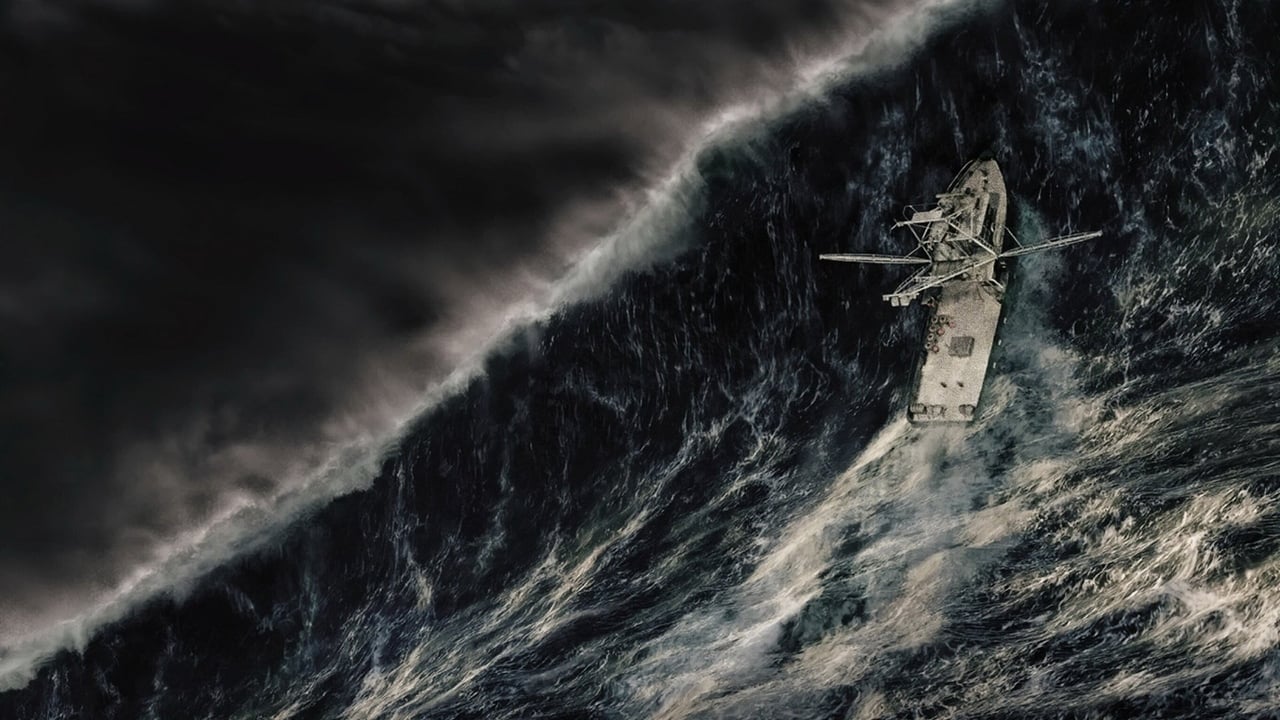
Looking back, The Perfect Storm was a massive benchmark for the CGI revolution. In 2000, creating realistic, moving water was the "Holy Grail" of digital effects. We weren't quite at the point where computers could handle every splash, which is why the practical water on set is so vital. The "Rogue Wave" sequence at the climax still holds up because it has weight. It doesn't look like a screensaver; it looks like a mountain of liquid falling on a tin can.
This was also a quintessential "DVD showcase" movie. If you owned a home theater setup in 2001, you bought this disc specifically to show off your subwoofer. The sound design is incredible—the groaning of the hull, the screaming wind, and James Horner’s score, which manages to be both heroic and elegiac. Turns out, the production was even more chaotic than the film. They actually filmed the "rescue" scenes during the tail end of Hurricane Floyd, which gave the second-unit crew real-world conditions that no fan-machine could replicate.
One of the more enduring bits of trivia that fans obsess over is the real Linda Greenlaw. In the movie, she’s played by Mary Elizabeth Mastrantonio as a sort of guardian angel on the radio, but the real Greenlaw is a legend in the fishing world—the only female sword-fishing captain in the fleet at the time. The film’s cult status among New Englanders is real; they appreciate that Petersen didn't try to give it a happy, "Hollywood" ending. It honors the tragedy of the 1991 storm without turning it into a cartoon.
The Perfect Storm isn't a perfect movie—it leans a bit too hard into the melodrama in the first act, and the sub-plot with the Coast Guard rescue feels like a different film entirely—but as a testament to human grit and the terrifying power of nature, it’s top-tier. It captures a moment in time when big-budget cinema still felt physical and dangerous. It’s a somber, wet, and thrilling reminder that at the end of the day, the ocean always wins. If you haven't revisited it since your family's first DVD player, it’s time to head back out to sea. Just bring a towel.
Keep Exploring...
-
Poseidon
2006
-

Outbreak
1995
-
DragonHeart
1996
-
Dante's Peak
1997
-
A Knight's Tale
2001
-
The Scorpion King
2002
-

Alexander
2004
-
King Arthur
2004
-

King Kong
2005
-
Kingdom of Heaven
2005
-

Troy
2004
-
Green Zone
2010
-

Jack the Giant Slayer
2013
-
The Monuments Men
2014
-
In the Line of Fire
1993
-
First Knight
1995
-
Executive Decision
1996
-
Twister
1996
-

xXx
2002
-

Sahara
2005