Titan A.E.
"The Earth is gone. Grab a map."
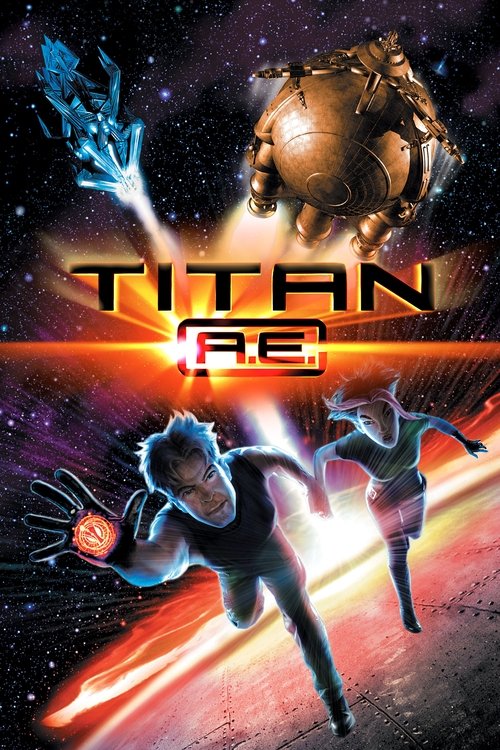
I still remember the first time I saw the Earth die. I was sitting in a half-empty theater, clutching a bag of popcorn that was mostly unpopped kernels, and within the first five minutes of Titan A.E., our home planet wasn’t just attacked—it was systematically dismantled into glowing blue space-dust. It was a bold, terrifying statement for a "family" movie in the summer of 2000. It signaled that Don Bluth, the man who gave us the trauma of The Land Before Time, wasn't here to play nice. He was here to give us the swan song of traditional animation, even if he didn't know it yet.
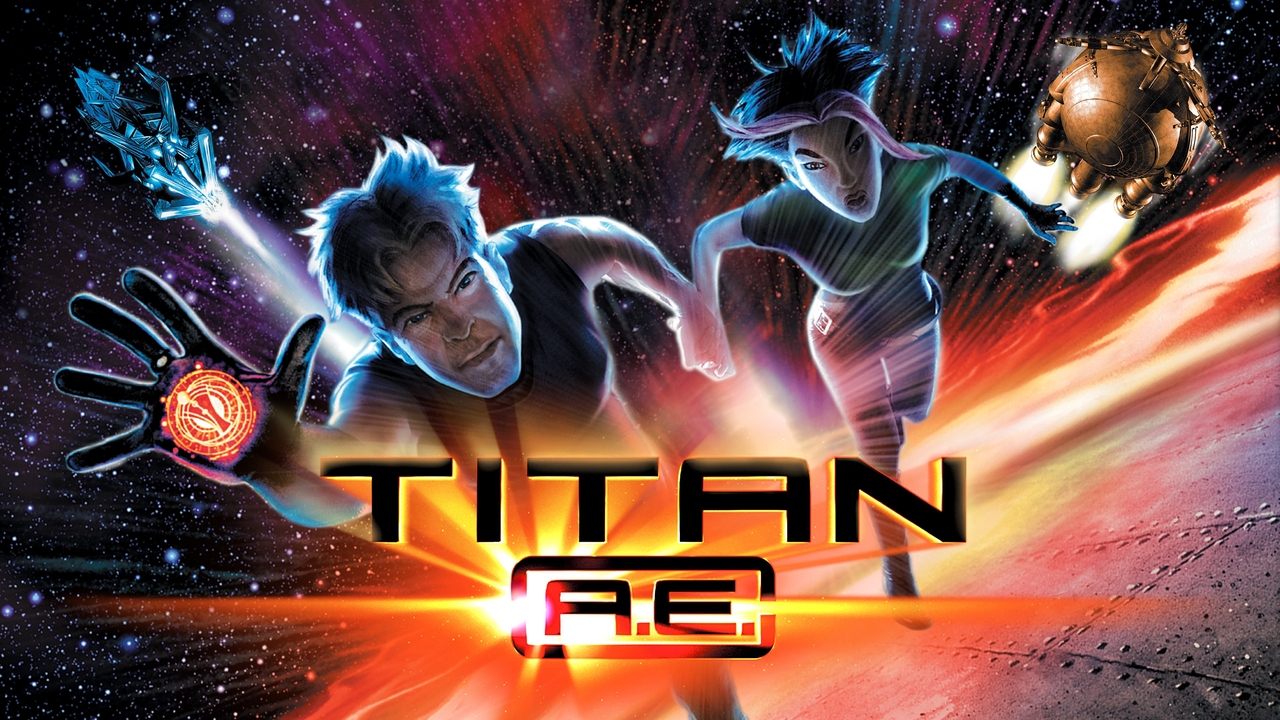
A Collision of Dimensions
Titan A.E. is a fascinating, messy artifact from that weird Y2K transition where Hollywood was desperately trying to figure out if hand-drawn animation and CGI could coexist. Watching it now is like looking at a digital archaeological site. You have these beautiful, expressive 2D characters—designed with that classic Bluth sharp-angled aesthetic—walking through 3D environments that sometimes look like a high-end PlayStation 2 cinematic.
When the hero, Cale (voiced by a post-Good Will Hunting Matt Damon), navigates the "Ice Rings" sequence, the visual clash is jarring but weirdly hypnotic. The 3D ice crystals reflect light in a way 20th-century paint couldn't manage, creating a sense of scale that felt massive at the time. It was the most expensive suicide note in the history of traditional animation, costing $75 million and ultimately sinking Fox Animation Studios, but man, did they leave it all on the field. The action choreography doesn’t just move left-to-right; it utilizes the Z-axis with a frantic energy that feels like a precursor to the modern "shaky-cam" style, but with much better clarity.
The Firefly Prototype
If the dialogue feels snappier than your average space opera, that’s because the screenplay had some serious heavy hitters behind the curtain. Joss Whedon (long before the MCU was a glimmer in Kevin Feige's eye) and John August (Go, Big Fish) brought a "ragtag crew on a junker ship" vibe that feels like a dry run for Firefly.
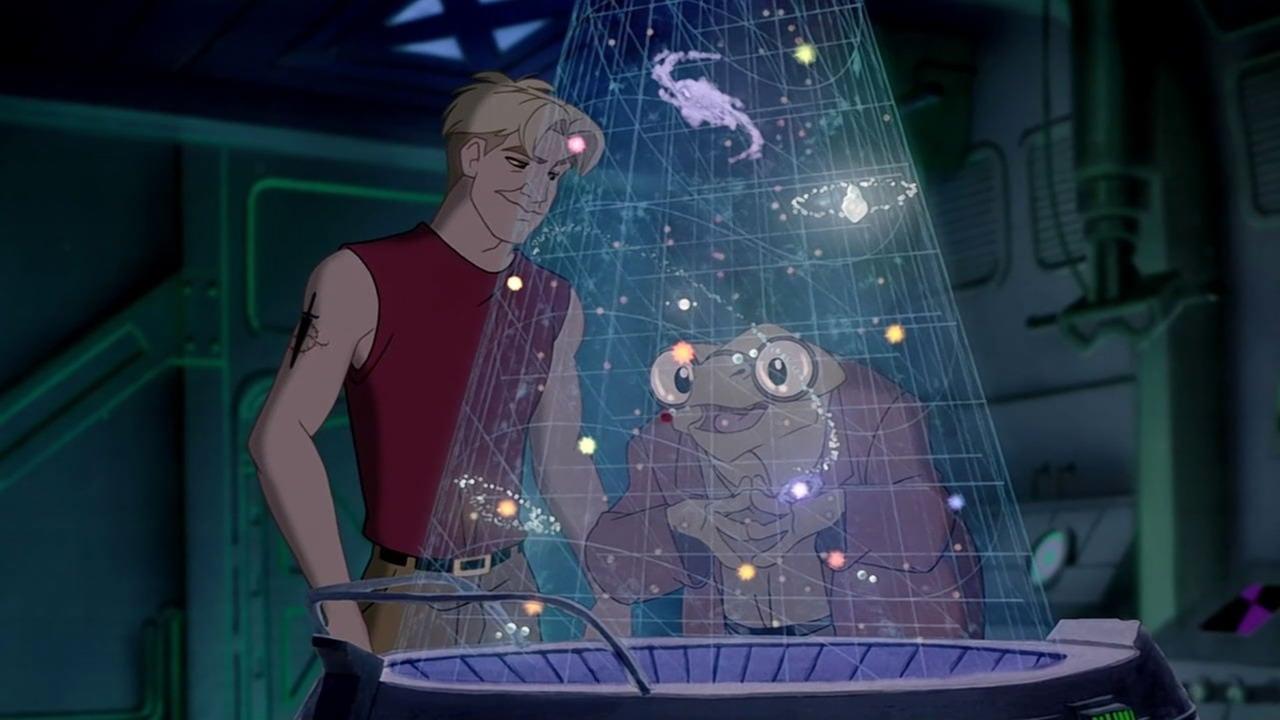
The crew of the Valkyrie is where the film finds its pulse. You’ve got Bill Pullman as Korso, delivering the kind of "weary mentor" performance he could do in his sleep but still giving it 110%. Then there’s the supporting cast: John Leguizamo as Gune (a caffeinated, wide-eyed scientist), Janeane Garofalo as the surly Stith, and Nathan Lane as Preed, a fruit-bat-looking alien who gets all the best, most cynical lines. I watched this most recently on a scratched DVD I found at a garage sale for fifty cents, and the disc skipped right as Nathan Lane started a sarcastic monologue, making it sound like a glitching techno-remix of my own nightmares.
The chemistry works because the stakes aren't just "save the princess." It’s "we are a homeless species living in 'drifter colonies' and the universe hates us." There’s a melancholy to the world-building that you don't see in modern, shiny franchises. It captures that late-90s existential dread perfectly—the feeling that the old world is gone and we’re just scavenging the remains.
The Sound of the Millennium
We have to talk about the soundtrack. Nothing dates Titan A.E. more than its music, and I mean that in the best possible way. While Disney was sticking to Phil Collins power ballads, Titan A.E. went full "Alternative Rock Radio." We’re talking Lit, Powerman 5000, and The Urge. It is aggressively, unapologetically 2000.
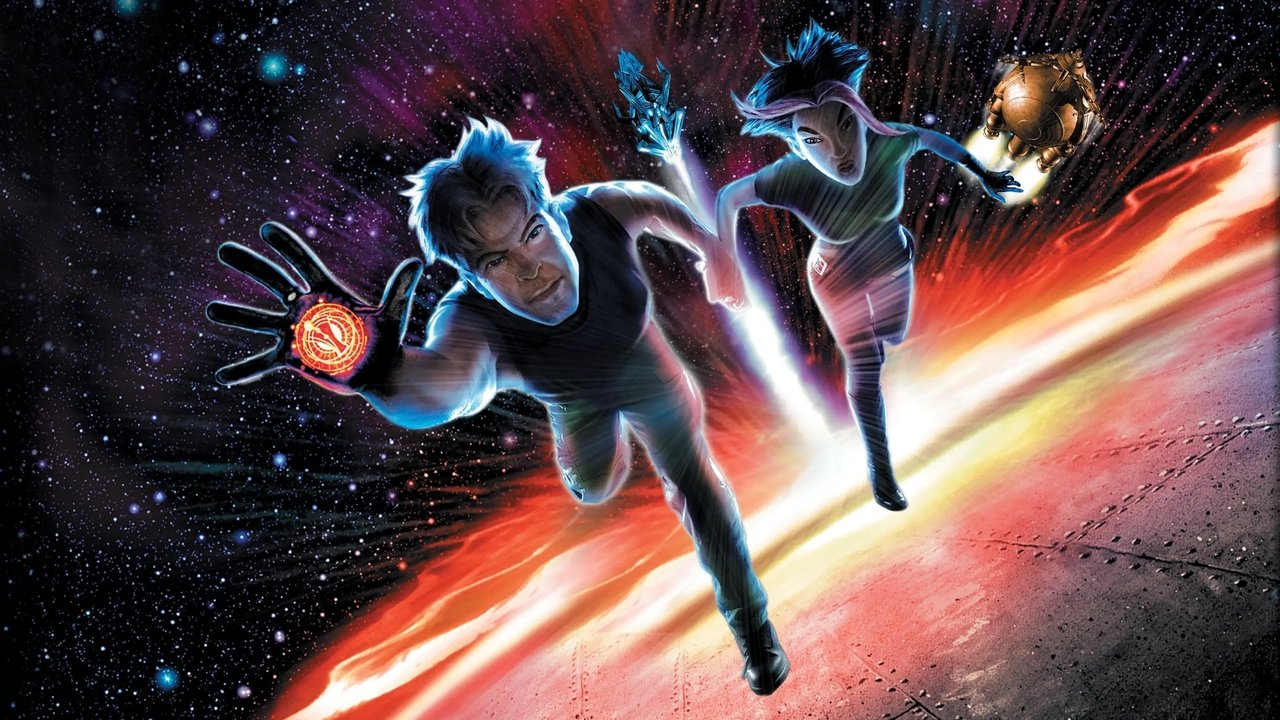
During a pivotal chase scene, when the nu-metal kicks in, it creates this high-octane, Saturday-morning-cartoon-on-steroids energy that shouldn't work, but it does. The sound design of the Drej—the pure-energy villains—is equally impressive. They don't speak; they hum and crackle like a broken transformer. It makes them feel genuinely alien, a cold, sentient force of nature rather than just another guy in a suit or a rubber mask.
Looking back, the film’s failure at the box office is a bit of a mystery. Perhaps it was too mature for kids and too "cartoony" for the Matrix crowd. Or maybe the marketing just didn't know how to sell a movie where Drew Barrymore plays a tough-as-nails pilot named Akima who doesn't spend the whole time waiting to be rescued. It broke the rules of the era, and the era punished it for it.
Titan A.E. remains one of the great "What Ifs" of sci-fi cinema. It’s a film with a massive heart, a spectacular sense of scale, and a visual style that captures a medium in the middle of a painful rebirth. It isn't perfect—the ending feels a bit rushed and the "chosen one" trope is a little dusty—but the sheer ambition on screen is infectious. If you can track it down, it’s a trip worth taking, if only to see what happens when a studio decides to go for broke and actually goes broke doing it.
The film ends not with a whimper, but with the literal birth of a new world, a sequence that still manages to give me goosebumps. It’s the kind of big-screen imagination that feels rare in our current era of endless sequels and safe bets. Don Bluth and Gary Goldman took us to the edge of the universe and showed us that even when the Earth is gone, the human spirit—and a really good spaceship—can still find a way home.

Keep Exploring...
-
Osmosis Jones
2001
-
Final Fantasy: The Spirits Within
2001
-
Jimmy Neutron: Boy Genius
2001
-
Astro Boy
2009
-
Race to Witch Mountain
2009
-
Final Fantasy VII: Advent Children
2005
-
Teenage Mutant Ninja Turtles II: The Secret of the Ooze
1991
-

The Rocketeer
1991
-

Mystery Men
1999
-
Atlantis: The Lost Empire
2001
-
Treasure Planet
2002
-

Sinbad: Legend of the Seven Seas
2003
-

Superman/Shazam!: The Return of Black Adam
2010
-
Anastasia
1997
-
Spy Kids
2001
-
Spy Kids 2: The Island of Lost Dreams
2002
-
Escape from L.A.
1996
-
The Postman
1997
-
The Saint
1997
-
Mighty Joe Young
1998