U-571
"In the deep, your loudest enemy is silence."

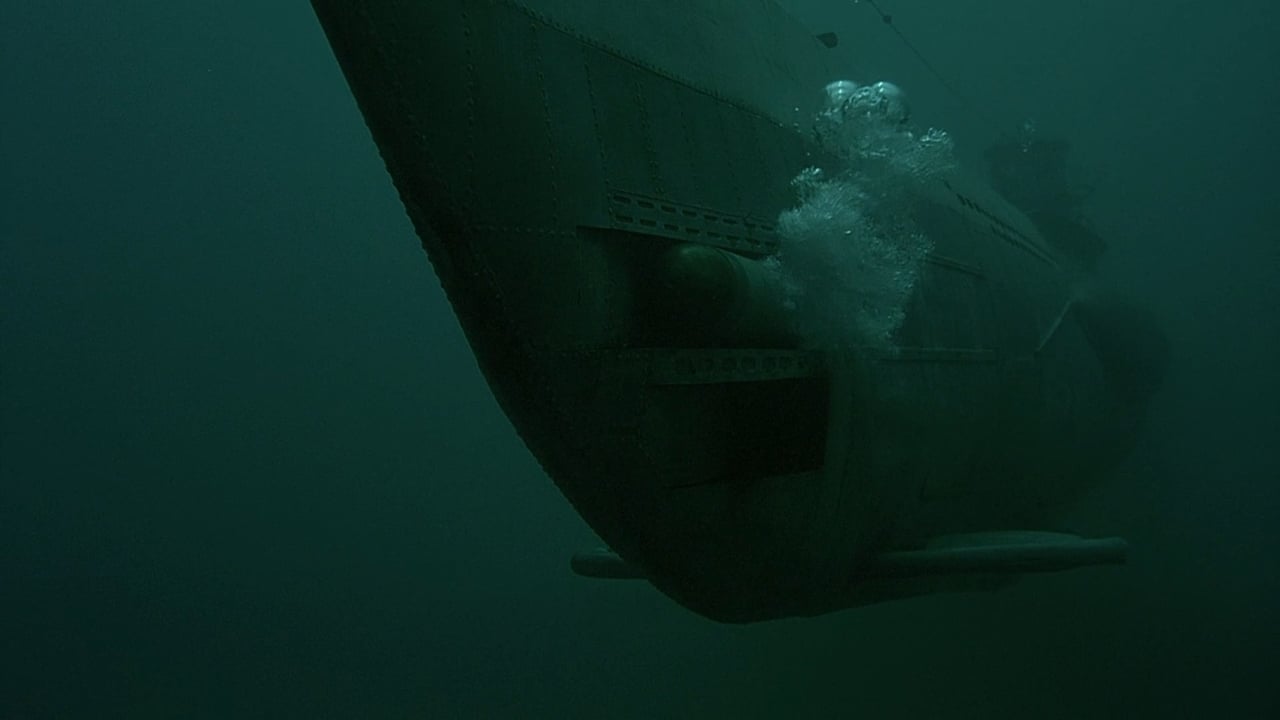
The first thing I remember about watching U-571 in a theater back in 2000 wasn't the plot or the historical inaccuracy that drove my British cousins into a localized frenzy. It was the sound. Specifically, the sound of a single bolt popping off a bulkhead under the crushing pressure of the Atlantic. It didn't just sound like a movie effect; it sounded like a gunshot in a library. That specific, eardrum-shattering "ping" of the sonar and the rhythmic groaning of the hull are what define this movie for me. It’s a film that understands that in a submarine thriller, the most effective weapon isn’t a torpedo—it’s the audience’s claustrophobia.
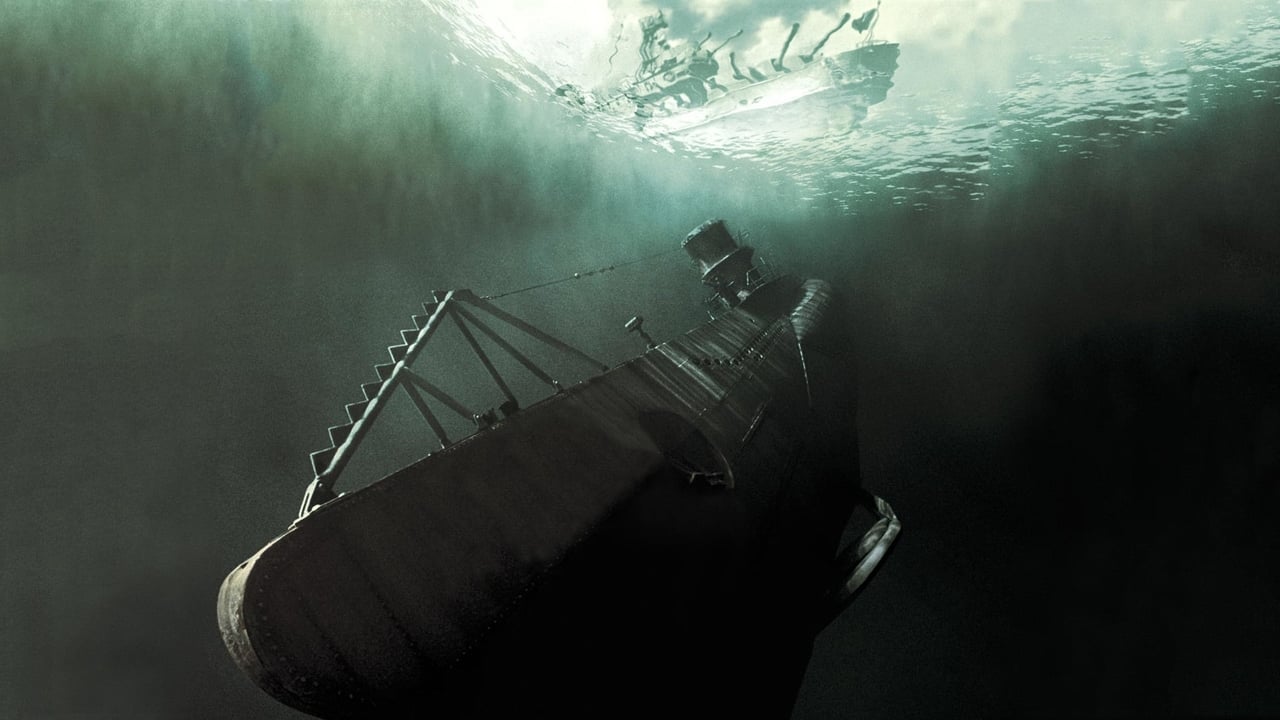
I recently revisited this one on a grainy DVD I found at a garage sale while buying a second-hand toaster, and honestly, the smell of slightly burnt bread in my kitchen actually added a layer of smoky realism to the engine room scenes that I hadn't experienced before.
The Craft of the "Tin Can" Heist
U-571 arrived at a fascinating crossroads in cinema history. We were moving away from the neon-soaked excess of 90s action and toward a grittier, more texture-focused realism. Director Jonathan Mostow (who had already proven he could do high-tension minimalism with Breakdown) decided to lean heavily into practical effects. They built a full-scale, 600-ton replica of a German U-boat. When you see Matthew McConaughey and Harvey Keitel sloshing around in knee-deep water, they aren't on a climate-controlled soundstage in Burbank; they are in a massive tank in Malta, and they look genuinely miserable.
The action choreography here is a masterclass in spatial awareness. Most action movies of the early 2000s started falling into the "shaky cam" trap, but Mostow and cinematographer Oliver Wood (who later defined the look of the Bourne franchise) keep the camera remarkably steady. This is crucial because the movie is essentially a heist. The mission: disguise an American sub as a German resupply vessel, board a crippled U-boat, steal the Enigma coding machine, and get out. When the plan goes sideways and the Americans are forced to operate the foreign, sinking German sub, the movie turns into a terrifying "how-to" manual. I love the sequence where they have to figure out the German labels on the valves while depth charges are turning their brains into jelly. It’s MacGyver with a much higher body count.
The "McConaissance" Before the Name Existed
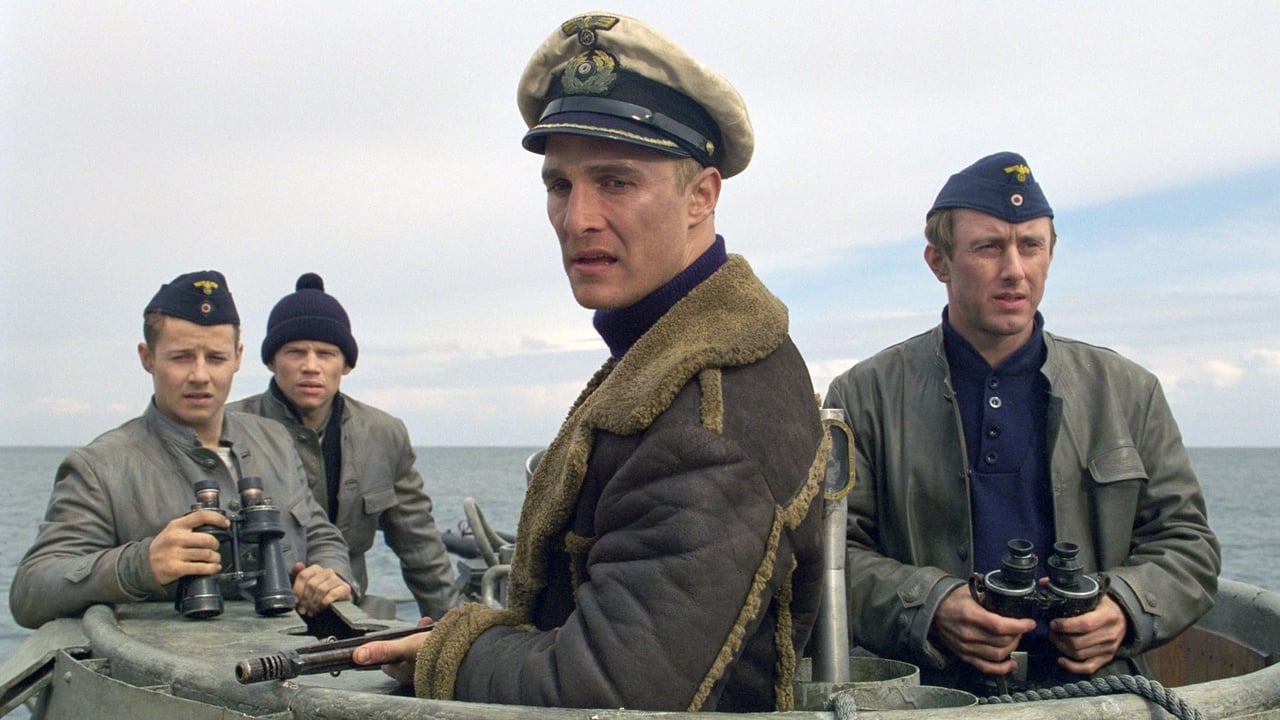
Looking back, U-571 is a pivotal moment for Matthew McConaughey. Before he was winning Oscars or leaning against Lincoln Navigators, he was trying to prove he could be a traditional leading man. As Lt. Tyler, he plays a guy who is passed over for command because he's "too nice" to his men. It’s a relatively standard "coming of age" arc set against a backdrop of exploding diesel engines, but he brings a grounded intensity to it.
The supporting cast is where the real flavor is, though. Bill Paxton (fresh off Titanic) is perfect as the stern commander, and Harvey Keitel provides the necessary salt as the Chief Petty Officer. And then, of course, there’s Jon Bon Jovi. Casting a rock star in a serious war movie was a peak 2000s move, but to the film's credit, they don't treat him like a superstar; they treat him like a guy who’s just as likely to get decapitated as anyone else.
The film's pacing is relentless. Once the boarding party hits the U-boat, the movie refuses to let you up for air. The sound design, which rightfully won an Oscar, does more work than the script. The way the score by Richard Marvin drops out to let the silence of a "silent running" scene take over is a great example of 1990s-transitioning-to-modern-era tension building. It’s less about the spectacle of the explosion and more about the agonizing wait for it.
The Weight of History (and Obscurity)
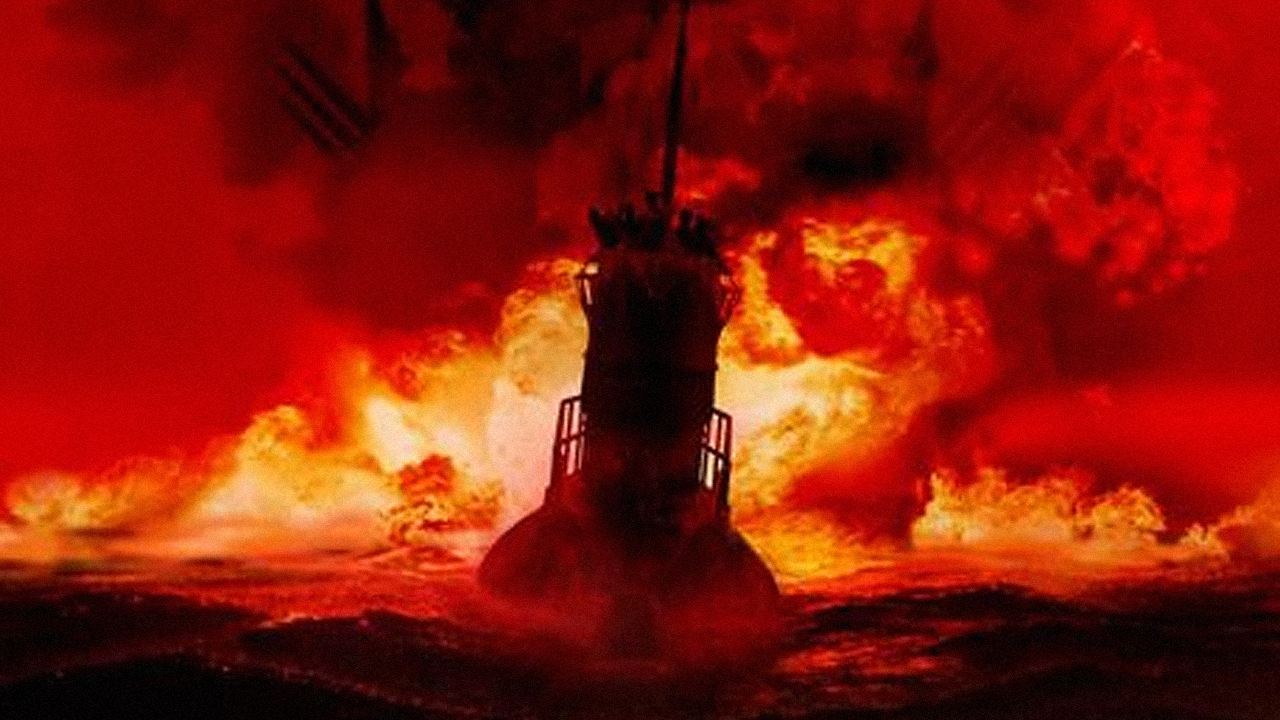
So, why has U-571 drifted into the "obscure" category while films like Saving Private Ryan (1998) or Black Hawk Down (2001) remain staples? Part of it is the historical backlash. The film famously depicts Americans capturing the first Enigma machine, an event that was actually a British triumph (specifically the HMS Bulldog). Even Tony Blair weighed in at the time, calling it an "affront" to British sailors. While the film includes a post-script acknowledging the real heroes, the damage was done in the cultural zeitgeist.
But if you can separate the Hollywood "what if" from the historical "what was," you’re left with one of the most mechanically satisfying action movies of its decade. It’s a film about the physical reality of war—the grease, the rust, the smell of sweat, and the terrifying realization that your life depends on a piece of machinery built by the people trying to kill you. It’s a "dad movie" in the best sense of the term: sturdy, well-constructed, and unapologetically loud whenever a boat sinks.
Ultimately, U-571 is a relic of a time when Hollywood was still willing to spend $60 million on a mid-budget thriller that relied more on tension than CGI. It’s not a deep philosophical meditation on the soul, but as a high-stakes game of hide-and-seek in a pressurized tin can, it remains incredibly effective. If you’ve got a good sound system, find a copy, turn the lights off, and prepare to jump every time you hear a metallic clink. Just don't use it as a primary source for your history mid-term.
Keep Exploring...
-
Breakdown
1997
-

Sahara
2005
-
The Messenger: The Story of Joan of Arc
1999
-
Mighty Joe Young
1998
-
Vertical Limit
2000
-

Alexander
2004
-
King Arthur
2004
-
Kingdom of Heaven
2005
-
Behind Enemy Lines
2001
-
Assassins
1995
-
Crimson Tide
1995
-
First Knight
1995
-
Daylight
1996
-
Escape from L.A.
1996
-
Executive Decision
1996
-
The Postman
1997
-
The Saint
1997
-
Six Days Seven Nights
1998
-
Star Trek: Insurrection
1998
-

Mystery Men
1999