Unbreakable
"The ordinary world. An extraordinary weight."
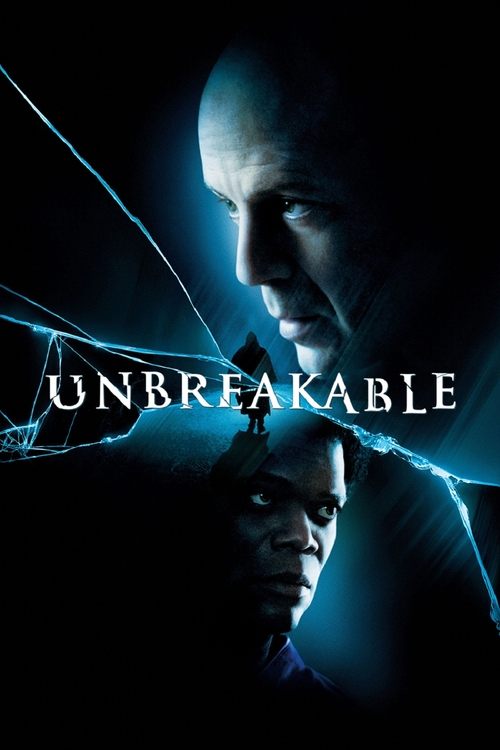
I revisited Unbreakable recently on a Tuesday night while distractedly trying to assemble a flat-pack bookshelf. I ended up abandoning the furniture entirely because the movie’s heavy, somber atmosphere is remarkably clingy—it demands you sit still and feel the damp Philadelphia chill radiating off the screen. It also reminded me that Bruce Willis should have spent his whole career doing quiet, internal dramas instead of chasing diminishing returns in the action bargain bin.
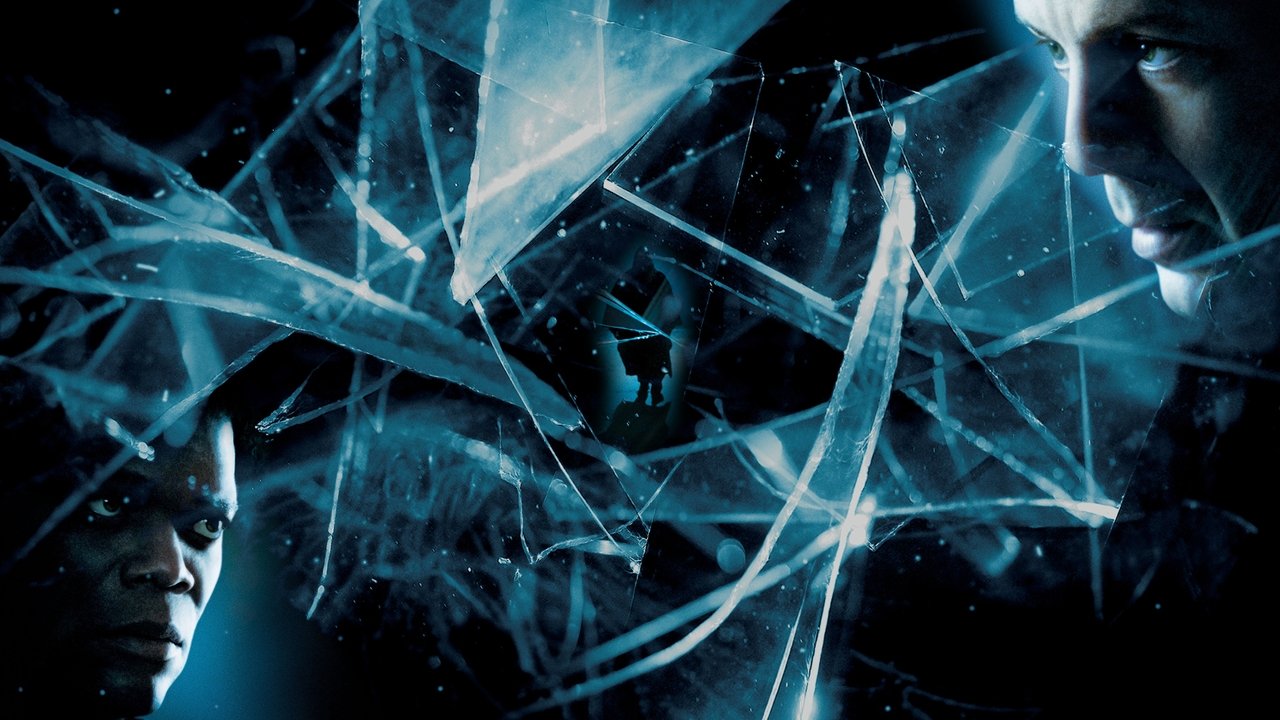
Coming off the gargantuan success of The Sixth Sense, M. Night Shyamalan didn’t just have the world’s attention; he had a blank check. In the year 2000, Hollywood was just beginning to flirt with "serious" comic book cinema—the first X-Men had arrived months earlier—but nobody was ready for a film that treated superhero tropes with the gravity of a funeral. Unbreakable is a masterpiece of restraint, a dark drama masquerading as a mystery that, looking back, feels like a lonely precursor to the franchise-heavy world we live in now.
The Heavy Burden of Being Special
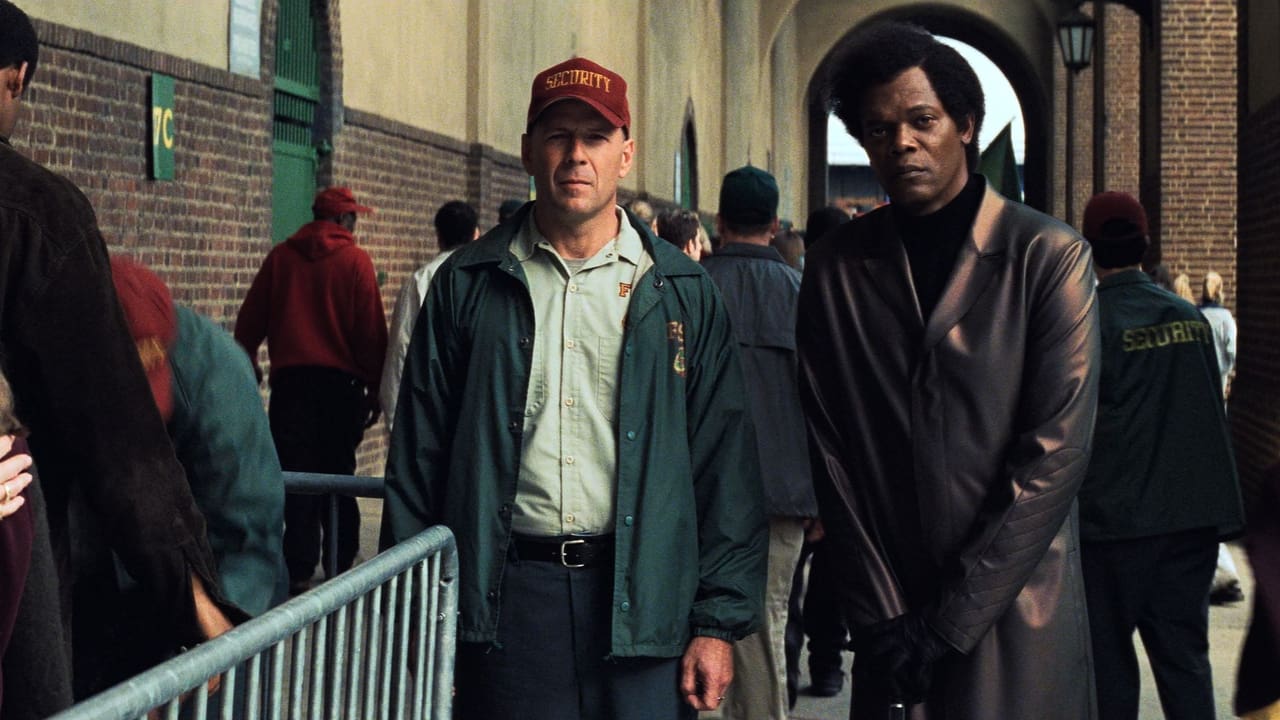
The film centers on David Dunn, played with a haunting, slumped-shoulder weariness by Bruce Willis. David is a security guard who miraculously survives a horrific train derailment without a scratch. He’s not a hero; he’s a man who has felt "sad" for as long as he can remember, a psychological weight that Shyamalan suggests is actually the physical toll of a man living a life he wasn't meant for.
His foil is Elijah Price, brought to life by Samuel L. Jackson in one of his most precise, chilling performances. Elijah has Type I osteogenesis imperfecta—his bones break like glass. He is the fragility to David’s durability. While we’re used to seeing Samuel L. Jackson shout his way through scripts, here he is all eyes and brittle movements. His theory—that if there is someone as weak as him, there must be someone at the other end of the spectrum—is the engine of the movie. It’s a comic book origin story told through the lens of a domestic tragedy, focusing more on David’s crumbling marriage to Audrey (Robin Wright) than on his burgeoning powers.
A Cinematic Language of Isolation
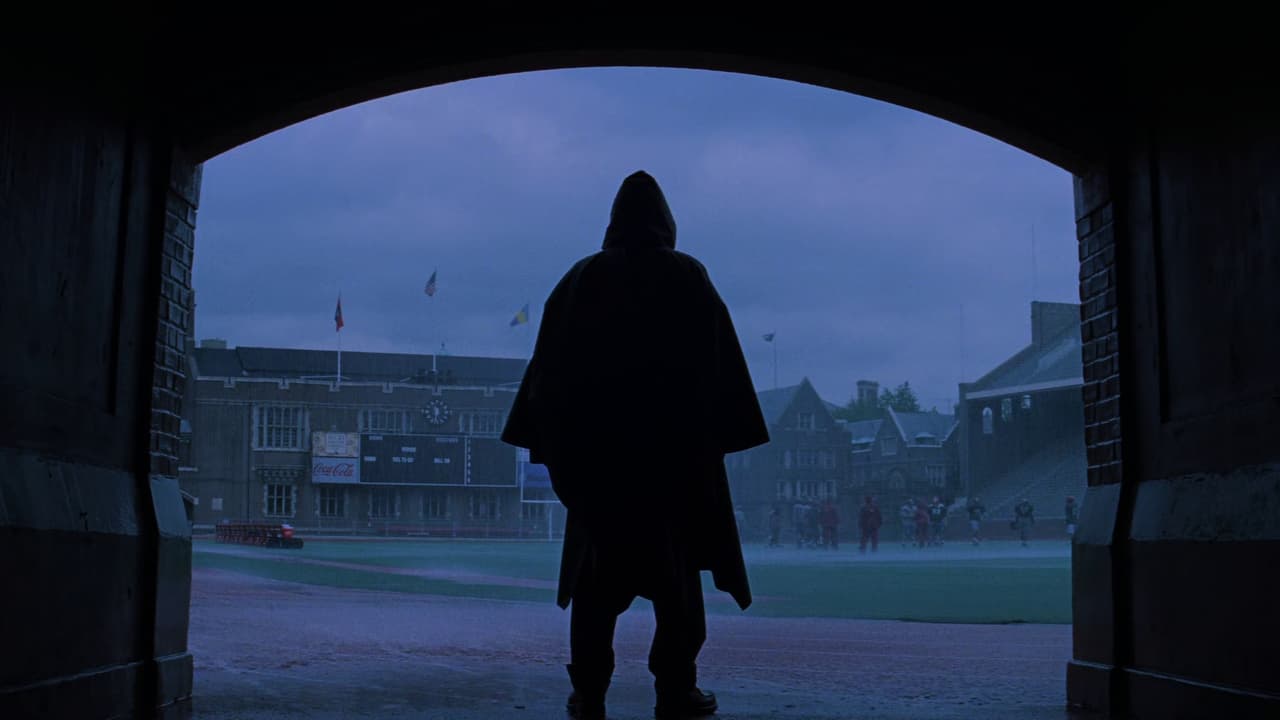
Watching Unbreakable today, I’m struck by how much it resists the "Modern Cinema" urge to cut away every three seconds. Shyamalan and cinematographer Eduardo Serra use incredibly long, static takes that force you to live in the discomfort of the characters. There’s a scene at a kitchen table where David’s son, played by a remarkably intense Spencer Treat Clark, threatens to shoot his father to prove he’s invincible. It’s a terrifying, breathless sequence that works because the camera refuses to blink.
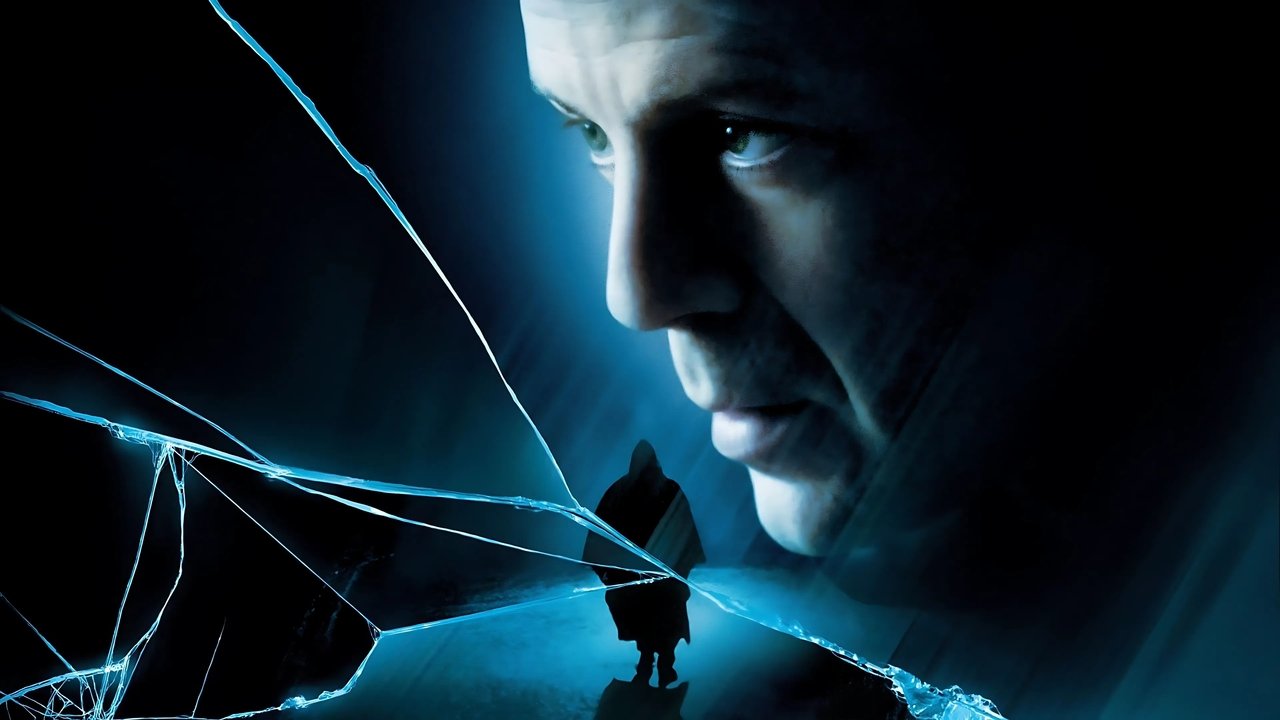
The film’s visual palette is equally deliberate. Elijah is associated with purples and glass; David with greens and rain-slicked ponchos. It’s a subtle nod to the primary colors of the golden age of comics, but drained of any joy. Even the score by James Newton Howard avoids the brassy triumphalism of a typical hero's journey, opting instead for a haunting, repetitive theme that sounds like a secret being whispered. The "Twist Ending" is actually the least interesting part of the movie, which is a testament to how well the preceding ninety minutes function as a character study.
The Birth of a Low-Key Giant
Even though it feels like a small, intimate indie film, Unbreakable was a genuine blockbuster event. This was the era where the "Shyamalan Brand" was enough to drive massive traffic before the internet could spoil the experience.
Apparently, Disney (through their Touchstone label) was terrified of marketing this as a "comic book movie." Back then, "superhero" meant camp or kids' stuff, so they sold it as a psychological thriller to protect its prestige. It worked: the film pulled in $248 million worldwide on a $75 million budget. Looking back, this budget is astronomical for a movie that has exactly one "action" scene—a messy, unglamorous struggle in a hallway. Most of that money went into the meticulous production design and the star power of Bruce Willis, who was at the absolute peak of his box-office draw.
The film also served as the first act of what would eventually become the Eastrail 177 trilogy, though we wouldn't know that for sixteen years. Shyamalan originally wrote a script where the hero and villain met, fought, and resolved their conflict, but realized the "discovery" phase (the first act) was the only part he actually cared about. This decision to slow down and focus on the "why" rather than the "how" is exactly what makes the film age so much better than its more explosive descendants.
Stuff You Might Have Missed
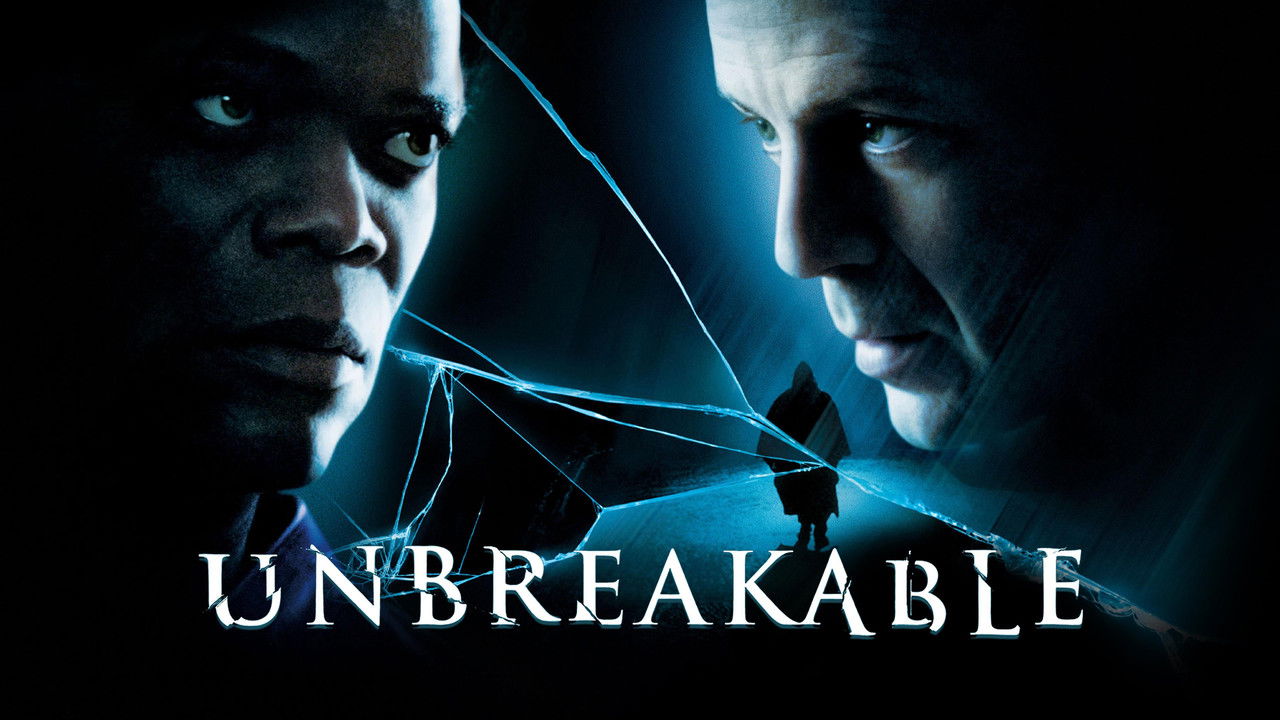
The cultural footprint of Unbreakable is deeper than it looks. Before Christopher Nolan "grounded" Batman, Shyamalan proved that you could make a movie about capes and codenames that felt like it belonged at a film festival.
Turns out, Samuel L. Jackson’s iconic "glass" hairstyle was his own idea, inspired by the Frederick Douglass look to give Elijah a sense of historical weight and intellect. Another fun detail: Charlayne Woodard, who plays Elijah's mother, is actually younger than Samuel L. Jackson in real life. Through the magic of makeup and a fantastic performance, she sells the generational gap perfectly. The film also features a cameo from Eamonn Walker as a doctor, but keep an eye out for the director himself—Shyamalan appears as a drug dealer at the stadium, a small nod to his recurring habit of placing himself in his own puzzles.
Unbreakable remains one of the most confident films of the 2000s, a somber meditation on what it means to find your purpose in a world that doesn't believe in magic. It’s a movie that rewards patience, trading CGI spectacle for the terrifying sight of a man realizing he might not be human. If you’ve only ever seen the quippy, neon-soaked hero movies of the last decade, this is the cold, dark water you need to clear your palate. It’s a reminder that sometimes the most heroic thing you can do is simply acknowledge who you are.
Keep Exploring...
-
The Sixth Sense
1999
-

Signs
2002
-
The Village
2004
-

Mystic River
2003
-
The Bourne Identity
2002
-
Primal Fear
1996
-
Twelve Monkeys
1995
-
The Bourne Ultimatum
2007
-
Arlington Road
1999
-
Ghost
1990
-

The Game
1997
-
Die Hard: With a Vengeance
1995
-
Flightplan
2005
-
A Time to Kill
1996
-
L.A. Confidential
1997
-
Lost Highway
1997
-
Pi
1998
-
Eyes Wide Shut
1999
-
Mulholland Drive
2001
-
The Girl with the Dragon Tattoo
2009