What Lies Beneath
"The neighbors are strange, but the husband is perfect. Too perfect."
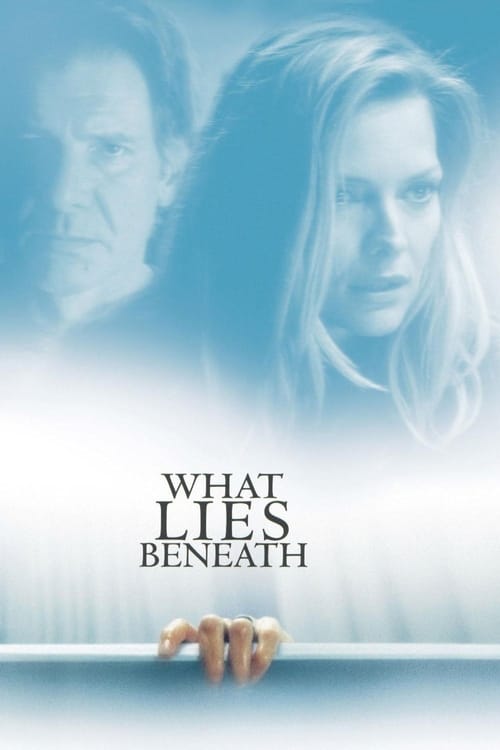
In the year 2000, Robert Zemeckis was at the peak of his "let’s see what these computers can do" phase. While he was waiting for Tom Hanks to lose a life-threatening amount of weight for the second half of Cast Away (2000), Zemeckis decided to spend his "gap year" filming a sleek, big-budget supernatural thriller. Most directors take a vacation; Zemeckis makes a $100 million Hitchcock homage that ends up being the tenth highest-grossing film of the year. I revisited this one last Tuesday while nursing a lukewarm cup of peppermint tea that I’d forgotten to steep, and honestly, the tepid temperature of the drink perfectly matched the chilly, calculated vibe of the Spencer household.
The Hitchcockian Digital Sandbox
Looking back, What Lies Beneath is a fascinating artifact of that turn-of-the-millennium transition. It’s a film that desperately wants to be Rear Window or Psycho, but it’s being told through the lens of a man obsessed with technological perfection. Michelle Pfeiffer, playing Claire Spencer, is our "cool blonde" lead, and she is magnificent. She spends a good seventy percent of the runtime looking terrified in high-end knitwear, wandering through a cavernous Vermont lakeside house that looks like it was designed specifically to have scary shadows.
What strikes me now is how Zemeckis used early digital compositing to achieve shots that Alfred Hitchcock would have sold his soul for. There’s a specific moment where the camera moves through a floor—an impossible physical feat—to show us what’s happening in the room below. At the time, this was the kind of CGI flex that felt groundbreaking. Today, it still looks remarkably clean because it wasn’t used to create monsters, but to untether the camera from reality. It adds to the dreamlike, gaslit atmosphere Claire is trapped in. The cinematography by Don Burgess (who also shot Forrest Gump) treats the Vermont fog like a character in its own right, thick enough to hide secrets but thin enough to let a jump scare through.
Subverting the Greatest Hero of the Twentieth Century
The real "secret sauce" here, however, isn't the ghosts or the fancy camera moves—it's Harrison Ford. By 2000, Ford was the undisputed king of the "Relatable Hero." He was Indiana Jones; he was Han Solo; he was the guy who wanted his family back in Air Force One. Casting him as Norman Spencer, the brilliant scientist and seemingly devoted husband, was a stroke of genius. We trust that face. We’ve spent twenty years trusting that face.
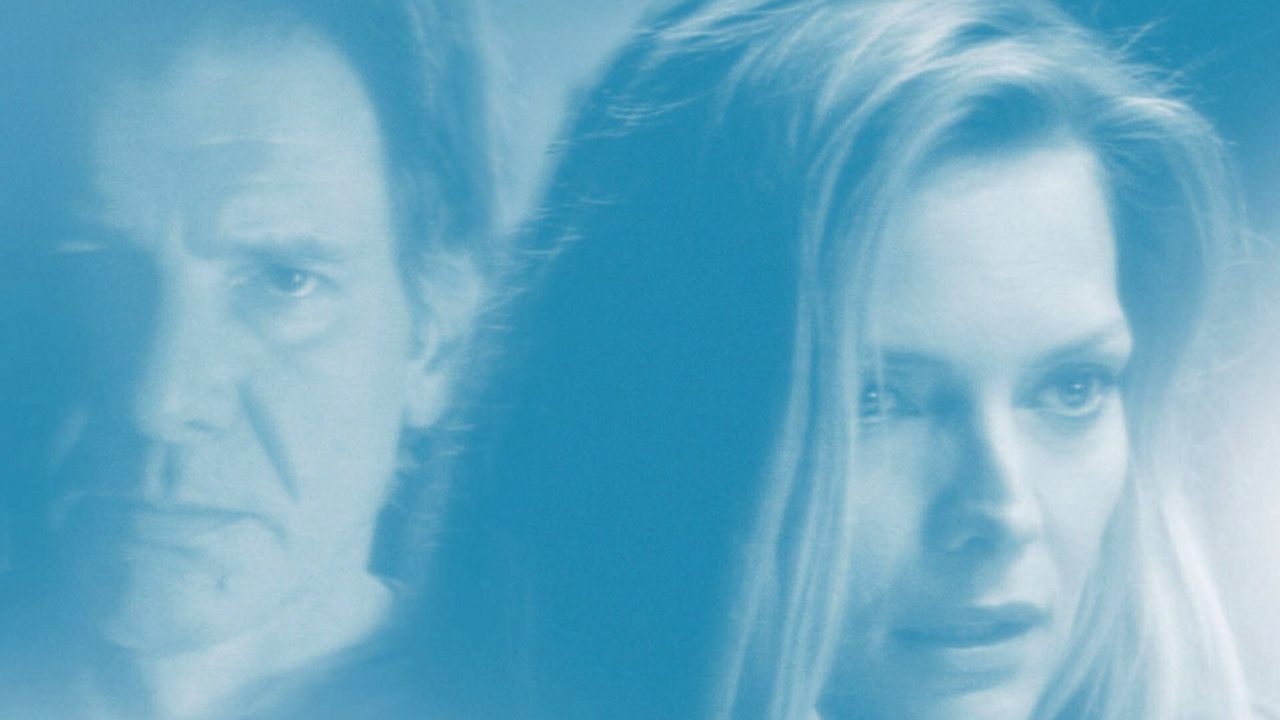
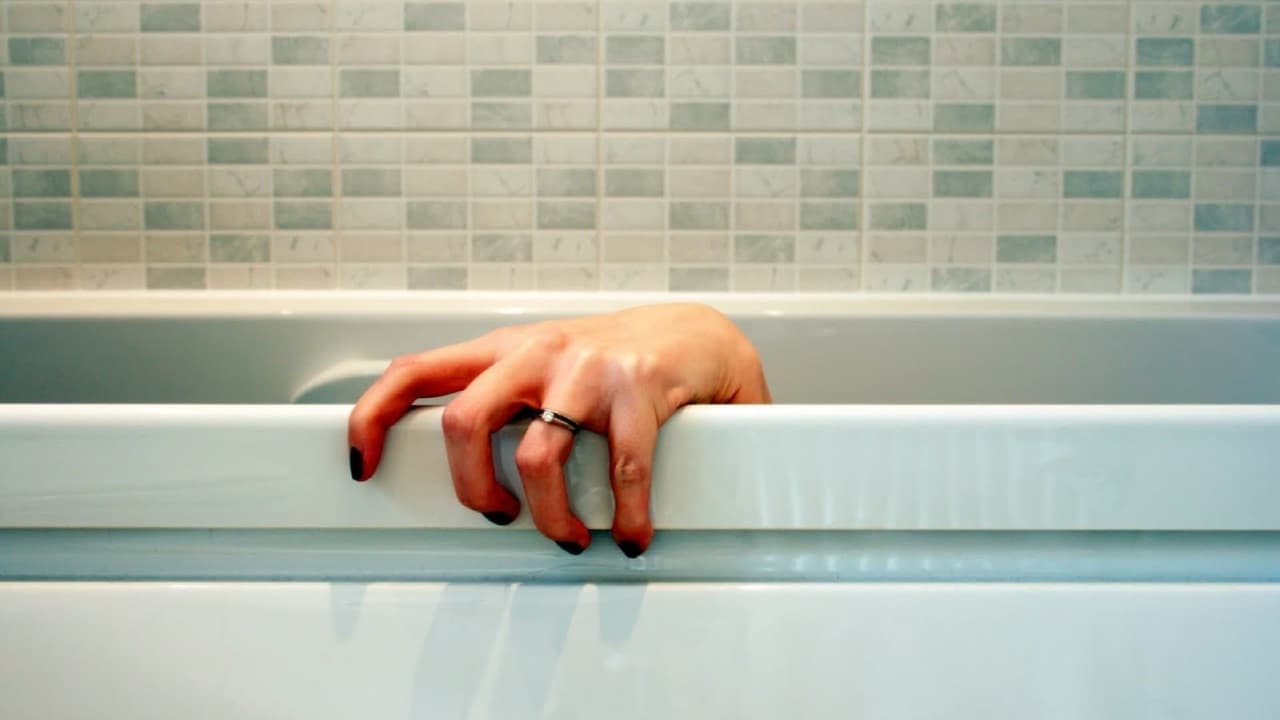
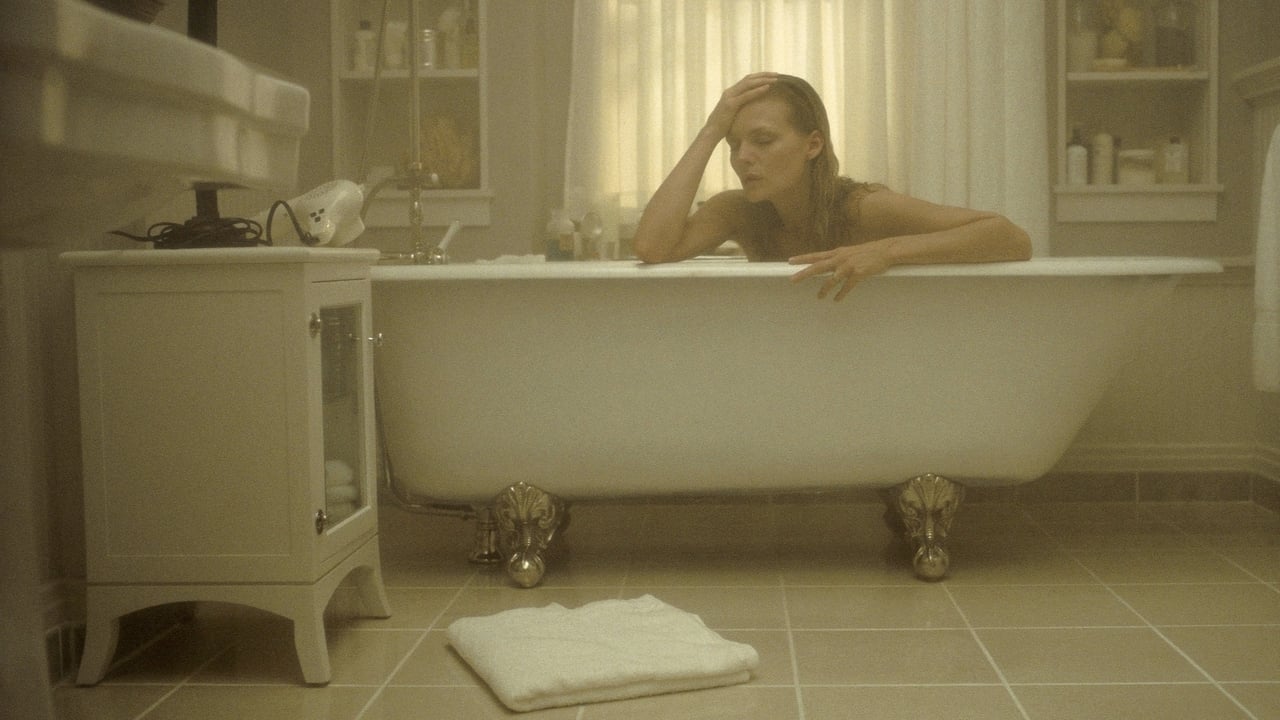
Watching Claire’s slow realization that her husband might be something other than a hero is where the tension actually lives. The film plays with our collective cinematic memory of Ford. When he looks at Claire with that trademarked "I’m worried about you" squint, we want to believe him just as much as she does. Harrison Ford’s "concerned husband" face is a masterclass in distraction. It’s a brilliant bit of meta-casting that only works because of who Ford was in the cultural landscape of the time. The bathtub has more screen presence than most of the supporting cast, but it’s the chemistry—and the eventual lack of it—between the leads that anchors the horror.
DVD Culture and the "What If" Factor
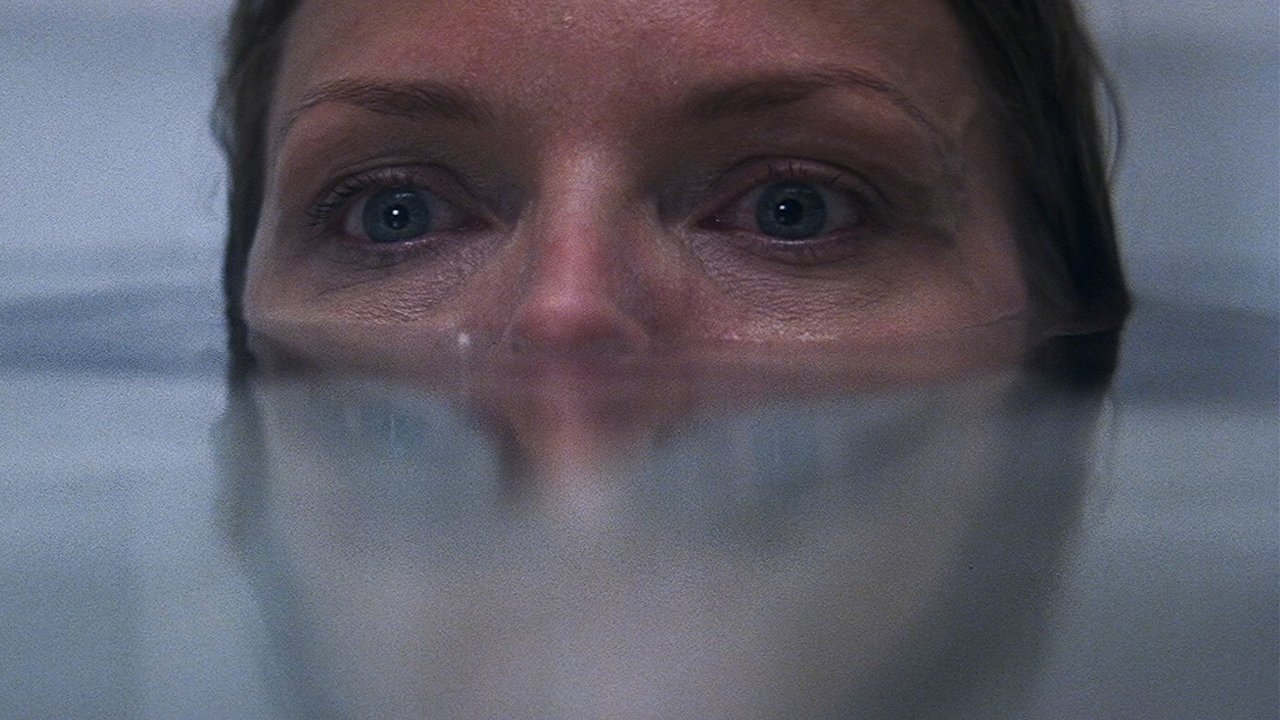
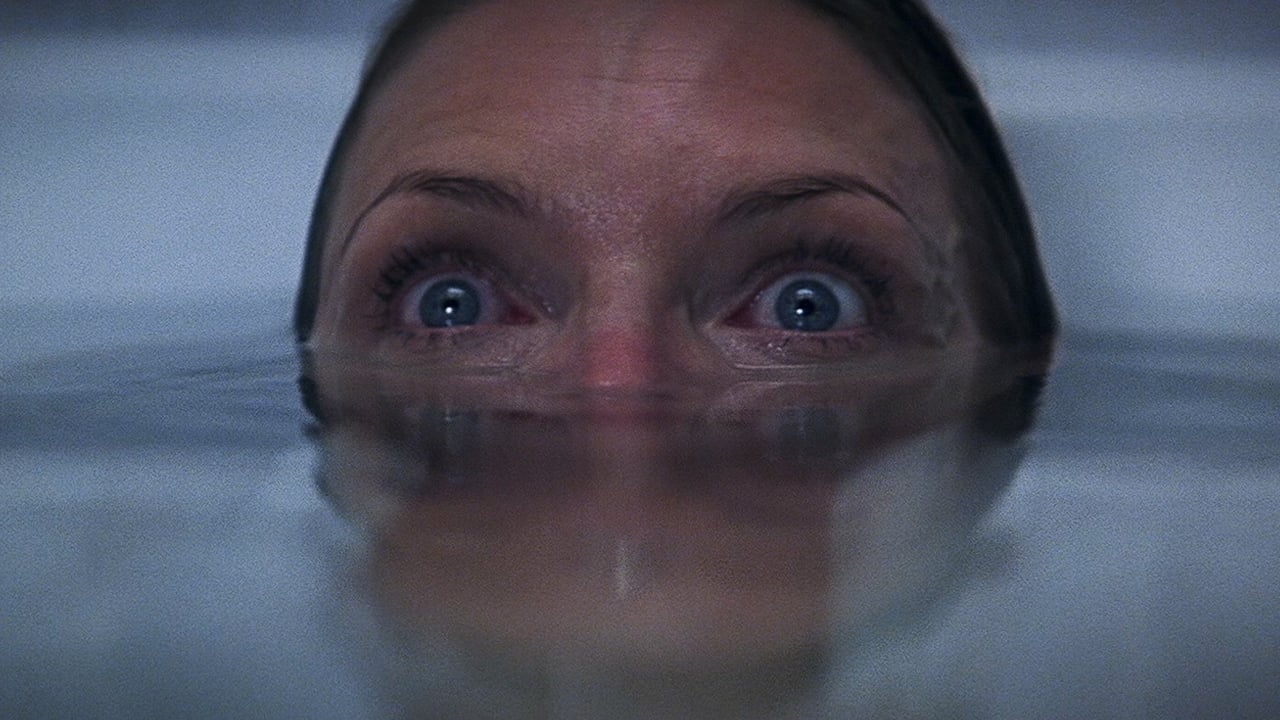
If you grew up in the early 2000s, this was a "DVD Essential." It was the kind of movie you’d find in every collection next to Gladiator and The Matrix. I remember pouring over the special features because this era was the golden age of the "making-of" documentary. The DVD revealed how they used a "digital double" for Michelle Pfeiffer in certain underwater scenes, a precursor to the performance capture tech Zemeckis would later go overboard with in The Polar Express.
The screenplay, written by a pre-MCU Clark Gregg (yes, Agent Coulson himself), is a bit of a Frankenstein’s monster. It starts as a "spooky neighbor" mystery with James Remar and Miranda Otto, then pivots into a full-blown ghost story, and finally lands in slasher territory. It’s a lot of movie for 130 minutes. Some might say it’s overstuffed, but I find the shift in gears refreshing. It keeps you off-balance. It also features a supporting turn by Diana Scarwid as the "eccentric best friend" who brings a much-needed sense of humor to the gloom.
Is it a deep, philosophical exploration of marital trauma? Not really. It’s a fun, expertly polished ghost story that knows exactly which buttons to push. It’s a reminder of a time when Hollywood would drop nine figures on a psychological thriller that didn't involve a cape or a cowl. It’s a movie that trusts its stars to carry the weight, even when the plot starts to lean into the absurd.
What Lies Beneath is a slick, high-gloss reminder of why we go to the movies: to see beautiful people in beautiful houses deal with very ugly problems. It’s Zemeckis at his most playful, using cutting-edge tech to tell an old-fashioned campfire story. Even if the final act goes a bit "Hollywood" for some tastes, the journey there is a masterclass in building dread. It’s the perfect flick for a rainy Sunday afternoon—just make sure you keep the bathroom door closed.
Keep Exploring...
-

The Gift
2000
-
Inland Empire
2006
-
Untraceable
2008
-
The Skeleton Key
2005
-
Conspiracy Theory
1997
-
Double Jeopardy
1999
-
Basic
2003
-

The Manchurian Candidate
2004
-
Stay
2005
-
Courage Under Fire
1996
-
Breakdown
1997
-
Kiss the Girls
1997
-
Wild Things
1998
-
Arlington Road
1999
-

Stir of Echoes
1999
-
Gosford Park
2001
-
Joy Ride
2001
-
Original Sin
2001
-
The Pledge
2001
-
The Score
2001