What Women Want
"The ultimate peak into the mind's eye."
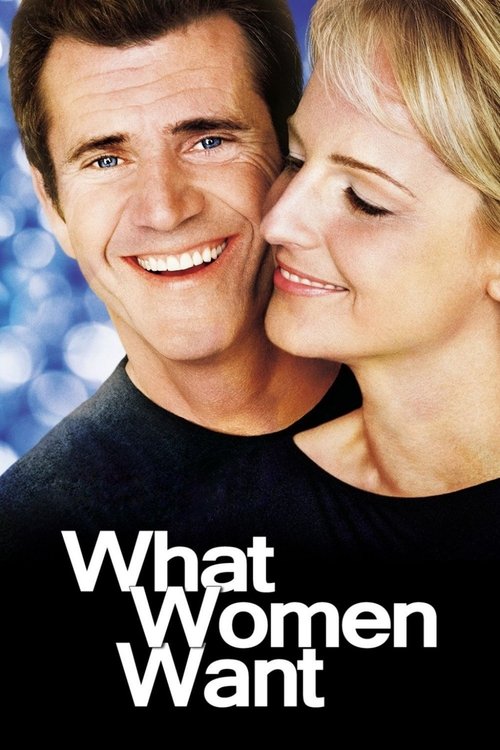
Before the Marvel Cinematic Universe turned every blockbuster into a multi-film homework assignment, the year 2000 gave us a different kind of titan: the high-concept superstar vehicle. You know the ones. A bankable lead gets hit by lightning, cursed by a witch, or—in the case of What Women Want—electrocuted in a bathtub while wearing Nike's latest running gear and a pair of control-top pantyhose. It’s a premise that feels uniquely tethered to that turn-of-the-millennium sweet spot, where "soft" sci-fi was just an excuse to see a macho man get in touch with his feminine side.
I watched this recently on a Tuesday evening while eating a bowl of cereal that had gone slightly soggy because I spent too much time trying to find the remote, and honestly, the film’s glossy, high-production comfort was exactly what the doctor ordered. This isn't just a movie; it's a $70 million time capsule of Nancy Meyers’ kitchens, Frank Sinatra needles drops, and a version of Chicago that looks like it was scrubbed with a toothbrush every morning.
The Art of the Mel Gibson Pivot
At the time, Mel Gibson was the undisputed king of the mountain. He was coming off a decade of Lethal Weapon sequels and Braveheart, so seeing him pivot into a romantic comedy was a massive event. As Nick Marshall, he plays a chauvinistic advertising executive who thinks he’s God’s gift to the Windy City. When he's passed over for a promotion in favor of Helen Hunt’s Darcy McGuire, his world tilts. Then comes the accident, the telepathy, and the realization that women don’t actually want to sleep with him—they mostly just think he’s a massive tool.
Gibson’s performance is a masterclass in physical comedy that we don't really see from him anymore. The scene where he "tests" feminine products in his bathroom is legendary, but it’s his reaction shots—the wide-eyed horror of hearing a poodle's internal monologue or a room full of women's anxieties—that carry the film. Watching Nick Marshall's redemption arc feels like watching a wolf learn to bark like a golden retriever for treats. It’s cynical, sure, but Gibson sells the transformation with enough "aw-shucks" charisma that you almost forget he’s essentially gaslighting his way into his boss's heart for the first two acts.
A Masterclass in Aspirational Advertising

What strikes me looking back is how much this film functions as a two-hour commercial that actually works. The central plot revolves around a pitch for Nike, and the "No Games" campaign featured in the movie felt so authentic that it actually influenced real-world advertising trends. Director Nancy Meyers (who also gave us the aesthetic perfection of The Holiday and Something's Gotta Give) has an incredible eye for the way we wish our lives looked. Every office is mahogany and glass; every apartment is a loft that no mid-level ad exec could ever actually afford.
Helen Hunt is the secret weapon here. Fresh off her Oscar win for As Good as It Gets, she brings a grounded, intellectual weight to Darcy. She isn't a "rom-com klutz" or a "shrew who needs to be tamed." She’s just better at her job than Nick is. Their chemistry works because she plays it straight while he’s vibrating with the secret knowledge of her inner thoughts. It’s also worth shouting out Marisa Tomei as Lola, the neurotic coffee shop actress. She’s only in a handful of scenes, but she steals every single one of them with a manic energy that provides a necessary jolt of caffeine to the film’s middle section.
The $374 Million Cultural Footprint
We have to talk about the sheer scale of this movie's success. It didn't just do well; it became a global phenomenon, raking in over $374 million. To put that in perspective, it was the fourth highest-grossing film of 2000 in the U.S., beating out Cast Away and X-Men. It captured a cultural moment where the "Battle of the Sexes" was the primary engine of mainstream comedy.
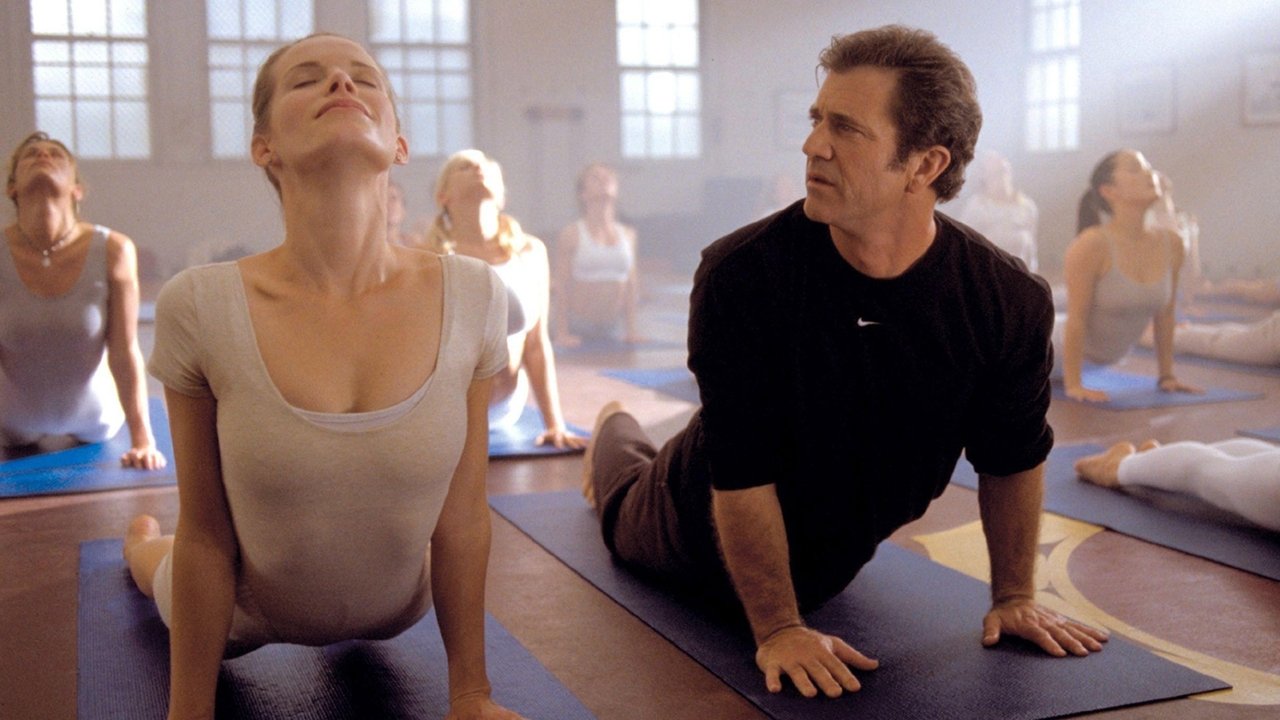
In retrospect, the film is a fascinating bridge between the 90s and the modern era. It handles some themes—like the suicide-adjacent thoughts of a marginalized office worker played by Judy Greer—with a surprising amount of grace, while other jokes about gender roles feel like they were written on a different planet. The DVD release was a staple of every household for a decade; I distinctly remember the "Behind the Scenes" featurette where Mel Gibson actually waxed his legs for the role, a piece of trivia that feels like it belongs in the "Actor Commitment" Hall of Fame alongside Christian Bale losing weight for The Machinist.
Ultimately, What Women Want is the quintessential "Sunday Afternoon" movie. It’s polished, occasionally poignant, and anchored by a cast that knows exactly what kind of movie they are in. While the third act drags a bit and the resolution of the "power" is a bit of a convenient "deus ex machina," the journey is incredibly pleasant. It’s a reminder of a time when Hollywood could make a massive, star-driven comedy that didn’t need a cape or a sequel to find an audience. If you haven't revisited Nick Marshall’s mental eavesdropping lately, give it a spin—if only to see Alan Alda being his charmingly corporate self as the head of the agency.
The film manages to be both a relic of its time and a surprisingly durable piece of entertainment. It’s a movie that understands its audience perfectly, providing exactly the mix of slapstick and sentimentality required to dominate the box office. Even twenty-four years later, there’s something undeniably fun about watching a guy who thinks he knows everything realize he doesn’t know the first thing about the people standing right in front of him.

Keep Exploring...
-

Something's Gotta Give
2003
-

The Parent Trap
1998
-

The Holiday
2006
-

It's Complicated
2009
-
As Good as It Gets
1997
-
Bird on a Wire
1990
-

13 Going on 30
2004
-
Jerry Maguire
1996
-

George of the Jungle
1997
-

Stepmom
1998
-

You've Got Mail
1998
-

Runaway Bride
1999
-
Meet the Parents
2000
-

Mr. Deeds
2002
-

Two Weeks Notice
2002
-
American Wedding
2003
-

How to Lose a Guy in 10 Days
2003
-

Meet the Fockers
2004
-
Shall We Dance?
2004
-

Shrek 2
2004