X-Men
"The evolution of the blockbuster starts here."
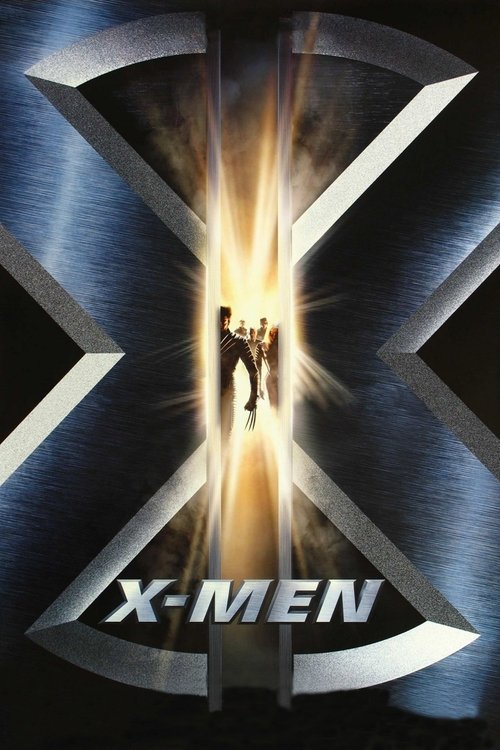
The year 2000 was a strange, transitional puberty for cinema. We had just survived the Y2K bug that wasn't, the internet was still a series of screeching dial-up tones, and Hollywood was desperately trying to figure out how to make comic book characters look "cool" without the camp of the 1960s or the neon-soaked disasters of the late 90s. Then came the opening scene of X-Men: a rain-lashed, gray-scale sequence in 1944 Poland. No capes, no quips—just a boy, a barbed-wire fence, and the terrifying manifestation of magnetic power. It was a statement of intent: the "funny books" had grown up, and they were trading primary-colored spandex for tactical black leather.

The Leather-Clad Revolution
I recently revisited this on a rainy Tuesday while eating a slightly stale bagel that I’m pretty sure was harder than Ian McKellen’s resolve, and it’s fascinating how much this film dictates the DNA of everything we see in the MCU today. Directed by Bryan Singer (who brought that The Usual Suspects tension to the table) and written by David Hayter (yes, the voice of Solid Snake in Metal Gear Solid), X-Men had the unenviable task of explaining "mutants" to a general public that still thought "Logan" was just a city in Utah.
The solution was the "Matrix effect." If it’s black, sleek, and slightly shiny, the audience will take it seriously. It’s a very 2000s aesthetic choice, and while Wolverine’s hair looks like a startled owl in several scenes, the grounded approach works. By focusing on the philosophical rift between Patrick Stewart’s Charles Xavier and Ian McKellen’s Magneto—two titans of the British stage essentially playing a high-stakes game of chess with human lives—the film gained a gravitas that masked its relatively modest $75 million budget.
Lightning in a Casting Bottle
We have to talk about Hugh Jackman. At the time, he was a literal "who?" from Australia, a musical theater veteran stepping into a role originally meant for Dougray Scott. Watching him here is like seeing a star being born in real-time. He brings a physicality to Logan that feels dangerous but wounded. His chemistry with Anna Paquin’s Rogue provides the emotional spine the movie needs; without their surrogate father-daughter bond, the whole thing would just be people throwing CGI at each other in the woods.
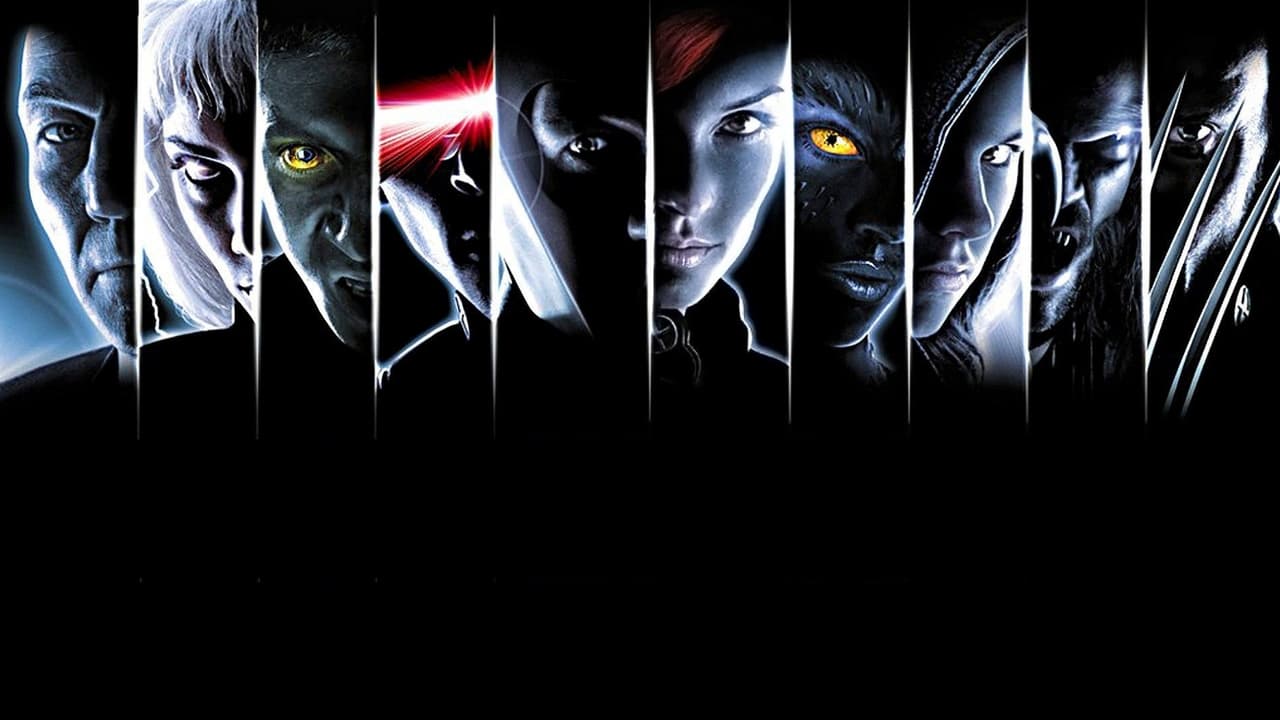
On the flip side, some of the ensemble gets the short end of the stick. James Marsden as Cyclops is essentially a sentient piece of cardboard here, relegated to being the "boring boyfriend" while Logan hits on Famke Janssen’s Jean Grey. And then there’s Halle Berry. Fresh off her success in Bulworth, she’s stuck with a shifting African accent that disappears faster than a mutant in a crowd, not to mention that infamous line about what happens to a toad when it's hit by lightning. It’s the kind of dialogue that makes you want to pause the movie and apologize to your speakers.
Pacing, Stunts, and the "Water" Problem
For an action film, X-Men is surprisingly lean. At 104 minutes, it moves with a clip that modern three-hour epics could learn from. The action choreography, handled largely by second-unit teams and stunt coordinators like Glenn Boswell (The Matrix), favors quick, brutal bursts over long, flowery dances. The train station fight is a highlight, specifically the moment Magneto halts the police entirely by pointing at their own guns. It’s simple, effective, and visually clear—something lost in the "shaky cam" era that followed.
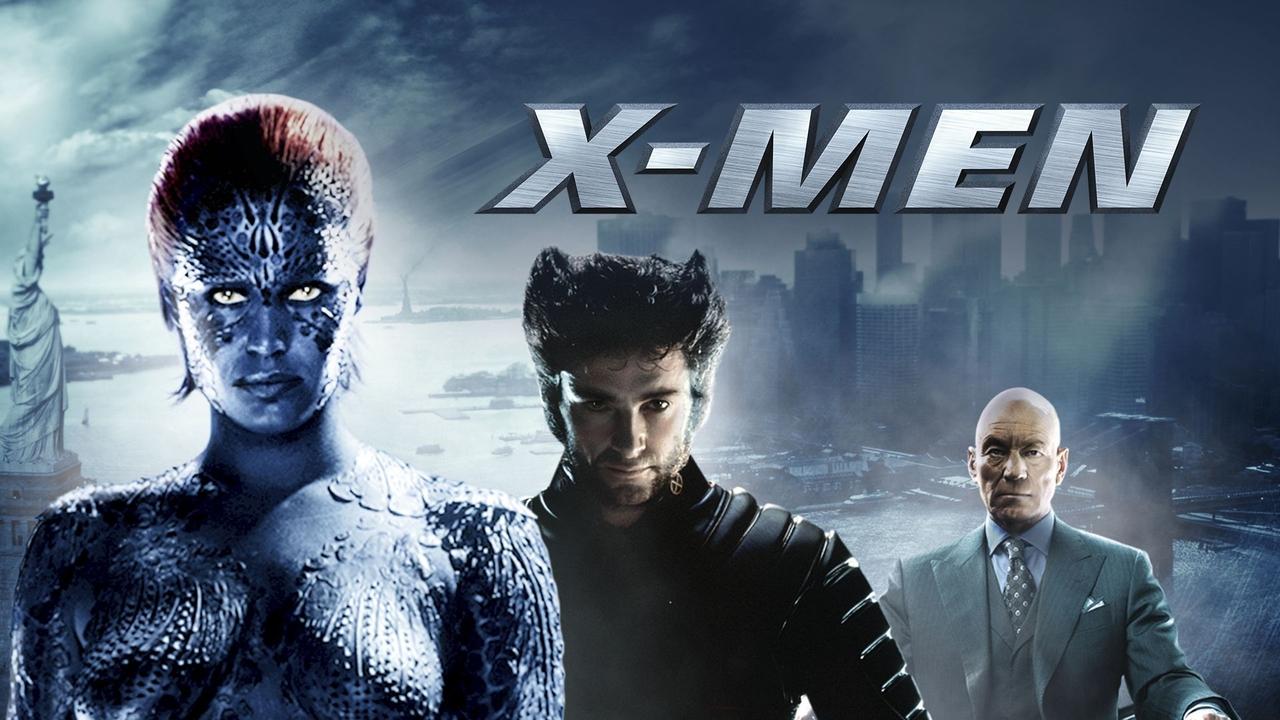
The CGI is where the "Modern Cinema" era shows its age. The scene where Senator Kelly (Bruce Davison) turns into a literal bag of water and squeezes through bars was groundbreaking for the time, handled by the wizards at Digital Domain. Looking at it now, it has that slightly "uncanny valley" shimmer of early 2000s tech. However, the film wisely leans on practical sets and makeup where possible. Rebecca Romijn spent nine hours a day having blue silicone scales glued to her skin to play Mystique, and that tactile reality makes her fight with Wolverine in the Statue of Liberty feel much more "real" than any modern green-screen brawl.
The Legacy of the X
X-Men was a monster hit, raking in nearly $300 million and proving that audiences craved serialized storytelling. It paved the way for Sam Raimi's Spider-Man and eventually the interconnected universe model. It captured that post-9/11 anxiety slightly ahead of schedule—the fear of "the other," the debate between security and freedom, and the struggle for civil rights masked by cool powers.
Is it perfect? No. The final battle at the Statue of Liberty feels a bit small-scale by today's standards, and the "black leather" era of superhero costumes is a trend I’m glad we’ve moved past. But as a piece of craft, it’s remarkably sturdy. It respects its source material while translating it for a cynical world. It’s the film that told us it was okay to take these stories seriously, and for that, it remains a pillar of the genre.
Ultimately, X-Men succeeds because it understands that the "X" doesn't stand for "X-tra explosions," but for the "X-factor" of human (and mutant) emotion. It’s a film about finding a family when the world rejects you, anchored by a once-in-a-lifetime cast that made us believe a man could have metal claws and a soul to match. It’s the rare blockbuster that feels both like a product of its time and a blueprint for the future.

Keep Exploring...
-
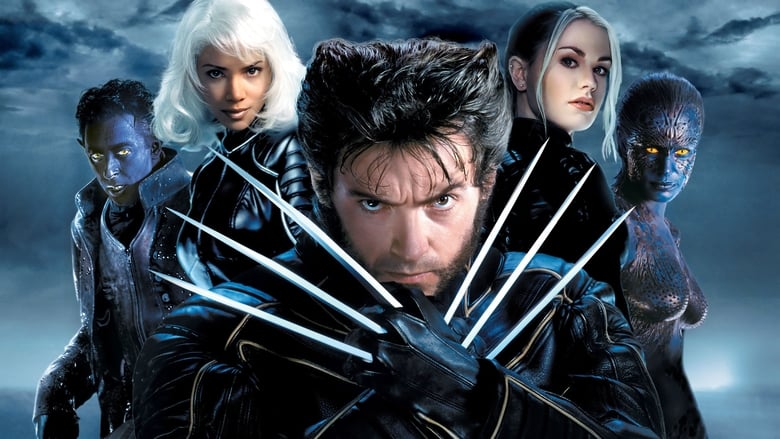
X2
2003
-
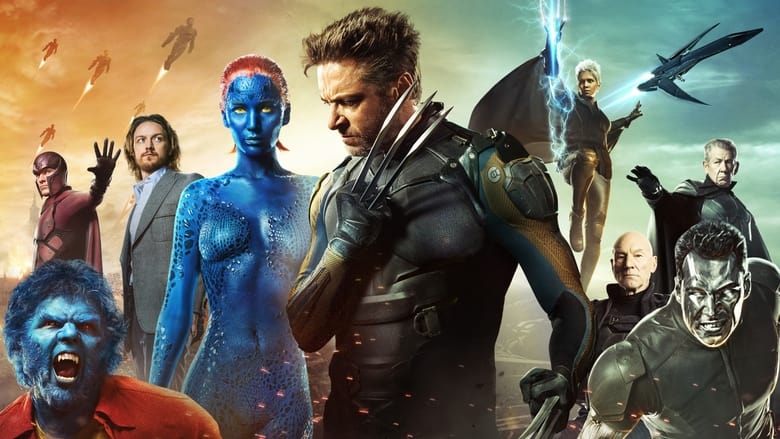
X-Men: Days of Future Past
2014
-

X-Men: The Last Stand
2006
-
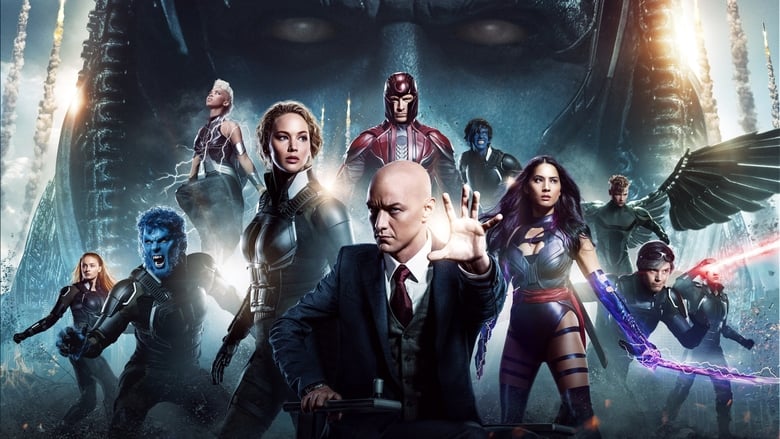
X-Men: Apocalypse
2016
-

X-Men: First Class
2011
-
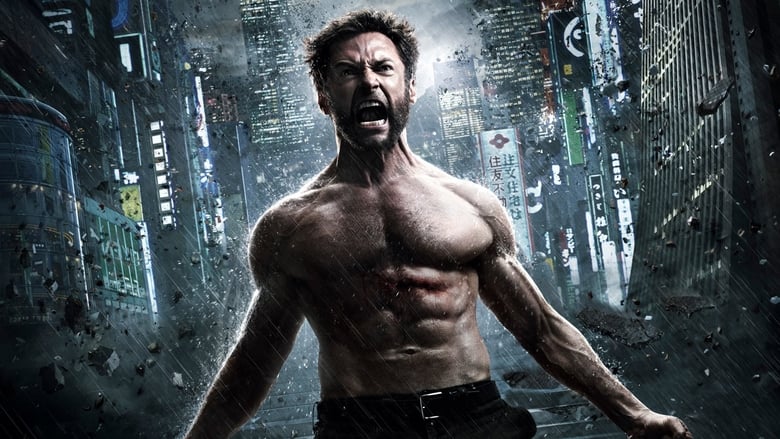
The Wolverine
2013
-
Superman Returns
2006
-
Independence Day
1996
-
Men in Black
1997
-

The Lost World: Jurassic Park
1997
-
Armageddon
1998
-

Star Wars: Episode I - The Phantom Menace
1999
-

Jurassic Park III
2001
-

Star Wars: Episode II - Attack of the Clones
2002
-

The Matrix Reloaded
2003
-
Spider-Man 2
2004
-

Star Wars: Episode III - Revenge of the Sith
2005
-
Star Trek: First Contact
1996
-
Total Recall
1990
-
Stargate
1994