A Knight's Tale
"Winning is a state of mind."
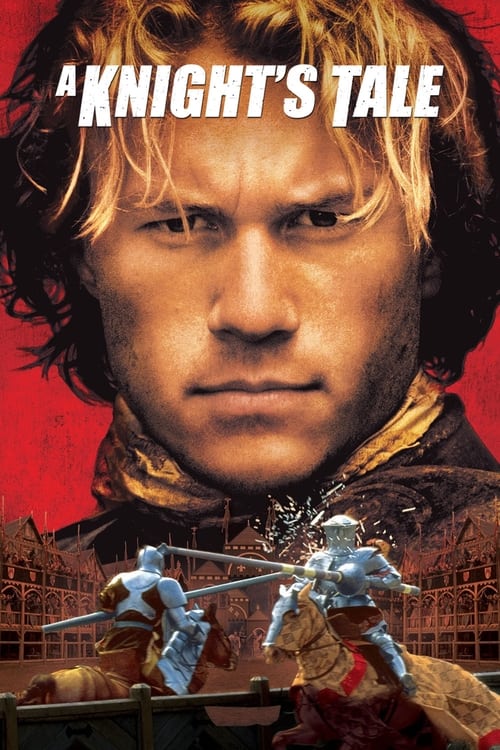
The first time I saw the crowd in 14th-century London start rhythmically clapping and stomping to Queen’s "We Will Rock You," I remember thinking I’d walked into the wrong theater. I was halfway through a large blue Raspberry Slushie that was definitely more corn syrup than fruit, and I nearly choked on a piece of ice. It was 2001, and historical dramas were supposed to be "important" and "stuffy." They were supposed to look like Gladiator or Braveheart. Instead, director Brian Helgeland—the guy who wrote the gritty noir L.A. Confidential—gave us a sports movie wrapped in armor and fueled by stadium rock.
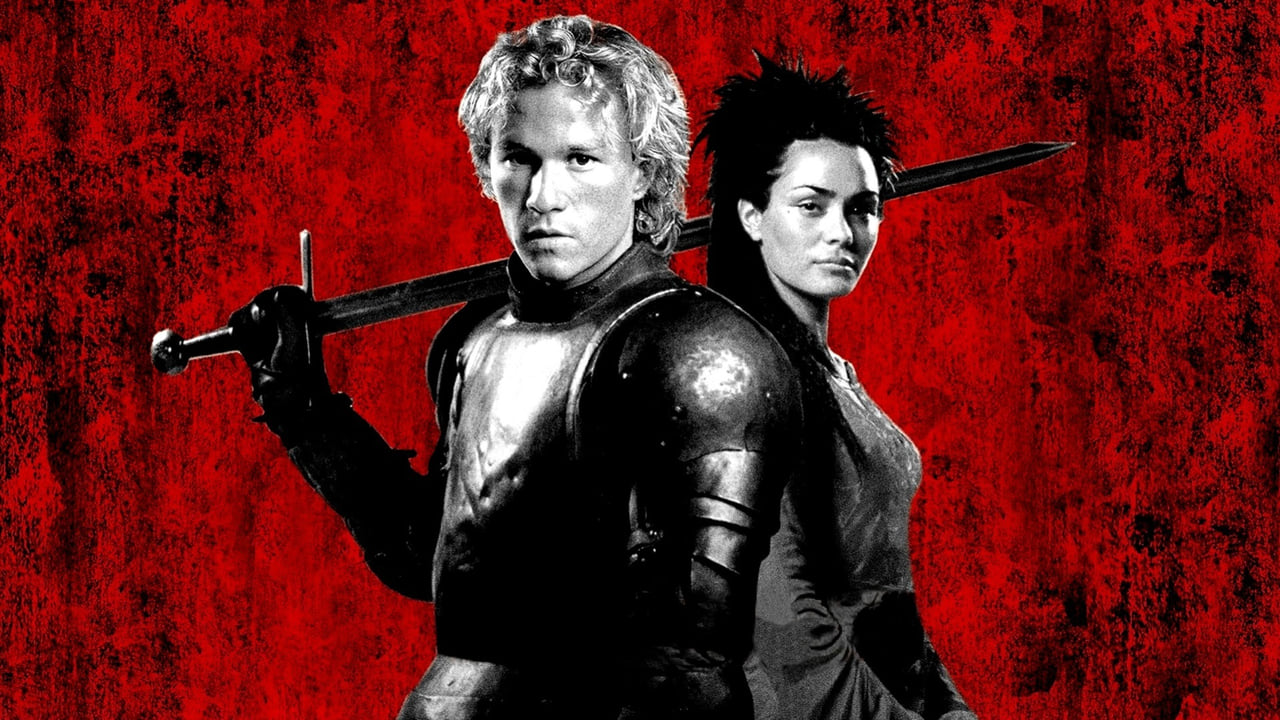
Looking back, A Knight's Tale is a fascinating artifact of the turn of the millennium. It sits right in that sweet spot where CGI was starting to take over, yet the film stayed stubbornly committed to the physical. It’s a movie that understands that while the history books are dry, the people living back then were probably just as loud, horny, and obsessed with celebrity as we are today.
The Heavy Metal of Jousting
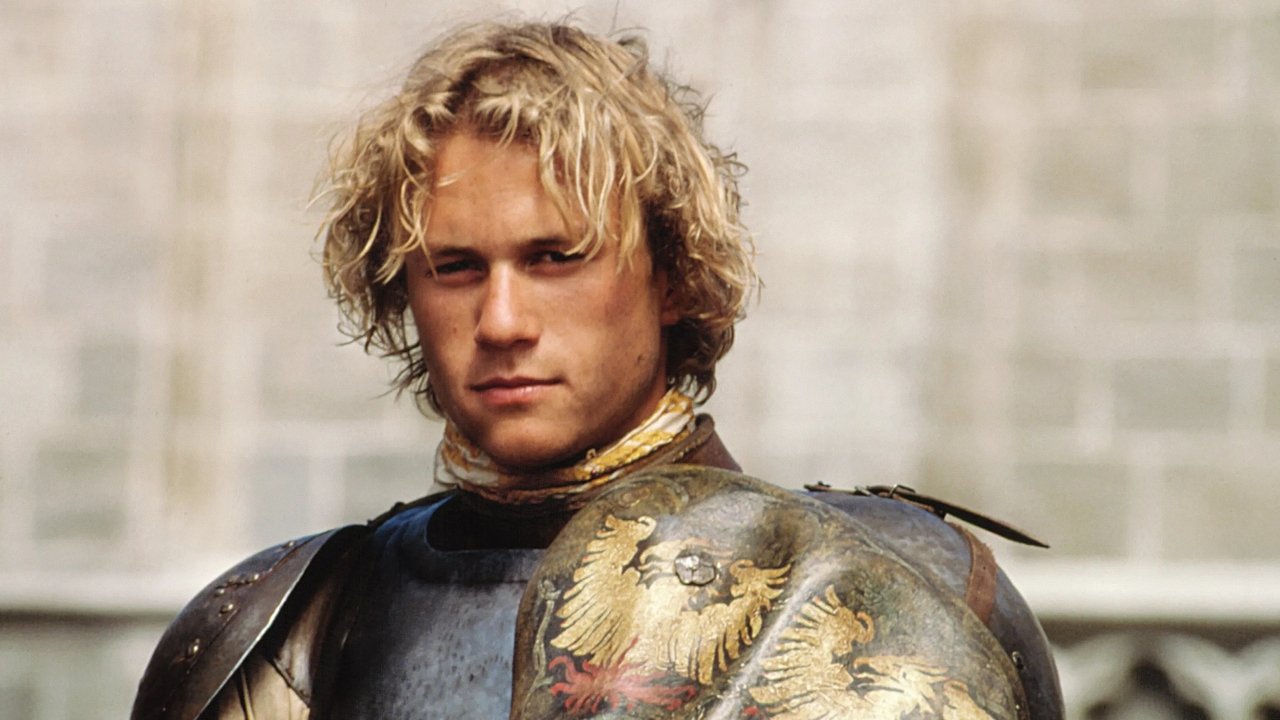
Most action movies of the early 2000s were starting to lean heavily into the "Matrix-style" wire-work or the emerging trend of shaky-cam. A Knight's Tale went the other way. The jousting sequences are remarkably legible and physically punishing. There is a weight to the collisions that you just don't get with digital doubles. Helgeland and his stunt team used actual lances made of balsa wood that were hollowed out and filled with linguine (yes, dried pasta) to ensure they would splinter spectacularly upon impact.
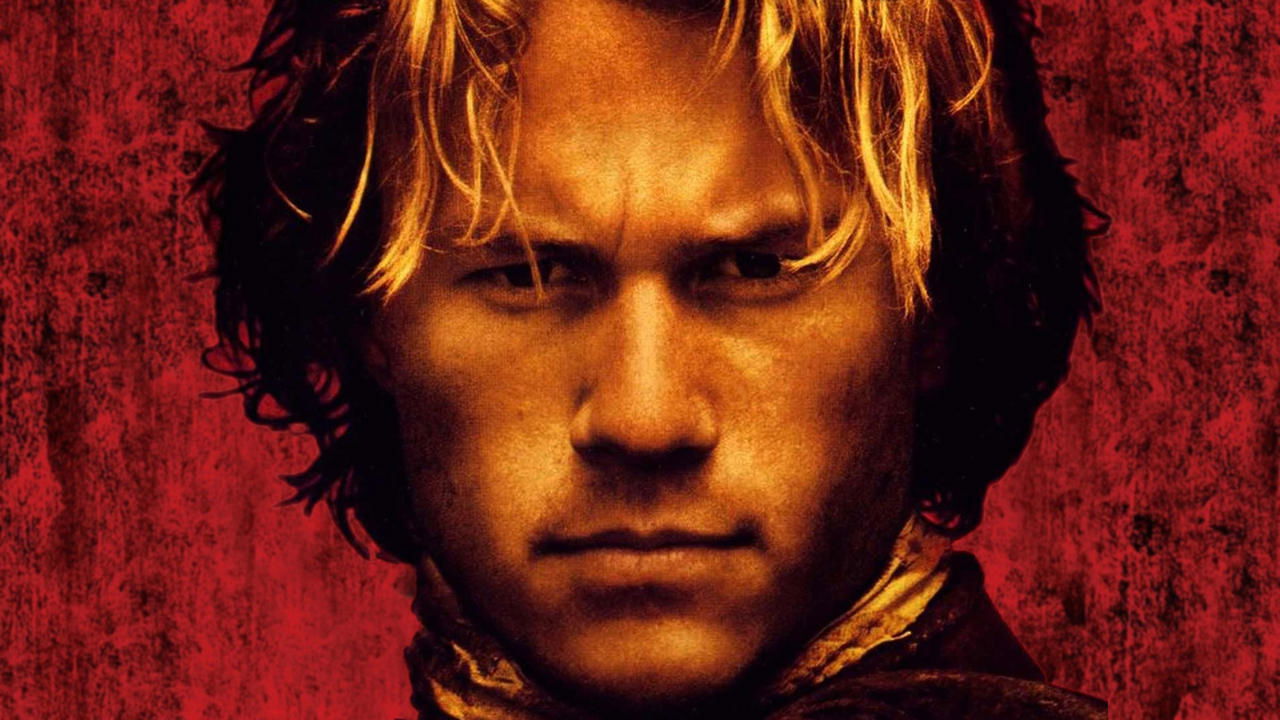
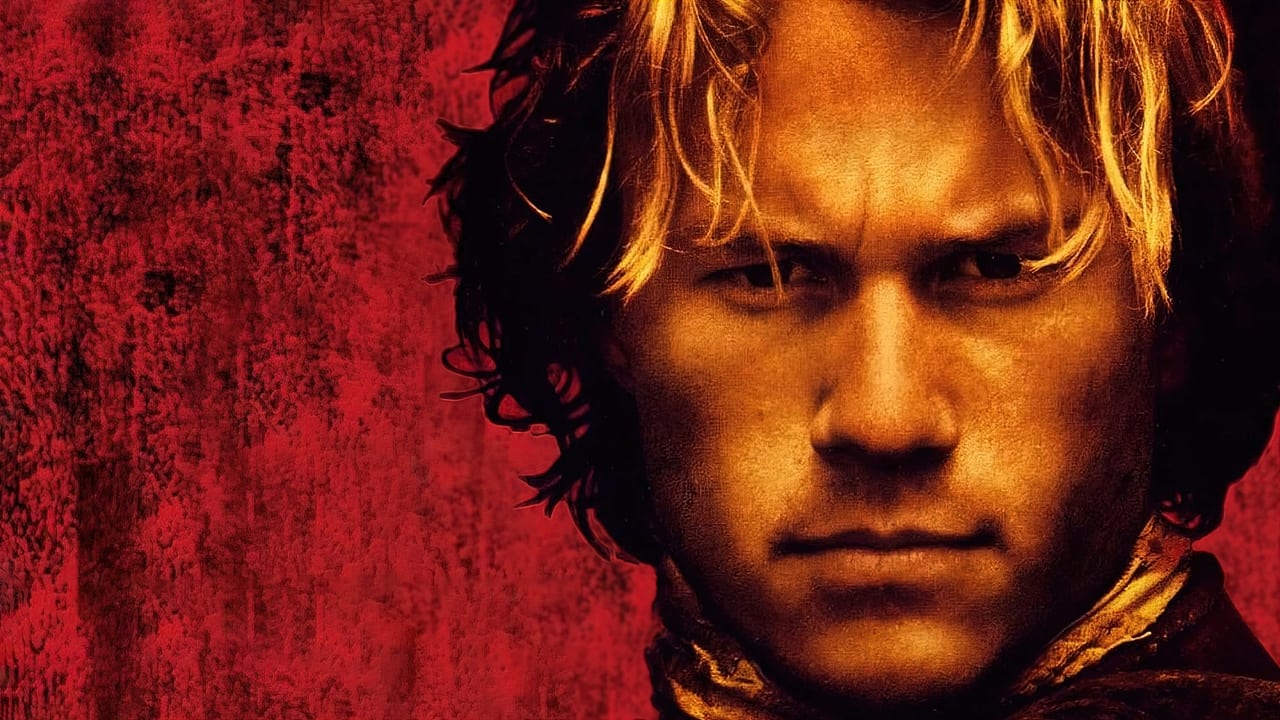
The sound design here is the MVP. Every time a lance shatters against a breastplate, it sounds like a car crash in a library. It’s an aggressive, percussive experience that earns the rock soundtrack. The choreography of the "tilt" (the jousting lane) is repetitive by nature, but the film manages to escalate the tension by focusing on the minute details: the narrowing of the eyes behind a visor, the grip on the reins, and the sheer velocity of the horses. Heath Ledger, playing the peasant-turned-knight William Thatcher, has a physical presence here that felt like a changing of the guard. He wasn't just a "pretty boy" from 10 Things I Hate About You; he was a leading man who could sell the grime and the glory.
A Cast That Stole the Show
While Ledger is the heart, Paul Bettany is the soul of this film as Geoffrey Chaucer. Long before he was an AI or a synthoid in the MCU, Paul Bettany was a gambling-addicted poet who introduced his fighters like a WWE ringside announcer. His "The Phoenix, the Hope of Hope" speech is a masterclass in hype-man energy. Apparently, Bettany’s performance was so loud and intense that he actually lost his voice several times during filming, and you can hear that raspy, lived-in desperation in every scene.
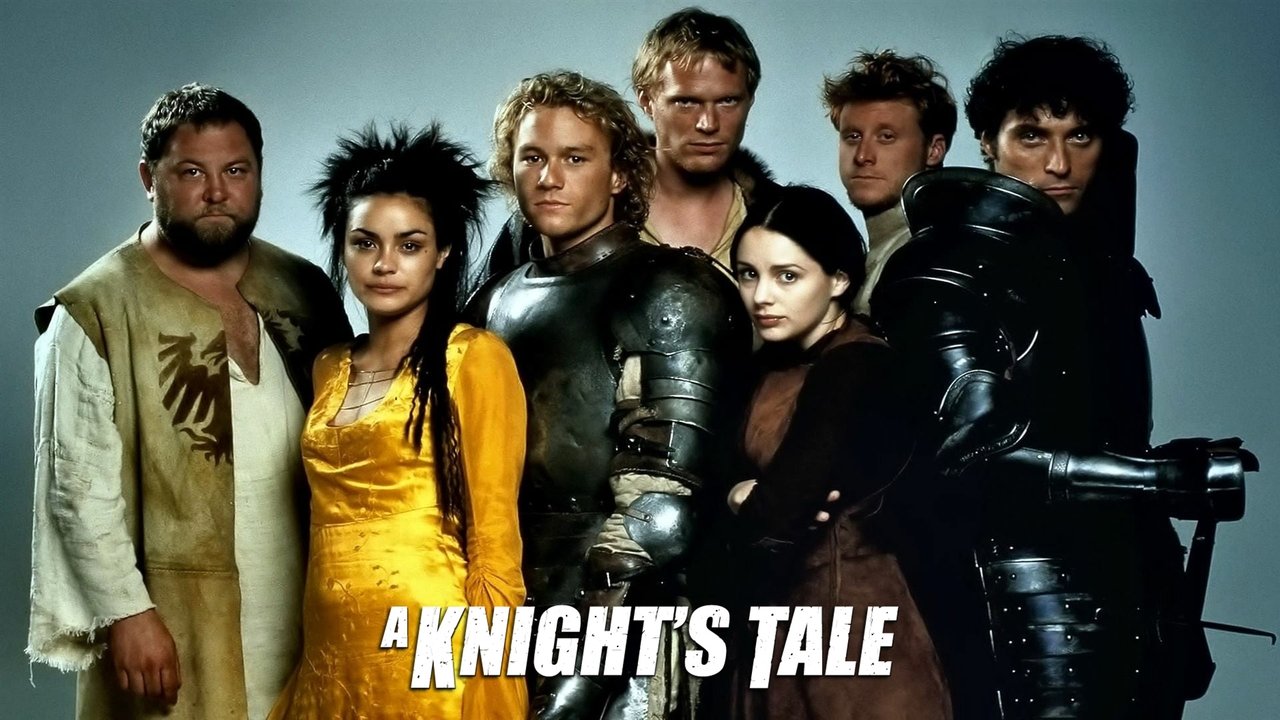
Then you have Rufus Sewell as Count Adhemar. Rufus Sewell is essentially the final boss of sneering, upper-class cinematic villainy. He doesn’t just play the antagonist; he plays a man who is offended by the very concept of the lower class breathing the same air as him. Opposing him is the warm, grounded trio of Mark Addy, Alan Tudyk, and Laura Fraser. Their chemistry feels like a genuine found family, which is why the movie works as a "hangout film" as much as an action flick. Shannyn Sossamon brings a cool, modern edge to the "lady" role, even if her costumes—looking more like 1990s high fashion than medieval wear—were the cinematic equivalent of a Nike logo on a statue of David.
The DVD Era and the Cult Growth
I remember spending hours on the DVD special features for this one. This was the peak of the "Special Edition" era, where you’d get these deep-dive featurettes on how they trained the actors to ride. It turns out Heath Ledger actually knocked out one of Brian Helgeland's teeth during a rehearsal when he got too enthusiastic with a broomstick-turned-lance. That’s the kind of production trivia that made us feel connected to the films back then.
Initial critics were mixed, often scoffing at the anachronisms. They didn't get that the music and the modern dialogue weren't "mistakes"—they were a translation. To a kid in the 1300s, a joust was exactly as loud and exciting as a rock concert. The movie bombed in some markets but became a staple of cable TV and dormitory DVD players. It’s a cult classic because it refuses to be cynical. It’s a movie about "changing your stars," a theme that resonated deeply in that pre-9/11 optimism where everything felt possible if you just had enough heart and a good soundtrack.
Ultimately, A Knight's Tale is a testament to the idea that vibes can sometimes trump historical accuracy. It’s a joyous, loud, and incredibly earnest film that showcases a superstar in the making and a director who knew exactly how to blend the old world with the new. It’s the kind of movie you stop and watch every time you find it while scrolling through a streaming list, purely because you want to hear Chaucer scream one more time.
Whether you're in it for the thumping Queen tracks or the genuinely impressive practical stunt work, it’s a film that remains undefeated in its lane. It’s a reminder that cinema doesn't always have to be a history lesson; sometimes, it just needs to be a riot. William Thatcher might have been a fake knight, but the movie is the real deal.
Keep Exploring...
-

Alexander
2004
-
Payback
1999
-
DragonHeart
1996
-
Dante's Peak
1997
-

The Perfect Storm
2000
-
King Arthur
2004
-

King Kong
2005
-
Kingdom of Heaven
2005
-
Casanova
2005
-

Crouching Tiger, Hidden Dragon
2000
-
The Lion King II: Simba's Pride
1998
-

The Fountain
2006
-
Man on Fire
2004
-
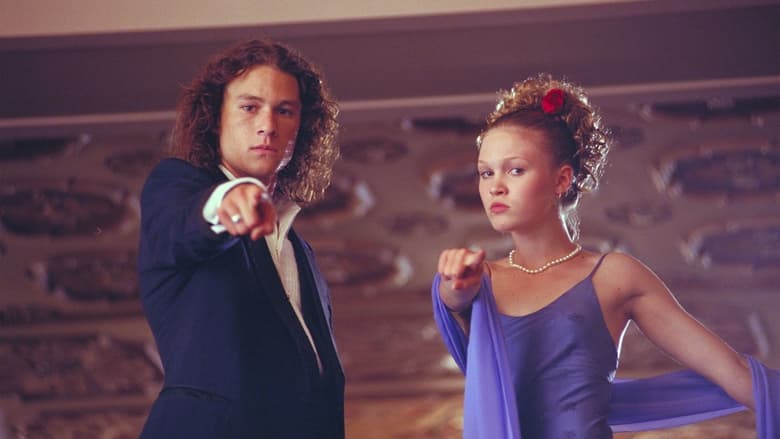
10 Things I Hate About You
1999
-
Green Zone
2010
-
Jack the Giant Slayer
2013
-
Executive Decision
1996
-

Twister
1996
-
The Saint
1997
-
Six Days Seven Nights
1998