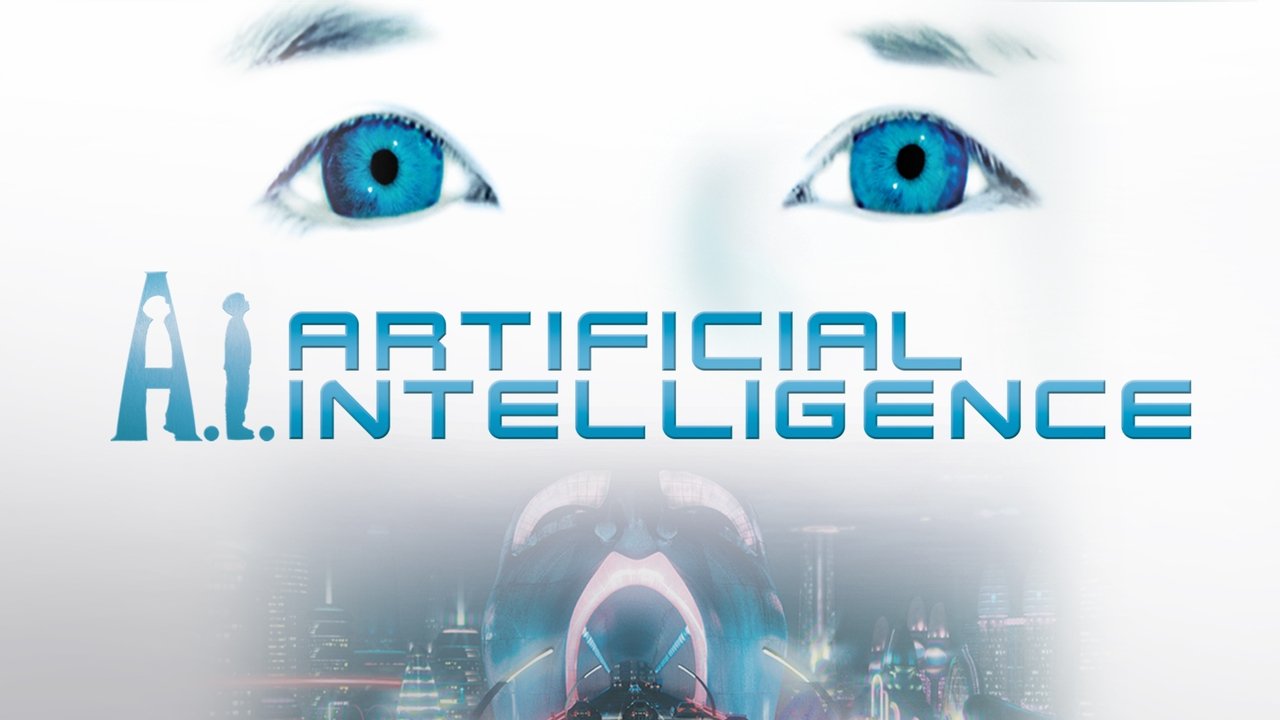
A.I. Artificial Intelligence
"A boy’s love outlives the human race."
I still can’t look at a bowl of spinach without feeling a twinge of existential dread. If you’ve seen the "eating" scene in A.I. Artificial Intelligence, you know exactly why. It’s the moment the domestic fantasy of the Swinton family curdles into something mechanical and grotesque. I watched this most recently on a Tuesday evening while eating a bowl of lukewarm cereal, and the sound of my own chewing felt aggressively, almost annoyingly human compared to David’s eerie, programmed silence.
A.I. is one of the strangest artifacts of the turn of the millennium. It’s a "biological" hybrid of two directors who couldn't be more different: the cold, calculated cynicism of Stanley Kubrick and the wide-eyed, suburban wonder of Steven Spielberg (E.T. the Extra-Terrestrial, Jurassic Park). Kubrick developed the project for decades but waited for CGI technology to catch up to his vision, eventually passing the torch to Spielberg before his death. The result is a film that feels like a fairy tale told by someone who is having a very sophisticated nervous breakdown.
The Boy Who Never Blinks
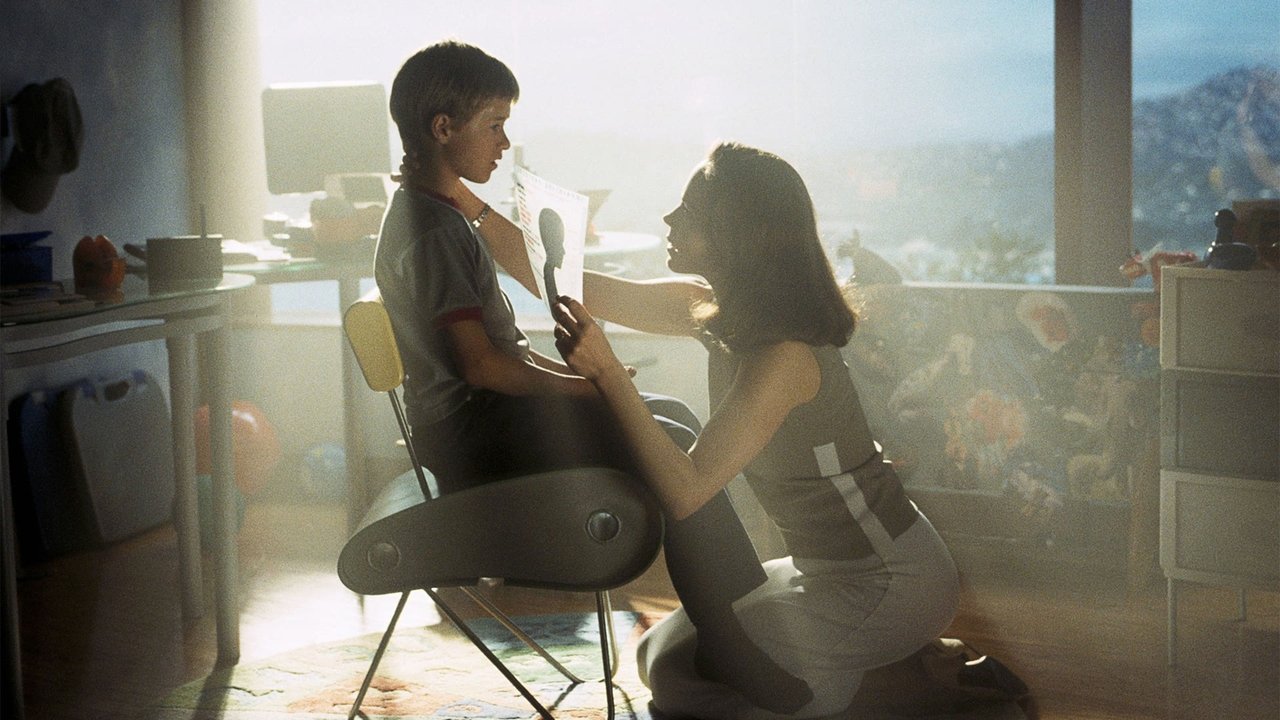
At the heart of the film is Haley Joel Osment, fresh off his success in The Sixth Sense. His performance as David, the first Mecha child programmed to feel "real" love, is nothing short of miraculous. Apparently, it was Osment himself who suggested that David should never blink to maintain his robotic nature. It’s a subtle choice that makes his presence deeply unsettling, even when he’s just sitting at a dinner table.
When David is "imprinted" by his human mother, Monica (Frances O'Connor), the film taps into a primal, terrifying vein of parental anxiety. We see the joy of a child’s love, but it’s stripped of its organic messiness and turned into a permanent, unchangeable command. Osment plays this with a heartbreaking sincerity that makes the eventual abandonment in the woods—a sequence that rivals the opening of Bambi for pure emotional trauma—nearly unbearable. It’s a movie that hates its audience just enough to make them think, and that tension is where the brilliance lies.
A Masterclass in Y2K Craft
Watching this twenty-odd years later, I’m struck by how well the visual effects hold up. This was the dawn of the CGI revolution, a time when Spielberg was pushing the boundaries of what Industrial Light & Magic could do. Yet, A.I. succeeds because it balances that digital wizardry with incredible practical work. Teddy, the super-toy bear who acts as David’s cynical sidekick, was a complex animatronic that feels more "real" than half the Marvel villains of the last decade.
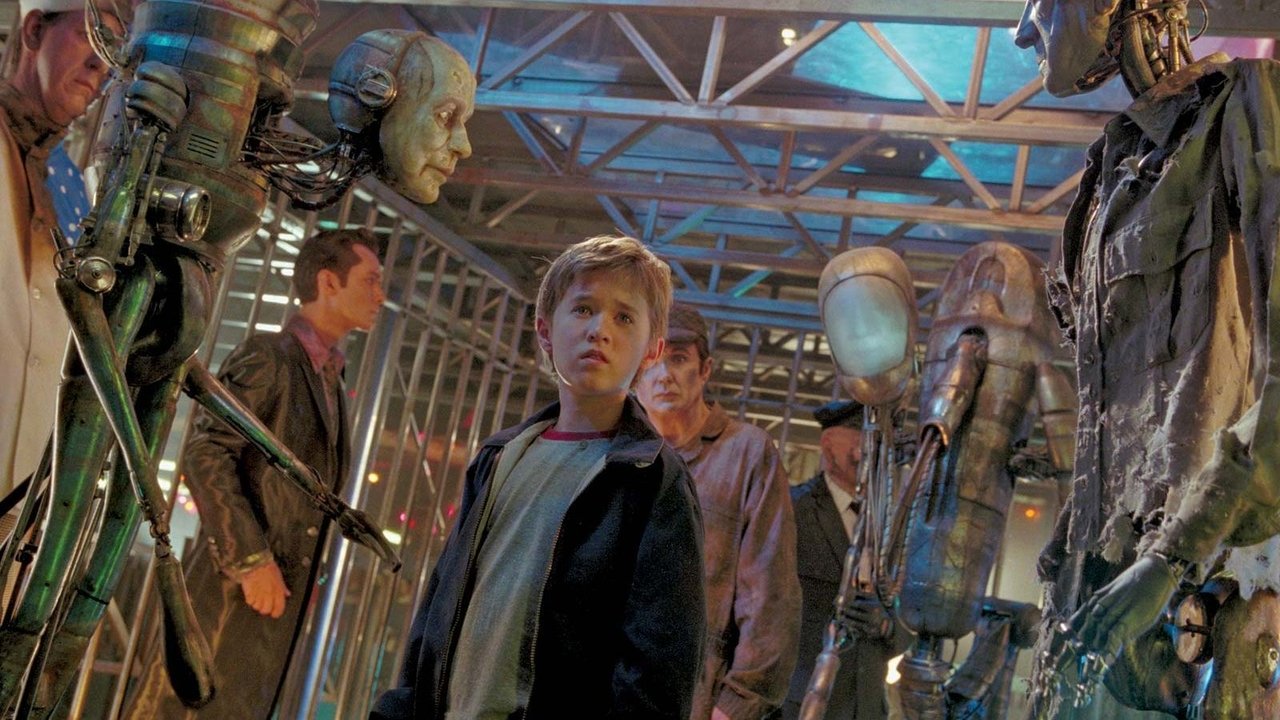
Then there’s Gigolo Joe. Jude Law (The Talented Mr. Ripley) is an absolute revelation here. To prepare for the role of a love-bot on the run, Law reportedly studied the movements of Fred Astaire and Gene Kelly, infusing Joe with a rhythmic, slightly-too-smooth grace. Gigolo Joe is the most charismatic character ever written who also happens to be a walking sex appliance. His chemistry with Osment provides the film’s only real "buddy comedy" energy, even as they navigate the horrific "Flesh Fair," a sequence that captures the dark, industrial anxieties of the early 2000s perfectly.
The Ending Everyone Misunderstands
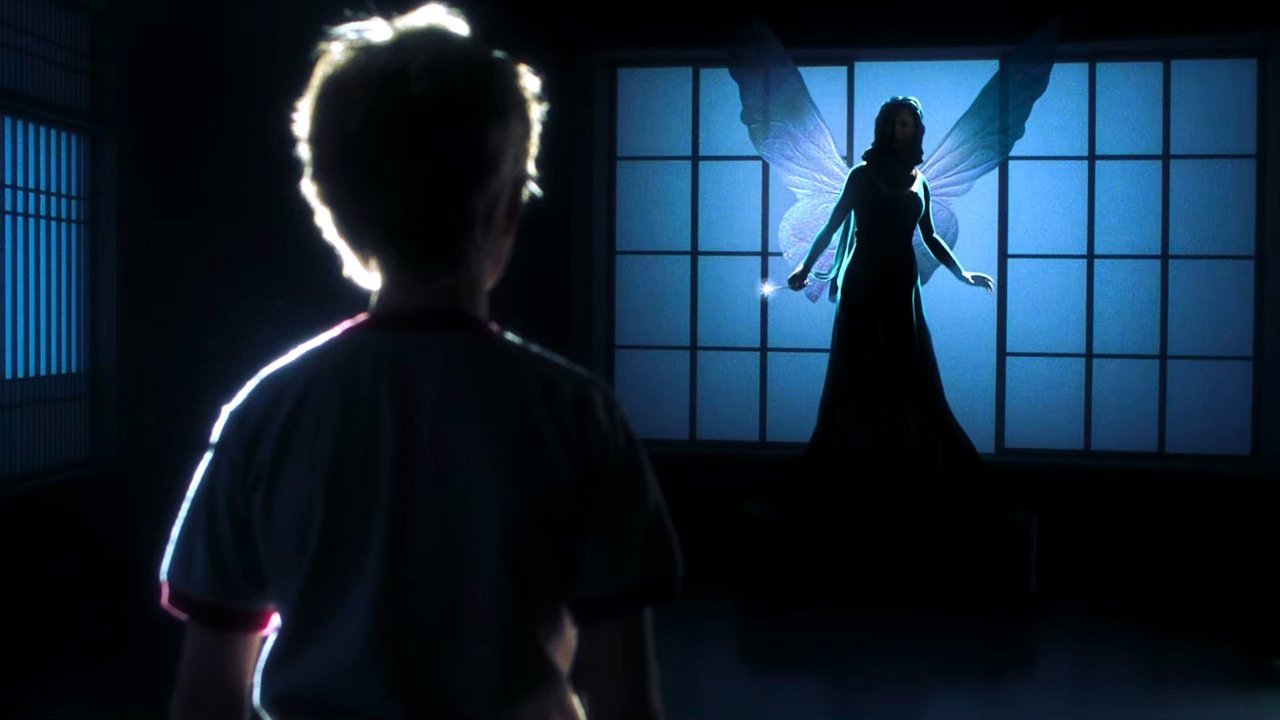
We have to talk about the final act. For years, critics complained that Spielberg "sugared" Kubrick’s dark ending by adding a sentimental coda 2,000 years in the future. But looking back, that criticism feels totally off-base. Those elegant, spindly creatures at the end aren't aliens—they’re highly evolved Mecha who have outlived their creators.
The ending isn't a happy one. It’s a simulation of a memory, a fleeting moment of manufactured peace before the inevitable heat death of the universe. It’s devastatingly lonely. Spielberg used his signature "warm" lighting (courtesy of cinematographer Janusz Kamiński) to mask a conclusion that is actually much bleaker than anything Kubrick likely intended. It’s a story about the things we leave behind—our trash, our tech, and our desperate, illogical need to be loved.
The film didn't set the box office on fire in 2001, perhaps because audiences weren't ready for a "Pinocchio" story that ends with the extinction of the human race. But over time, its cult status has grown. It’s a bridge between the analog past and our increasingly digital future, and it asks questions about AI that feel more relevant today than they did twenty years ago.
A.I. Artificial Intelligence is a rare bird: a big-budget studio film with the soul of an experimental art house piece. It’s visually arresting, emotionally exhausting, and features career-best work from its cast, especially William Hurt as the misguided creator, Professor Hobby. Whether you find it a masterpiece or a muddled mess, it’s a film that stays with you long after the credits roll. It’s the kind of cinema that makes you glad you’re a human, even if being a human is mostly just eating spinach and feeling sad.
Keep Exploring...
-

The Lost World: Jurassic Park
1997
-

War of the Worlds
2005
-
The Fountain
2006
-
Munich
2005
-
Jurassic Park
1993
-
The Adventures of Tintin
2011
-
DragonHeart
1996
-
Contact
1997
-
Dante's Peak
1997
-

Seven Years in Tibet
1997
-

Starship Troopers
1997
-

The Perfect Storm
2000
-
A Knight's Tale
2001
-
Atlantis: The Lost Empire
2001
-
Minority Report
2002
-
Spirit: Stallion of the Cimarron
2002
-
Treasure Planet
2002
-
Big Fish
2003
-
Master and Commander: The Far Side of the World
2003
-
The Life Aquatic with Steve Zissou
2004