Ali
"The Greatest legend, captured in a fever dream."
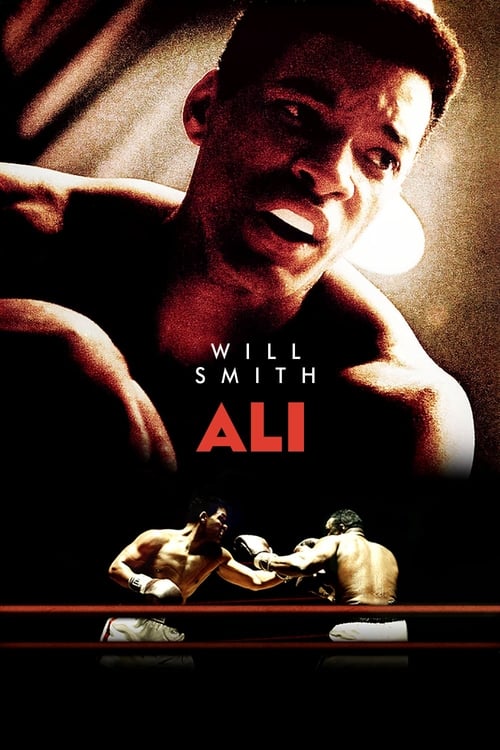
The first ten minutes of Michael Mann’s Ali are arguably the most electric sequence of the director's entire career. It’s a non-linear fever dream of a montage: Cassius Clay running through the dark streets of Miami, the rhythmic thwack-thwack-thwack of the speed bag, Sam Cooke belting out a medley at a crowded club, and the looming, terrifying shadow of Sonny Liston. There is no traditional "Once upon a time." Instead, Mann just drops you into the sweat and the soul of 1964. I watched this recently while eating a cold slice of leftover pepperoni pizza with a crust so resilient it felt like I was chewing on a boxing glove, and even that couldn't distract me from the sheer rhythmic confidence of that opening.
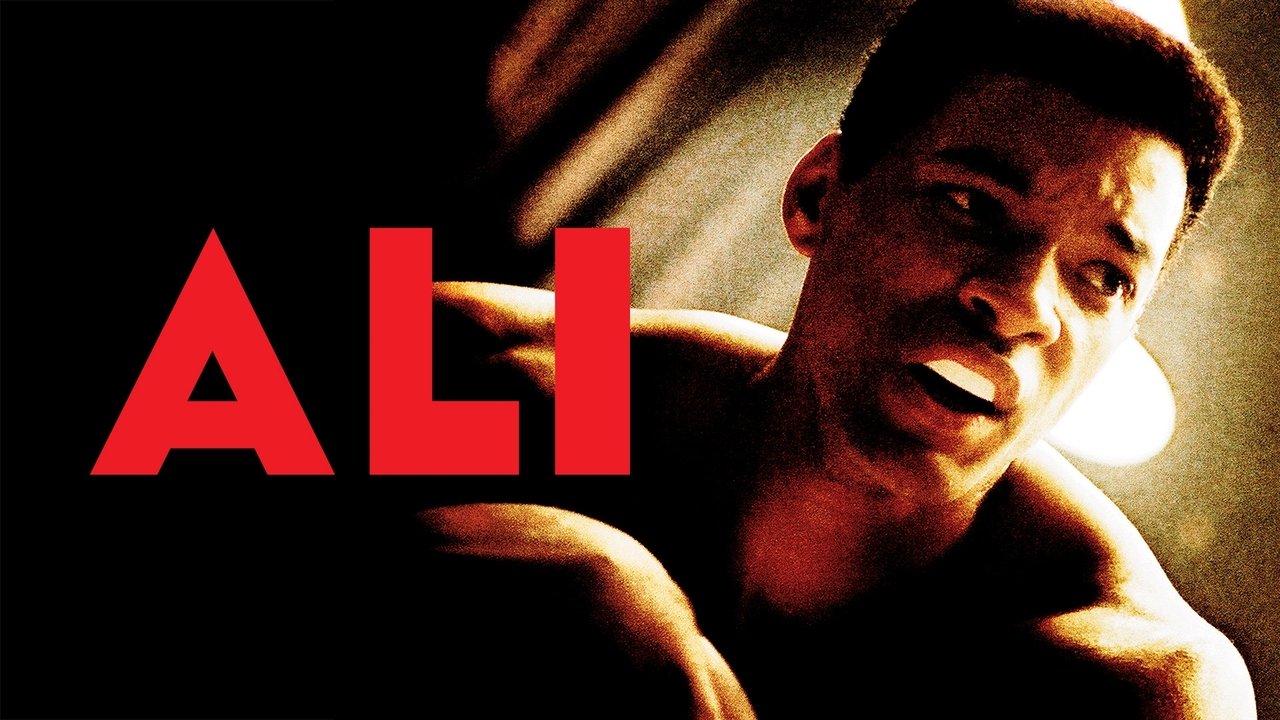
Yet, for all its style, Ali is a strange beast in the forest of Modern Cinema. Released in December 2001—a time when American audiences were seeking comfort and clear-cut heroism—this was a dense, moody, $100-million-dollar art film masquerading as a holiday blockbuster. It didn't just underperform; it practically vanished from the cultural conversation compared to Mann's other works like Heat. Looking back, it’s easy to see why. This isn’t a "greatest hits" biopic. It doesn't care about Ali’s childhood or his later years. It’s a surgical ten-year slice of a man’s life that prioritizes atmosphere over exposition.
The Transformation of the Fresh Prince
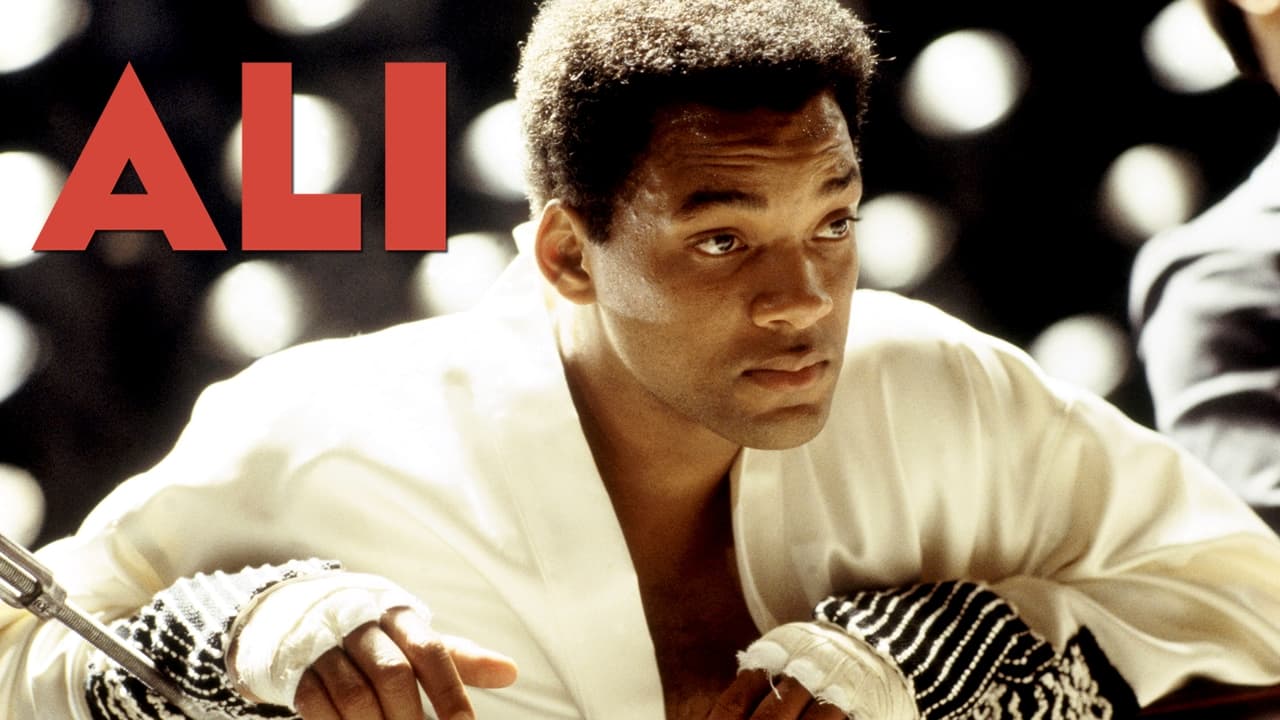
This was the moment Will Smith decided he wanted to be a "Serious Actor" with capital letters. In 2001, Smith was the king of the Fourth of July, the guy who made wisecracks while shooting aliens. Seeing him inhabit the skin of Muhammad Ali was a genuine shock to the system. He didn't just do an impression; he captured the cadence, the arrogance, and the hidden vulnerability of a man who was constantly performing for a world that wanted to silence him.
The physicality is what really floors me. Smith spent a year training, and you can see it in the way he moves—the "Ali Shuffle" isn't just a gimmick here; it’s a tactical choice. He’s joined by Jamie Foxx as Drew ‘Bundini’ Brown, Ali’s hype-man and spiritual anchor. Before he was an Oscar winner, Jamie Foxx was the secret weapon of this movie, bringing a frantic, tragic energy to the corner of the ring. And then there’s Jon Voight as Howard Cosell. I’ll be honest: Jon Voight looks like he’s wearing a prosthetic face made of expensive ham, yet he’s absolutely perfect. The chemistry between him and Smith captures that weird, symbiotic relationship between the boxer and the broadcaster that defined an era of sports television.
A Masterpiece of Textures
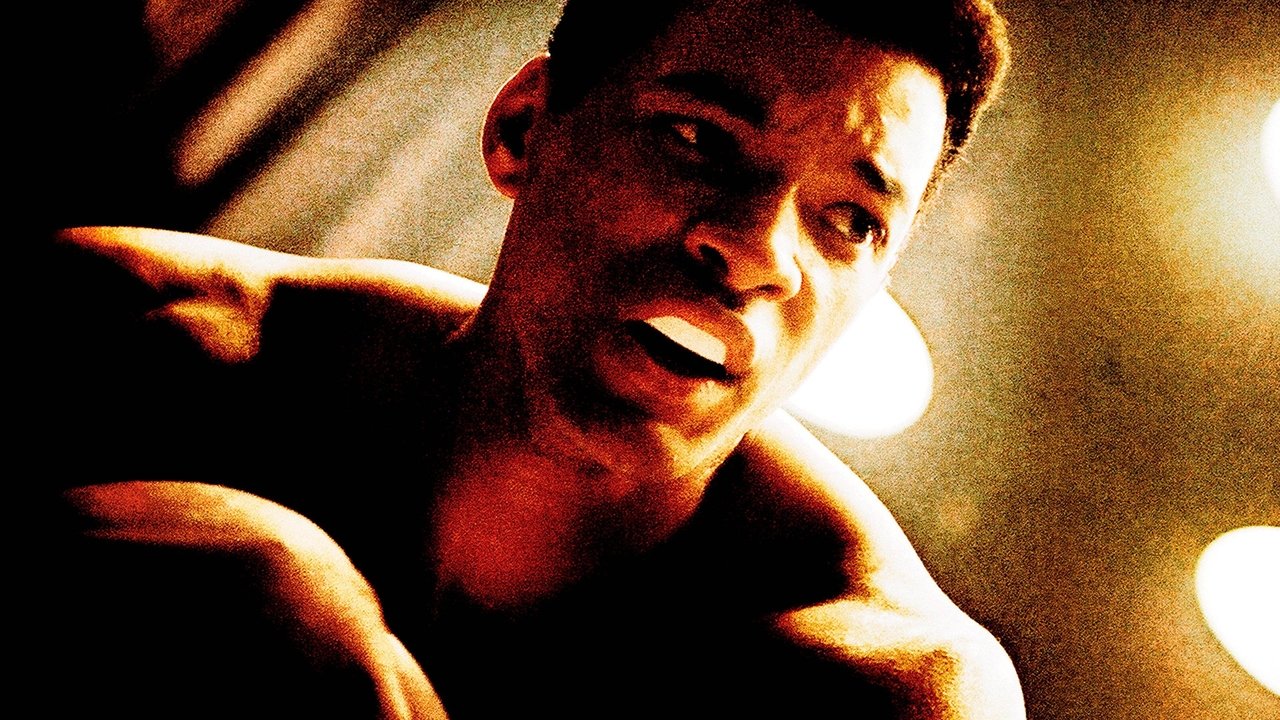
If you’re looking for a traditional sports movie where the underdog trains to a montage and wins the big one, you’re in the wrong place. Michael Mann isn't interested in the "win." He’s interested in the process. He’s interested in the way blue light hits a hotel room at 3:00 AM while Ali contemplates his exile from boxing. The cinematography by Emmanuel Lubezki is breathtaking—this was just a few years before Lubezki started winning every award on the planet for Gravity and The Revenant.
In typical Mann fashion, the film feels lived-in. You can almost smell the cigarette smoke in the press rooms and the liniment in the gyms. This was a transitional era for filmmaking, and Mann was already experimenting with early digital cameras to capture low-light shots that film stock couldn't handle. It gives the night scenes a grainy, immediate, "you are there" quality that felt groundbreaking in 2001. However, this focus on texture often comes at the expense of the narrative. The middle hour, dealing with Ali’s refusal to be drafted into the Vietnam War and his relationship with Malcolm X (played with a quiet, scholarly intensity by Mario Van Peebles), is heavy and slow. It’s a political drama that happens to have some boxing in it, and that’s exactly why it feels like a "forgotten" film today—it’s too smart to be a crowd-pleaser and too expensive to be an indie darling.
The Rumble of Reality
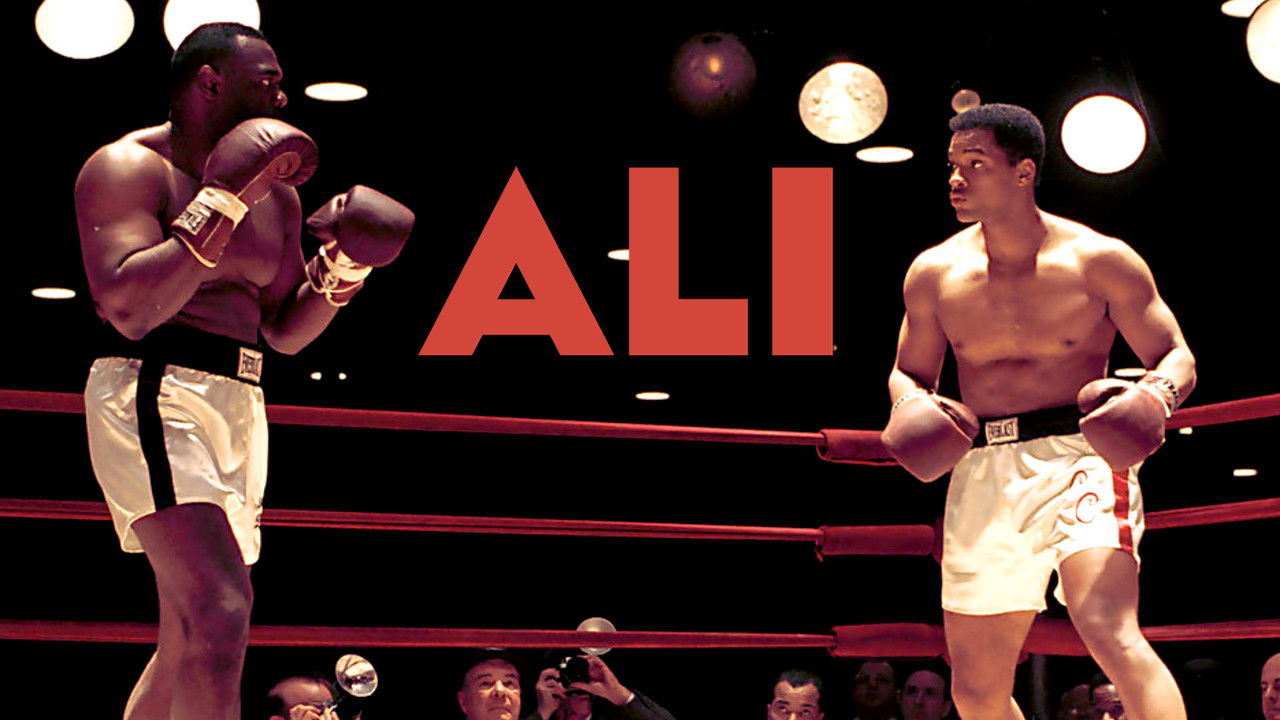
The film concludes with the "Rumble in the Jungle" in Zaire, and it’s a masterclass in tension. Mann doesn't use a lot of music here; he lets the sound of the punches and the roar of the crowd do the work. You feel every rib-cracking blow. It’s a reminder that Smith’s Ali is essentially a professional trash-talker who happens to have a PhD in physics-based punching.
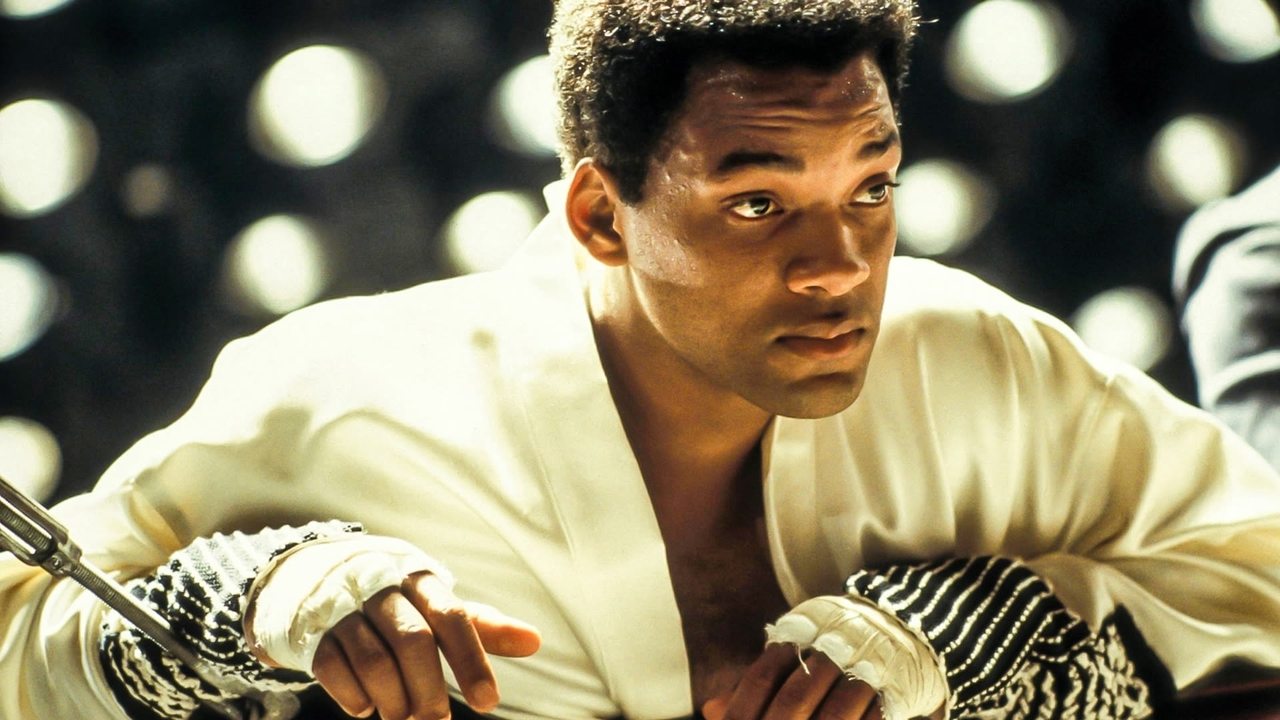
Why did this movie fall into obscurity? I think it’s because it’s a difficult film to love on a first watch. It’s long, it’s frequently quiet, and it refuses to pander. But in the age of the DVD "Special Edition" (which I remember scouring for back in the day), Mann eventually released a Director’s Cut that smoothed out some of the pacing. It’s a film that demands you sit with it, breathe with it, and appreciate the craftsmanship. It’s a portrait of a man who became a symbol, but Mann is more interested in the man than the statue.
Ali is a beautifully stubborn movie. It’s Michael Mann at his most indulgent, using a massive studio budget to make a deeply personal film about conviction and isolation. While it might lack the propulsive thrill of a standard biopic, it makes up for it with sheer, unadulterated craft. If you haven't revisited it since the early 2000s, it’s time to step back into the ring; just don't expect a knockout—expect a grueling, fascinating fifteen-round tactical battle.
Keep Exploring...
-
The Insider
1999
-
Collateral
2004
-
Miami Vice
2006
-
Public Enemies
2009
-
Heat
1995
-

The Manchurian Candidate
2004
-

The Good Shepherd
2006
-

Enemy of the State
1998
-
Any Given Sunday
1999
-
Syriana
2005
-
Hitch
2005
-

The Rainmaker
1997
-
Holes
2003
-
Broken Flowers
2005
-
The Last of the Mohicans
1992
-
Executive Decision
1996
-
Absolute Power
1997
-
Conspiracy Theory
1997
-

G.I. Jane
1997
-

Lolita
1997