America's Sweethearts
"The press junket that nearly destroyed Hollywood."
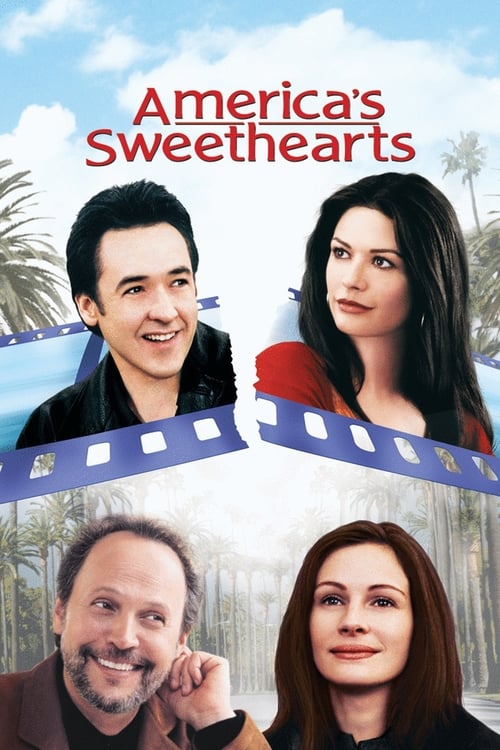
The press junket is a special kind of purgatory. I’ve only attended a few, but there is a specific, manufactured smell to those hotel ballrooms—a mix of expensive catering, floor wax, and the palpable desperation of publicists trying to hide the fact that their leads haven't spoken to each other in six months. Watching America's Sweethearts (2001) today feels like a fever dream about that very specific, pre-Twitter era of celebrity management. It’s a movie that arrived at the tail end of the "Movie Star" epoch, where a studio could throw Julia Roberts, John Cusack, Catherine Zeta-Jones, and Billy Crystal into a blender and assume the box office would take care of itself.
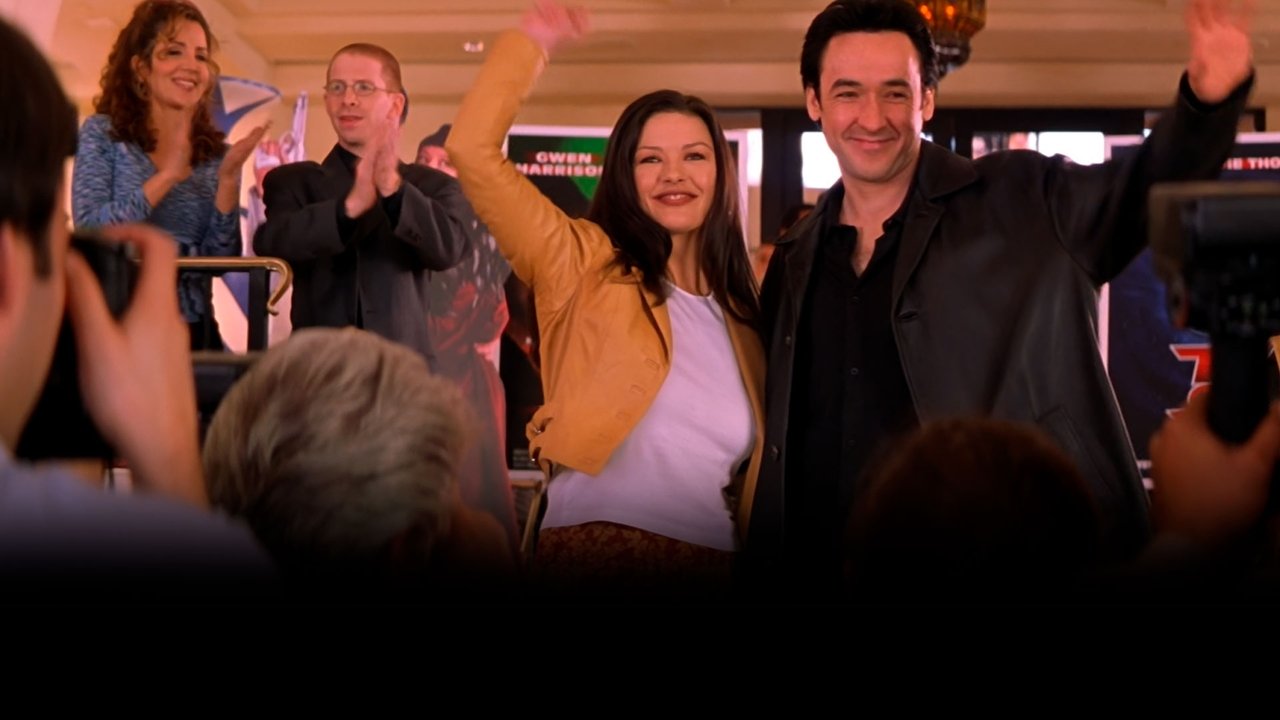
I recently re-watched this on a Tuesday afternoon while trying to ignore a mounting pile of laundry and eating a bag of pretzels that had been open for at least three days. Somehow, that slightly stale, salty vibe perfectly matched the experience of revisiting this weirdly cynical, yet strangely comfort-food rom-com.
The Analog Art of Hiding the Truth
The premise is pure 90s-transitioning-to-Y2K chaos. Eddie Thomas (John Cusack) and Gwen Harrison (Catherine Zeta-Jones) are the titular sweethearts, a married A-list duo whose public divorce has the stability of a nitroglycerin factory. To promote their final film—which the eccentric director, played with a delightful "I don't give a damn" energy by Christopher Walken, has literally kidnapped—the studio brings in veteran PR flack Lee Phillips (Billy Crystal). Lee’s job is to trick the press into thinking the couple has reconciled at a remote desert junket.
Looking back, the plot point about the "kidnapped print" is a gorgeous relic. In 2024, the director would just be fighting with the studio over a digital watermark or a password-protected Vimeo link. In 2001, there’s something tactile and high-stakes about the physical film reels being held hostage in a hippie commune. It highlights that era's transition from analog prestige to the digital corporatization we live in now. The film effectively mocks the very machine that produced it, showcasing a Hollywood that was terrified of its own shadow while charging $10 for a ticket.
A Masterclass in Being Mean
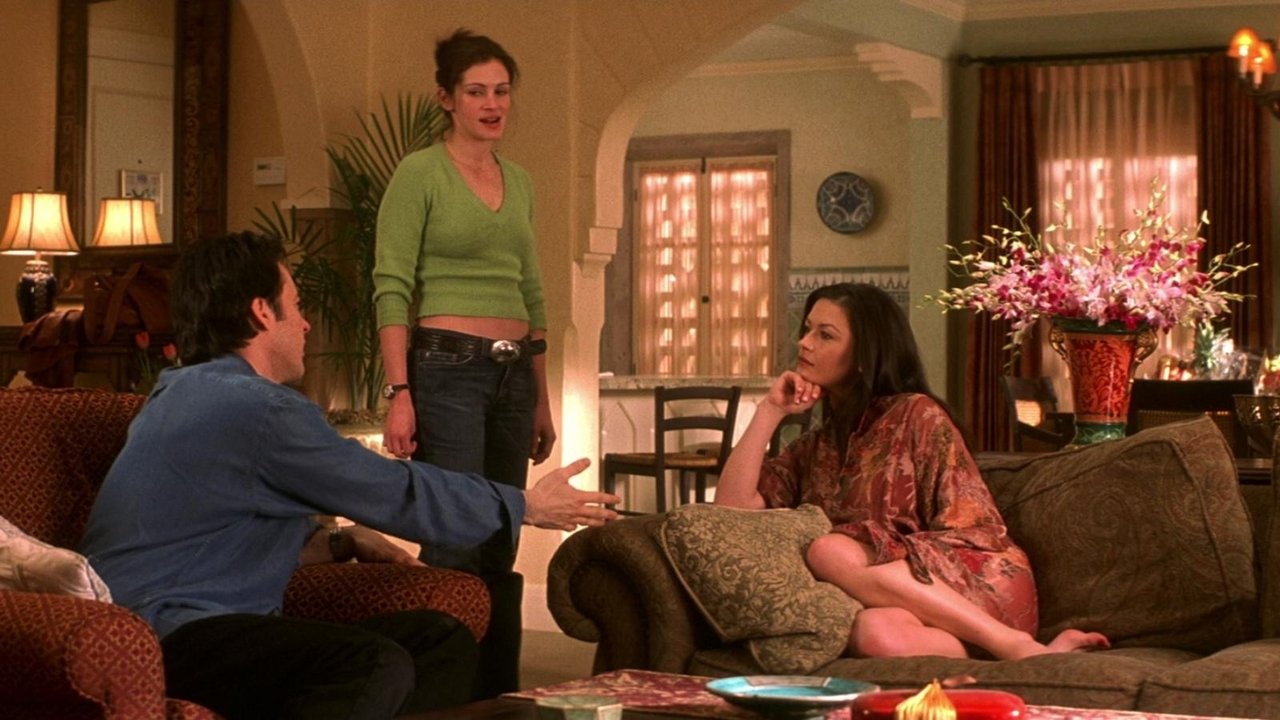
While Julia Roberts is technically the lead as Kiki, Gwen’s sister/assistant, the movie actually belongs to Catherine Zeta-Jones. Fresh off the success of Traffic (2000), she is absolutely lethal here. She leans into the "spoiled diva" archetype with such precision that she makes Julia Roberts look like she’s just there for the paycheck. Zeta-Jones’ Gwen is a narcissist of Olympic proportions, and her chemistry with John Cusack—who plays Eddie as if he’s one bad latte away from a complete nervous breakdown—is the only thing that feels "real" in the movie.
Then there’s Hank Azaria as Hector Gorgonzolas, the new boyfriend. If you want to talk about things that reveal their era, look no further than this performance. Azaria’s accent is so thick you could use it to pave a driveway. He basically raided a Halloween store for a 'vaguely Spanish' persona, and while it is undeniably funny in a broad, Birdcage (1996) sort of way, it’s the kind of thing that wouldn't even make it past a table read today. It’s a fascinating, cringey time capsule of what passed for character comedy at the turn of the millennium.
The "Fat Suit" Problem and Script Sincerity
We have to talk about the Kiki backstory. The film uses a flashback "fat suit" for Julia Roberts to explain why her character has low self-esteem. It’s a trope that was rampant in the early 2000s (Friends, The Nutty Professor), and it has aged like milk in a sunroom. It’s a lazy shorthand for "character development," and it’s the one part of the movie that feels truly dated.

However, the script—co-written by Billy Crystal and Peter Tolan—is peppered with genuinely sharp barbs about the industry. Stanley Tucci as the studio head Dave Kingman is a particular highlight. He captures that specific brand of Hollywood executive who would sell his own mother for a 20% bump in the opening weekend. The scenes where the press is being manipulated are the most insightful parts of the film; they reveal a deep cynicism about how movie stars are manufactured and sold to us as "relatable" humans. It’s a movie that knows it’s a product and is constantly winking at you about how much it costs.
America's Sweethearts is the cinematic equivalent of a high-end hotel lobby. It’s professional, it’s shiny, and it features people who are much more attractive than you. It isn't a "modern classic" like Notting Hill (1999), but it is a fascinating document of a time when the star system was still the most powerful force in the universe. If you can look past the questionable prosthetics and the "very of its time" humor, there's a breezy, mean-spirited comedy here that’s worth a look. It’s the kind of film that reminds me why we used to go to the movies just to see people we liked trade insults in a desert—and sometimes, that’s exactly what you need on a Tuesday afternoon.

Keep Exploring...
-
Guess Who
2005
-
Intolerable Cruelty
2003
-
Runaway Bride
1999
-
Six Days Seven Nights
1998
-

The Mexican
2001
-
Analyze That
2002
-

Alfie
2004
-

Christmas with the Kranks
2004
-
Elizabethtown
2005
-
Rumor Has It...
2005
-

Failure to Launch
2006
-

You, Me and Dupree
2006
-
My Best Friend's Wedding
1997
-
Rock of Ages
2012
-
A Night at the Roxbury
1998
-
Deuce Bigalow: Male Gigolo
1999
-

Never Been Kissed
1999
-
Bedazzled
2000
-

Heartbreakers
2001
-
Kate & Leopold
2001