Amélie
"A whimsical conspiracy of kindness."
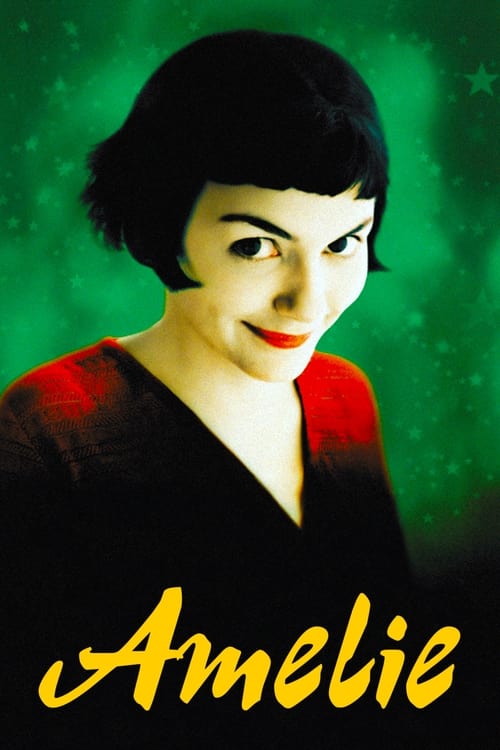
I first watched Amélie on a scratched DVD I borrowed from a local library back in 2006. The disc was so worn that it skipped every time the traveling garden gnome appeared on screen, which, honestly, only added to the film's sense of glitchy, supernatural magic. It felt like the movie itself was playing a prank on me, which is exactly the kind of energy Jean-Pierre Jeunet spent $10 million trying to bottle.
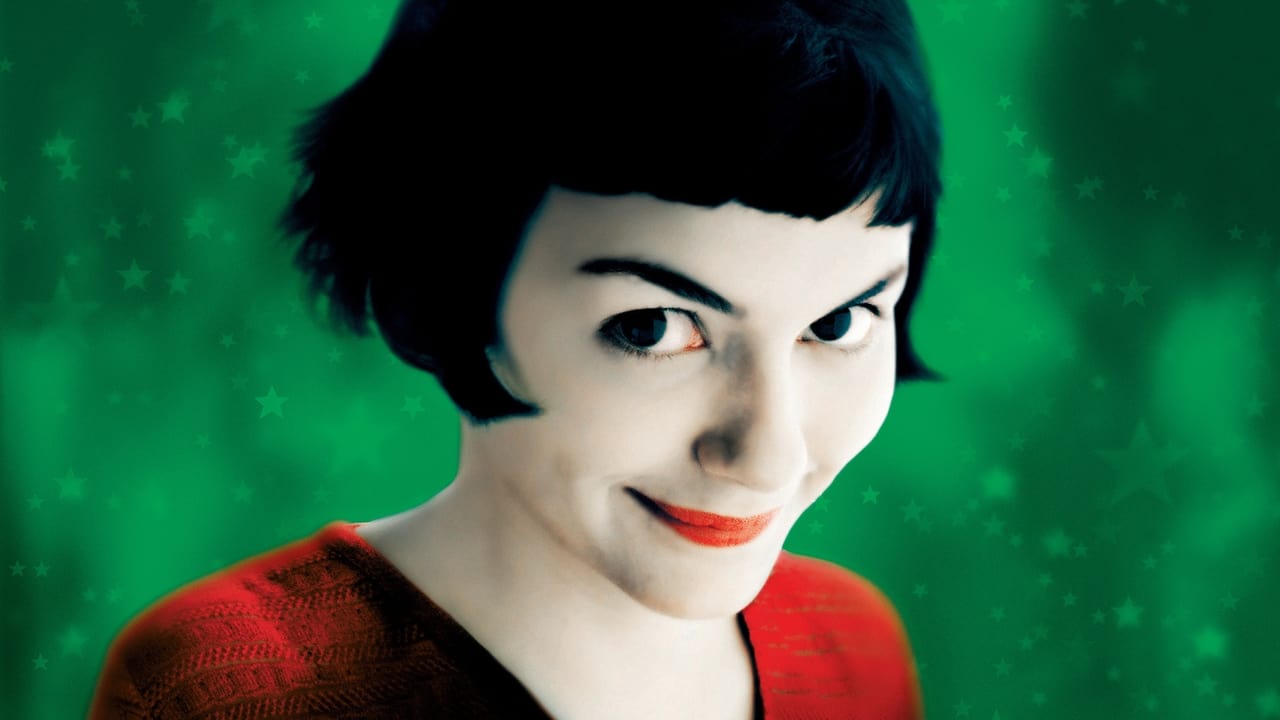
If you were alive and semi-conscious in 2001, you couldn’t escape this film. It was the era of the "indie crossover," where a subtitled French movie about a shy waitress could somehow out-muscle Hollywood blockbusters at the global box office. Looking back at it now, in an age where every "quirky" aesthetic feels like it was generated by a Pinterest algorithm, Amélie remains the undisputed heavyweight champion of the whimsy division.
The Digital Painting of Paris
One of the most fascinating things about revisiting Amélie today is seeing how it sits right on the edge of the analog-to-digital transition. This was one of the first major films to use extensive digital color grading to create a hyper-real, saturated world. Jean-Pierre Jeunet and cinematographer Bruno Delbonnel didn't want the "real" Paris of grime and traffic; they wanted the Paris of a 1940s postcard.
They used digital tools to scrub out graffiti and modern cars, bathing everything in a lush palette of cherry reds, deep greens, and amber yellows. It’s a visual feast that still looks incredible, even if it’s basically a superhero movie for people who own too many cardigans. While big-budget films like The Mummy Returns (released the same year) were using CGI to create rubbery monsters, Jeunet was using it to make a heart beat through a sweater or to turn a woman into a literal puddle of water. It was a sophisticated use of tech that served the internal emotional state of the character rather than just the spectacle.
A Silent Film Star in the 21st Century
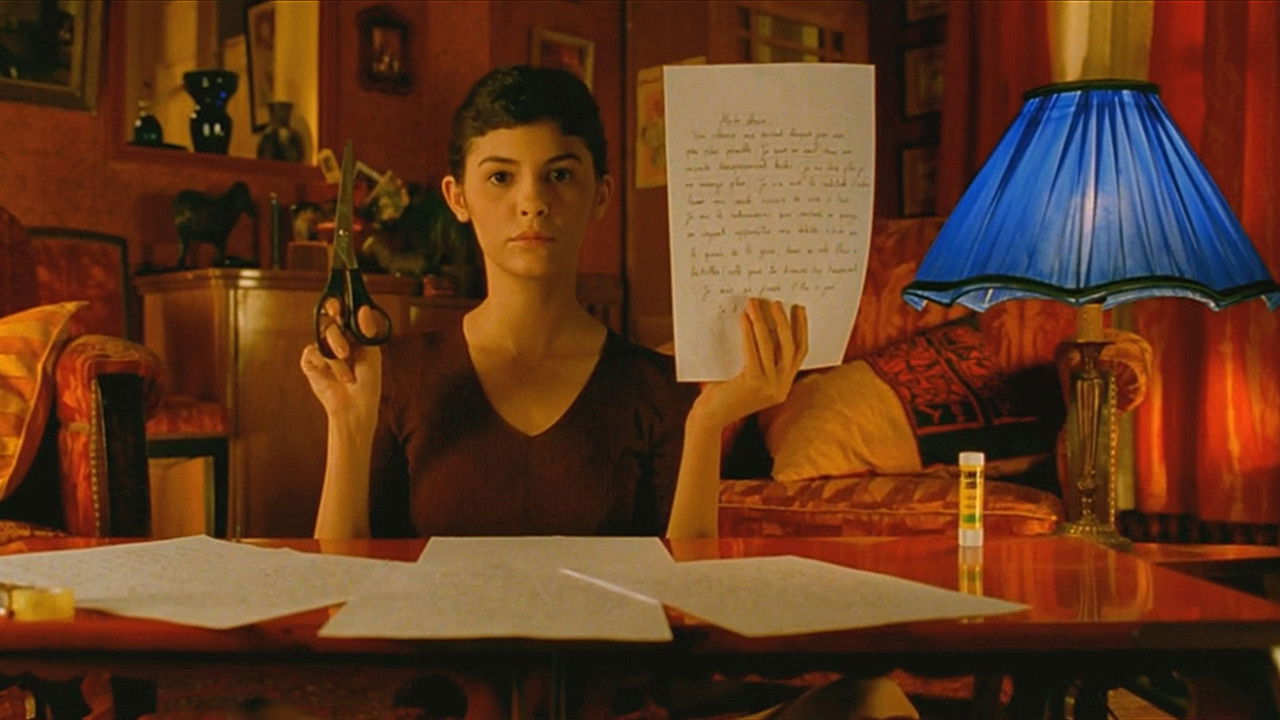
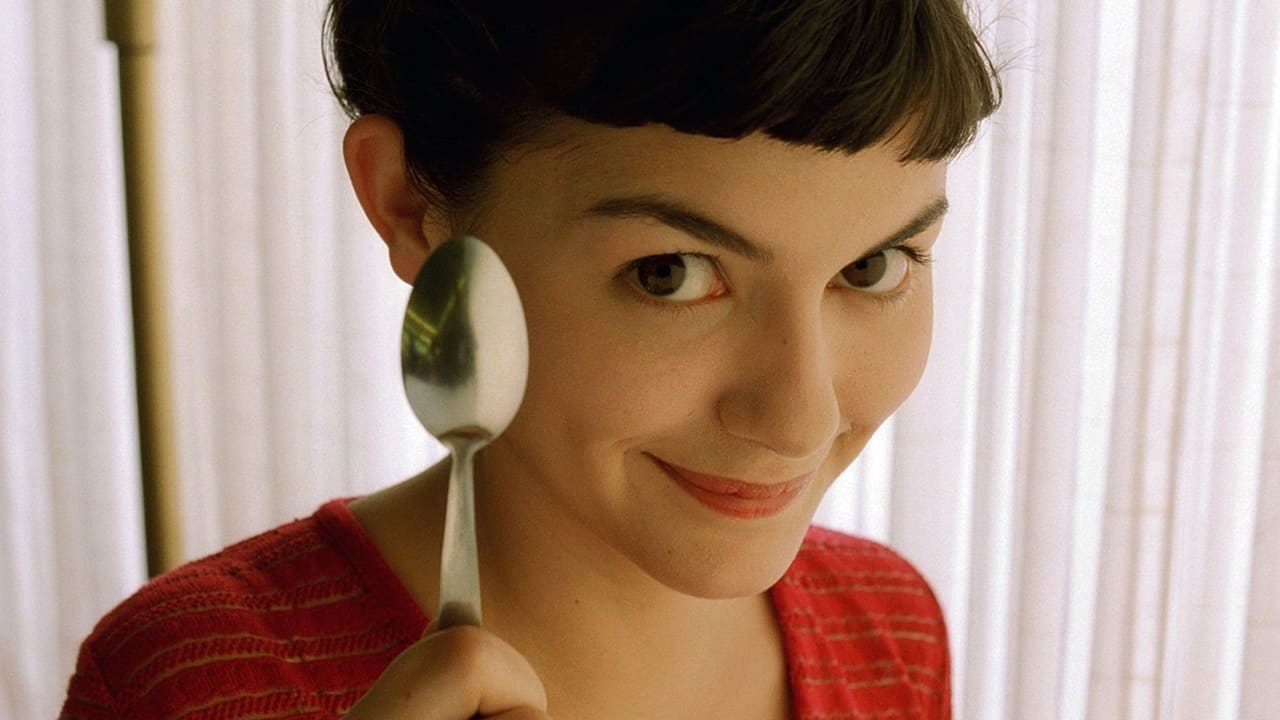
The film lives and dies on the shoulders of Audrey Tautou. It’s hard to overstate how much of a phenomenon she became after this. With her saucer-like eyes and mischievous bob, she plays Amélie Poulain with the physical precision of a silent film star. She barely speaks in the first act, yet we know exactly who she is: a woman who finds joy in the tiny, tactile pleasures of life, like dipping her hand into a sack of grain or cracking the crust of a crème brûlée with a teaspoon.
Amélie is a "subversive do-gooder," and the humor comes from her elaborate, Rube Goldberg-style schemes to fix the lives of those around her. Whether she’s gaslighting a mean grocer (a hilariously flustered Urbain Cancelier) by shrinking his slippers or returning a long-lost box of childhood treasures to a middle-aged man, her brand of comedy is observational and rhythmic. The timing of the jokes—especially the "prank" sequences—is military in its precision.
However, my favorite performance might actually be Jamel Debbouze as Lucien. He brings such a grounded, sweet vulnerability to a film that could easily have floated off into the stratosphere of pure fantasy. He provides the human anchor that keeps the whimsy from becoming cloying.
The $173 Million "Little Movie"
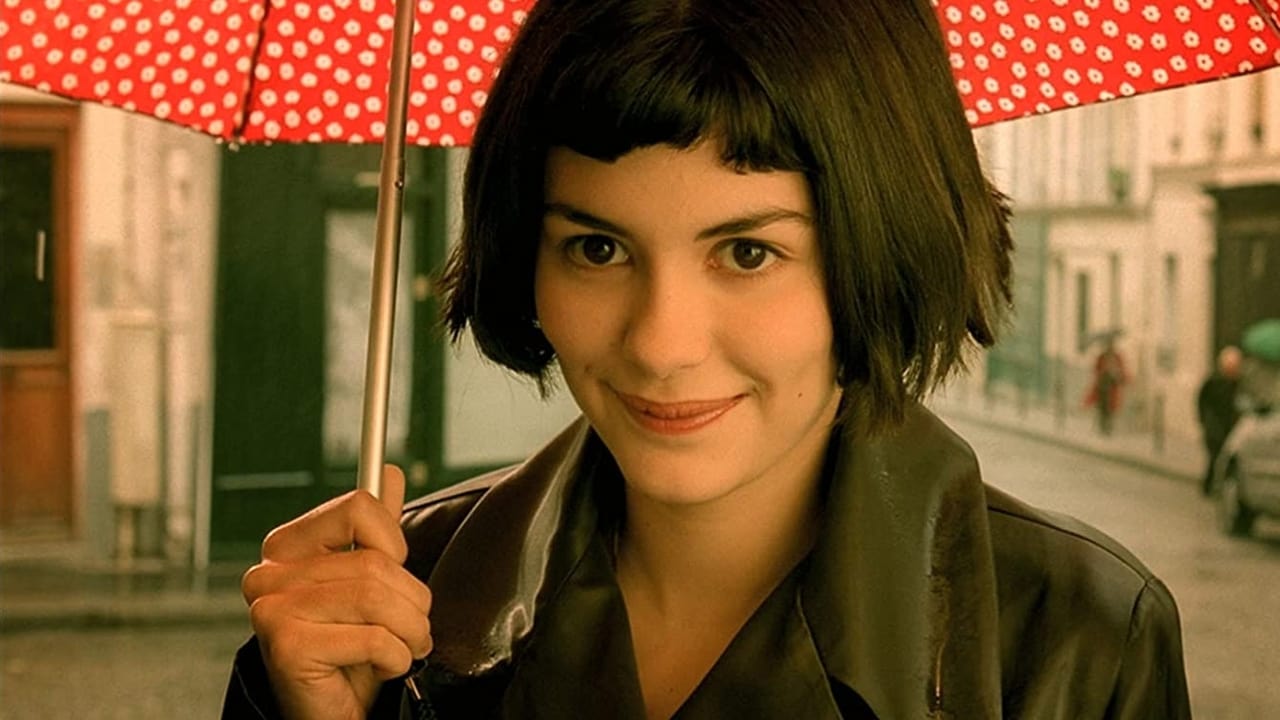
From a production standpoint, Amélie is a unicorn. It was produced by Victoires Productions and Tapioca Films on a modest $10 million budget and went on to gross over $173 million worldwide. That kind of return is usually reserved for caped crusaders, not shy girls in Montmartre. It became a cultural touchstone that influenced everything from wedding photography to cafe decor for the next decade.
Interestingly, Jeunet originally wrote the lead role for British actress Emily Watson (he even named the character Amélie as a nod to her). When she had to drop out due to filming conflicts and her struggle with the French language, Jeunet saw Audrey Tautou on a poster for Venus Beauty Institute and the rest was history. It’s one of those "sliding doors" moments in cinema—it’s impossible to imagine anyone else inhabiting that specific brand of wide-eyed mischief.
The film also turned composer Yann Tiersen into a household name. His accordion-heavy, melancholic-yet-hopeful score is so inseparable from the footage that I’m convinced you can’t walk through a French grocery store without hearing his ghost playing a toy piano in the dairy aisle. It’s the ultimate earworm, and it’s a huge part of why the film feels so timeless.
Amélie is a rare bird: a high-concept comedy that actually has a soul. While some might find its relentless charm exhausting, I think it’s a masterclass in world-building. It captures that specific post-millennium transition where we were just starting to use technology to heighten reality rather than replace it. It’s a film that asks you to look at the mundane world—the stone-skipping, the photo booths, the neighbors—and see the conspiracy of magic hidden underneath. It’s the best kind of escapism because it doesn't take you to another planet; it just makes you want to live more vibrantly on this one.

Keep Exploring...
-
A Very Long Engagement
2004
-
Delicatessen
1991
-
The City of Lost Children
1995
-
Notting Hill
1999
-
Chocolat
2000
-
The Princess Diaries
2001
-
Love Actually
2003
-
Sideways
2004
-
The Artist
2011
-
Jerry Maguire
1996
-
As Good as It Gets
1997
-
Stepmom
1998
-
Lost in Translation
2003
-
Shrek 2
2004
-
Pretty Woman
1990
-
The Mask
1994
-

While You Were Sleeping
1995
-
The Spanish Apartment
2002
-
Juno
2007
-
The Proposal
2009