Atlantis: The Lost Empire
"Exploration is an adventure. Greed is a death trap."
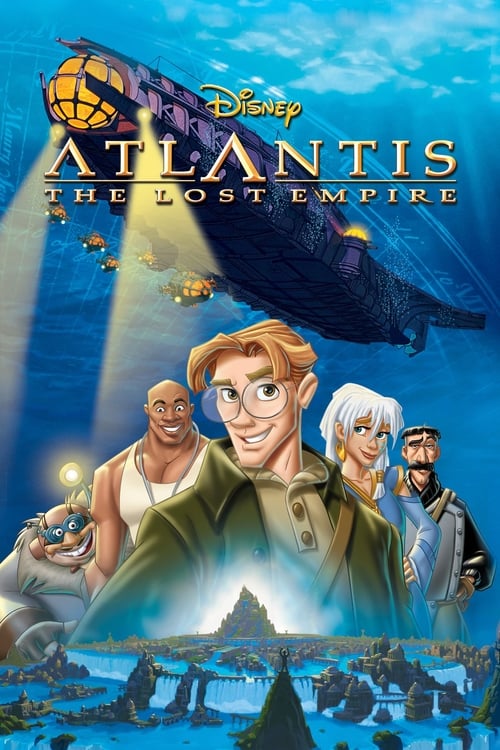
I distinctly remember watching Atlantis: The Lost Empire for the first time on a humid Tuesday evening while nursing a lukewarm Diet Coke that had lost its fizz twenty minutes before the opening credits. It was 2001, and Disney was in the middle of a full-blown identity crisis. The "Disney Renaissance" of the ‘90s was dead, Pixar was starting to flex its digital muscles with Monsters, Inc., and the Mouse House was desperately trying to figure out how to be "cool" without singing teapots. What they came up with was a pulpy, steampunk, Jules Verne-adjacent adventure that looked like nothing else in their catalog.
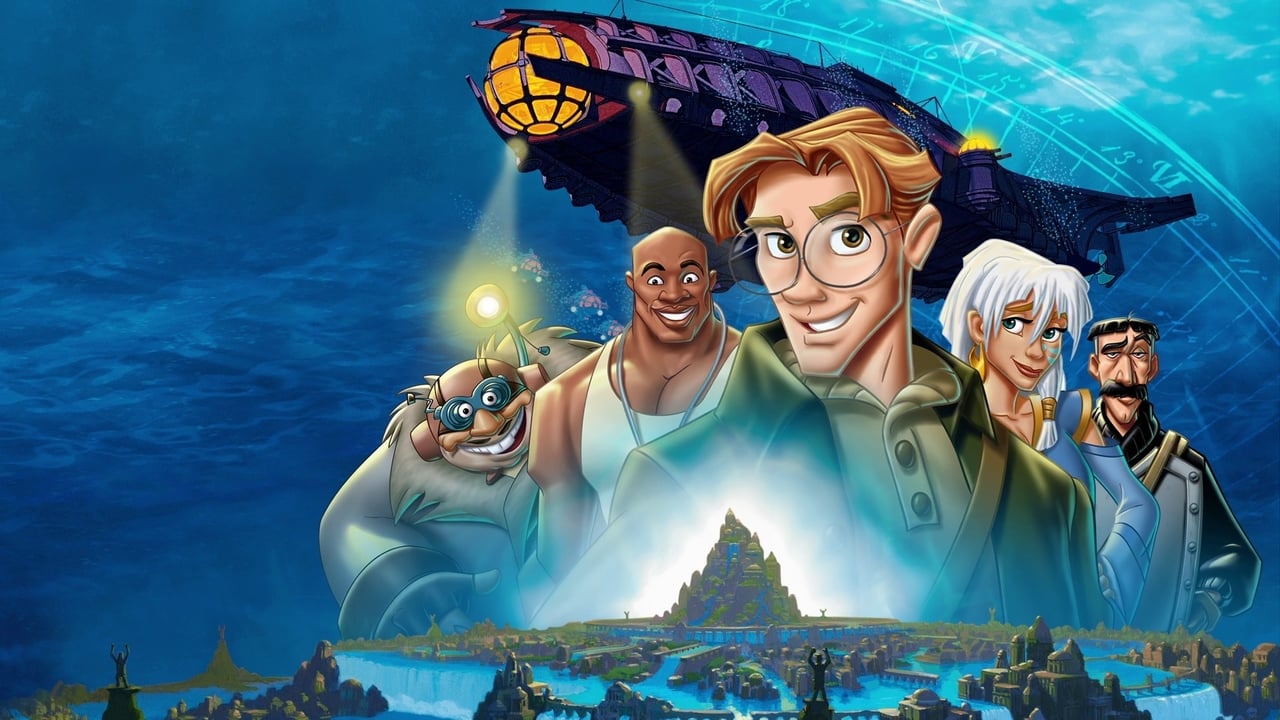
Watching it now, I’m struck by how much of a middle finger this movie was to the established Disney formula. There are no songs. No talking animal sidekicks. Nobody breaks into a power ballad about their internal desires. Instead, we get a story about a nerdy linguist, a massive mechanical lobster, and a crew of mercenaries who are—let’s be honest—one bad paycheck away from becoming actual war criminals. It’s a film that feels remarkably modern in its pacing, even if it carries the unmistakable DNA of early-aughts experimentation.
The Mignola Touch and the Steampunk Soul
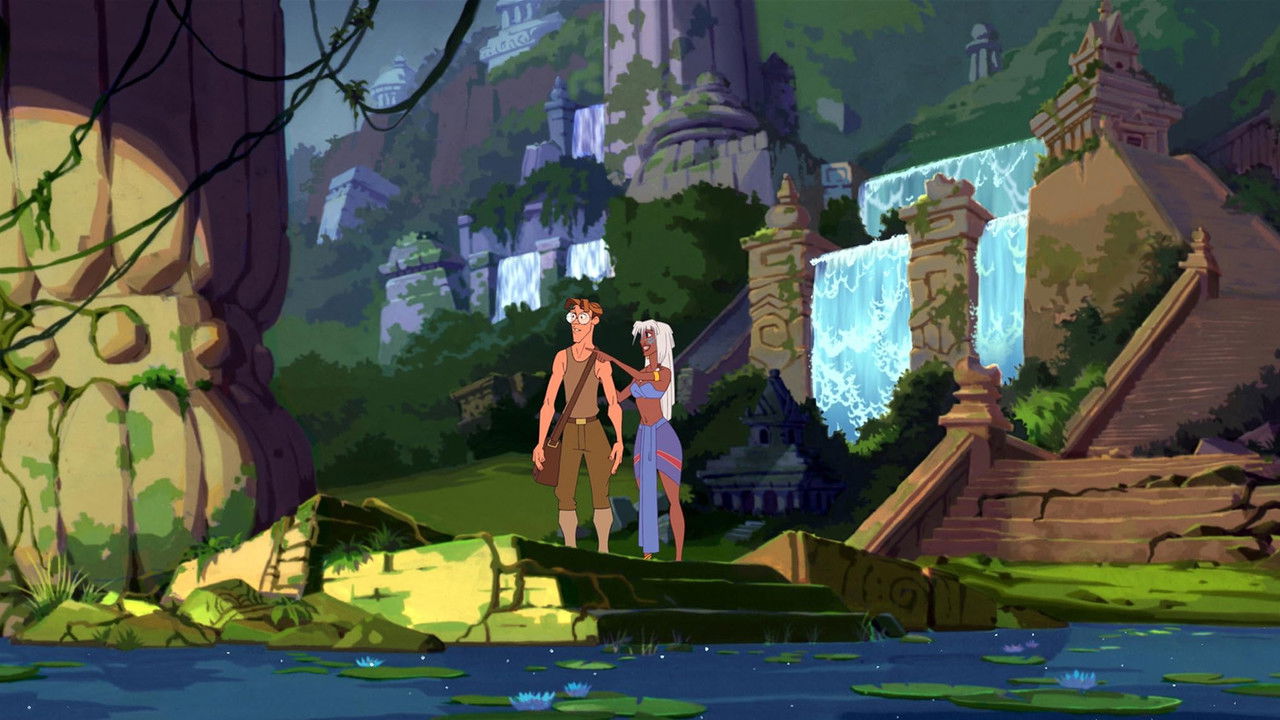
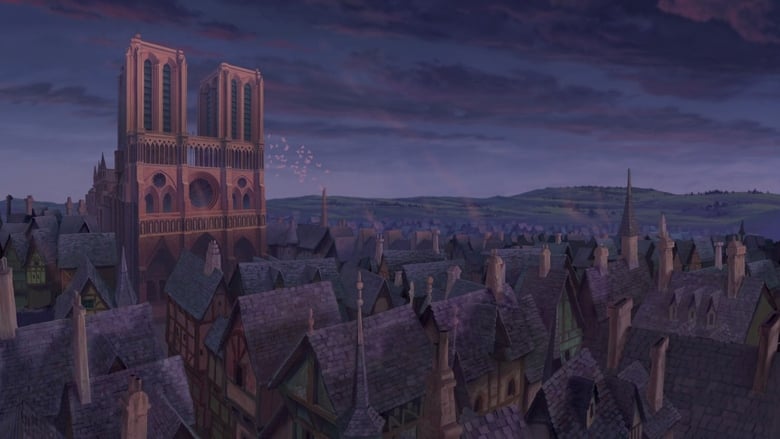
The first thing that hits you is the art style. Directors Gary Trousdale and Kirk Wise, who previously gave us the lush, theatrical Beauty and the Beast and the moody The Hunchback of Notre Dame, took a massive swing here. They brought in Mike Mignola—the creator of the Hellboy comics—to help with the production design. The result is a sharp, angular aesthetic full of heavy shadows and blocky silhouettes. It’s a visual language that respects the viewer’s intelligence.
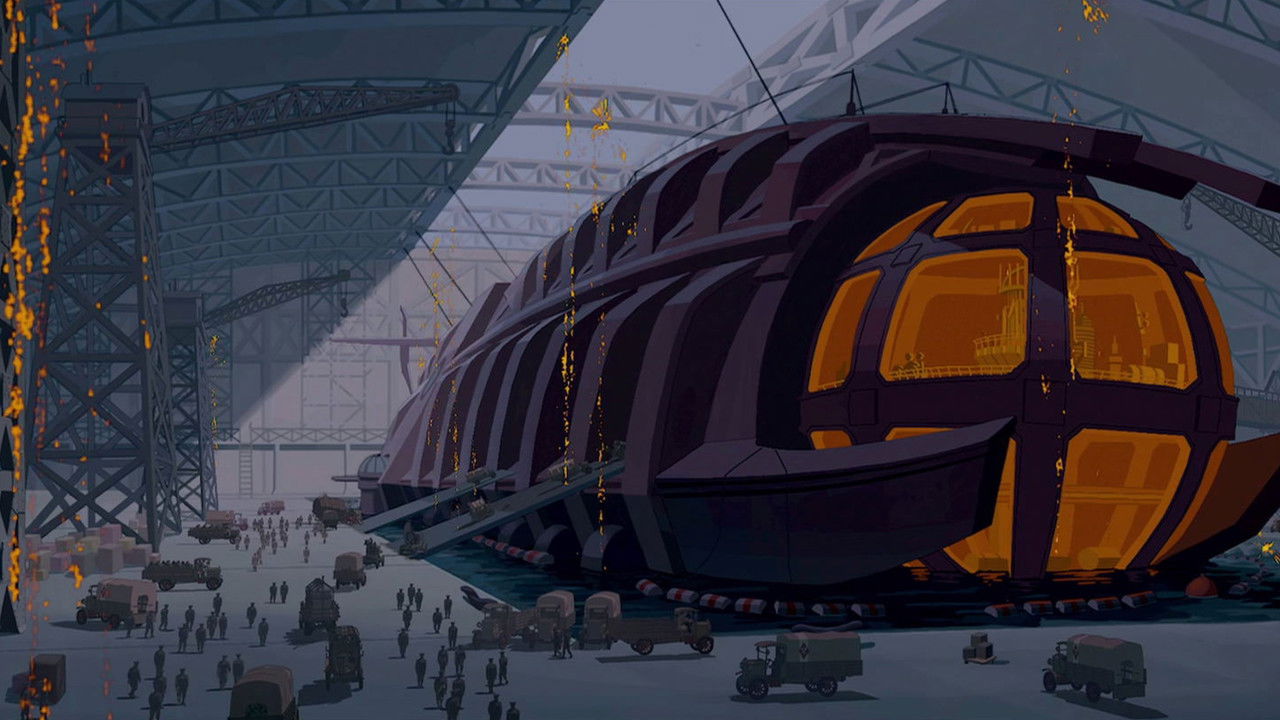
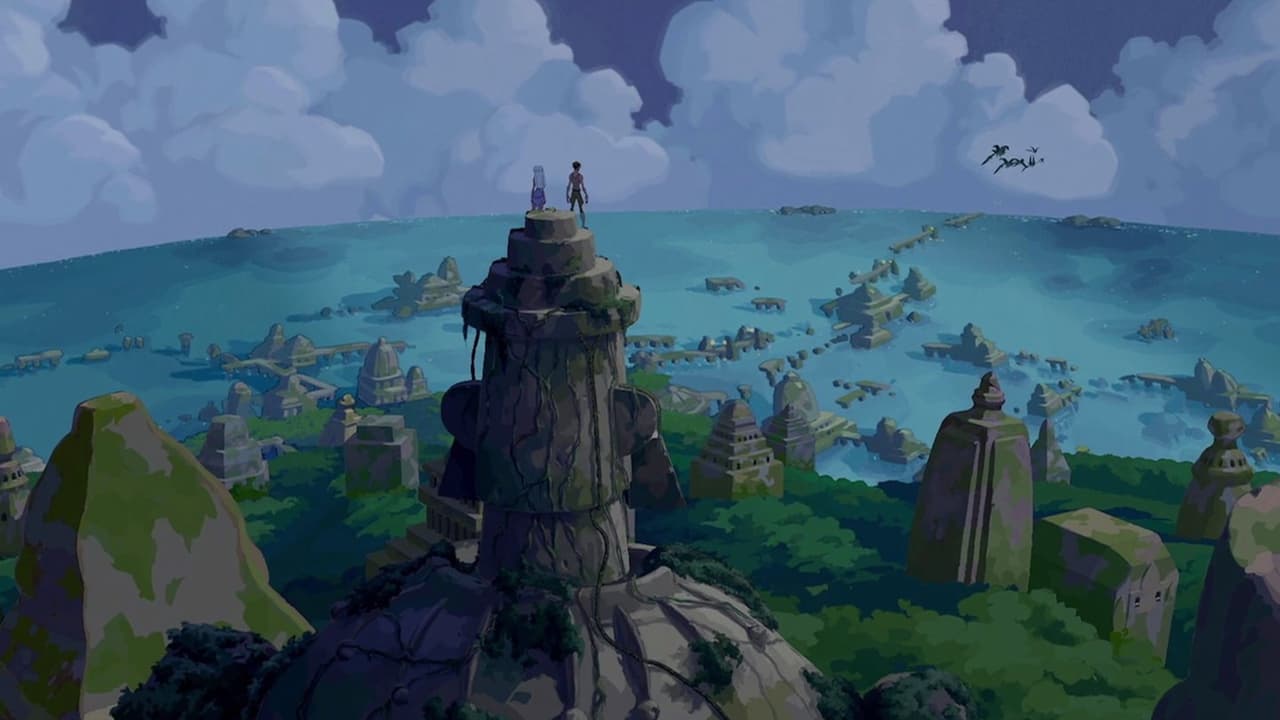
The technology of Atlantis is where the "Science Fiction" label really earns its keep. This was the era where CGI was starting to invade the 2D space, and while some of the digital rendering on the Ulysses submarine looks a bit "early PlayStation" by today’s standards, the scale is still breathtaking. The Leviathan—that terrifying, robotic crustacean that guards the entrance to the city—is a triumph of creature design. It feels ancient, cold, and utterly alien. I love how the film balances the clanking, greasy technology of 1914 with the ethereal, glowing crystal-tech of the Atlanteans. It’s a marriage of coal dust and stardust that works far better than it has any right to.
A Crew Worth Dying For
While Michael J. Fox (forever the king of the "charming dork" archetype) is perfectly cast as Milo Thatch, the real soul of the movie lies in the supporting cast. Disney assembled a group of characters that felt like they wandered out of a high-stakes heist movie. You’ve got James Garner (bringing that weary Maverick energy) as Commander Rourke, and the incredible Cree Summer as Princess Kida.
But the sidekicks are the ones who turned this into a cult classic. Corey Burton as the dirt-obsessed Gaetan 'The Mole' Moliere and Phil Morris as Dr. Sweet provide a brand of comedy that isn't built on slapstick, but on distinct, weird personalities. My personal favorite remains the dry-witted Helga Sinclair, voiced by Claudia Christian of Babylon 5 fame; she was a type of "femme fatale" Disney usually shied away from. The ensemble is basically a Dungeons & Dragons party where everyone rolled a 20 on charisma but a 3 on ethics. They feel like real people with lives outside of Milo’s quest, which was a rarity for animation at the time.
The Ghost of the Box Office Past
It’s fascinating to look back at why this didn't ignite the box office in 2001. It was "too adult" for the toddlers and "too Disney" for the teenagers. It exists in that glorious, experimental middle ground. One of the coolest details I found out later via the DVD special features (which were a goldmine for film nerds back then) was that they actually hired Marc Okrand—the guy who invented Klingon—to create a fully functional Atlantean language. They weren't just making a cartoon; they were building a civilization.
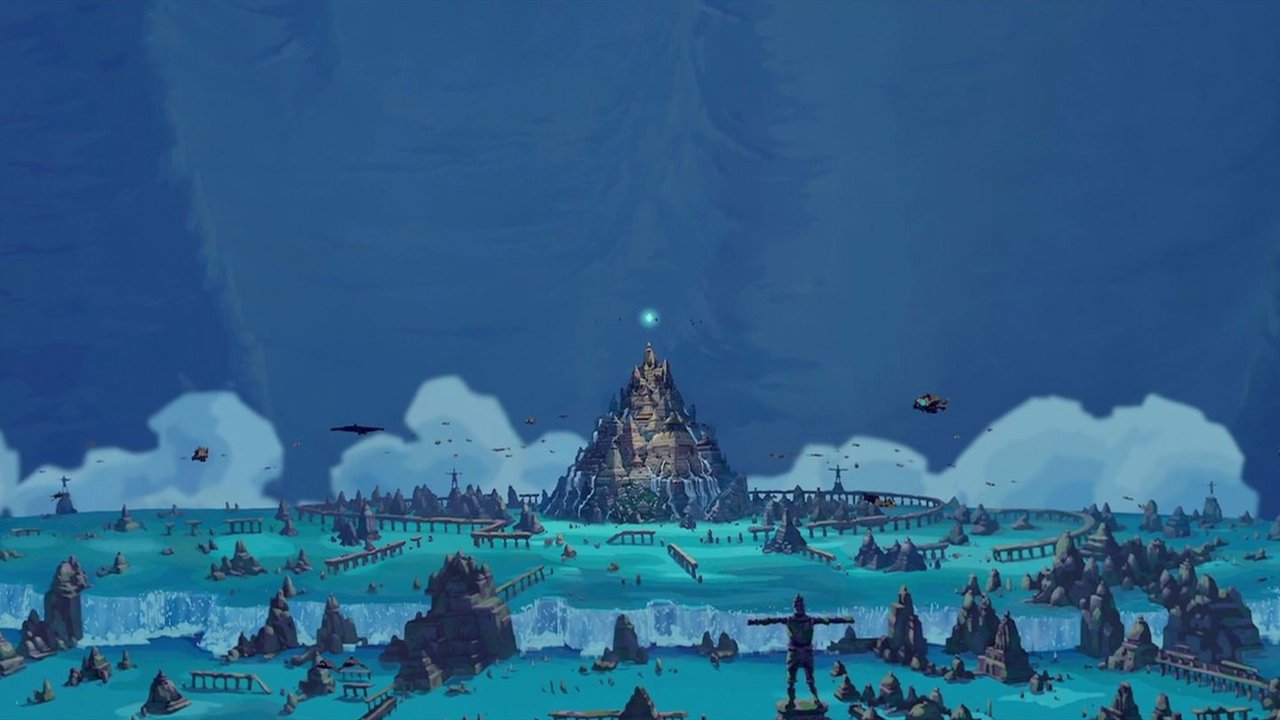
The film also captures that turn-of-the-century anxiety. In 1914, the world was on the brink of World War I, a theme that lingers in the background of the expedition's military hardware. The science fiction here isn't about hopeful futures; it’s about a lost, superior past being exploited by a greedy present. Atlantis is essentially Stargate for people who prefer ink to grainy film stock. It’s a movie that rewards you for paying attention to the background details, from the carvings on the walls to the way the "Heart of Atlantis" pulses with a terrifying, sentient light.
In the end, Atlantis: The Lost Empire is the "cool older sibling" of the Disney family. It’s the one that stayed up late reading pulp magazines and listening to weird radio dramas while the others were practicing their scales. It may have been a commercial disappointment upon release, but it has aged with far more grace than many of its contemporaries. If you haven't visited this version of the deep blue lately, it’s time to dive back in—just watch out for the Leviathan.
Keep Exploring...
-
Atlantis: Milo's Return
2003
-
Treasure Planet
2002
-
The Hunchback of Notre Dame
1996
-

Brother Bear
2003
-
Meet the Robinsons
2007
-

Shrek the Halls
2007
-
Monsters vs Aliens
2009
-
Mr. Peabody & Sherman
2014
-
Titan A.E.
2000
-
Osmosis Jones
2001
-
Jimmy Neutron: Boy Genius
2001
-
Anastasia
1997
-
Hercules
1997
-

Antz
1998
-
Tarzan
1999
-
Dinosaur
2000
-

The Emperor's New Groove
2000
-

The Road to El Dorado
2000
-

Spirit: Stallion of the Cimarron
2002
-

Sinbad: Legend of the Seven Seas
2003