Barbie in the Nutcracker
"Before the Dreamhouse, she conquered the digital realm."
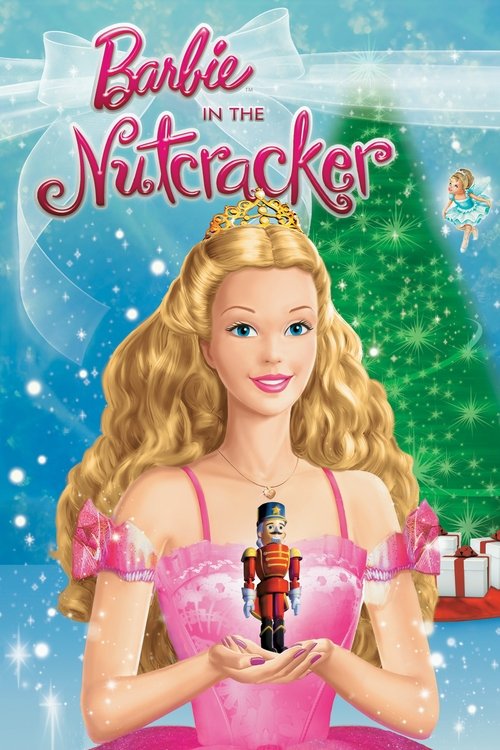
I remember standing in the "Kids/Family" aisle of a Blockbuster in late 2001, staring at a purple VHS box that boldly proclaimed: "Starring in Her First Movie!" For a generation of us, Barbie wasn't a movie star; she was a plastic icon who came with a convertible and a dream house. The idea of her acting felt like a strange pivot. But as the Tchaikovsky score swelled through my parent's chunky CRT television—while I sat on a rug that smelled faintly of Grape Welch’s and old dog—I realized this wasn't just a toy commercial. It was the birth of a digital empire.
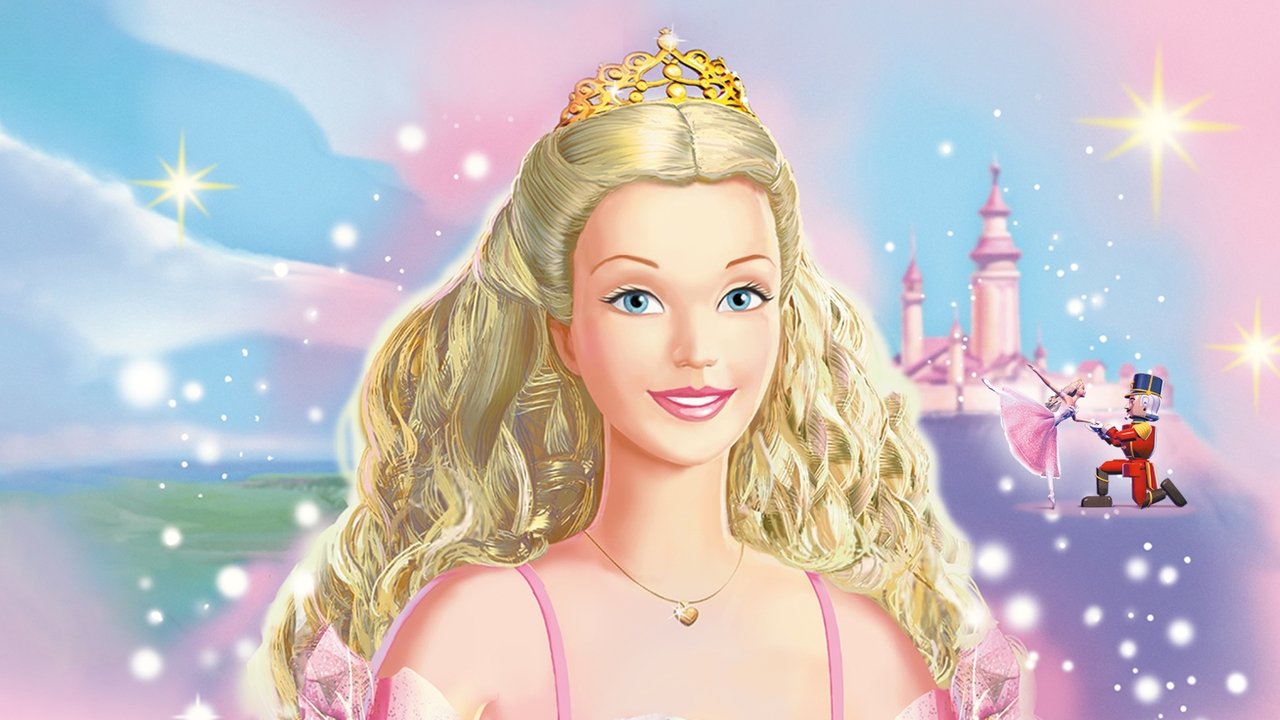
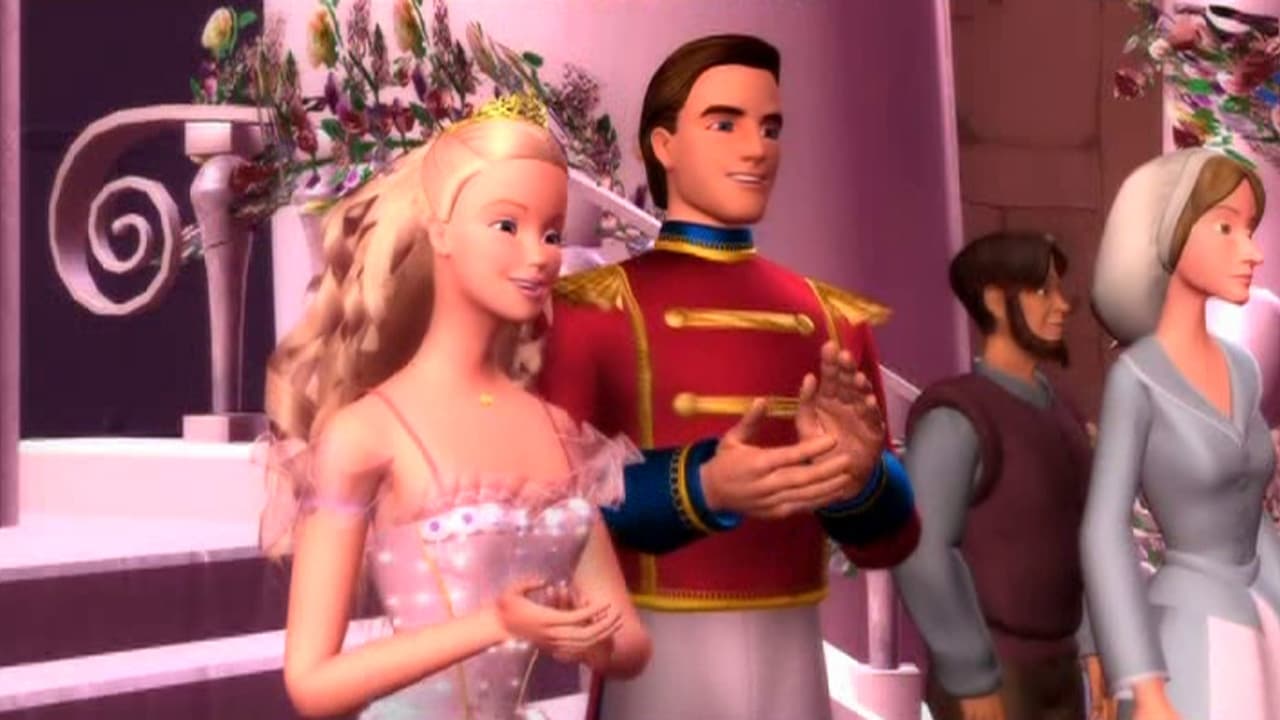
Looking back at Barbie in the Nutcracker, it’s easy to smirk at the early-millennium CGI. It has that distinct, stiff Mainframe Entertainment sheen (the same folks behind ReBoot), but there’s a genuine heart beating beneath the low-polygon count. It’s a film that sits right at the intersection of "we’re figuring out how to do this" and "we actually care about the source material."
The Motion Capture Waltz
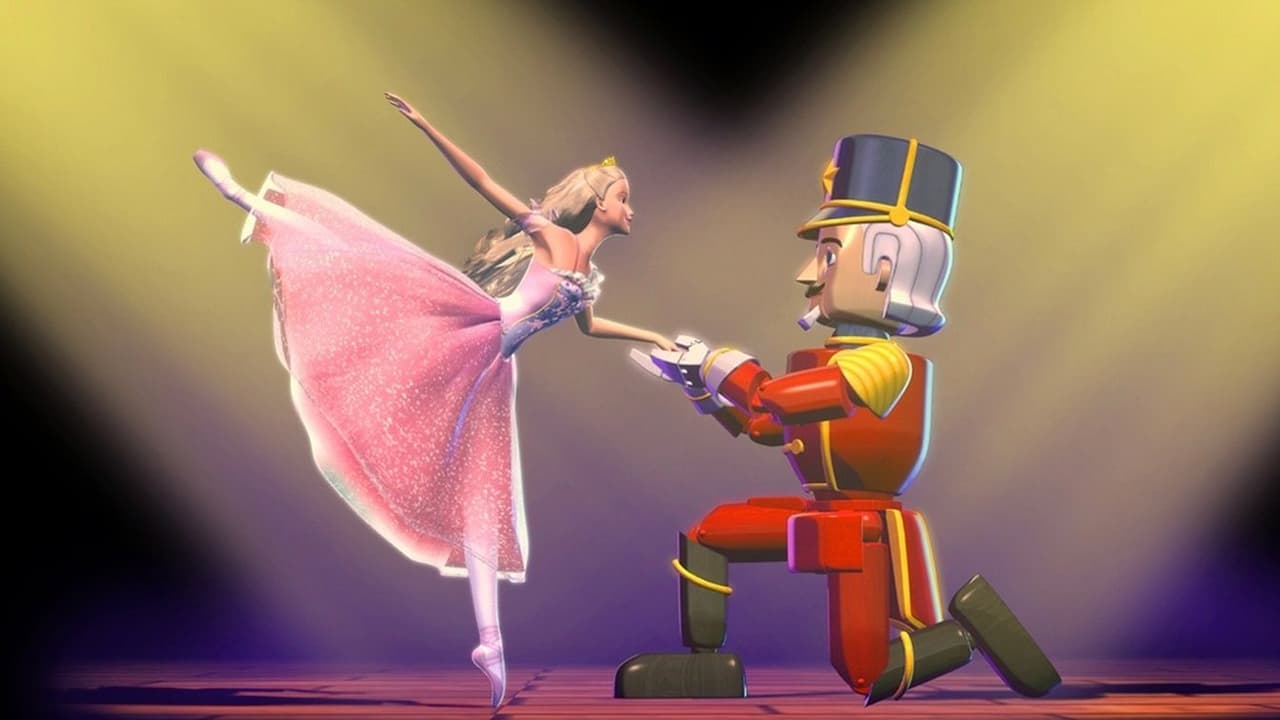
What most people forget—or perhaps never knew—is that this wasn't just some cheap Saturday morning cartoon rushed to home video. Mattel and director Owen Hurley went for broke by collaborating with the New York City Ballet. They used motion capture to translate the movements of real dancers into the digital world. In 2001, this was cutting-edge stuff for a direct-to-video release.
When Clara (voiced with a perfect blend of sweetness and steel by Kelly Sheridan) and the Nutcracker (Kirby Morrow) engage in the grand pas de deux, the animation isn't just "good enough." It’s actually choreographed. You can see the weight in the landings and the grace in the extensions. Sure, the characters’ faces sometimes look like they’ve had way too much Botox even for dolls, but the physical storytelling is surprisingly sophisticated. Kelly Sheridan’s debut here as the definitive voice of Barbie is a masterclass in how to ground a character who could easily have been a vapid trope. She gives Clara a sense of agency that predates the modern "girl boss" era by decades, making her a protagonist who actually earns her happy ending.
A Villain for the Ages
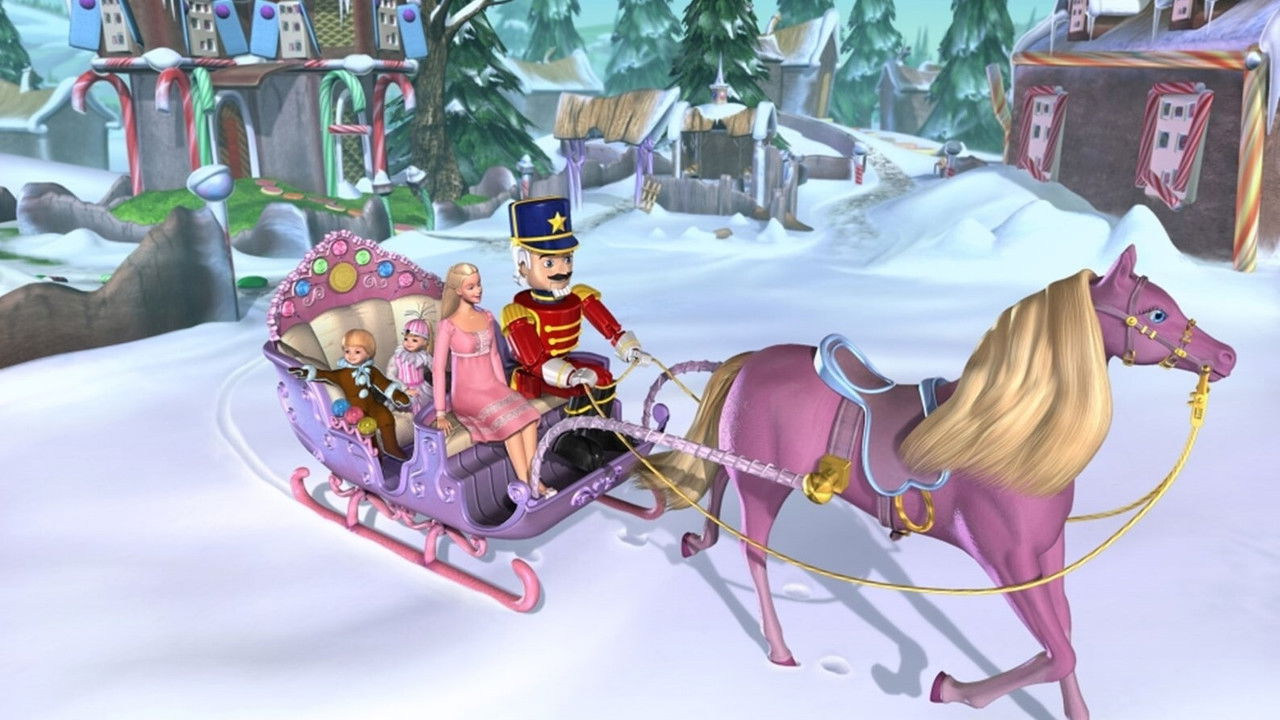
Let’s talk about the Mouse King. If you want to know why this movie sticks in the back of the mind for so many 90s kids, the answer is Tim Curry. Fresh off his turn as Long John Silver in Muppet Treasure Island, Curry brings a menacing, Shakespearean gravity to a rodent in a cape. He isn’t playing it "down" for kids; he’s playing it like he’s at the Old Vic.
The Mouse King is genuinely threatening, using his magic scepter to shrink Clara and terrorize the Parthenon of sweets. Curry’s performance provides the necessary "Thematic Weight" that lifts the film out of pure fluff. There’s a scene where he’s berating his bat sidekick, Pimm (voiced by Peter Kelamis), that carries more dramatic tension than most big-budget animated sequels today. It highlights a period in cinema where we weren't afraid to let kids be a little bit scared of the bad guy. The stakes felt real, even if the world was made of digital candy.
The DVD Culture and the Digital Shift
Re-watching this today feels like a time capsule of the DVD revolution. I vividly remember the "Special Features" on the disc—the little featurettes showing the dancers in their mocap suits with ping-pong balls attached to their leotards. It was the first time many of us saw how the "magic" was made. This was an era where the how of filmmaking was becoming as accessible as the what, democratizing film literacy for a whole generation of future creators.
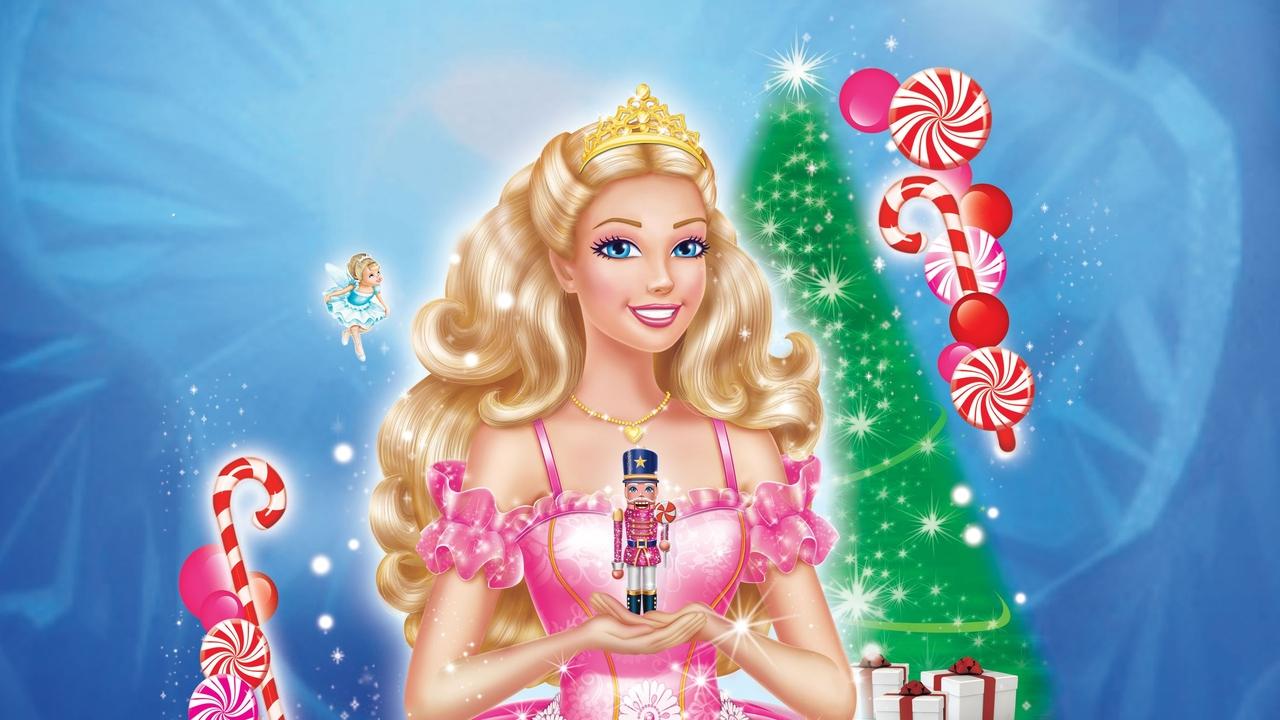
The film’s score, performed by the London Symphony Orchestra and adapted by Arnie Roth, is another standout. It treats the audience with respect. It assumes that kids can handle a full orchestral arrangement of Tchaikovsky without needing a pop-punk cover version. The music carries the emotional authenticity of the piece, filling in the gaps where the 2001 facial animation couldn't quite convey the nuance of Clara’s internal journey from a sheltered girl to a brave leader. Honestly, the background art looks like a Windows 95 screensaver in the best possible way, but when that music kicks in, you're in the Land of Sweets.
Barbie in the Nutcracker is a fascinating relic. It’s a film that paved the way for the Pixar-ification of toy properties, but it did so with a level of classical reverence that has mostly vanished from the franchise. While the CGI hasn't aged like fine wine—it’s more like a juice box that’s been sitting in the sun—the performances and the dedication to the art of ballet keep it from falling into the "trash" pile of forgotten animation. It’s a nostalgic, slightly clunky, but ultimately charming reminder of a time when the digital frontier was still wide open and anything, even a plastic doll, could be a princess.
Keep Exploring...
-

Barbie as Rapunzel
2002
-

Barbie of Swan Lake
2003
-
Barbie as The Princess & the Pauper
2004
-

Barbie in the 12 Dancing Princesses
2006
-
Barbie and the Diamond Castle
2008
-
Beauty and the Beast: The Enchanted Christmas
1997
-

Aladdin and the King of Thieves
1996
-
James and the Giant Peach
1996
-
Geri's Game
1997
-

Fantasia 2000
2000
-

For the Birds
2000
-
The Little Mermaid II: Return to the Sea
2000
-
Titan A.E.
2000
-
Jimmy Neutron: Boy Genius
2001
-
Lady and the Tramp II: Scamp's Adventure
2001
-
Osmosis Jones
2001
-
Joseph: King of Dreams
2002
-
101 Dalmatians II: Patch's London Adventure
2003
-
Looney Tunes: Back in Action
2003
-
The Triplets of Belleville
2003