Black Hawk Down
"Total immersion in the chaos of modern combat."
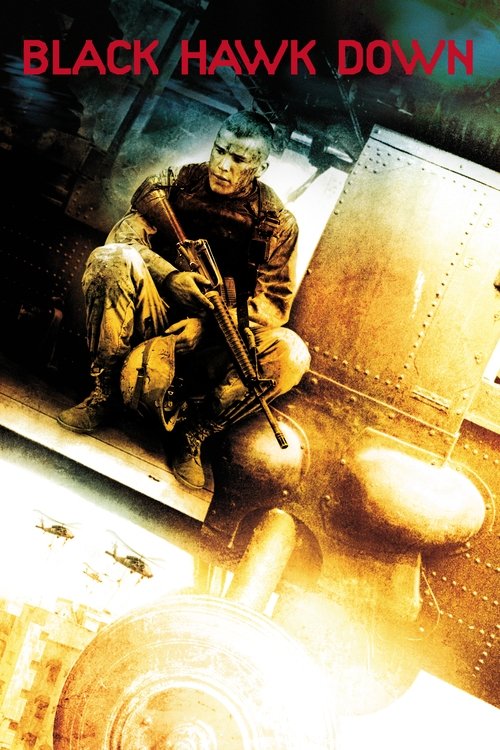
The dirt in Mogadishu doesn’t just sit on the ground; in Ridley Scott’s hands, it’s a permanent atmospheric layer, a gritty filter that coats the lungs of everyone on screen. Released in the precarious shadow of late 2001, Black Hawk Down arrived at a moment when the American psyche was pivoting from the relative peace of the '90s into a decade defined by "Forever Wars." While other war films seek to explain the "why" of a conflict through sweeping political monologues, Scott—fresh off the success of Gladiator—decided to focus entirely on the "how." How does a three-hour mission turn into a twenty-four-hour nightmare? How does elite training hold up when the plan evaporates?
I watched this recently on a Tuesday night while my neighbor was loudly assembling IKEA furniture through the wall, and honestly, the rhythmic hammering actually synchronized quite well with the percussive sound design of the film's urban combat.
The Anatomy of Chaos
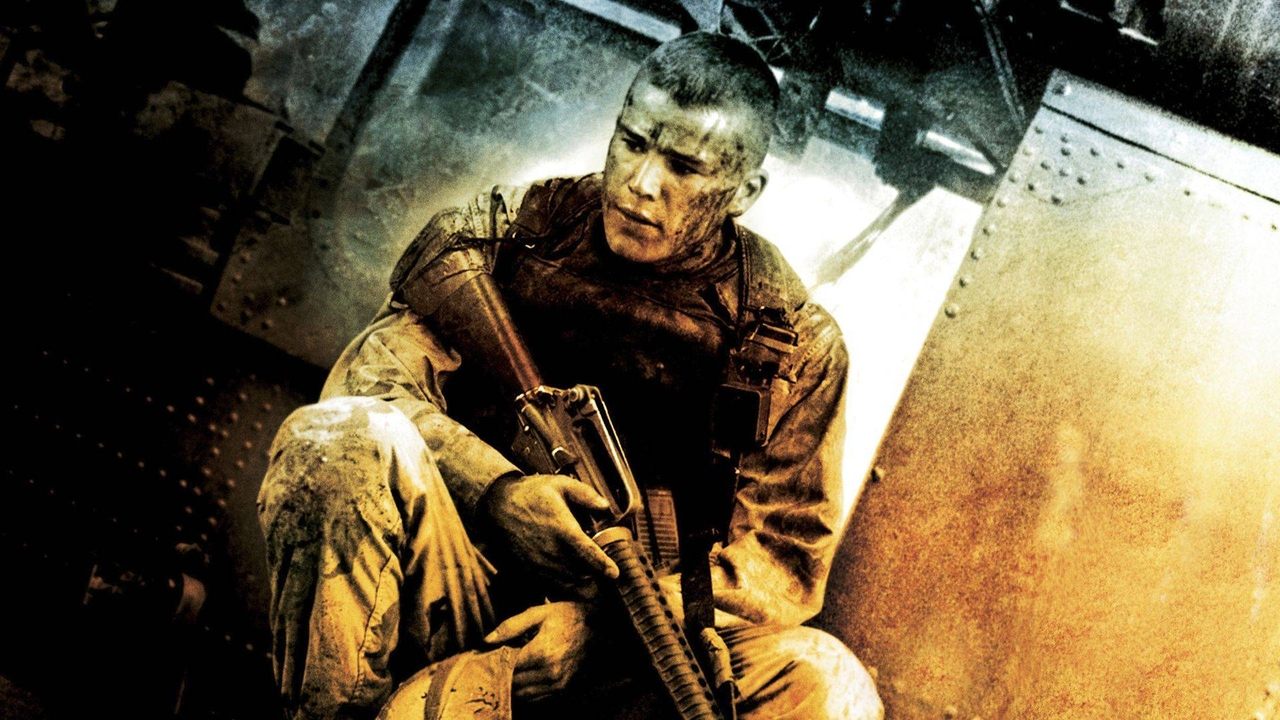
Before the Marvel Cinematic Universe made "the ensemble" a corporate strategy, Black Hawk Down was the ultimate "Who’s That Guy?" experience. It is a staggering collection of talent. You have Josh Hartnett trying to ground the film with a sense of burdened idealism as SSG Matthew Eversmann, and Ewan McGregor providing a rare bit of levity as a "desk jockey" finally getting his taste of the "grind." But for my money, the film belongs to Eric Bana as SFC Norm ‘Hoot’ Gibson and William Fichtner as SFC Jeff Sanderson.
These two represent the Delta Force "operators"—quiet, professional, and seemingly disconnected from the panic surrounding them. Eric Bana, in particular, exudes a cold-blooded competence that made him an instant star in the States after this. The way he treats his rifle as an extension of his own nervous system is a testament to the rigorous training the cast underwent. It’s basically a two-hour panic attack set to Hans Zimmer’s electric guitar.
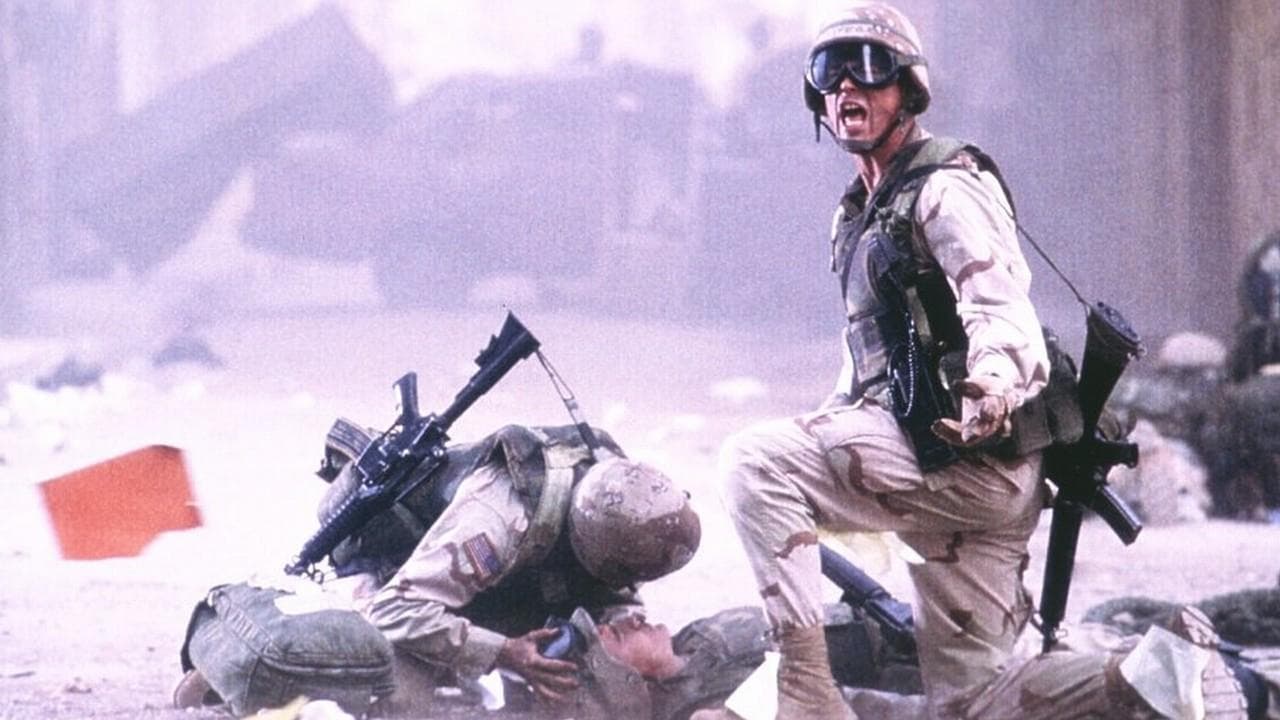
The cinematography by Slawomir Idziak is a masterclass in controlled disorientation. Using high-shutter speeds—a technique Steven Spielberg used to great effect in Saving Private Ryan—the film captures every grain of sand and every splinter of concrete with a harsh, flickering clarity. It feels less like a traditional movie and more like a series of dispatches from a place where the sun is too bright and the shadows are too deep.
The Last Stand of Practical Grit
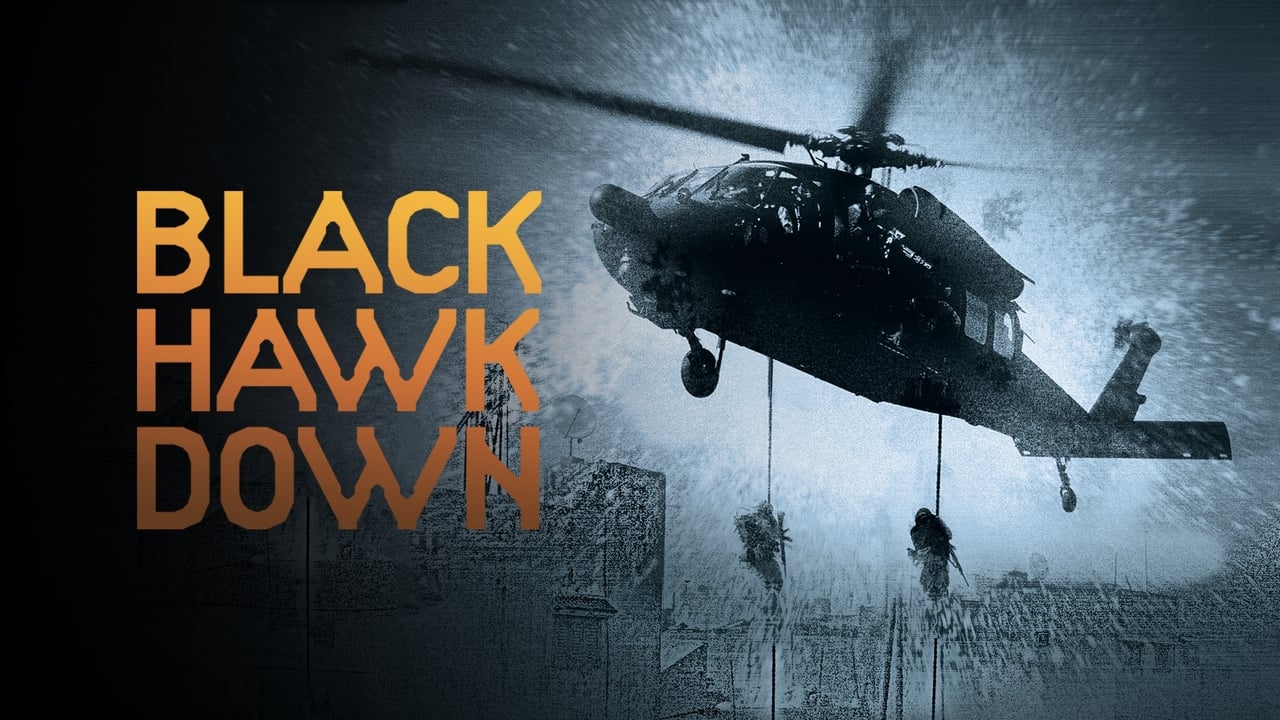
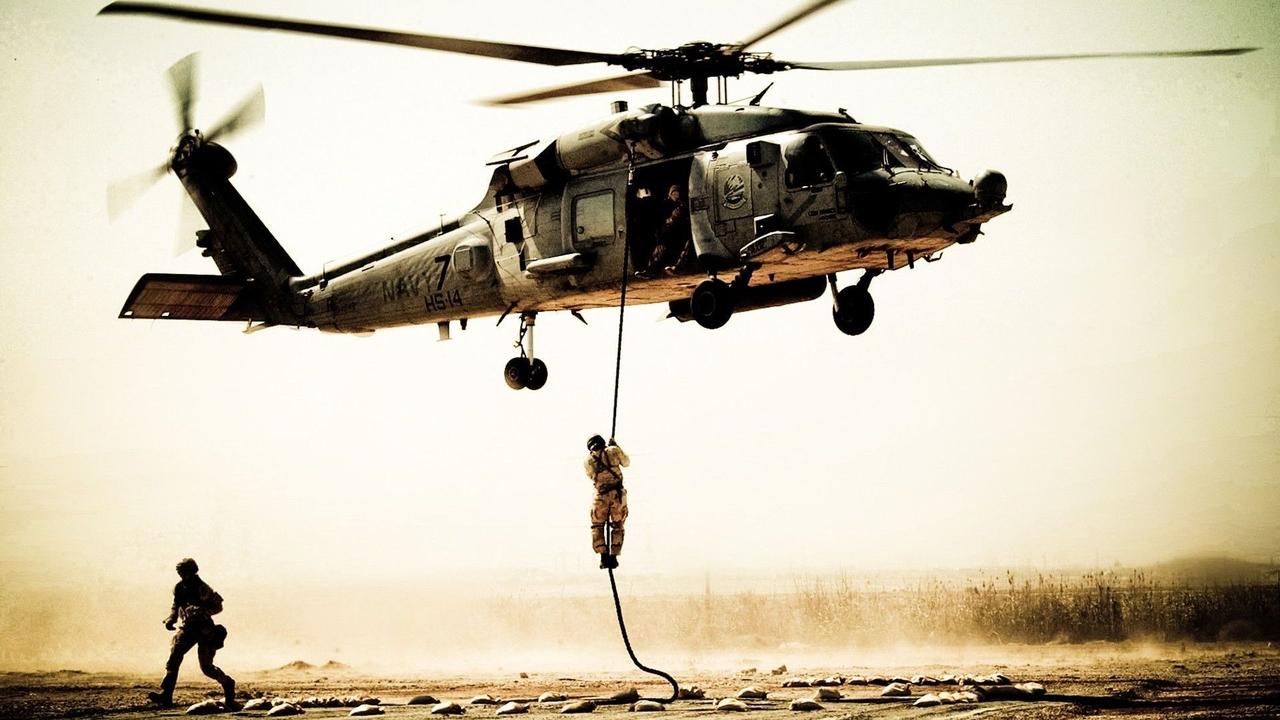
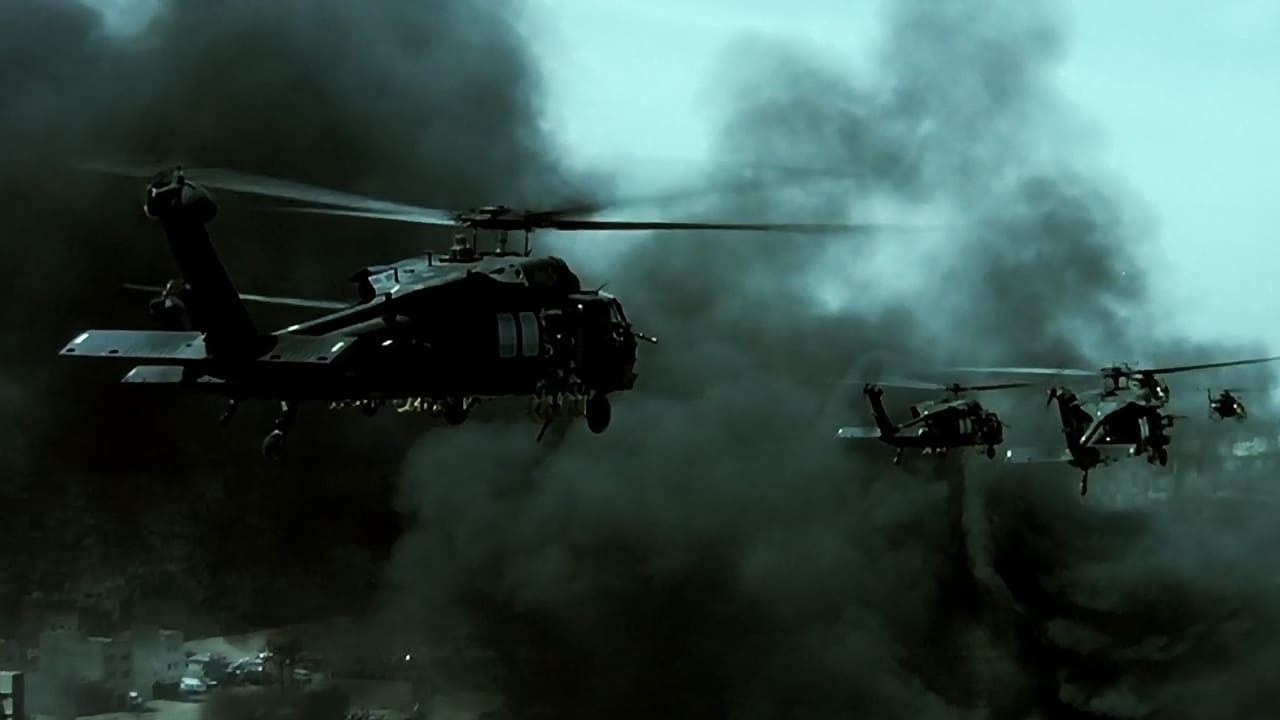
Looking back from 2024, Black Hawk Down stands as a monumental achievement in practical filmmaking. We are currently living in an era where massive military maneuvers are often relegated to green screens and "good enough" digital assets. In 2001, Ridley Scott didn't have that luxury, nor did he want it. He used real Black Hawk and Little Bird helicopters provided by the 160th Special Operations Aviation Regiment. When you see those birds banking low over the Moroccan coastline (standing in for Somalia), the downdraft is real. The dust is real.
This was also a peak era for the "Special Edition DVD." I remember the three-disc set of this film being a staple of every film nerd’s shelf. Those supplements showed the insane logistics of the production, including how they built an entire section of Mogadishu in Morocco. It was the kind of filmmaking that demanded physical presence. The result is a film that feels remarkably heavy. When a helicopter goes down, you don't just see a digital fireball; you feel the weight of the steel hitting the earth.
There is a grim irony in the film’s tagline, "Leave no man behind." The movie depicts the absolute cost of that ethos. It doesn't shy away from the horrific injuries or the desperate, messy nature of urban warfare. Sam Shepard, playing MG William F. Garrison, watches the disaster unfold on grainier-than-expected monitors from a command center, his hands literally tied by the unfolding tragedy. It’s an intense, claustrophobic experience that refuses to offer the viewer a comfortable "hero moment."
The Legacy of the Tactical Cult
While it was a box office success, Black Hawk Down has developed a specific cult following among military veterans and tactical enthusiasts. There’s a level of obsessive detail here—the way the Rangers carry their gear, the specific radio chatter, the "Delta vs. Ranger" cultural friction—that has kept it relevant in a way many 2000s action movies aren't.
Apparently, the real-life "Hoot" Gibson didn't actually say the famous line about his finger being his safety—that was an ad-lib or a writer's flourish—but it became so iconic that it’s now part of the mythos of the character. Interestingly, Tom Hardy makes his film debut here as SPC Lance Twombly, and if you blink, you might miss a very young Nikolaj Coster-Waldau or Orlando Bloom. It’s a graveyard of future leading men, all covered in enough soot and blood that they're almost unrecognizable.
The film does face some retrospective criticism for its one-dimensional portrayal of the Somali militia, who are largely treated as a nameless, faceless "skinnies" (the period-accurate, albeit derogatory, term used by the troops). While this fits the subjective, "grunt's-eye view" Ridley Scott was aiming for, it does leave the film feeling a bit hollow if you’re looking for a geopolitical deep dive. But as a study of men under fire, it remains the gold standard of the genre.
Ridley Scott created a sensory experience that still feels cutting-edge twenty years later because it relies on physics rather than pixels. It’s an exhausting, somber, and deeply respectful look at a mission that went sideways in every conceivable way. It doesn't celebrate the war, but it celebrates the grit required to survive it. If you haven't revisited it since the era of bulky CRT televisions and DVD players, it’s time to see how well that Moroccan dust still sticks to the screen.
Keep Exploring...
-
Kingdom of Heaven
2005
-
Troy
2004
-
The Patriot
2000
-
We Were Soldiers
2002
-
The Last of the Mohicans
1992
-
The Thin Red Line
1998
-
Enemy at the Gates
2001
-
Munich
2005
-

Braveheart
1995
-
Letters from Iwo Jima
2006
-
Robin Hood
2010
-
Saving Private Ryan
1998
-
Red Cliff
2008
-
Pearl Harbor
2001
-
Hotel Rwanda
2004
-
Rurouni Kenshin Part I: Origins
2012
-
The Last Samurai
2003
-

War Horse
2011
-
13 Hours: The Secret Soldiers of Benghazi
2016
-

American Gangster
2007