Blow
"He had it all, then he snorted it."
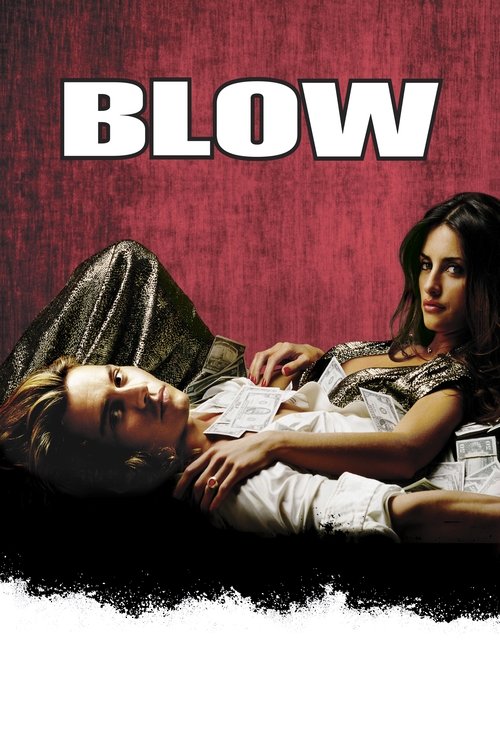
The hum of a reel-to-reel tape recorder is the loneliest sound in the world. As George Jung sits in his prison cell, whispering a final, desperate message to a father who can no longer hear him, the glamour of the "Cocaine God" era evaporates into a cold, grey puddle of regret. This isn't the high-octane adrenaline of Goodfellas or the operatic violence of Scarface; it’s a slow-motion car crash involving a man who thought he could outrun the inevitable comedown of the American Dream.
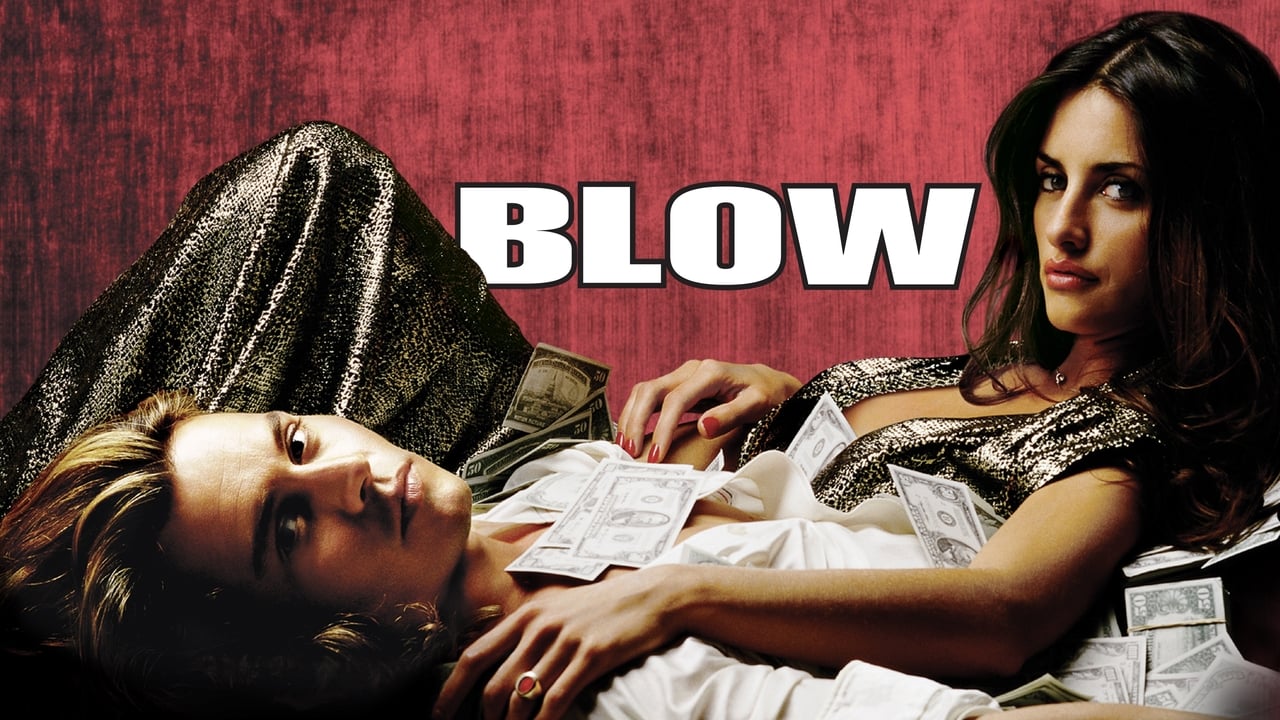
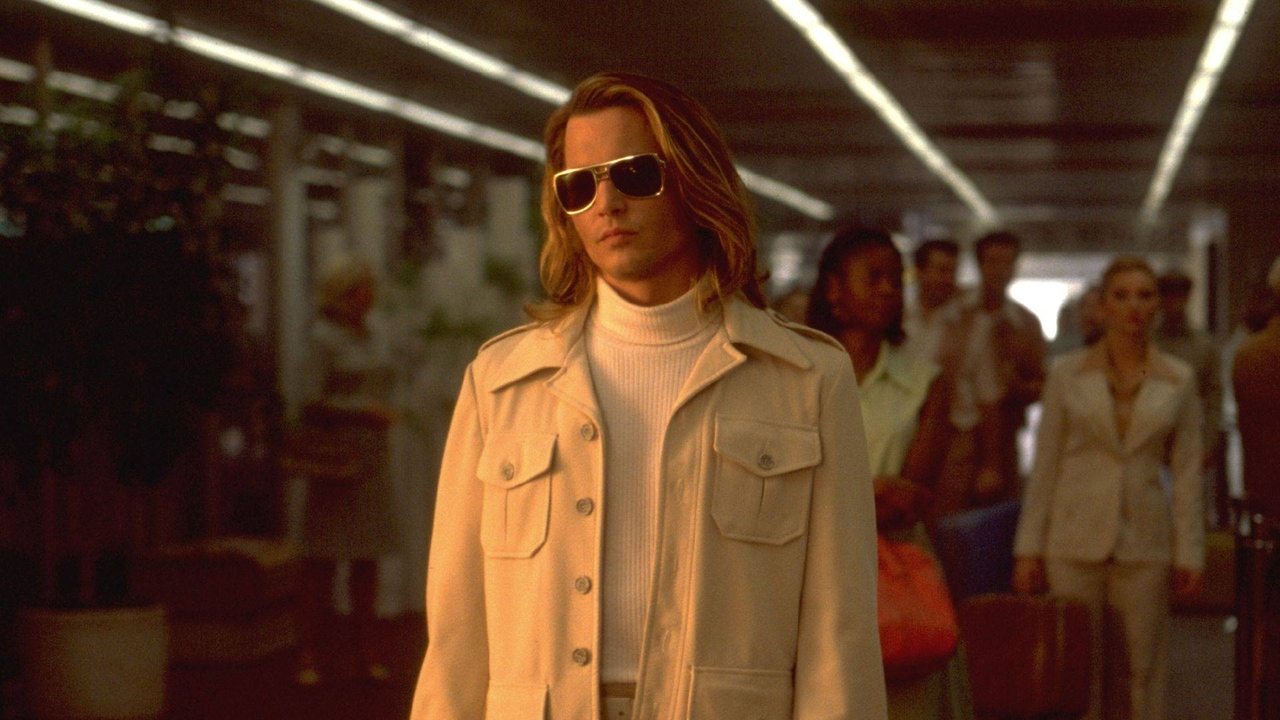
I watched this recently while sitting in a dentist’s waiting room, clutching a lukewarm cup of peppermint tea, and the contrast between my mundane reality and George’s disco-fueled rise was jarring. Yet, by the time the credits rolled, I felt like the lucky one. Johnny Depp gives us a version of George Jung that is strangely passive, a man who drifts into the drug trade not out of malice, but out of a simple, misguided desire to never be poor like his father. It’s a performance of quiet disintegration that anchors a film often prone to stylistic excesses.
The High and the Come-Down
Director Ted Demme, who tragically passed away not long after the film's release, leans heavily into the visual language of the late 90s and early 2000s. You can see the DNA of the "Indie Renaissance" here—the saturated colors of the California 1960s, the quick-cuts, and the heavy reliance on a jukebox soundtrack to do the emotional heavy lifting. Ellen Kuras, the cinematographer who would later give us the dreamy hues of Eternal Sunshine of the Spotless Mind, manages to make the early marijuana-dealing scenes feel like a sun-drenched postcard.
But as the story shifts from weed to the "white lady," the film’s palette sours. The transition is punctuated by George’s stint in prison, where he meets Diego Delgado (based on Carlos Lehder). It’s here that the movie hits its stride, detailing how the Medellin Cartel essentially "invented" the modern drug trade. It’s fascinating to look back at this era of filmmaking, right before the digital revolution, when films still had that thick, grainy texture that made the 70s period pieces feel lived-in rather than manufactured.
The film's secret weapon, however, isn't the drugs; it's Ray Liotta. Playing George’s father, Fred Jung, Liotta provides the film’s moral and emotional spine. In a career defined by playing volatile wiseguys in classics like Martin Scorsese's Goodfellas, his turn here as a hardworking, soft-spoken man who loves his son unconditionally is heartbreaking. The scenes between him and Depp are the only moments where the film feels truly grounded. Liotta apparently improvised several of his reactions during the final tape-recording scene, and you can feel the genuine weight of a father’s disappointment battling his devotion.
A Fur Coat and a Panic Attack
Then there is Penélope Cruz. If Depp is the anchor, Cruz is the hurricane. As Mirtha, George’s firebrand wife, she is a whirlwind of cocaine-induced paranoia and screaming matches. Penélope Cruz’s performance is basically a two-hour panic attack in a fur coat, and while it borders on caricature at times, it captures the frantic, ugly reality of the lifestyle George chose. It’s a sharp contrast to George’s first love, Barbara, played with a tragic sweetness by Franka Potente (Run Lola Run).
The film has developed a massive cult following since its DVD release, largely because it serves as a "Drug Trade 101" for a generation that grew up on Narcos. It’s a staple of the "poster on a dorm room wall" genre, yet it’s far more melancholic than its peers. I’ve always found it interesting that the real George Jung was reportedly a consultant on the film; supposedly, the production used over 30 pounds of milk powder and laxatives to stand in for the cocaine. It’s a fitting metaphor for the film itself—something that looks like the real deal but leaves a bitter taste in your mouth.
There are moments where the script by Nick Cassavetes (The Notebook) and David McKenna (American History X) feels a bit like a "Greatest Hits" reel of drug movie tropes. We get the obligatory "stacking money in the closet" montage and the "one last job" cliché. However, the film earns its stripes in the final act. The betrayal by his friends and the gut-punch realization that his daughter, Kristina Sunshine Jung, is the one thing he can’t buy his way back to, turns the movie into a genuine tragedy.
The Stuff You Didn't Notice
Looking back, Blow is filled with "hey, it’s that guy!" moments. A nearly unrecognizable Paul Reubens—yes, Pee-wee Herman himself—is fantastic as Derek Foreal, the flamboyant hairdresser who becomes George’s first connection. It was a bold casting choice that paid off, adding a layer of campy fun to the otherwise grim proceedings.

Interestingly, the film’s box office was modest, but its life on home video was legendary. It arrived just as DVD culture was peaking, and the special features—including interviews with the real Jung—helped cement its status as a cult classic. It’s the kind of movie that feels perfectly of its time: a bridge between the gritty crime dramas of the 90s and the more polished, franchise-driven cinema that was about to take over Hollywood.
Despite the wigs (and there are some truly questionable hairpieces on Johnny Depp as the years pass), the film holds up because it refuses to let George off the hook. He isn't a hero, and he isn't even a particularly good businessman; he's just a guy who wanted to be "the man" and ended up as a ghost in a prison yard.
Blow remains a captivating, if slightly uneven, portrait of a man who traded his soul for a mountain of powder only to find out the mountain was hollow. While it occasionally mimics the style of better crime epics, the powerhouse performances from Johnny Depp and Ray Liotta provide a soulful core that keeps it from being just another cautionary tale. It’s a grim, stylish reminder that some highs simply aren't worth the comedown.

Keep Exploring...
-
Training Day
2001
-
John Q
2002
-

The Negotiator
1998
-
Gangs of New York
2002
-
Road to Perdition
2002
-
The Life of David Gale
2003
-

Batman Begins
2005
-
Donnie Brasco
1997
-

Jackie Brown
1997
-
American Psycho
2000
-
25th Hour
2002
-

Adaptation.
2002
-
21 Grams
2003
-
Monster
2003
-

Lord of War
2005
-
Lucky Number Slevin
2006
-
Perfume: The Story of a Murderer
2006
-
The Place Beyond the Pines
2013
-
The Godfather Part III
1990
-

American Gangster
2007