Bridget Jones's Diary
"Big pants, bad boys, and the complete truth."
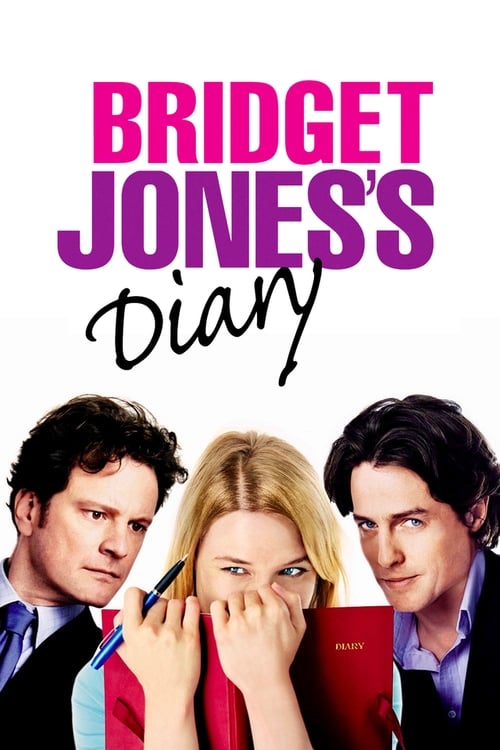
I clearly remember the low-level panic that gripped the British press in 2000 when they announced a Texan would be playing Bridget Jones. It was the cinematic equivalent of putting pineapple on a traditional Sunday roast—scandalous, unnecessary, and supposedly destined to ruin everything. At the time, I was watching the news in a tiny apartment where the radiator made a clicking sound like a Geiger counter, and even I felt a pang of "really? Her?"

Looking back, that skepticism seems hilariously misplaced. Not only did Renée Zellweger (who we all knew from Jerry Maguire) nail the accent, she captured the specific, frantic hum of early-30s anxiety that defined a generation of "singletons." Bridget Jones’s Diary isn't just a romantic comedy; it’s a time capsule of a very specific era where your biggest problems were your "thigh circumference" and the terrifying possibility of dying alone and being found three weeks later eaten by German Shepherds.
The Texan Who Became a National Treasure
The brilliance of this film lies entirely in the character work. Renée Zellweger didn't just gain weight and learn to say "rubbish"—she embodied the physical comedy of someone who is constantly at war with her own clumsiness. Whether she’s sliding down a fire station pole or attempting to cook blue string soup, she makes Bridget’s humiliation feel lived-in rather than scripted.
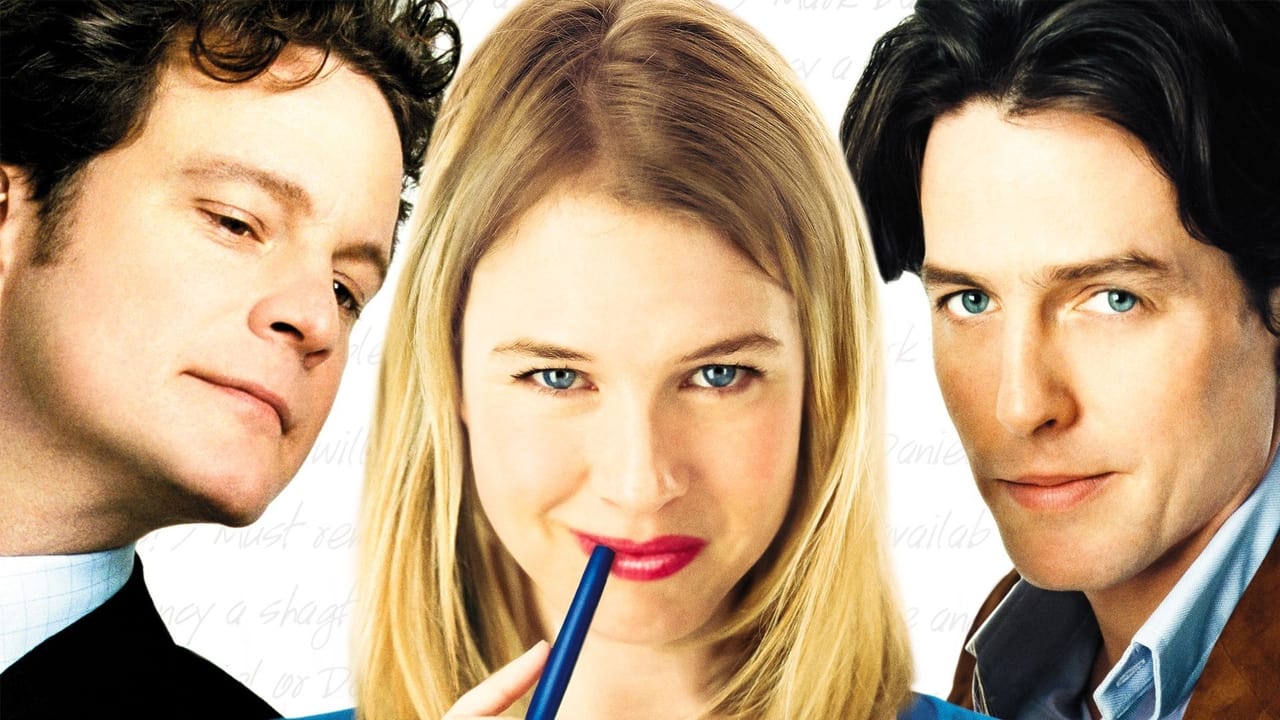
But it’s the drama of the love triangle that elevates the film. You have Hugh Grant, playing against his "bumbling posh guy" persona as Daniel Cleaver. Before this, he was the stuttering hero of Notting Hill; here, he’s a predatory, silver-tongued cad. Daniel Cleaver is the patron saint of red flags, and Grant plays him with a wicked glint in his eye that makes you understand exactly why Bridget keeps making the wrong choice.
Then there’s Colin Firth. His Mark Darcy is a masterwork of repressed British stoicism. It was a meta-stroke of genius to cast him, considering he had already played Mr. Darcy in the 1995 BBC Pride and Prejudice. When he tells Bridget, "I like you, very much. Just as you are," it’s one of the few genuinely earned emotional beats in 2000s cinema. It wasn't flashy; it was just two people standing in a kitchen being incredibly awkward.
The Fight That Changed Everything
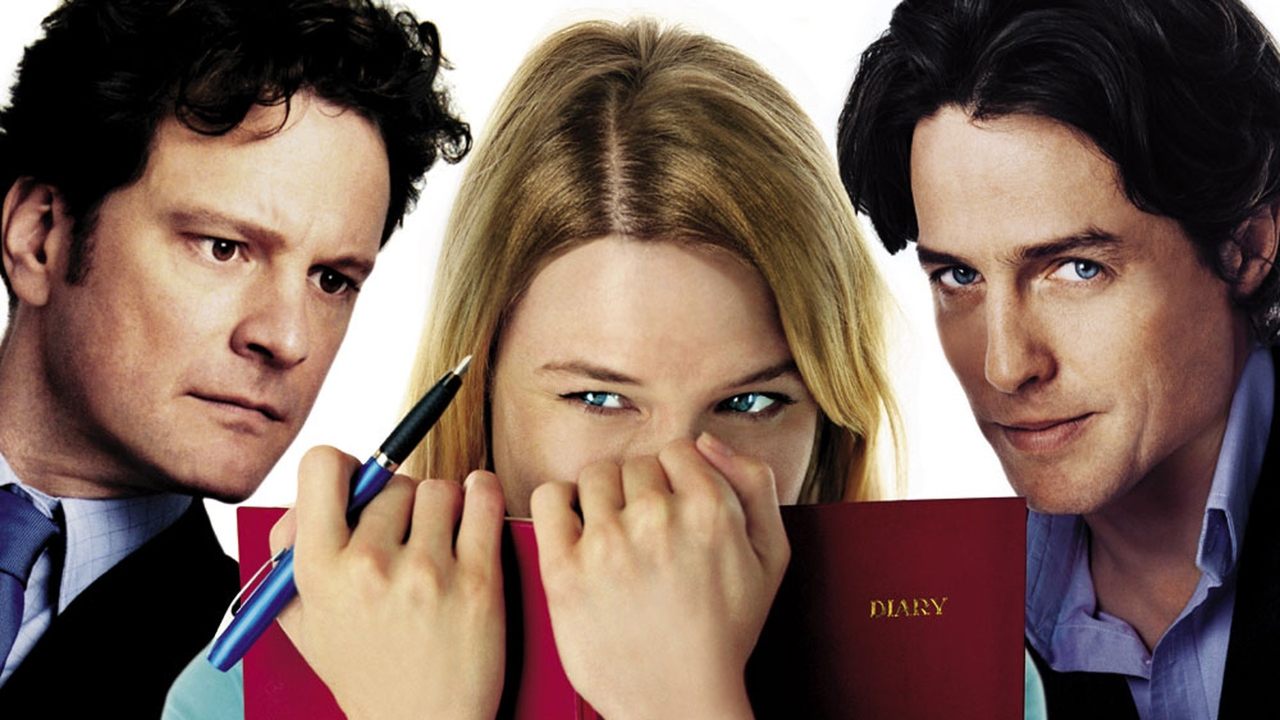
We have to talk about the fight. In an era where The Matrix had just introduced "bullet time" and every action movie was obsessed with wire-fu, director Sharon Maguire gave us the most realistic fight in movie history. When Colin Firth and Hugh Grant finally come to blows outside a Greek restaurant, it isn't choreographed. There are no roundhouse kicks. It is just two middle-aged men in expensive suits clumsily swatting at each other like angry toddlers.
Apparently, the actors refused a stunt coordinator, insisting that their characters wouldn't know how to fight. The result is pure comedy gold, but it’s also great drama. It shows exactly how pathetic these two men are in their pursuit of Bridget. The fight scene between Firth and Grant is the cinematic equivalent of two wet noodles slapping against a radiator, and I love it more every time I see it.
A $280 Million Cultural Hand Grenade
The financial scale of this movie is worth a retrospective look. It was produced for a modest $25 million and went on to gross over $281 million worldwide. That is an insane return on investment, even by today’s Marvel standards. It proved that there was a massive, underserved audience for female-led stories that weren't "perfect."
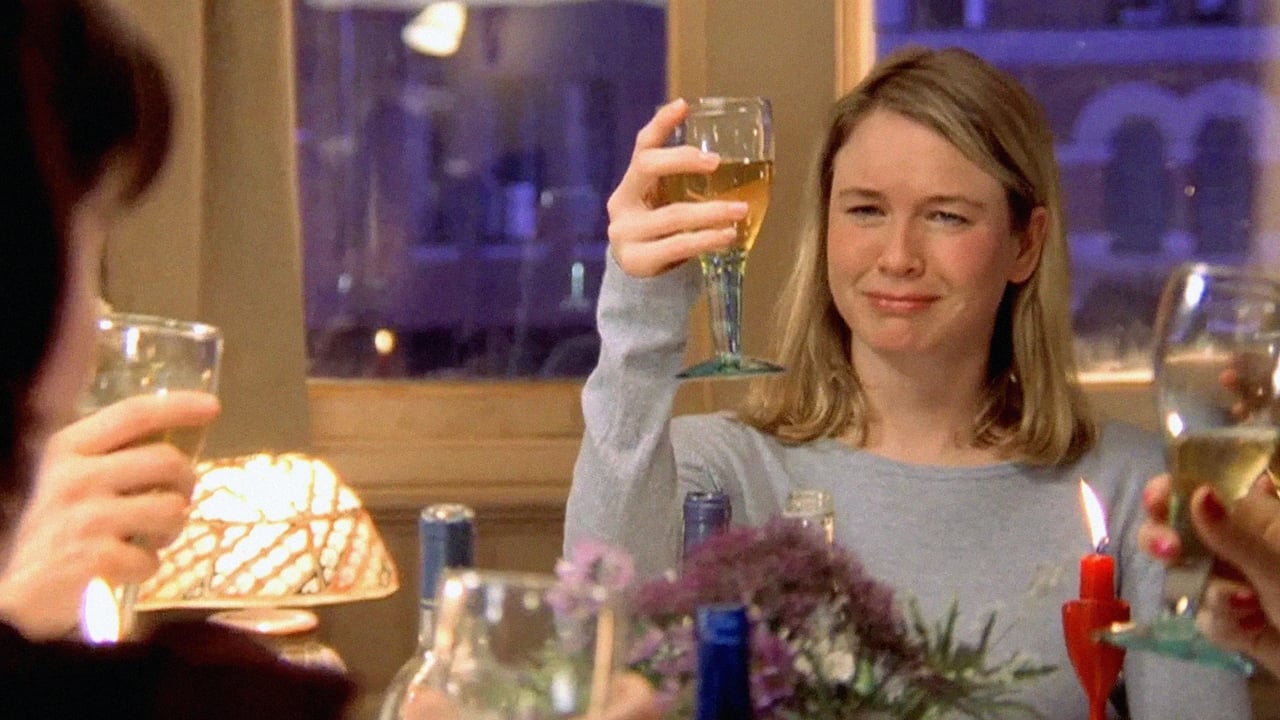
The film also captures the peak of DVD culture. I remember the special features being almost as popular as the movie itself—the deleted scenes, the commentary by Sharon Maguire, and the "Guide to Being a Singleton." It was a movie meant to be rewatched on a Saturday night with a bottle of Chardonnay and a giant bag of crisps.
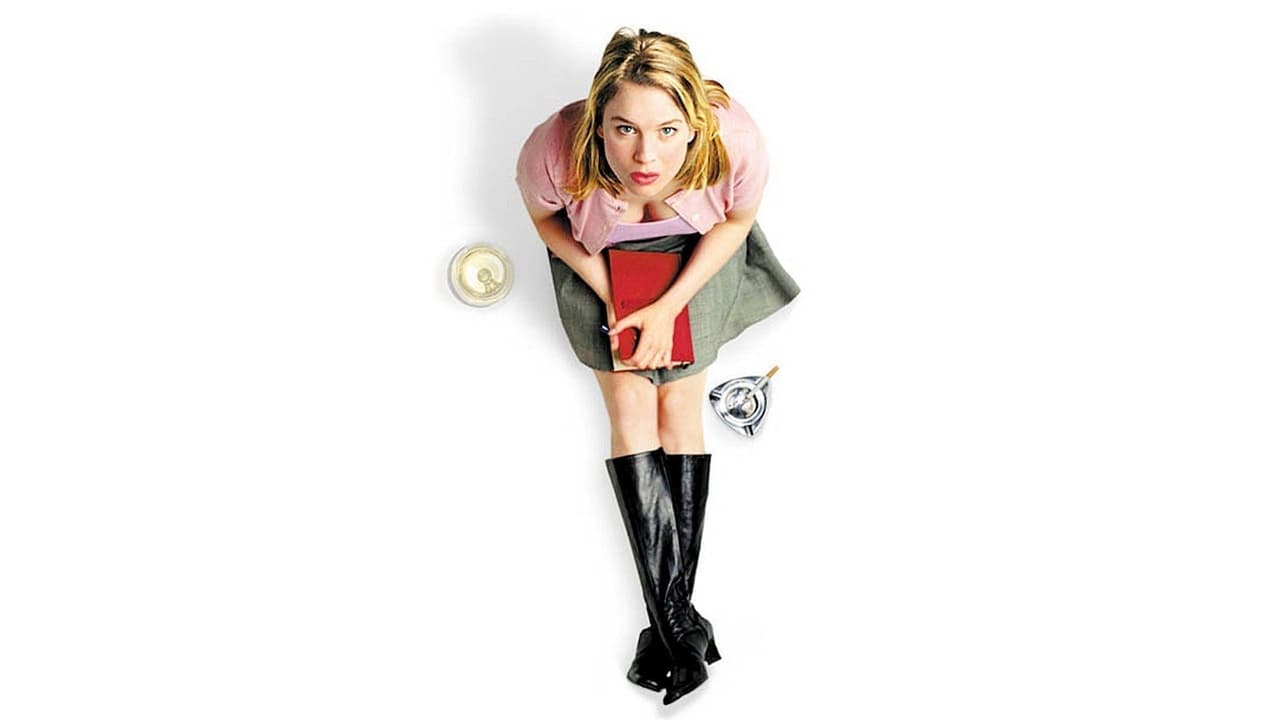
It’s easy to dismiss Bridget Jones as "chick flick" fluff, but the script by Richard Curtis (the king of the Brit-com) and Andrew Davies is incredibly sharp. It balances the "drama" of social embarrassment with the "comedy" of romantic failure perfectly. It deals with the casual sexism of the corporate world (the "Harpy" comments) and the suffocating pressure of family expectations (the "Smug Marrieds") with a wit that still feels relevant.
I recently rewatched this on a flight where the person next to me was snoring so loudly it sounded like a chainsaw, and yet I still found myself grinning at the screen. It’s a warm hug of a movie. While some of the Y2K-era obsession with calorie counting and "weight" feels a bit dated by 2024 standards, the core of the film—the desire to be seen and loved despite being a total disaster—is timeless.
It’s the film that turned Renée Zellweger into a powerhouse and reminded us that Hugh Grant is actually much better when he’s being a jerk. If you haven't revisited the diary in a while, do yourself a favor: grab some vodka, put on your biggest "granny pants," and enjoy. It’s "V.G." (Very Good).
Keep Exploring...
-
Bridget Jones's Baby
2016
-
Bridget Jones: The Edge of Reason
2004
-

Love Actually
2003
-
Four Weddings and a Funeral
1994
-

Notting Hill
1999
-
Chocolat
2000
-

Shallow Hal
2001
-
About a Boy
2002
-
My Big Fat Greek Wedding
2002
-
Sideways
2004
-
The Princess Diaries 2: Royal Engagement
2004
-
Chicago
2002
-
Jerry Maguire
1996
-
As Good as It Gets
1997
-
Stepmom
1998
-
Lost in Translation
2003
-
Something's Gotta Give
2003
-
Shall We Dance?
2004
-
Hitch
2005
-
What a Girl Wants
2003