Brotherhood of the Wolf
"History is written in blood and fur."
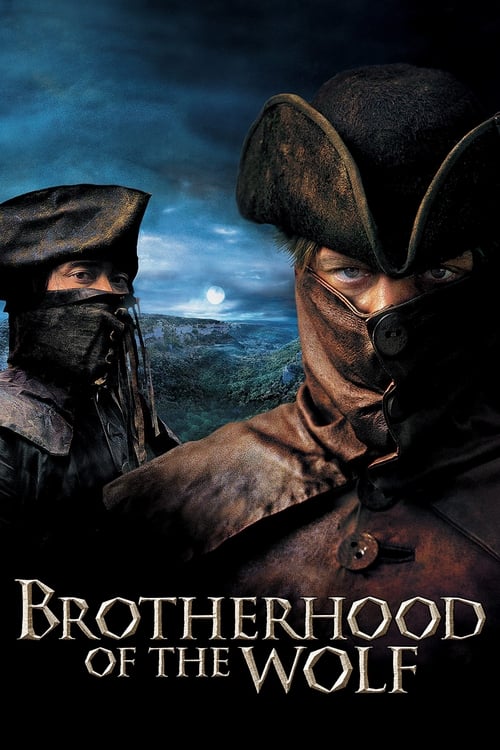
I first encountered Brotherhood of the Wolf (or Le Pacte des loups) during the peak of my obsession with the "International" section at the local Blockbuster. It was 2002, and the DVD transition was in full swing. This movie was the ultimate "have you seen this?" recommendation. It felt like a secret handshake among cinephiles—a French period piece that had the audacity to feature a Mohawk warrior performing slow-motion wushu kicks in the middle of a 1760s rainstorm.
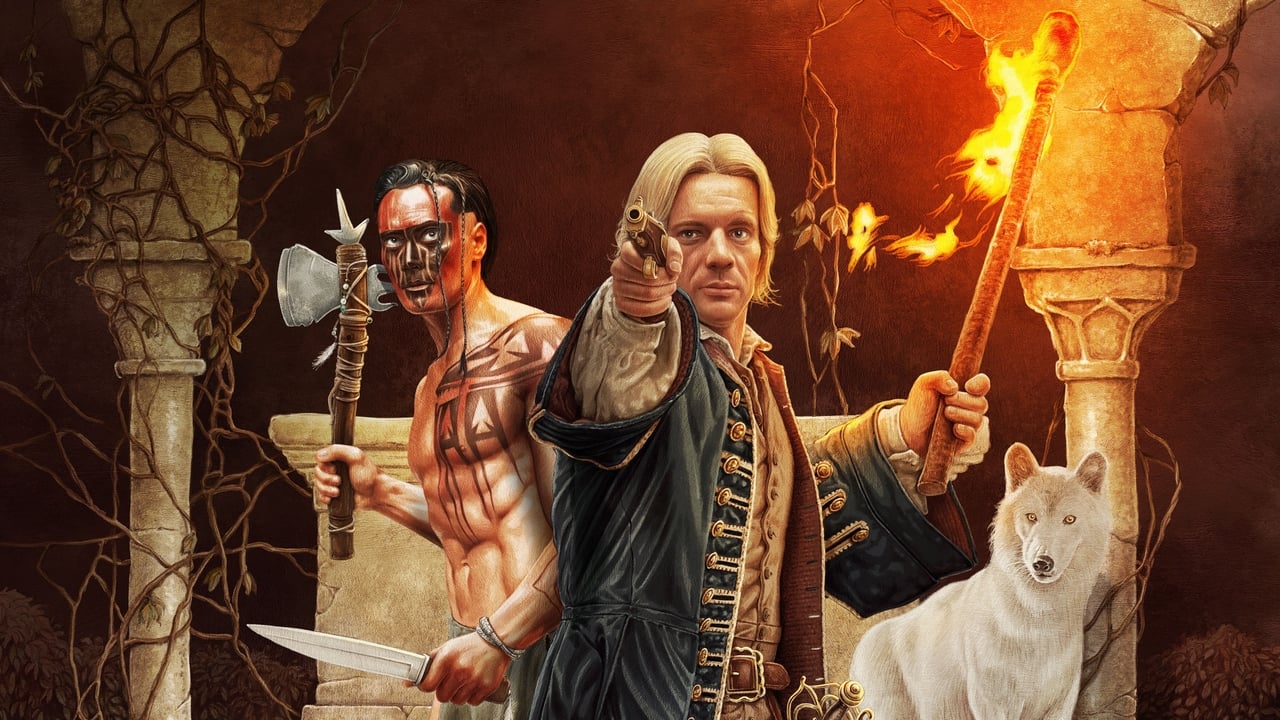
I remember watching it for the first time while nursing a particularly nasty case of food poisoning from a questionable gas station burrito. Every time Mark Dacascos landed a spinning backkick, I felt a sympathetic jolt in my stomach. Somehow, the fever dream of the illness perfectly matched the fever dream on the screen.
The Ultimate DVD-Era Discovery
Looking back, Brotherhood of the Wolf is the quintessential product of that turn-of-the-millennium transition. It arrived just as high-budget European cinema was trying to beat Hollywood at its own game by using American genre tropes infused with distinct continental style. Director Christophe Gans—who would later give us the visually stunning if narratively messy Silent Hill—essentially took the true-ish folklore of the Beast of Gévaudan and threw it into a blender with The Last of the Mohicans, The Matrix, and a heavy dose of Hammer Horror.
This was a time when the "Special Edition" DVD was king. I recall the original North American release had this tactile, almost furry slipcover that signaled: This isn't just a movie; it’s an artifact. The film itself treats its 151-minute runtime with a similar level of grandiosity. It’s a movie that refuses to apologize for having too many ideas, and in an era of increasingly homogenized franchises, that ambition feels remarkably refreshing.
Kung Fu in the Court of Louis XV
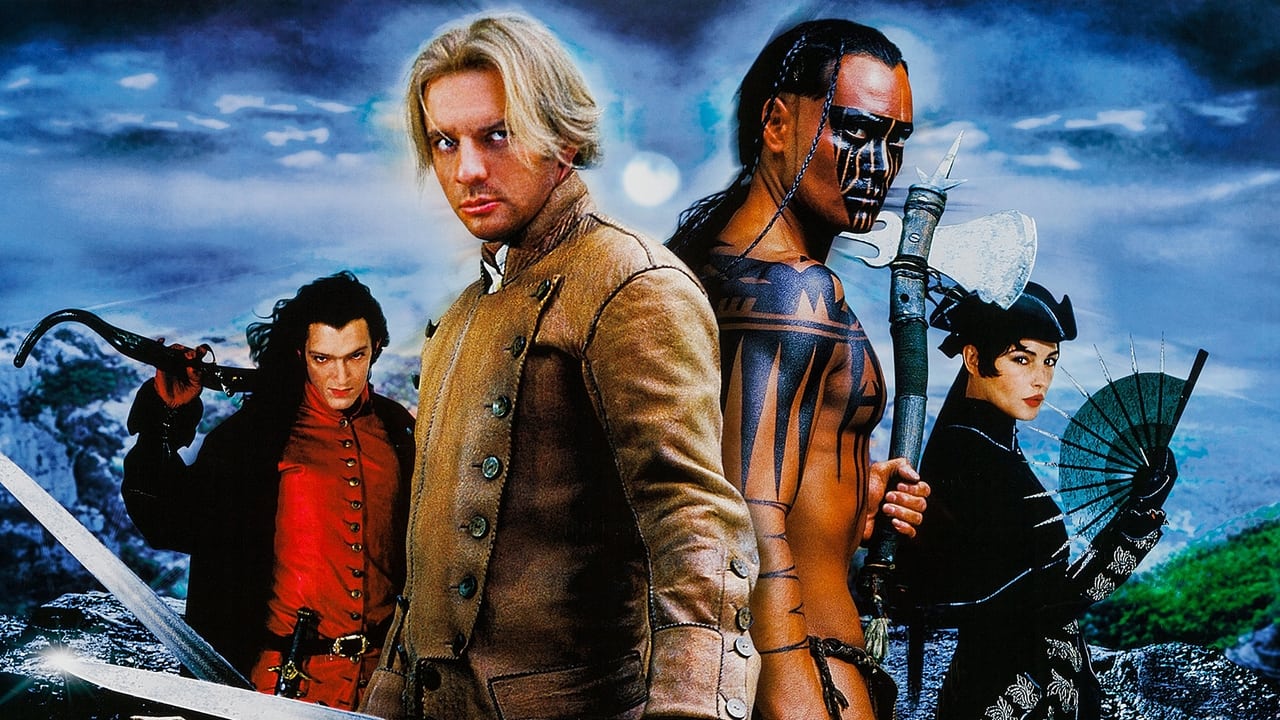
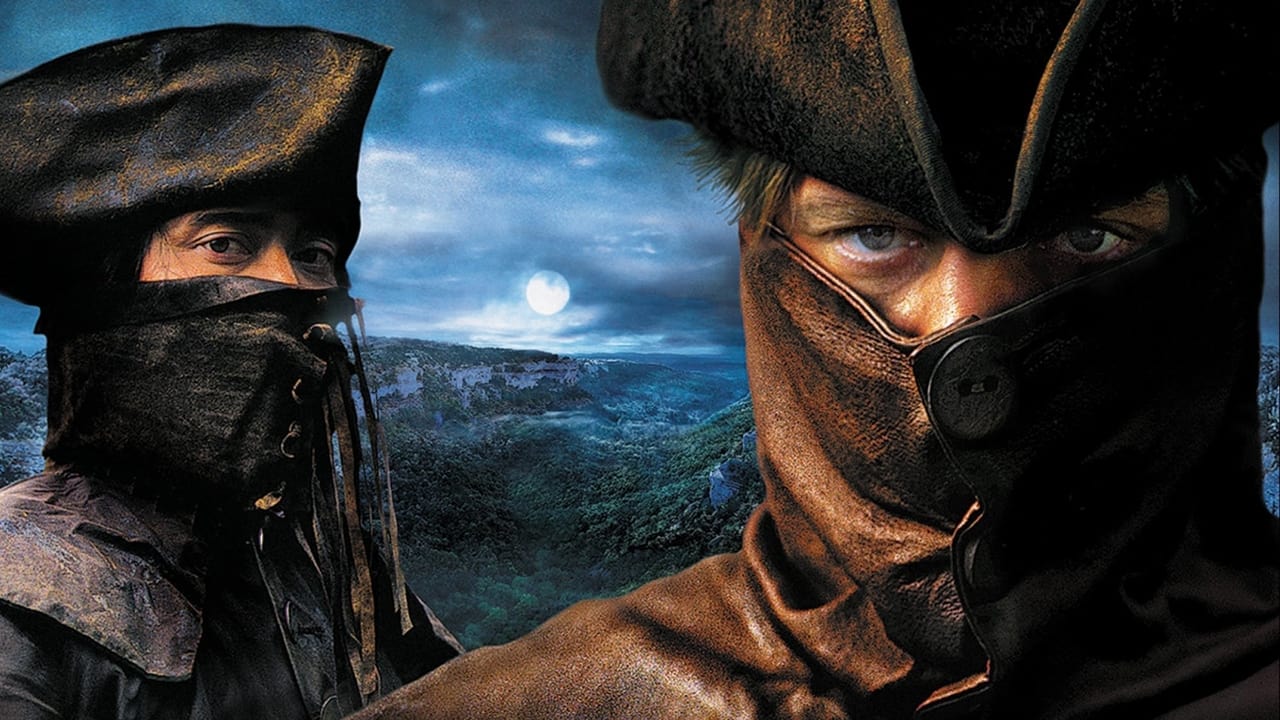
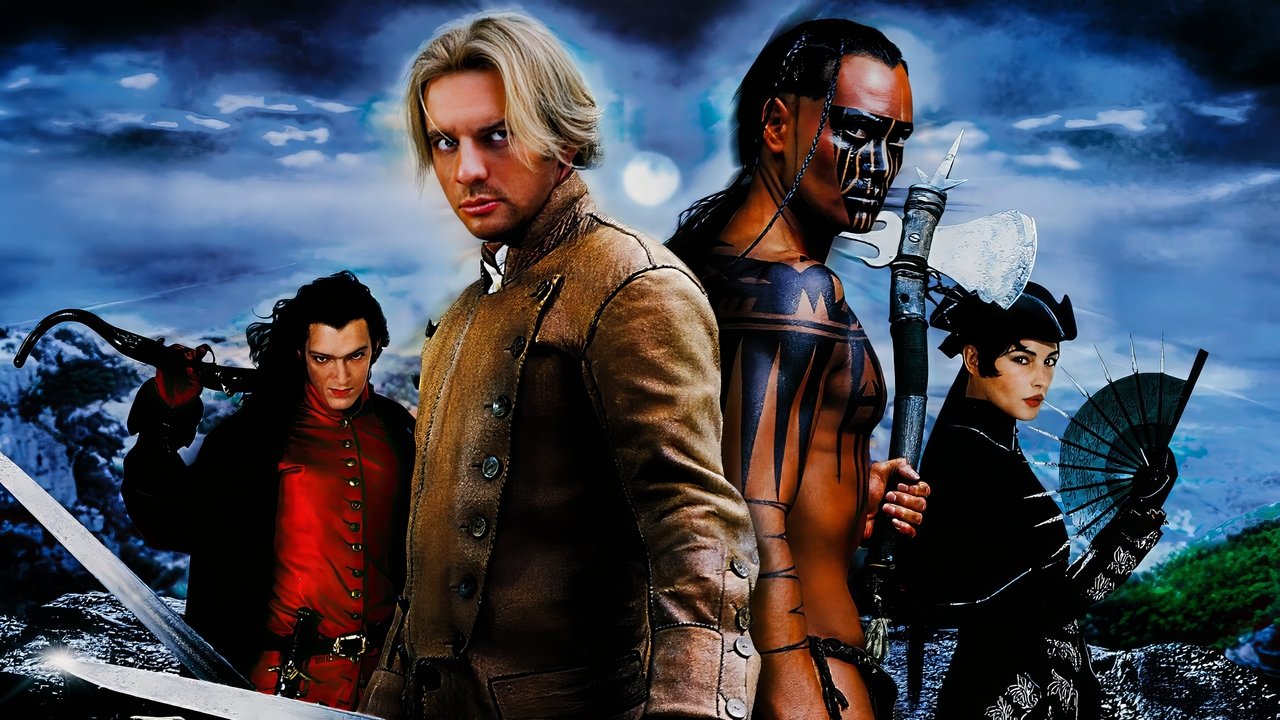
The story follows the Chevalier de Fronsac (Samuel Le Bihan) and his blood brother Mani (Mark Dacascos), a Mohawk tracker Fronsac met during the Seven Years' War in New France. They are sent to the rugged Gévaudan province to hunt a mysterious creature that’s been snacking on the local peasantry.
What makes the film sing isn't just the monster hunt, but the chemistry between the leads. Samuel Le Bihan plays Fronsac with a weary, enlightened charm—he’s a man of science stuck in a world of superstition. But let’s be honest: we’re all here for Mark Dacascos. Before he was the "Chairman" on Iron Chef America or the high-value assassin in John Wick: Chapter 3, he was the heart of this movie. His fighting style, choreographed by the legendary Philip Kwok, is surprisingly seamless. It shouldn't work in 18th-century France, yet seeing a man in buckskins beat up a dozen prejudiced French hunters is one of the most satisfying things 2001 gave us.
The supporting cast is a "who's who" of French cool. You have Vincent Cassel (La Haine) playing a one-armed aristocrat with a sneer that could curdle milk, and Monica Bellucci (The Matrix Reloaded) as a mysterious courtesan who seems to have stepped out of a different, much steamier movie entirely. Jérémie Renier provides the emotional grounding as the young Marquis d'Apcher, who narrates the tale from the shadows of the French Revolution.
Creature Features and Practical Magic
As a horror fan, I’m always wary of early 2000s CGI. This was the era where digital effects were often a crutch that aged like bread. However, Brotherhood of the Wolf benefits from a brilliant decision: they hired Jim Henson's Creature Shop. While there is definitely some dated digital trickery used to enhance the beast’s movements, the physical presence of the creature—a bizarre, armored monstrosity—feels heavy and real.
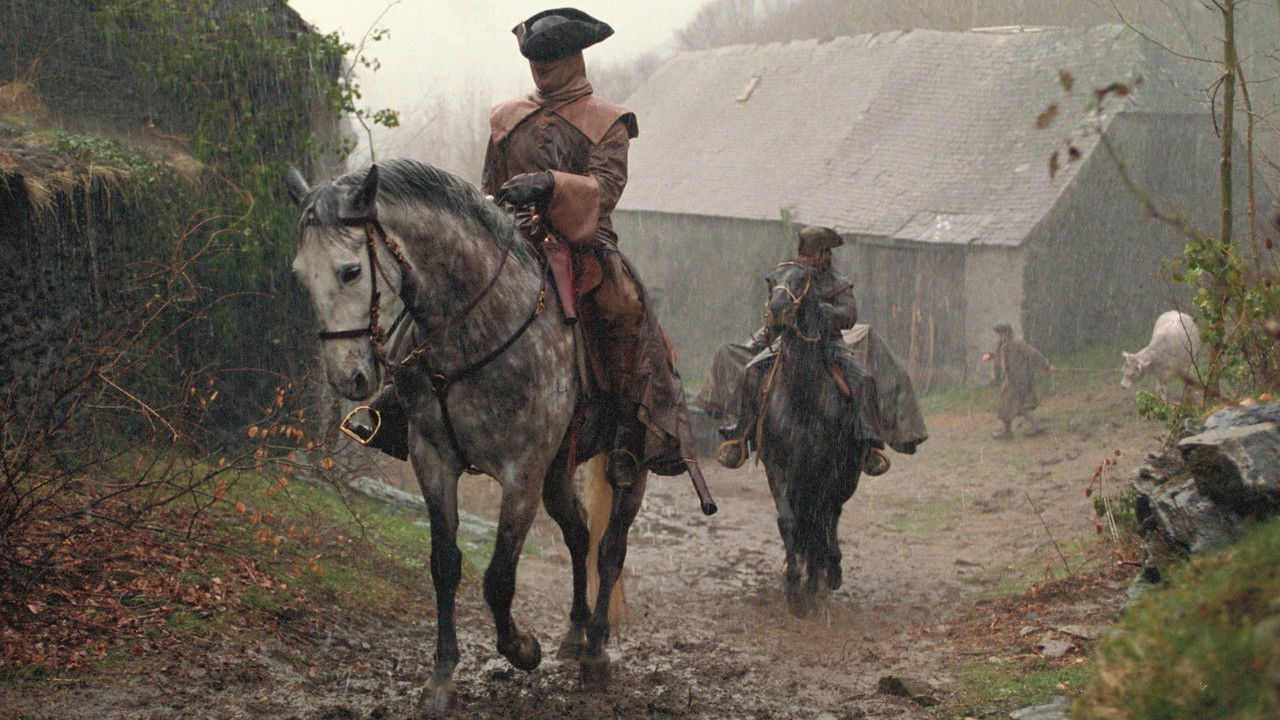
The atmosphere is thick enough to choke on. Cinematographer Dan Laustsen, who would later win an Oscar for The Shape of Water, uses a desaturated, chilly palette that makes the French countryside look like a purgatory of mud and mist. The sound design is equally oppressive; the creature doesn't just growl, it clanks and wheezes. It’s an effective bit of "less is more" filmmaking that pays off when the final, chaotic reveal happens.
Turns out, the beast wasn't just a random predator, but a tool of a secret society—the titular Brotherhood—aiming to undermine the King's authority. It’s a bit of a "conspiracy thriller" pivot that adds some historical weight to all the throat-ripping. Apparently, Christophe Gans was so dedicated to the period detail that he insisted on using authentic hunting horns from the era, which creates a haunting, discordant sound that sticks in your ears long after the credits roll.
Brotherhood of the Wolf is a glorious anomaly. It’s the kind of film that couldn't get made today—at least not with this level of earnestness and budget. It’s too weird for the mainstream and too "action-heavy" for the art-house crowd, which is exactly why it remains a cult classic. It captures that specific Y2K-era energy where directors were rediscovering the joy of maximalism. If you’re looking for a double feature, pair this with Tim Burton’s Sleepy Hollow. It’s a reminder that history is often much weirder, and much bloodier, than the textbooks suggest.
Keep Exploring...
-
The Messenger: The Story of Joan of Arc
1999
-
The Count of Monte Cristo
2002
-

The 13th Warrior
1999
-

Hero
2002
-
Rurouni Kenshin Part I: Origins
2012
-
Taxi 2
2000
-
Assault on Precinct 13
2005
-
OSS 117: Cairo, Nest of Spies
2006
-
1492: Conquest of Paradise
1992
-

Alexander
2004
-
AVP: Alien vs. Predator
2004
-
King Arthur
2004
-
Van Helsing
2004
-
Kingdom of Heaven
2005
-
The Edge
1997
-
Vampires
1998
-
Lake Placid
1999
-
Shaft
2000
-
Eight Legged Freaks
2002
-
Flight of the Phoenix
2004