Donnie Darko
"The end of the world never looked so suburban."
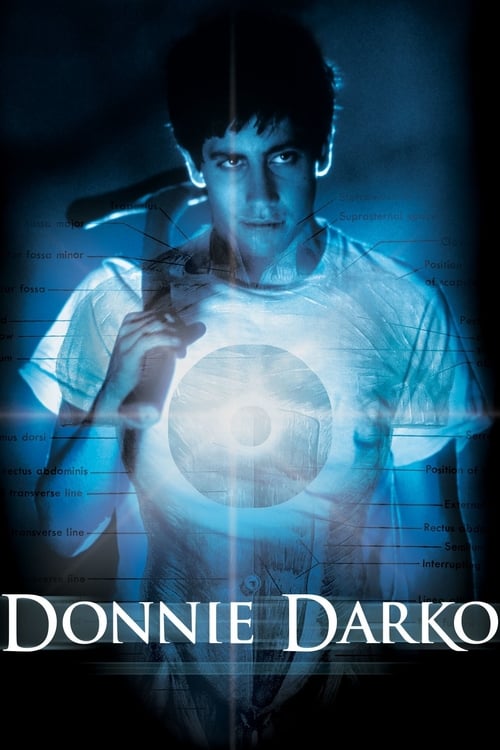
I remember the first time I popped the Donnie Darko DVD into my player. It was a Tuesday night, and I was eating a bowl of room-temperature SpaghettiOs that had sat out a little too long. There was something about the metallic tang of the sauce that perfectly matched the cold, industrial vibe of the film’s opening. By the time the credits rolled, I wasn't just confused—I was obsessed. I immediately hit "play" again.
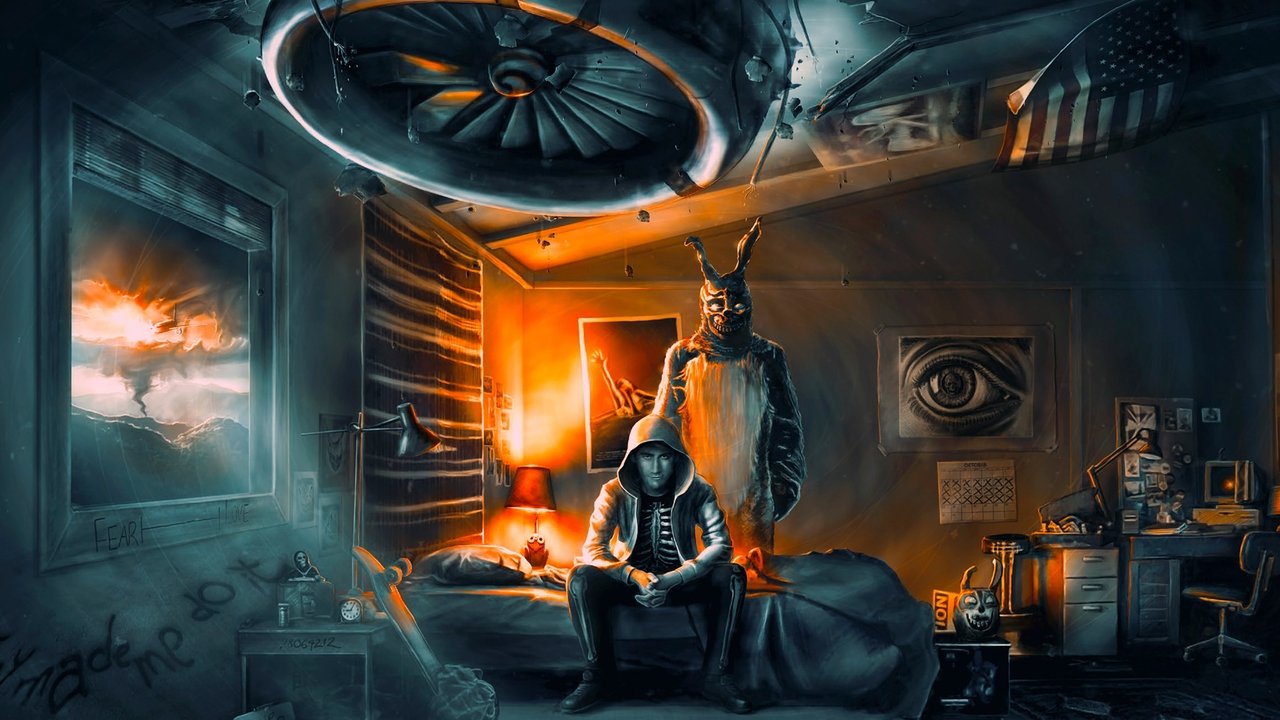
This is the quintessential "DVD movie." While it famously flopped in theaters, it became a cultural juggernaut because of the burgeoning home-video market of the early 2000s. People didn't just watch Donnie Darko; they studied it, paused it, and argued about it on internet forums that looked like they were designed by high schoolers in a basement. It’s a film that captures that specific Y2K-era transition where indie cinema started getting weird, dark, and unapologetically intellectual.
The Sundance Rejection and the Barrymore Save
It’s hard to imagine now, but Richard Kelly’s debut almost didn't see the light of day. After a lukewarm reception at Sundance, the film was headed straight to the bargain bin of a video rental store. It was Drew Barrymore and her production company, Flower Films, that stepped in. By putting her star power behind it—and taking the role of the rebellious English teacher, Karen Pomeroy—she gave this strange, time-bending script the oxygen it needed.
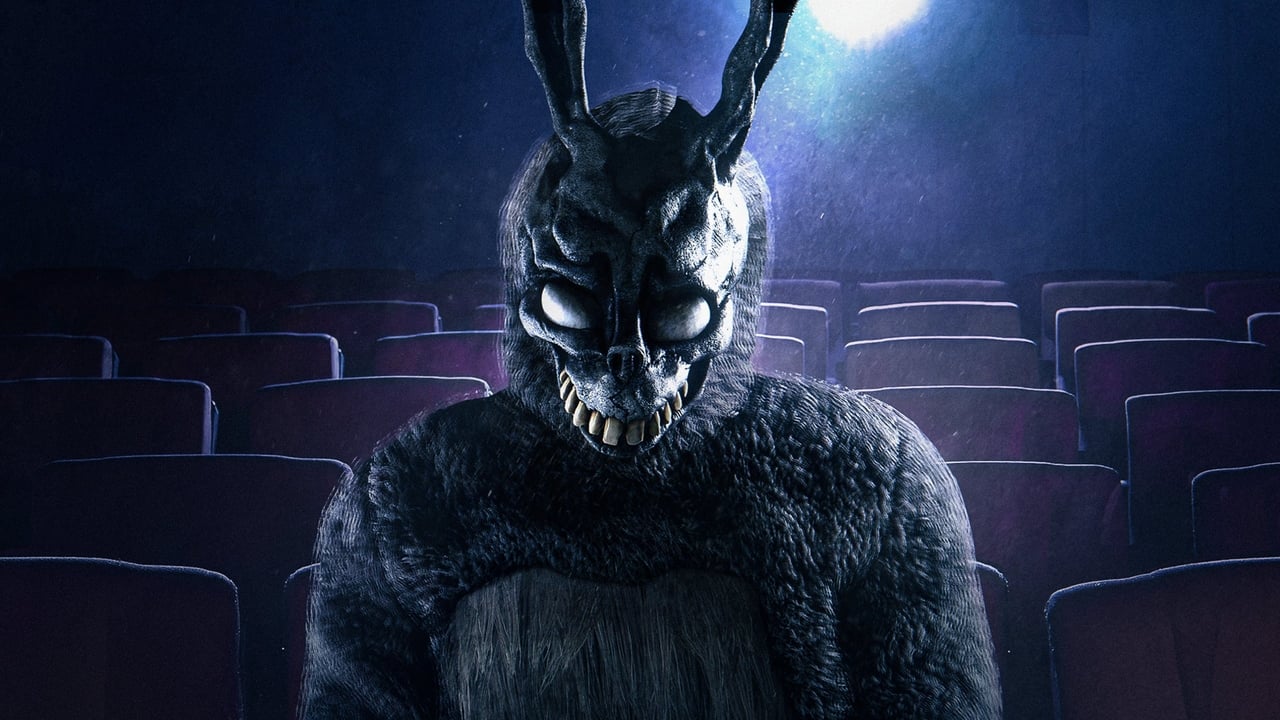
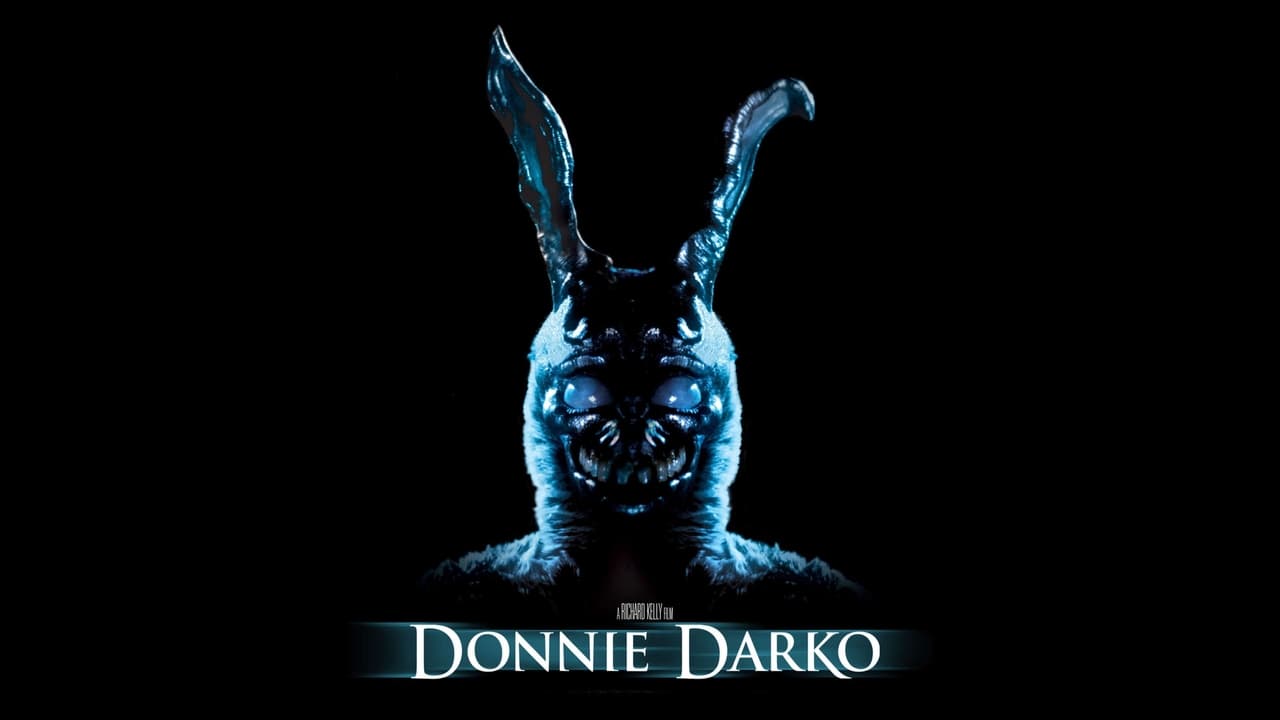
The production was a classic indie hustle. Shot in just 28 days (the exact length of the countdown in the film), the crew was constantly racing against the clock. They didn't have the budget for massive CGI spectacles, which turned out to be a blessing. The "Liquid Spears" that emerge from the characters' chests were a relatively new digital effect at the time, but because they were used sparingly, they still carry an eerie, otherworldly weight. If a major studio had made this, they would have probably turned Frank the Rabbit into a high-res digital monster. Instead, we got James Duval in a terrifyingly handcrafted suit that looks like it crawled out of a nightmare, and it’s infinitely more effective.
A Masterclass in Suburban Gothic
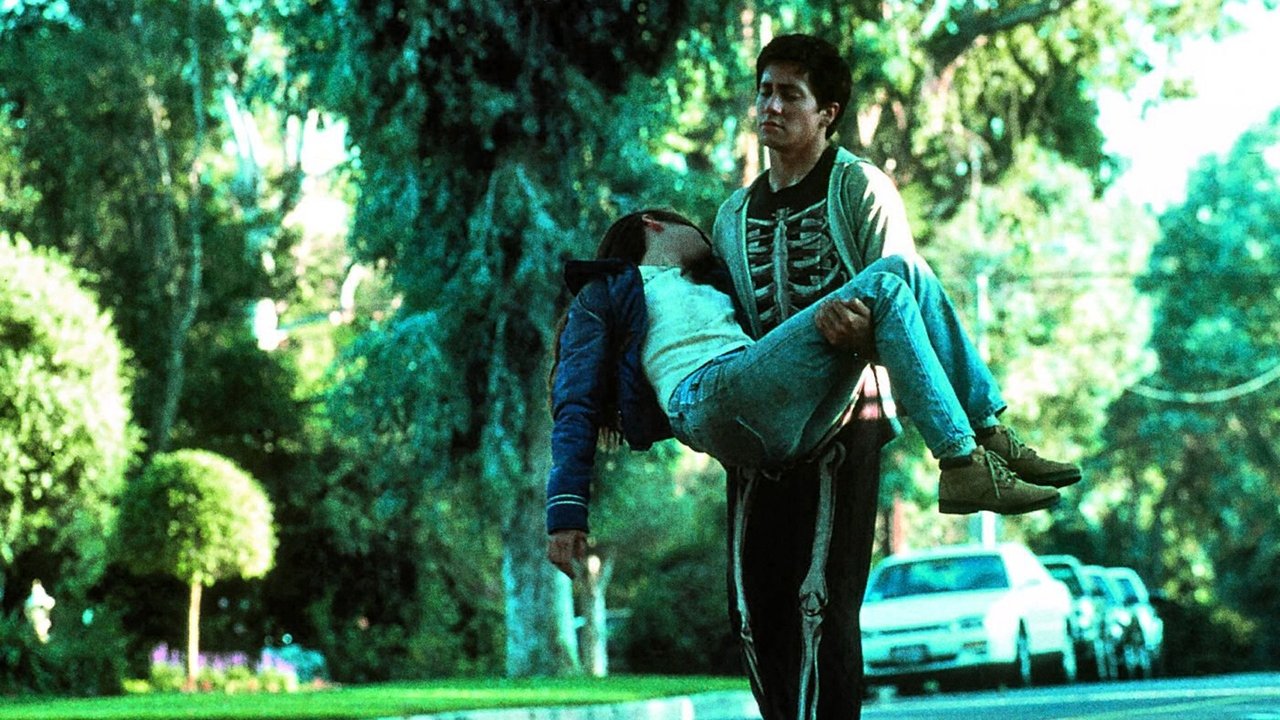
At its heart, the movie works because of Jake Gyllenhaal. Before he was an Oscar nominee, he was just a kid with incredibly expressive, haunted eyes. His performance as Donnie is a tightrope walk between "troubled teen" and "savior of the universe." He makes the ridiculous dialogue—like debating the sexual habits of Smurfs—feel like the most important conversation in the world.
The casting across the board is a "who’s who" of that era. You’ve got a young Jena Malone as the literal girl next door, and Maggie Gyllenhaal playing Donnie’s sister (a stroke of genius that makes their sibling bickering feel 100% authentic). But the real standout is Patrick Swayze. Seeing the guy from Dirty Dancing play a predatory, hyper-tan self-help guru was a massive risk that paid off. He leaned into the absurdity of the "Fear vs. Love" charts with a sincerity that makes your skin crawl.
The film also captures a very specific post-9/11 anxiety, despite being set in 1988. Released just five weeks after the Twin Towers fell, a movie featuring a jet engine falling from the sky into a bedroom was a tough sell. But for those of us watching it a year or two later, that sense of impending, unavoidable doom felt remarkably current. The Director’s Cut is a case of "be careful what you wish for" because it explains way too much. I’ve always maintained that the original theatrical version is the superior experience; the ambiguity is the point. You shouldn't need a physics textbook to feel the emotional gut-punch of the ending.
Stuff You Didn't Notice

One of the coolest things about the production is how much of it was kept "in the family." Because the budget was so tight, many of the background details were improvised or borrowed. The "Philosophy of Time Travel" book Donnie reads was actually written by Kelly for the film, and you can find the text on the original website—a piece of early viral marketing that helped build the cult following.
Also, look closely at the scene where Donnie laughs in the cinema while watching The Evil Dead. That wasn't just a random choice; it was a nod to the "cinema of the spectacular" that Kelly was trying to subvert. And if you’ve ever wondered why the soundtrack hits so hard, it’s because the music was chosen with surgical precision. The use of "Mad World" by Gary Jules (a Tears for Fears cover) during the final montage is arguably one of the most effective marriages of sound and image in modern cinema history. It’s the kind of moment that makes you stare at the blank TV screen long after the DVD menu has started looping.
Donnie Darko is a beautiful, messy, ambitious miracle of a movie. It represents a time when indie filmmakers were allowed to take massive swings at high-concept sci-fi without a franchise safety net. It’s a film that respects its audience’s intelligence enough to let them get lost in the woods. Even if you don't fully "get" the tangent universe or the living receiver, you’ll definitely feel the ache of being a teenager who just wants to know that someone is listening.
Looking back, it’s the film that proved Jake Gyllenhaal was a force of nature and that Richard Kelly had one of the most unique voices of the 2000s. It’s dark, it’s funny, and it’s weirdly hopeful in its own apocalyptic way. If you haven't seen it in a decade, it’s time to go back down the rabbit hole. Just maybe skip the SpaghettiOs this time.
Keep Exploring...
-
The Jacket
2005
-
Inland Empire
2006
-
Pi
1998
-
Waking Life
2001
-
Brick
2006
-

The Devil's Backbone
2001
-
Ghost
1990
-
Frank
2014
-
Winter's Bone
2010
-
Beasts of the Southern Wild
2012
-
Rubber
2010
-
Stranger Than Fiction
2006
-
Secretary
2002
-
The Girl Who Played with Fire
2009
-
The Secret in Their Eyes
2009
-
Holy Motors
2012
-
A Ghost Story
2017
-
Session 9
2001
-
Primal Fear
1996
-
The Craft
1996