Don't Say a Word
"The secret is locked. He has the key."
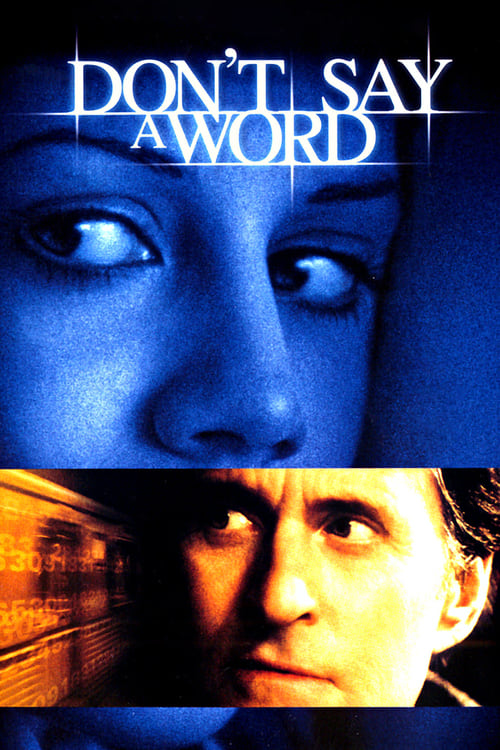
The early 2000s had a very specific "look." If you close your eyes and think of a thriller from 2001, you’re likely seeing a palette of industrial blues, steely greys, and a New York City that felt perpetually overcast. It was an era of high-concept psychological puzzles where professional men in expensive overcoats were forced to run through subway tunnels to save their families.

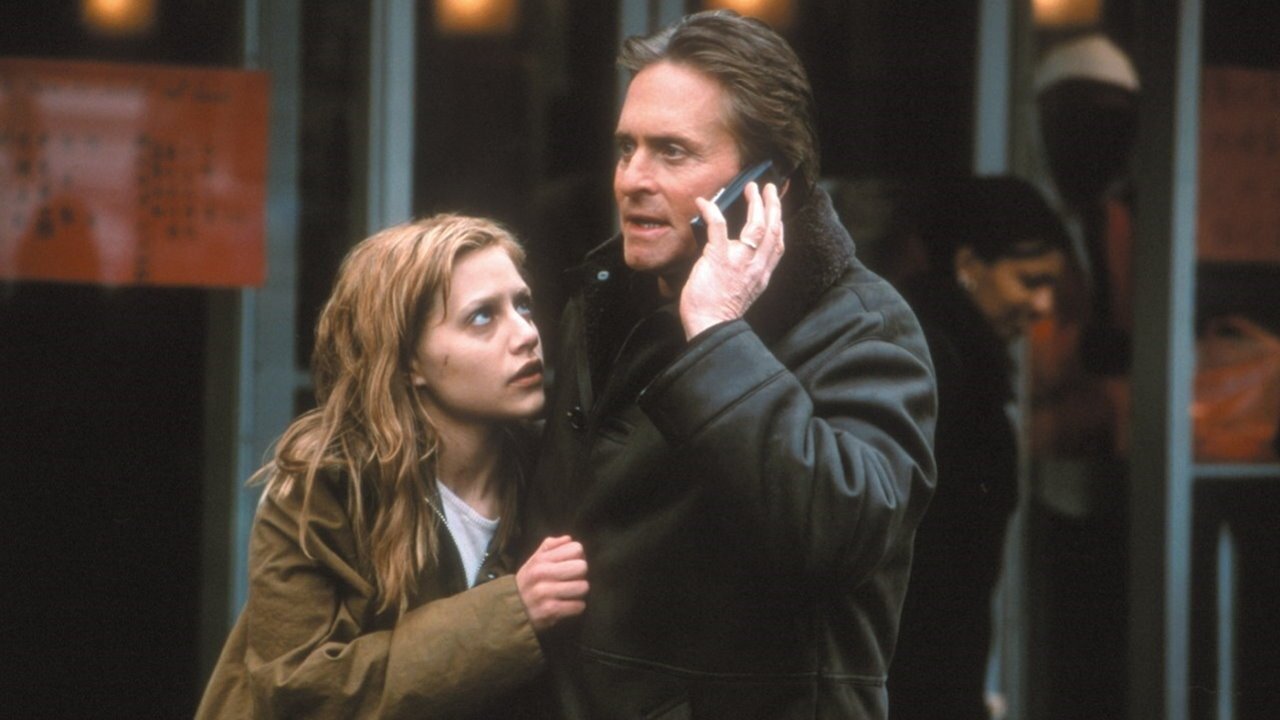
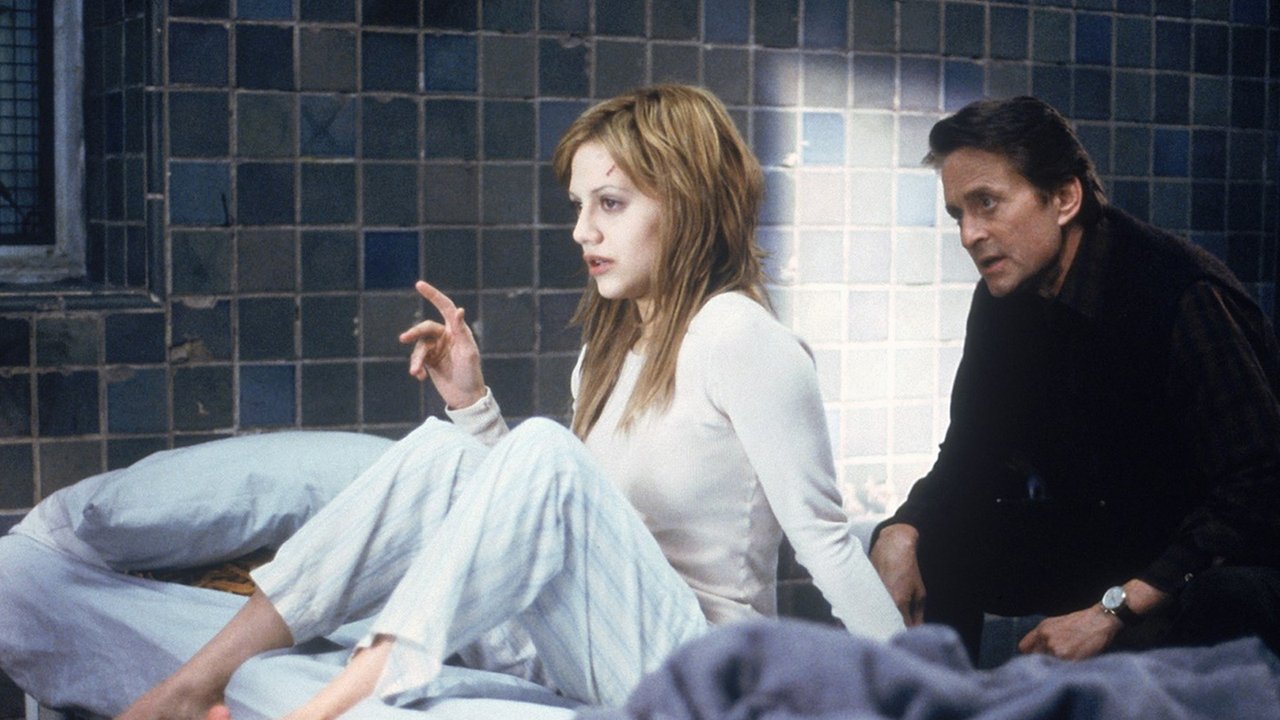
Michael Douglas was the undisputed king of this subgenre. By the time he stepped into the shoes of Dr. Nathan Conrad in Don’t Say a Word, he had already mastered the "competent man pushed to the brink" archetype in films like The Game and A Perfect Murder. Here, he’s a high-end psychiatrist whose Upper West Side domestic bliss is shattered when a group of tech-savvy kidnappers, led by a menacing Sean Bean, snatches his daughter. The ransom isn't money—it’s a six-digit number buried in the fractured memory of a catatonic teenager.
The Brittany Murphy Power Hour
While Michael Douglas provides the reliable, grit-teethed anchor the film needs, the real reason to revisit this movie is Brittany Murphy. Playing Elisabeth Burrows, the traumatized young woman who holds the secret code, Murphy is magnetic in a way that feels raw and slightly dangerous. This was her transition from the "cool girl" in Clueless to a serious dramatic force, and she throws herself into the role with a frantic, wide-eyed intensity that frequently outshines the veteran stars around her.
I watched this on a DVD I bought for three dollars at a garage sale where the seller was also trying to convince me that Y2K actually did happen but was covered up by Big Tech, and even on a scratched disc, Murphy’s performance cut through the digital noise. She manages to make "I'll never tell" a line that feels genuinely haunting rather than just a marketing gimmick. Looking back, her performance is a bittersweet reminder of a massive talent gone too soon, especially when you realize her onscreen daughter is played by Skye McCole Bartusiak, another gifted young actor who passed away tragically young.
A Time Capsule of Anxiety
There is a strange, somber weight to Don’t Say a Word that has nothing to do with its plot. The film was released on September 28, 2001—barely two weeks after the 9/11 attacks. It was the first movie to top the box office in a post-9/11 world, and watching it now, you can feel the heavy atmosphere of a city on edge. The shots of the New York skyline, including the digitally removed Twin Towers in some promotional materials but still present in the film's geography, serve as a jarring historical marker.
Director Gary Fleder treats the city like a labyrinth. The cinematography by Amir Mokri leans heavily into that turn-of-the-millennium aesthetic—lots of handheld tension and flickering fluorescent lights. It’s a movie that feels very much like a product of the transition from analog to digital. The villains use "high-tech" surveillance that looks like a toy store clearance aisle today, yet the tension relies on old-school psychological manipulation. Sean Bean is predictably excellent as the villain, Patrick Koster. He basically plays a high-stakes debt collector with a much worse HR department, bringing a cold, European precision to a role that could have been a cartoonish baddie in lesser hands.
Logic vs. Momentum
Does the plot actually hold up under scrutiny? Not particularly. The central conceit—that a group of elite jewel thieves would wait ten years and then kidnap a psychiatrist's daughter just to get a code from a patient—is the kind of "movie logic" that requires you to check your brain at the door. It’s a classic "ticking clock" thriller where the clock is loud enough to drown out the plot holes.
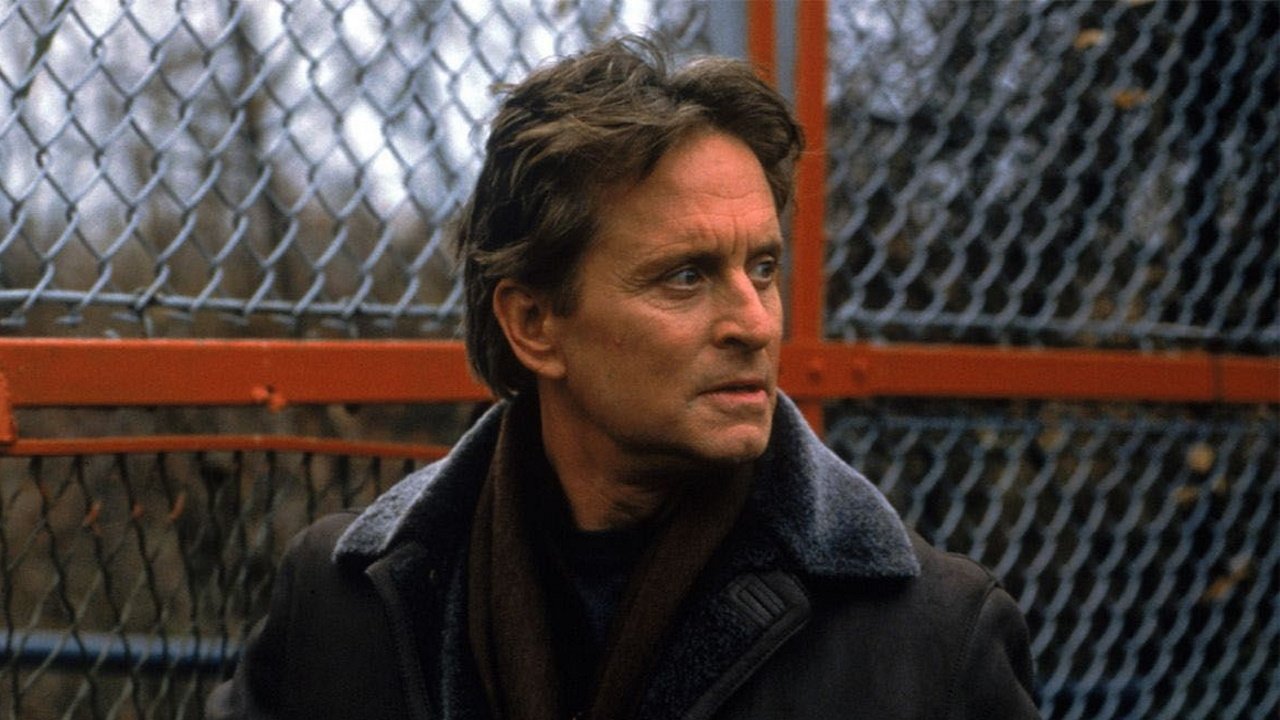
However, the film succeeds because it understands pacing. It doesn’t try to be a philosophical meditation on trauma; it’s a meat-and-potatoes studio thriller that knows exactly when to twist the knife. The screenplay by Patrick Smith Kelly and Anthony Peckham keeps the stakes personal, focusing on the claustrophobia of Conrad’s apartment and the sterile isolation of the psychiatric ward. It is essentially a very expensive episode of Law & Order with better lighting and a much higher hair-gel budget.
Don’t Say a Word is a fascinating relic of a specific Hollywood moment. It represents the tail end of the mid-budget, star-driven adult thriller—a species that has mostly migrated to limited series on streaming platforms today. It’s not a masterpiece, and it’s certainly not reinventing the wheel, but it is a masterclass in professional craft. If you’re looking for a moody trip back to 2001, or if you just want to see Brittany Murphy remind everyone why she was a star, it’s a secret worth uncovering.
Keep Exploring...
-
Kiss the Girls
1997
-
Runaway Jury
2003
-
A Perfect Murder
1998
-

The Long Kiss Goodnight
1996
-
Conspiracy Theory
1997
-
Snake Eyes
1998
-
Sphere
1998
-
The X-Files
1998
-
Double Jeopardy
1999
-
The General's Daughter
1999
-
What Lies Beneath
2000
-
Along Came a Spider
2001
-
Blood Work
2002
-
Basic
2003
-

Paycheck
2003
-
Sky Captain and the World of Tomorrow
2004
-

The Manchurian Candidate
2004
-
Stay
2005
-
The Sentinel
2006
-
Courage Under Fire
1996