Final Fantasy: The Spirits Within
"The digital dream that almost ended a legacy."
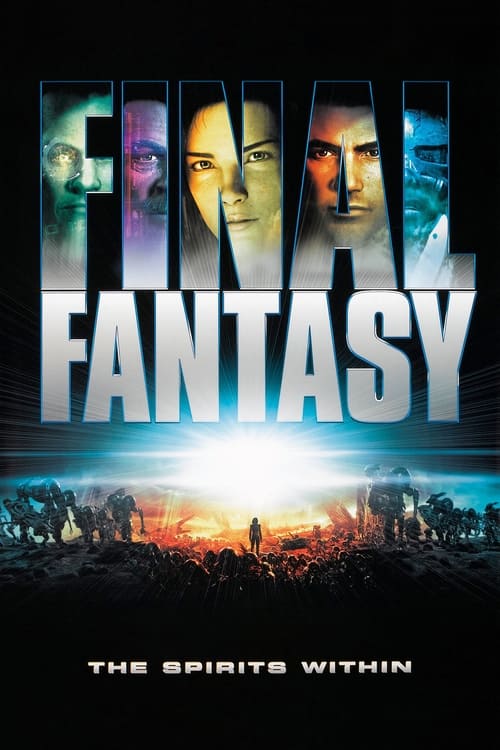
I remember the first time I saw a promotional still of Ming-Na Wen’s character, Dr. Aki Ross, in a gaming magazine back in 2000. I stared at her digital pores for a solid five minutes, convinced that the era of flesh-and-blood actors was officially over. We were told she was the world’s first "virtual actress," a digital soul who would eventually star in other movies, unbound by the pesky limitations of aging or salary negotiations. Looking back, that level of hubris is almost more entertaining than the film itself.
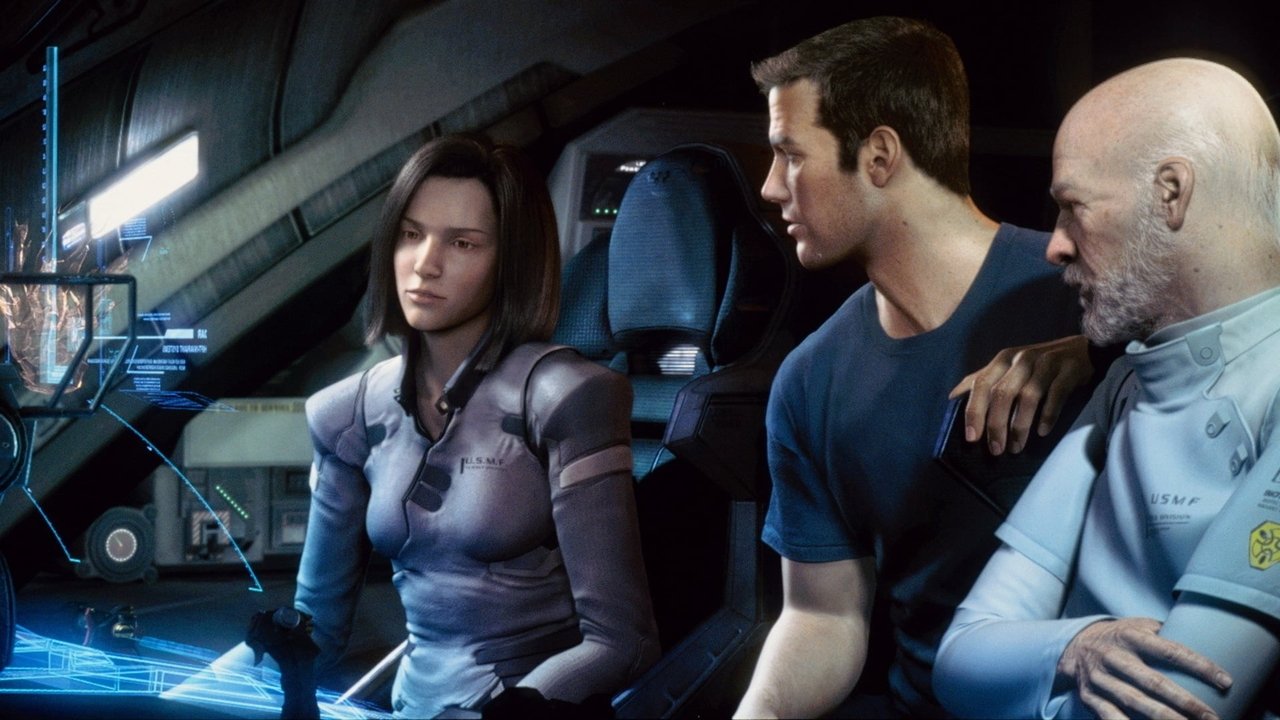
I revisited this one recently on a Tuesday night while eating a bowl of lukewarm SpaghettiOs, which is probably the most "2001" sentence I’ve ever written. The experience was a bizarre trip through the Uncanny Valley—that psychological dip where something looks almost human, but just "off" enough to trigger your primal flight-or-fight response.
The $137 Million Gamble
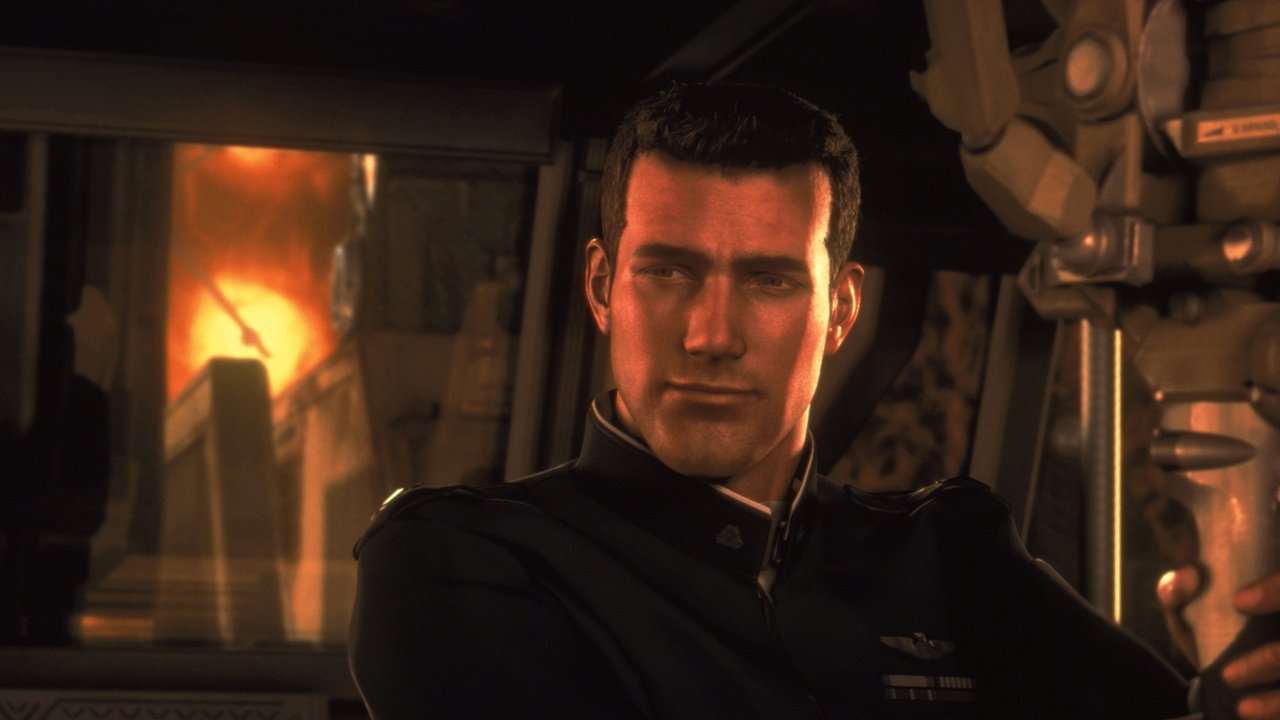
Final Fantasy: The Spirits Within wasn't just a movie; it was a declaration of war against reality. Hironobu Sakaguchi, the creator of the Final Fantasy game franchise, wanted to prove that computer-generated imagery could carry a serious adult drama. He built an entire studio in Hawaii, filled it with the world’s most expensive processors, and spent four years trying to render individual strands of hair.
The result is a film that feels remarkably grounded for something about translucent alien ghosts called Phantoms. Set in a post-apocalyptic 2065, the world is a series of "barrier cities" protecting humanity from entities that kill you just by touching you. Unlike the games, which usually involve spiky hair and giant swords, The Spirits Within leans hard into hard sci-fi. There are no Chocobos here. Instead, we get Donald Sutherland as Dr. Sid, a scientist who believes the Earth has its own soul (Gaia), and James Woods as General Hein, a man who really, really wants to fire a giant space laser.
Action in the Uncanny Valley
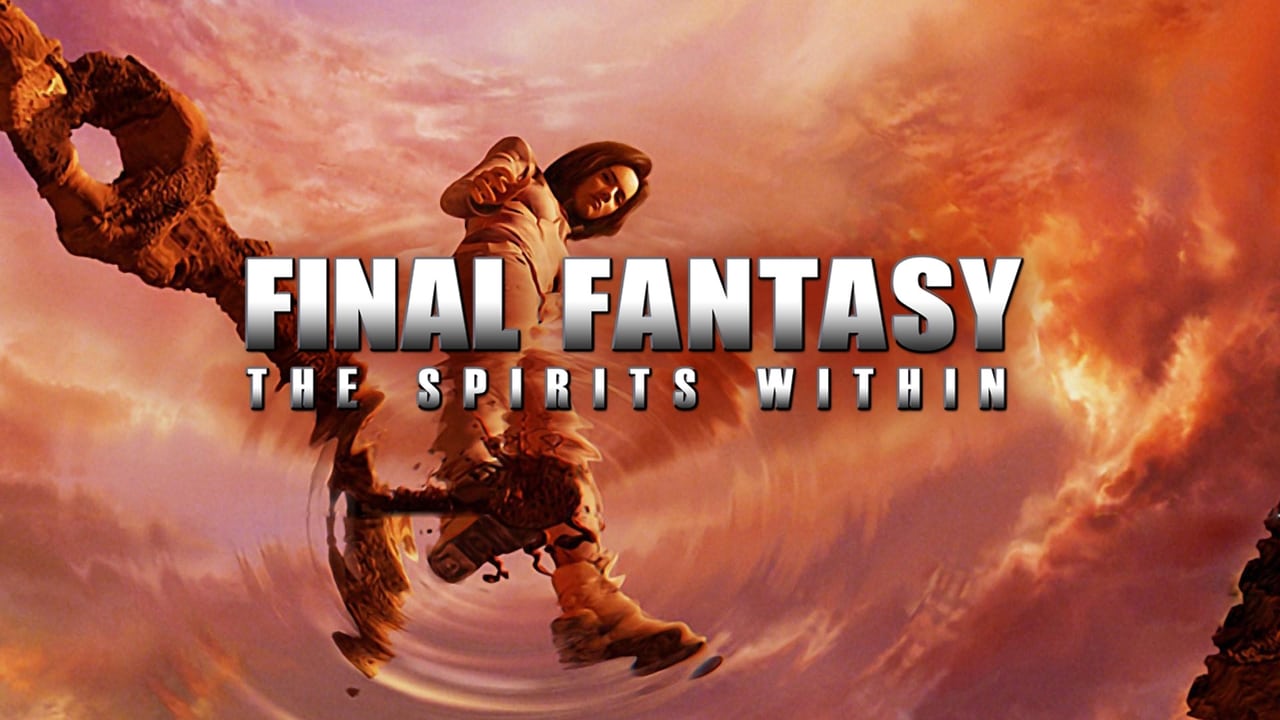
The action is where the film’s technical ambition actually meets the road. The "Deep Eyes" squadron, led by Alec Baldwin as Captain Gray Edwards, provides the muscle. Watching it now, the choreography is surprisingly tight. There’s a sequence where the team enters a "Red Zone" to retrieve a spirit, and the way they move—the weight of their armor, the tactical positioning—still holds up. Ving Rhames and Steve Buscemi round out the squad, and they bring some much-needed personality to characters that, visually, sometimes look like they’ve had a bit too much Botox.
The Phantoms themselves are a stroke of genius. Because the tech couldn't quite master perfect human skin yet, the filmmakers made the antagonists flowing, ethereal, and translucent. It bypassed the limitations of 2001 CGI by leaning into abstraction. When a Phantom reaches through a wall to rip the "spirit" out of a soldier, it’s still genuinely eerie. However, it’s hard to ignore that the plot is essentially a New Age TED Talk interrupted by ghost-vacuuming.
The script, co-written by Jeff Vintar and Al Reinert, struggles to balance the high-concept "Gaia" philosophy with the demands of a summer blockbuster. I found myself wishing they’d spend less time talking about the eighth spirit and more time exploring the decaying, beautiful ruins of old-world cities like New York, which Motonori Sakakibara’s cinematography renders with a haunting, dusty palette.
A Beautiful, Costly Ghost
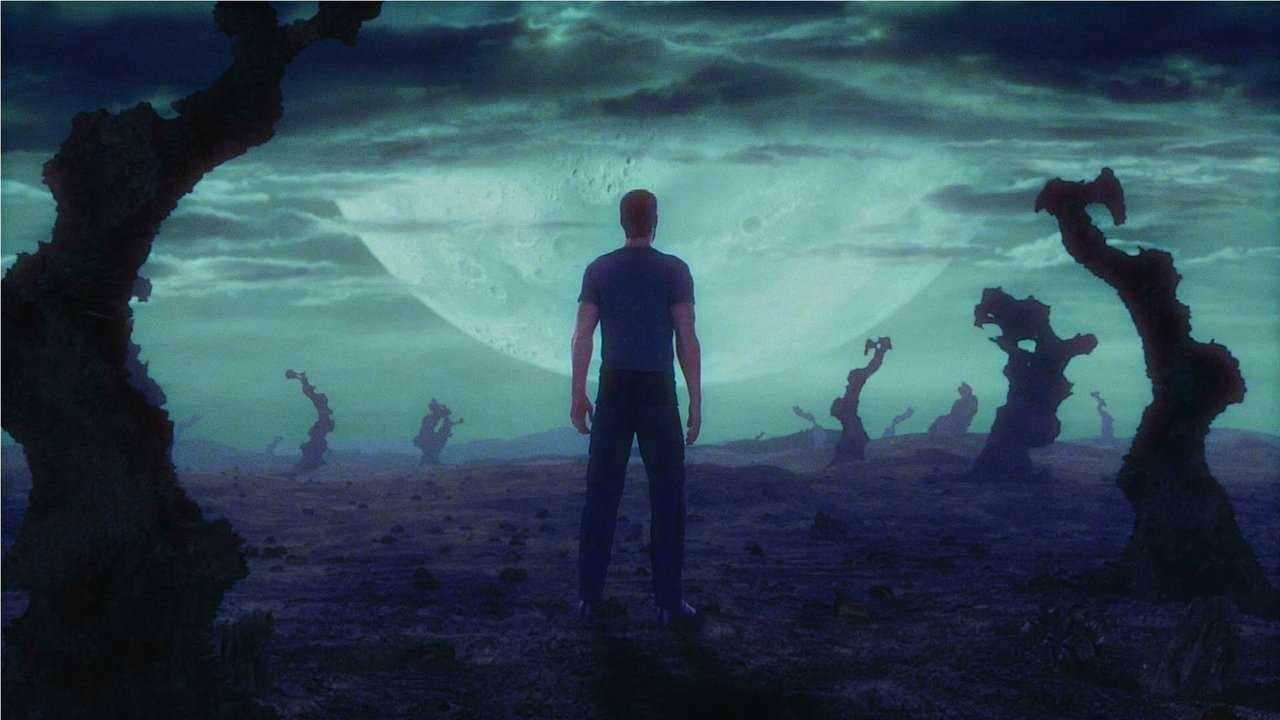
Why did this movie disappear? For one, it’s the most expensive "nothing" ever made for its time. It cost $137 million and barely made back half of that, famously driving Square Pictures into the ground. But more than the money, it suffered from a massive identity crisis. It was too "Final Fantasy" for the general public (who found the spirit-talk confusing) and not "Final Fantasy" enough for the fans (who wanted magic and crystals).
Yet, there is something deeply admirable about its failure. Looking at the digital sets and the complex lighting of the score by Elliot Goldenthal, you can see the DNA of everything that followed. Without this film’s stumbling, we don’t get the seamless mo-cap of Avatar or the digital perfection of the modern MCU. Peri Gilpin and the rest of the cast do their best to inject warmth into the silicon, and while the "virtual actress" dream died shortly after the credits rolled, the ambition is still visible in every frame.
It’s a relic of a very specific moment in time—the turn of the millennium when we thought technology could solve the problem of human emotion. It didn't, but watching them try is still a fascinating, visually arresting experience.
If you can get past the "dead eyes" of the character models and the somewhat sluggish pacing of the second act, this is a landmark piece of sci-fi history. It represents the exact moment the digital revolution stopped being a gimmick and started trying to be art. It’s flawed, weirdly somber, and deeply earnest—a ghost of a movie that still haunts the edges of modern cinema.

Keep Exploring...
-
The Saint
1997
-
Race to Witch Mountain
2009
-
Final Fantasy VII: Advent Children
2005
-
Escape from L.A.
1996
-
Star Trek: Insurrection
1998
-

Mystery Men
1999
-
Titan A.E.
2000
-
Osmosis Jones
2001
-
Star Trek: Nemesis
2002
-

Paycheck
2003
-
Sky Captain and the World of Tomorrow
2004
-
Armageddon
1998
-
The Island
2005
-
9
2009
-
Justice League: The Flashpoint Paradox
2013
-
Volcano
1997
-

Space Cowboys
2000
-

Jurassic Park III
2001
-
Planet of the Apes
2001
-

Sinbad: Legend of the Seven Seas
2003