Ginger Snaps
"Outcasts, estrogen, and a very hairy puberty."
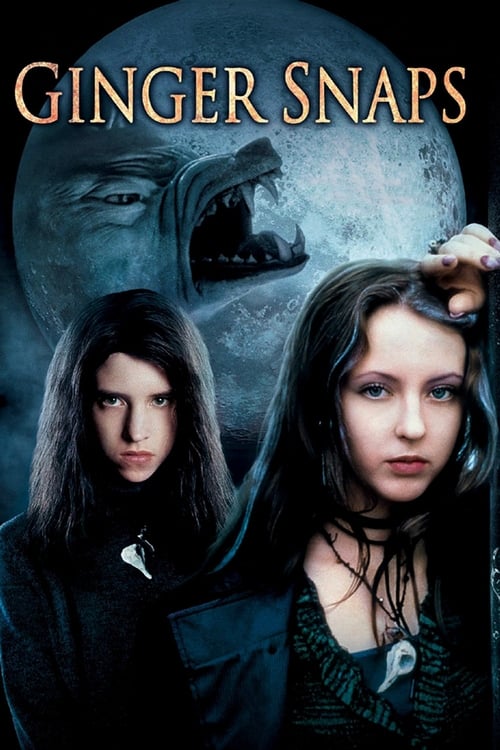
Most teen movies of the early 2000s were preoccupied with losing virginity or winning the prom queen crown, but Ginger Snaps had significantly bloodier things on its mind. It arrived in the wake of the Scream era, yet it successfully dodged the "meta-humor" trap that snared so many other horror films of the time. Instead of wink-wink-nudge-nudge jokes about slasher tropes, we got two death-obsessed sisters in a Canadian suburb and a transformation that makes the Twilight wolves look like Cabbage Patch Kids.
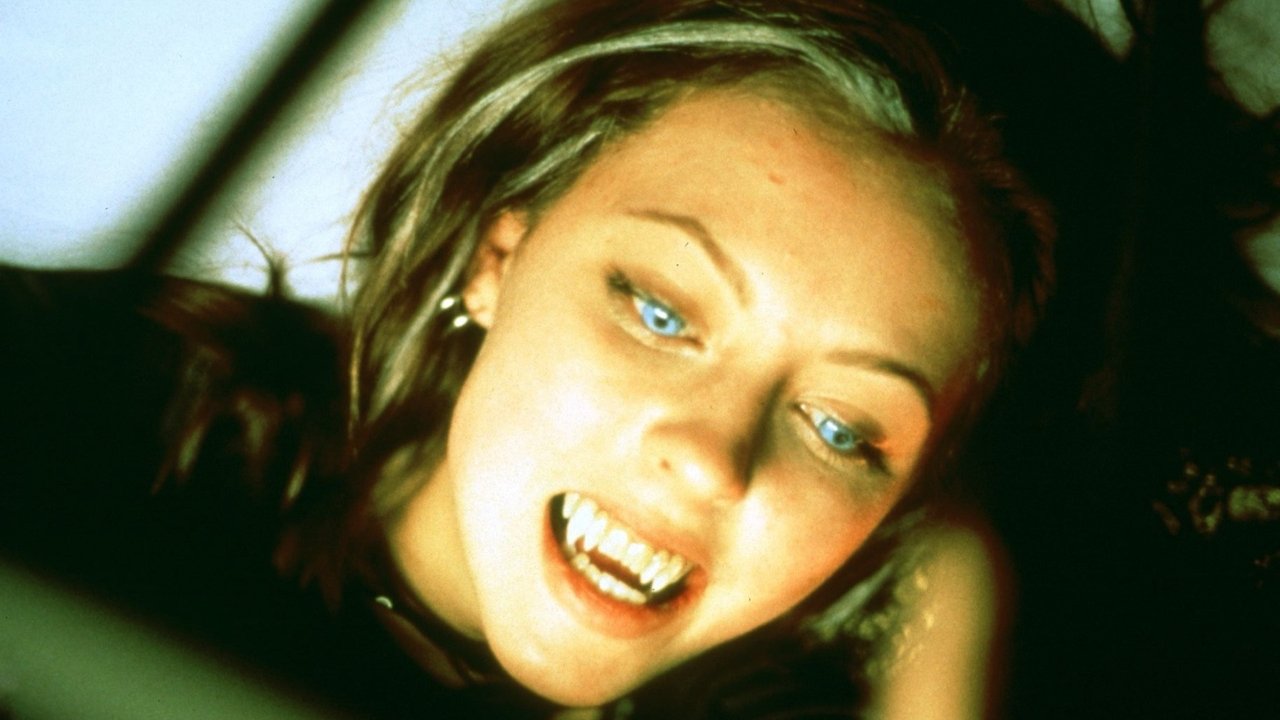
I first caught this on a scratched-up DVD rental while my roommate was loudly practicing the bass in the next room, and even through the vibrations of a poorly played Primus cover, the movie’s grim, rainy atmosphere sucked me in. It’s a film that understands a very specific kind of suburban hell: the beige hallways, the judgmental gym teachers, and the crushing boredom that makes a suicide-themed photography project seem like a reasonable hobby.
The Blood Pact of Bailey Downs
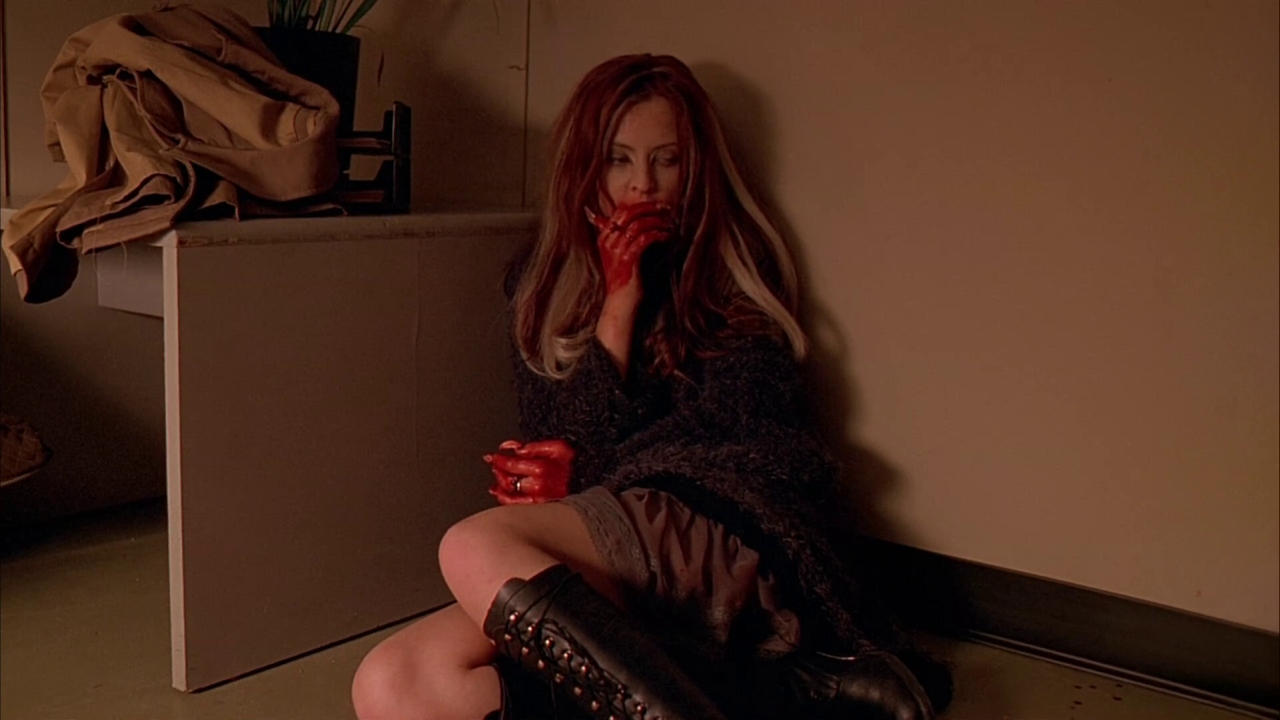
The story centers on the Fitzgerald sisters, Ginger (Katharine Isabelle) and Brigitte (Emily Perkins). They are the ultimate outcasts, bonded by a childhood pact to "outlive them all" or die together. This isn't just teenage angst; it’s a survival strategy. Their world changes the night Ginger gets her first period—which, in true horror fashion, coincides with a savage attack by a "Beast" that has been terrorizing the local dog population.
Screenwriter Karen Walton reportedly didn't even like horror movies when she was approached for the project, and I think that’s why the script is so sharp. She treats the werewolf transformation as a hyper-extended, terrifyingly literal metaphor for female puberty. Ginger doesn't just sprout hair and claws; she develops a sudden, aggressive sexuality and a hair-trigger temper that her clueless mother, played with wonderful obliviousness by Mimi Rogers, mistakes for simple "womanhood." Watching Katharine Isabelle transition from a cynical goth to a predatory alpha is a masterclass in physical acting. She doesn't just look different; her entire center of gravity shifts.
Practical Magic in a Digital Age
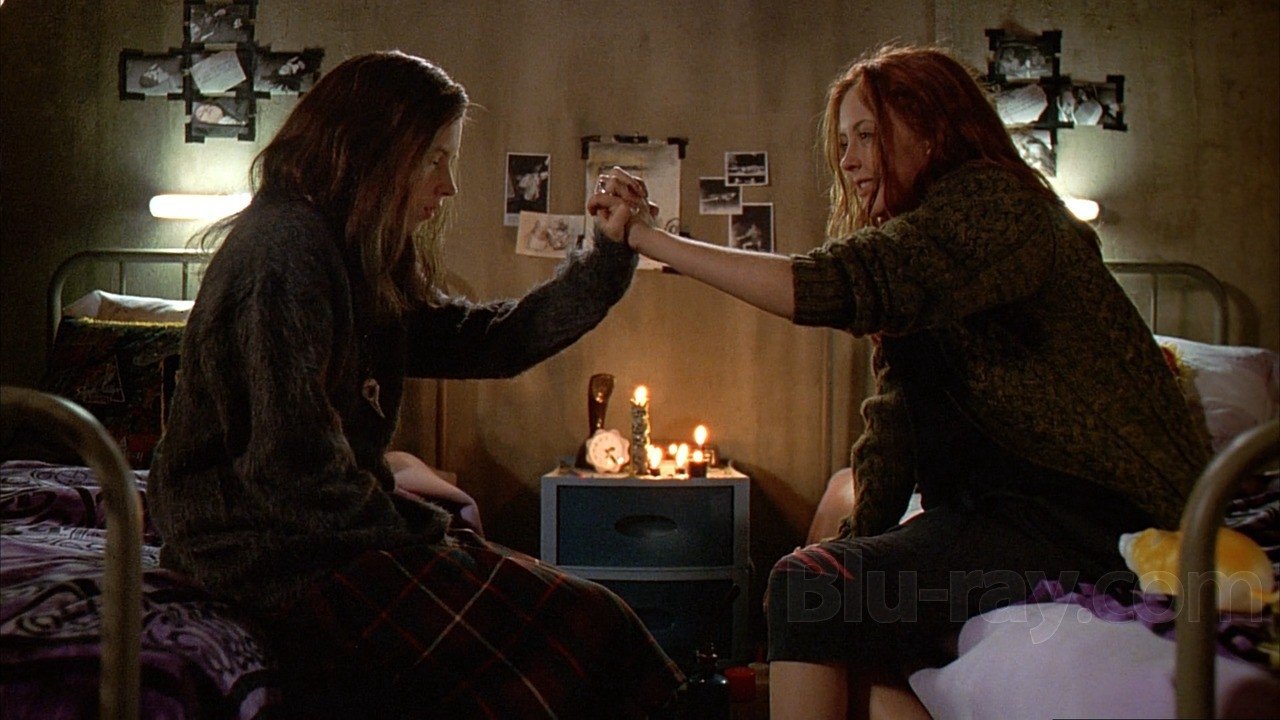
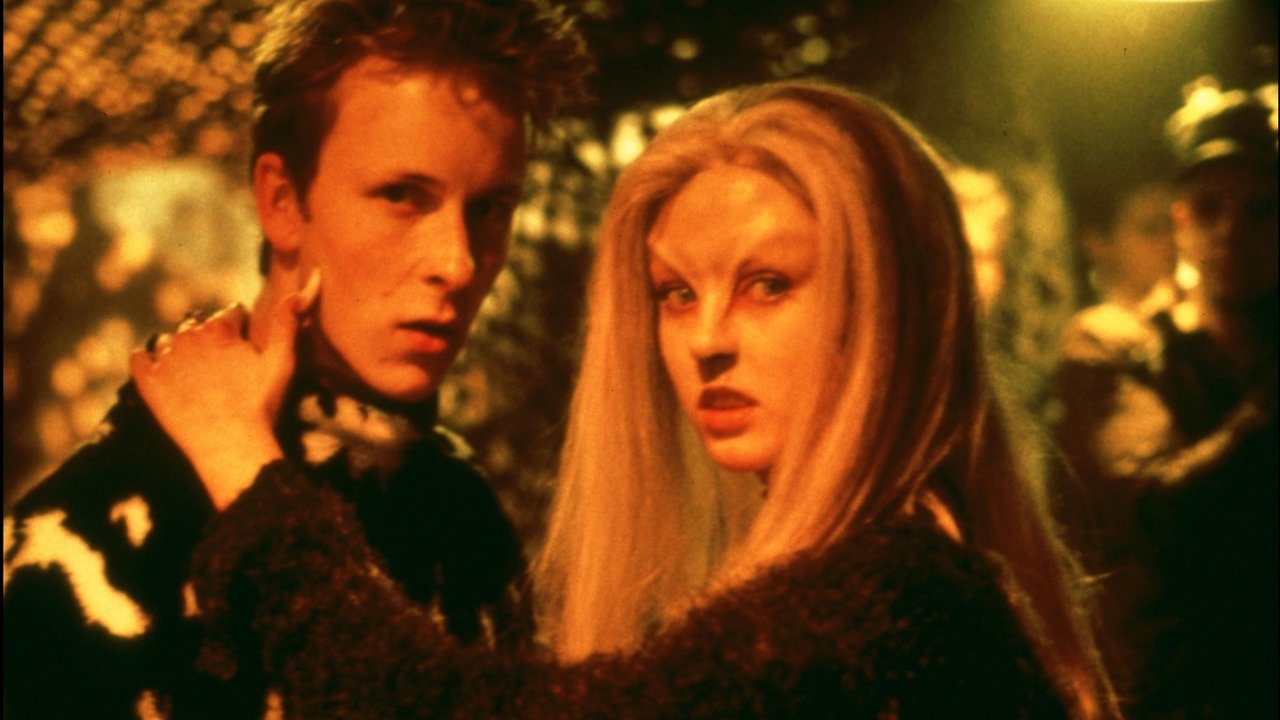
Released in 2001, Ginger Snaps hit right at the tipping point between the 90s' reliance on practical effects and the mid-2000s' obsession with mediocre CGI. Thankfully, director John Fawcett stayed on the side of the angels. The creature effects here are tactile and messy. When Ginger’s body begins to change—tail-bones sprouting, ears shifting—it looks painful and wet. It’s "body horror" in the truest sense, reminiscent of David Cronenberg’s best work (fitting, given the Canadian production).
The "Beast" itself, when finally revealed, has a gangly, mangy look that feels far more grounded than the over-muscled digital monsters we see today. It looks like something that actually lives in the woods behind a strip mall. I’ve always appreciated that the film didn't have a massive budget to hide behind; it forced the team to focus on lighting, shadow, and the chemistry between the two leads. Emily Perkins is the secret weapon here; her Brigitte is the heart of the movie, the desperate anchor trying to pull her sister back from the brink of a monstrous metamorphosis. She’s the "Final Girl" who doesn't want to be the last one standing if it means her sister is the one she has to kill.
The Curse of the Indie Release
If you’ve never heard of Ginger Snaps, you aren't alone. It’s one of those films that nearly vanished due to terrible timing and nervous distributors. It was finished right around the time of the Columbine massacre, and a movie featuring two trench-coat-wearing teens staging fake suicides was—understandably—a hard sell for nervous studios. It sat on a shelf, was dumped into a handful of Canadian theaters, and then finally found its cult following on the shelves of Blockbuster.
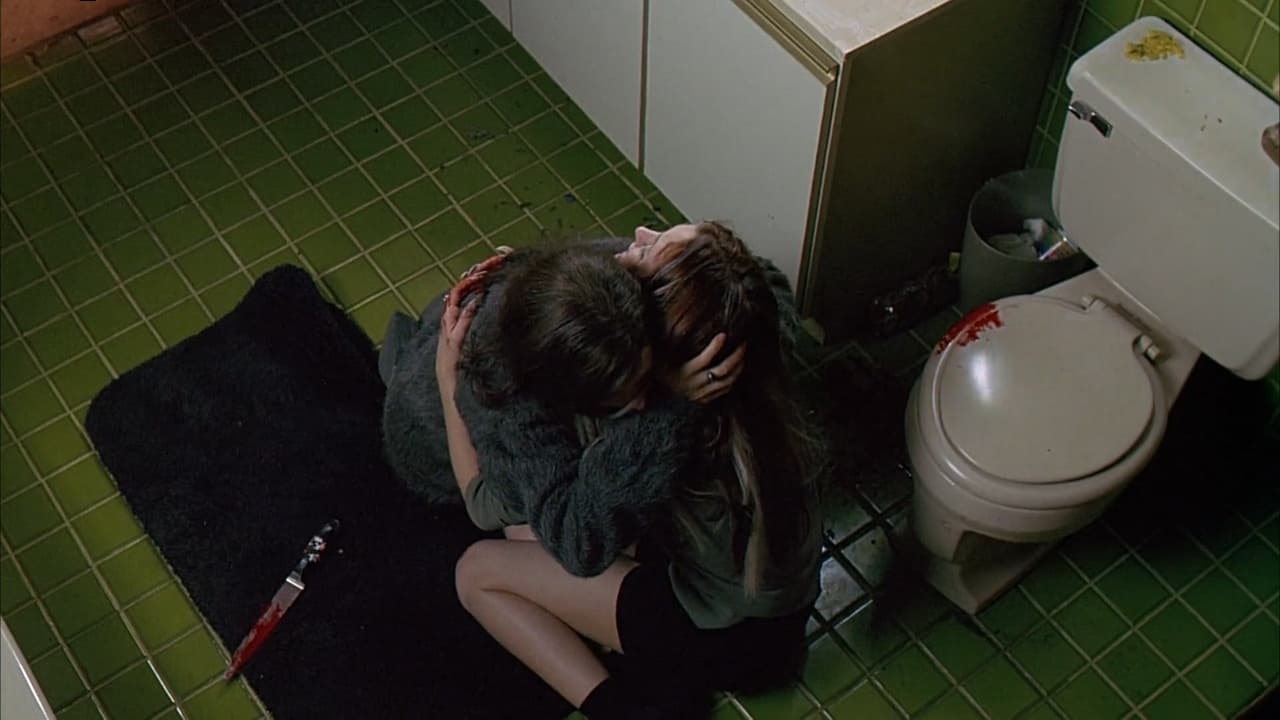
It’s a quintessentially "DVD era" success story. The special features on the original discs revealed a production that was fueled by a "we’re all in this together" indie spirit, featuring a breakout performance by Kris Lemche as Sam, the local drug dealer/horticulturist who becomes the sisters’ unlikely ally. Looking back, the film feels like a time capsule of Y2K-era subculture, from the baggy clothes to the lo-fi soundtrack, yet the core story of sisterhood and the fear of growing apart remains incredibly sharp.
Ginger Snaps is far more than a "girl version" of An American Werewolf in London. It’s a smart, biting, and genuinely tragic look at the end of childhood. It takes the "curse" of being a teenage girl and turns it into a literal monster, then asks you to root for the monster just as much as the hero. It’s the kind of horror film that stays with you not because of the jump scares, but because it captures exactly how terrifying it feels when the person you love most starts turning into someone you don’t recognize.
Even twenty-plus years later, the ending hits like a punch to the gut. It’s a reminders that some bonds are meant to be broken, and some "phases" are permanent. If you’re looking for a horror movie with brains, brawn, and a healthy dose of cynicism, you really can’t do better than this Canadian cult gem. Just maybe skip the dog-walking scenes if you’re a pet lover.
Keep Exploring...
-
Inland Empire
2006
-

The Devil's Backbone
2001
-
The Craft
1996
-
Stigmata
1999
-

The Gift
2000
-
The Jacket
2005
-
What Lies Beneath
2000
-
Candyman
1992
-
The Good Son
1993
-
The Last House on the Left
2009
-
Thirst
2009
-
Take Shelter
2011
-
Byzantium
2013
-

Red Riding Hood
2011
-
The Exorcism of Emily Rose
2005
-
The Skeleton Key
2005
-
The Illusionist
2006
-
Carriers
2009
-
Crash
1996
-

Frailty
2002