Gosford Park
"Class is a killer. Manners are mandatory."

If you listen closely to the first ten minutes of Gosford Park, you’ll realize you aren't actually meant to hear everything. While most directors in 2001 were busy figuring out how to make CGI hobbits look real or how to maximize the "bullet time" effect from The Matrix, Robert Altman was perfecting the art of the eavesdrop. He famously wired every single actor with their own individual microphone, allowing them to mumble, whisper, and talk over one another in a way that feels less like a scripted movie and more like you’ve been shoved into a closet at a very expensive, very awkward party.
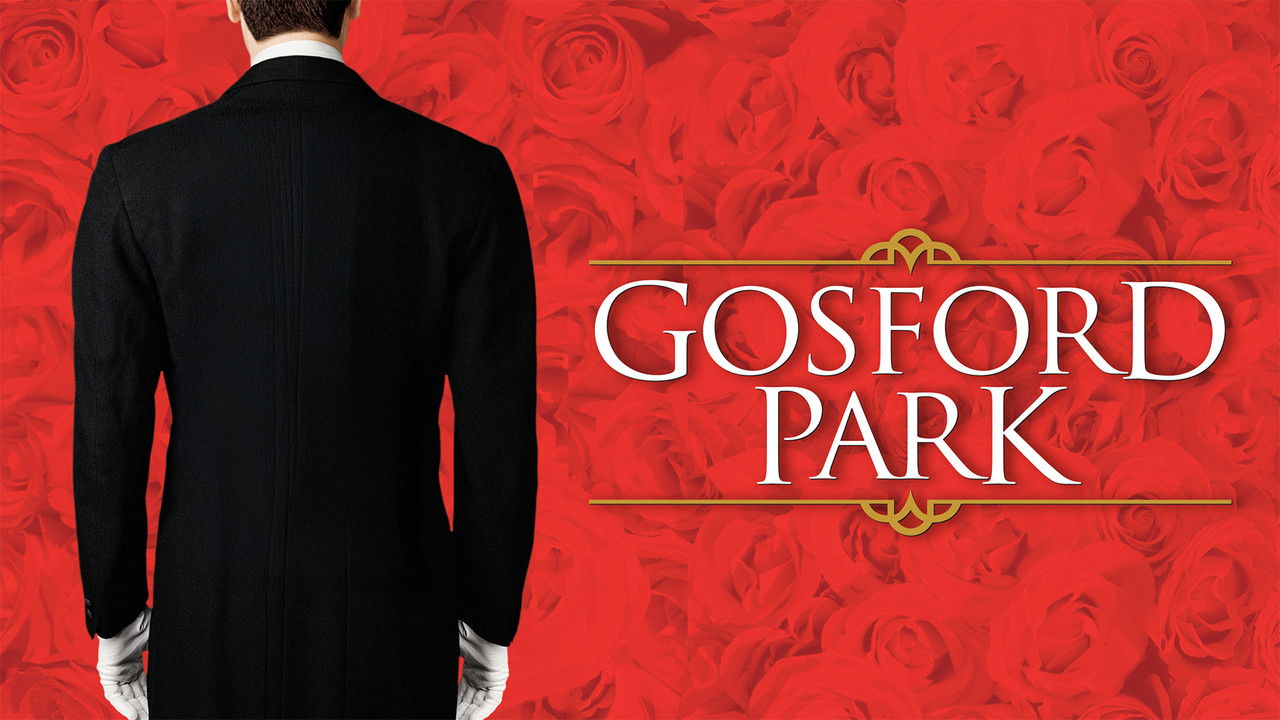
I first watched this film on a rainy Tuesday morning while my radiator hissed like a disgruntled valet, and that sense of damp, English claustrophobia felt perfectly localized. It’s a film that demands your attention not through explosions, but through the sharp clink of a silver spoon against bone china.
The Chaos of the "Fly-on-the-Wall"
By the early 2000s, the "ensemble drama" was a well-worn trope, but Altman—the man behind MASH and Nashville*—brought a specific, restless energy to this 1930s country house mystery. Most directors would have planted the camera firmly in front of the person speaking. Altman, however, keeps the lens in constant motion, drifting past conversations like a ghost or a servant trying to stay invisible.
This isn't just a stylistic quirk; it's the heart of the movie’s class commentary. We spend as much time in the damp, bustling basement as we do in the opulent drawing rooms. The screenplay, written by a then-unknown Julian Fellowes (who would later strip-mine this exact vibe for Downton Abbey), creates a world where the servants are the only ones who actually know what’s going on. The rich are too busy being bored or cruel to notice that their lives are falling apart. The murder is arguably the least interesting thing that happens in this house, which is a bold swing for a film marketed as a thriller.
A Masterclass in Being Mean
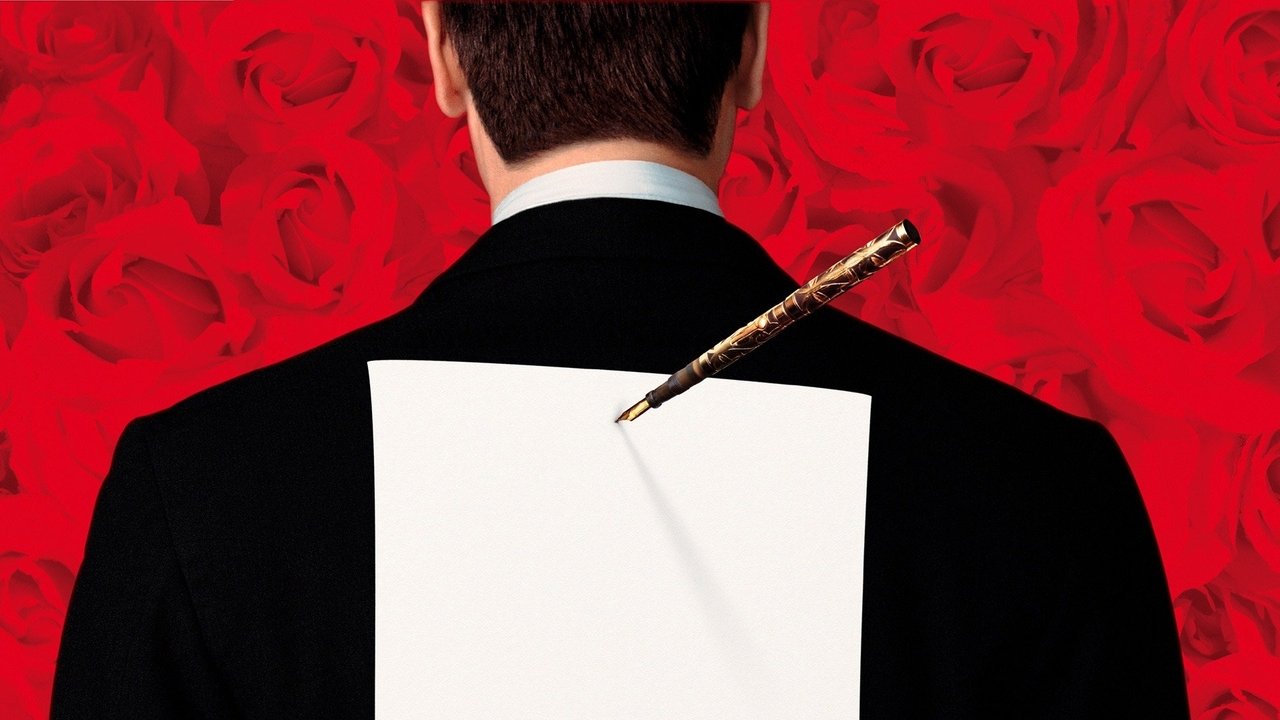
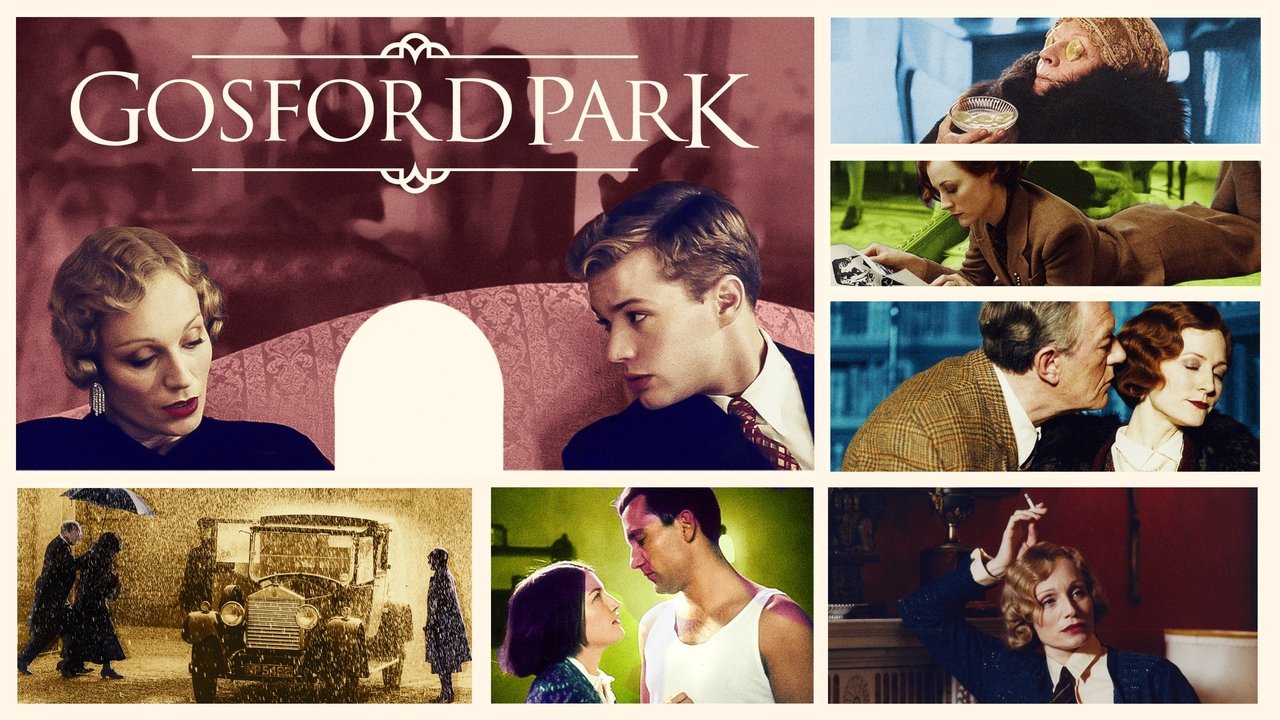
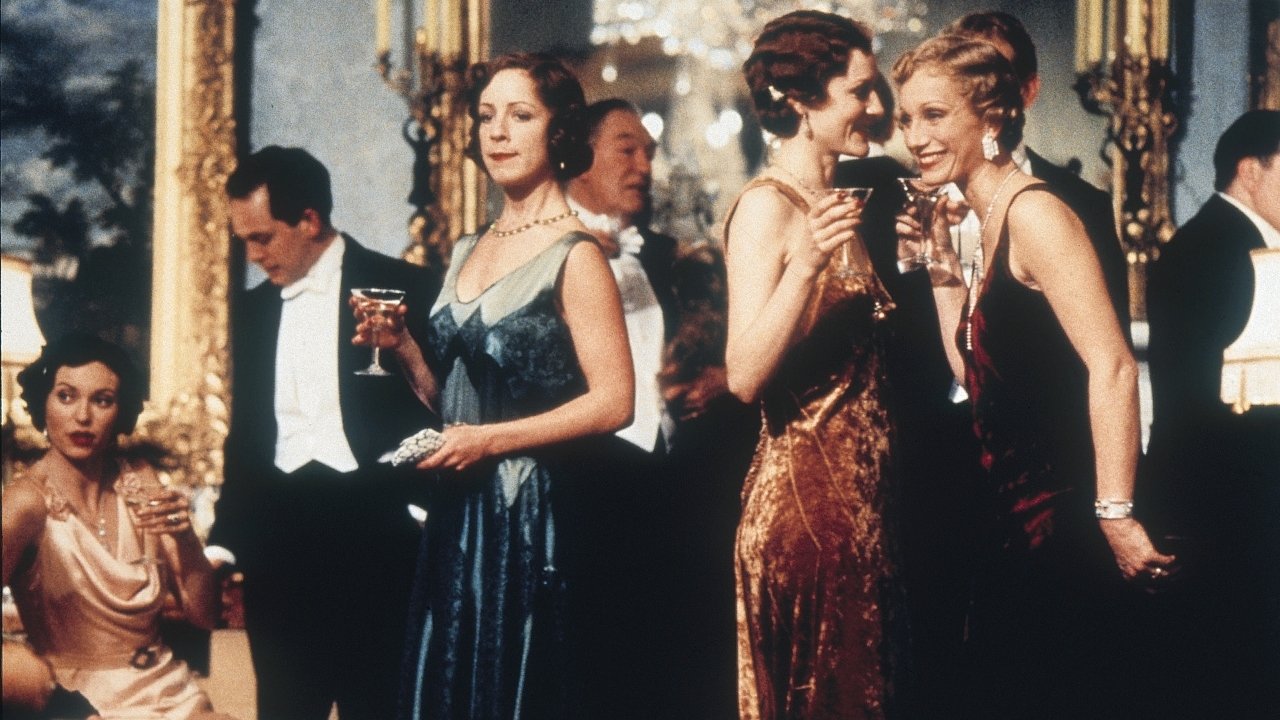
The cast list reads like a "Who’s Who" of British acting royalty, and they all seem to be having the time of their lives being absolutely terrible people. Michael Gambon plays Sir William McCordle as a boorish, sweaty patriarch who seems to view his guests as annoying livestock. Opposite him, Kristin Scott Thomas is a marvel of icy detachment as Sylvia. She delivers lines with a precision that suggests she’s using her words to perform minor surgery on everyone in the room.
But, of course, the sun around which the entire film orbits is Maggie Smith as Constance, Countess of Trentham. Long before she became a household name for Harry Potter, she was here, perfecting the "withering glance." Whether she’s complaining about the marmalade or questioning the parentage of a fellow guest, she is the undisputed queen of the passive-aggressive barb.
What’s fascinating looking back is how well the younger cast holds their own. Camilla Rutherford brings a fragile, nervous energy to Isobel, while Charles Dance and Geraldine Somerville anchor the Stockbridge contingent with a weary, old-money cynicism. It’s a rare ensemble where no one feels like they’re "acting" for the back row; they’re all just existing in this suffocatingly polite prison.
The Mystery of the Missing Legacy

It’s strange to think of an Oscar-winning film as "obscure," but Gosford Park has suffered a weird fate. It was a massive success upon release—earning over $80 million on a modest $19 million budget—yet it’s often overlooked today, swallowed whole by the cultural behemoth that is Downton Abbey. While Downton turned the English country house into a cozy, nostalgic soap opera, Gosford Park is much nastier and much smarter.
The film's obscurity likely stems from how it refuses to play by the rules. It’s a mystery where the detective (played with a wonderful, bumbling incompetence by Stephen Fry) is the dumbest person in the room. It’s a drama where the most emotional moments happen in a pantry over a cup of tea. It’s a movie that rewards repeat viewings because, much like the characters, you probably missed the most important clue while someone else was complaining about the hunting dogs.
The DVD era was particularly kind to this film. I remember the special features explaining how Altman used two cameras at all times, often zoomed in from across the room, so the actors never knew exactly when they were being filmed. This created a genuine sense of "being watched" that permeates every frame. It was a bridge between the analog filmmaking of the 70s and the digital precision of the 21st century—a perfectly preserved specimen of a master director working at the top of his game.
If you’ve only ever seen the sanitized version of this world on television, Gosford Park is the antidote you need. It’s a film that respects your intelligence enough to let you get lost in its hallways. It doesn't care if you miss a line of dialogue, because in this house, the secrets you don't hear are usually the ones that end up killing you. Give it two hours, a quiet room, and maybe a better radiator than mine.
Keep Exploring...
-
The Player
1992
-
Tell No One
2006
-
Courage Under Fire
1996
-
Breakdown
1997
-
Kiss the Girls
1997
-
Wild Things
1998
-
Arlington Road
1999
-

The Gift
2000
-
Joy Ride
2001
-
The Pledge
2001
-
The Forgotten
2004
-
The Jacket
2005
-
Inland Empire
2006
-
Conspiracy Theory
1997
-
Double Jeopardy
1999
-
What Lies Beneath
2000
-
Infernal Affairs
2002
-
Spider
2002
-
Basic
2003
-

The Manchurian Candidate
2004