Hannibal
"A second helping of sophisticated slaughter."
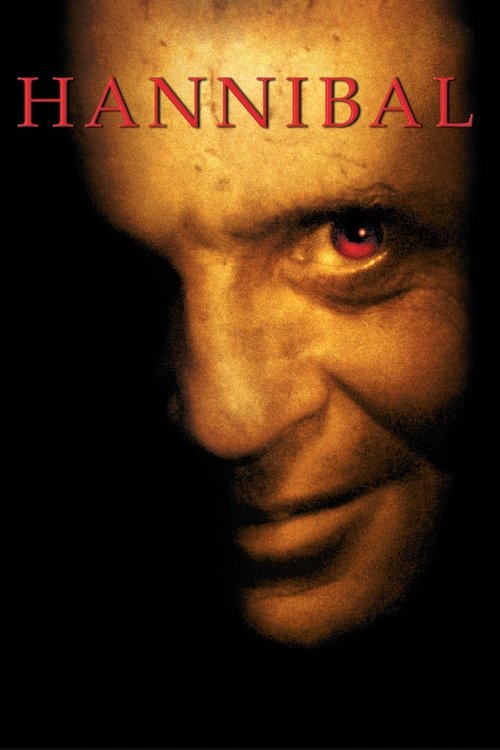
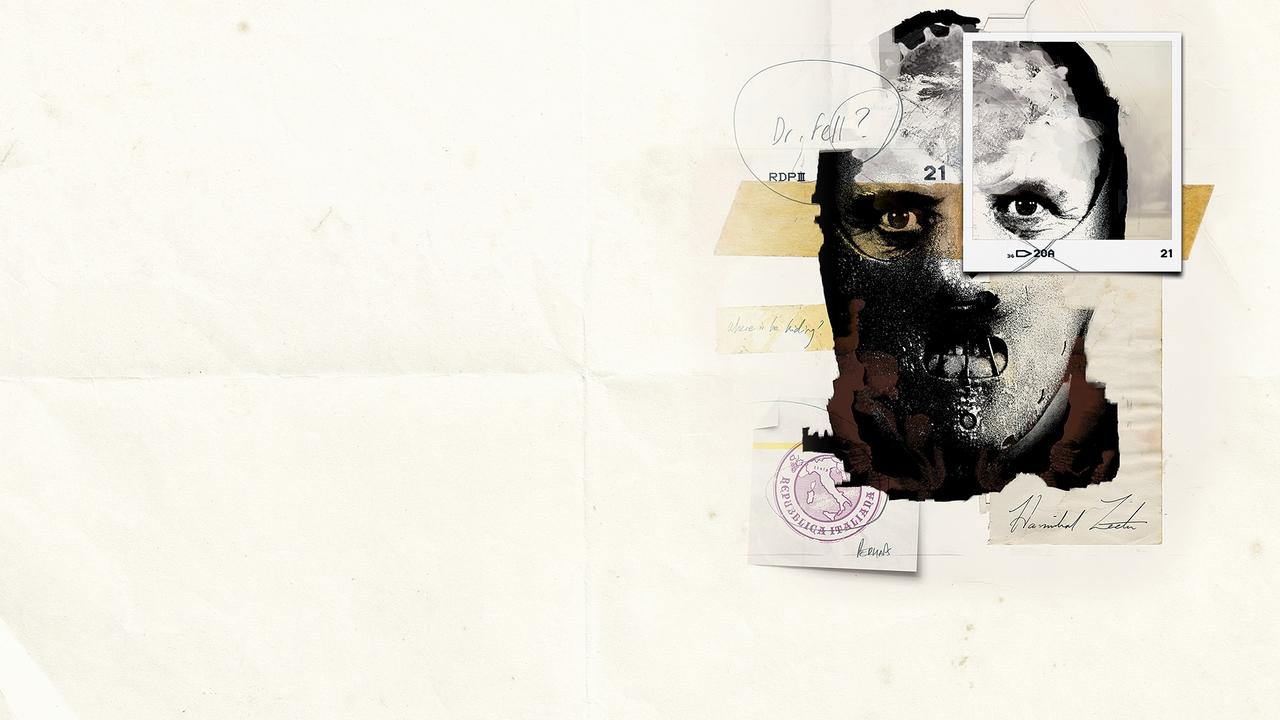
Following up a lightning-in-a-bottle masterpiece like The Silence of the Lambs is a task so thankless it’s a wonder anyone agreed to do it. When Jonathan Demme and Jodie Foster famously declined to return for the sequel, the project could have easily collapsed into a direct-to-video afterthought. Instead, we got a lush, operatic, and deeply strange blockbuster that traded psychological suspense for grand-guignol spectacle.
Looking back from a modern perspective, Hannibal is a fascinator. It arrived in February 2001, right at the tail end of an era where major studios would drop $87 million on an R-rated movie that features a man eating his own prefrontal cortex. It’s a movie that looks like it was filmed through a jar of expensive honey, shimmering with the kind of high-gloss prestige that only Ridley Scott can deliver, even when the material is essentially a high-end slasher flick.
The Replacement and the Renaissance
The biggest hurdle for me has always been the absence of Jodie Foster. Julianne Moore is a phenomenal actress—arguably one of the best of her generation—but she’s playing a fundamentally different Clarice Starling here. Gone is the trembling, vulnerable trainee trying to prove herself in a man’s world. In her place is a hardened, cynical veteran who feels a bit more like a generic action lead. It’s a choice that fits the film’s more aggressive tone, but I still miss the crackling chemistry of the 1991 original.
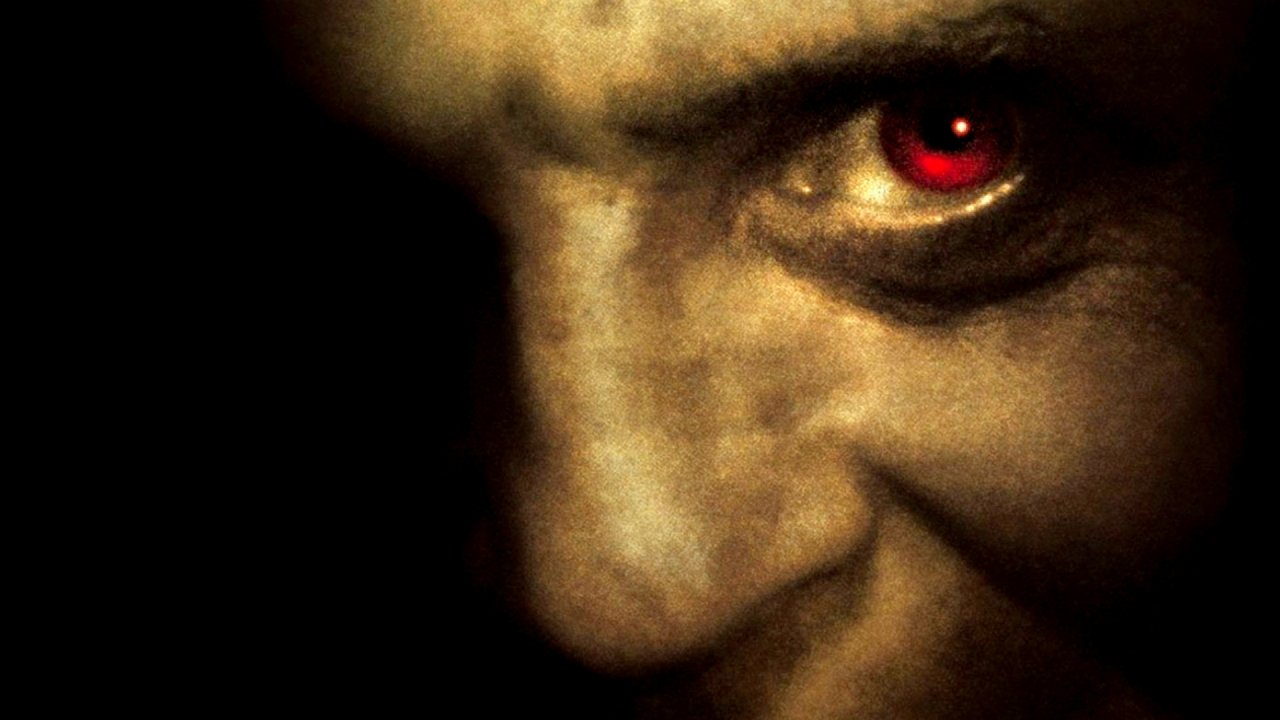
However, Anthony Hopkins is clearly having the time of his life. Free from the glass cage of the Baltimore State Hospital for the Criminally Insane, his Dr. Lecter is now a dandy in Florence, lecturing on Dante and sniffing out truffles. Hopkins leans into the "suave monster" persona so hard that the character officially shifts from a terrifying antagonist to a sort of dark superhero. My cat decided to start hacking up a hairball during the infamous brain-sautéing scene, and for a split second, I couldn't tell which sound was coming from the television and which was coming from the carpet.
A Feast for the Eyes
What saves the movie for me is the craftsmanship. Ridley Scott and cinematographer John Mathieson turned Italy into a gothic dreamscape. The first hour in Florence, featuring Giancarlo Giannini as the doomed Inspector Pazzi, is arguably better than anything in the book. It’s moody, atmospheric, and moves with a deliberate, predatory grace.
But then the movie moves to America and the plot—handled by heavy hitters David Mamet and Steven Zaillian—gets weird. We’re introduced to Mason Verger, played by an uncredited Gary Oldman under layers of grotesque, translucent prosthetic makeup. Verger is a child molester who survived a horrific encounter with Lecter years prior, and his plan for revenge involving man-eating pigs is exactly as ridiculous as it sounds. Oldman is unrecognizable and delivers his lines with a wet, raspy wheeze that is genuinely unsettling, but the movie starts to feel less like a psychological drama and more like a carnival funhouse.
The Blockbuster Aftermath
Despite the mixed critical reception, Hannibal was a massive cultural event. It shattered records upon its release, pulling in $58 million in its opening weekend—a staggering number for an R-rated film in 2001. It eventually cleared over $351 million worldwide, proving that the public’s appetite for the "Chesapeake Ripper" hadn't dimmed in the decade since he first escaped his cell.
The production was a massive undertaking, utilizing a mix of high-end practical effects and early digital wizardry. The "brain scene" with Ray Liotta utilized an animatronic puppet of the actor that could blink and speak while its "skull" was open. It was a technical marvel at the time, though today it serves as a reminder of that transition period where CGI started to handle the heavy lifting that puppets used to do. It’s also worth noting that the film’s ending was famously changed from Thomas Harris’s novel. In the book, Clarice and Hannibal actually run away together as lovers—a twist so bizarre that even the makers of this movie thought it was too much of a leap for audiences to swallow.
Looking back, Hannibal is the quintessential "sequel that didn't need to happen but is glad it has the budget." It’s over-the-top, occasionally silly, and lacks the soul of its predecessor. Yet, as a piece of 2000s-era blockbuster filmmaking, it’s undeniably confident. It doesn’t try to be The Silence of the Lambs; it tries to be a baroque nightmare.
While it can’t touch the precision of the original, Hannibal remains a fascinating artifact of its time. It’s a movie where the style is the substance, and while that might leave some viewers feeling hungry an hour later, the meal itself is served on the finest silver. If you can stomach the gore, it’s a gorgeously shot trip into the mind of cinema’s favorite cannibal.
Keep Exploring...
-
Red Dragon
2002
-
Matchstick Men
2003
-
The Silence of the Lambs
1991
-

American Gangster
2007
-
Donnie Brasco
1997
-
xXx
2002
-
A Time to Kill
1996
-
Primal Fear
1996
-

Sleepers
1996
-
Panic Room
2002
-
The Exorcism of Emily Rose
2005
-

Inside Man
2006
-
Disclosure
1994
-
Fast & Furious
2009
-
Jack Reacher
2012
-
Need for Speed
2014
-
Cop Land
1997
-
John Q
2002
-
Cape Fear
1991
-
Patriot Games
1992