Harry Potter and the Philosopher's Stone
"A foundational spark of cinematic magic that traded cynical edges for pure, unadulterated wonder."
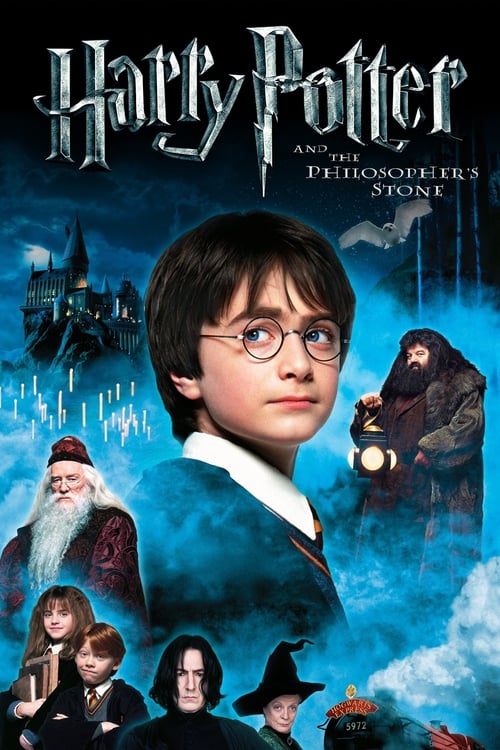
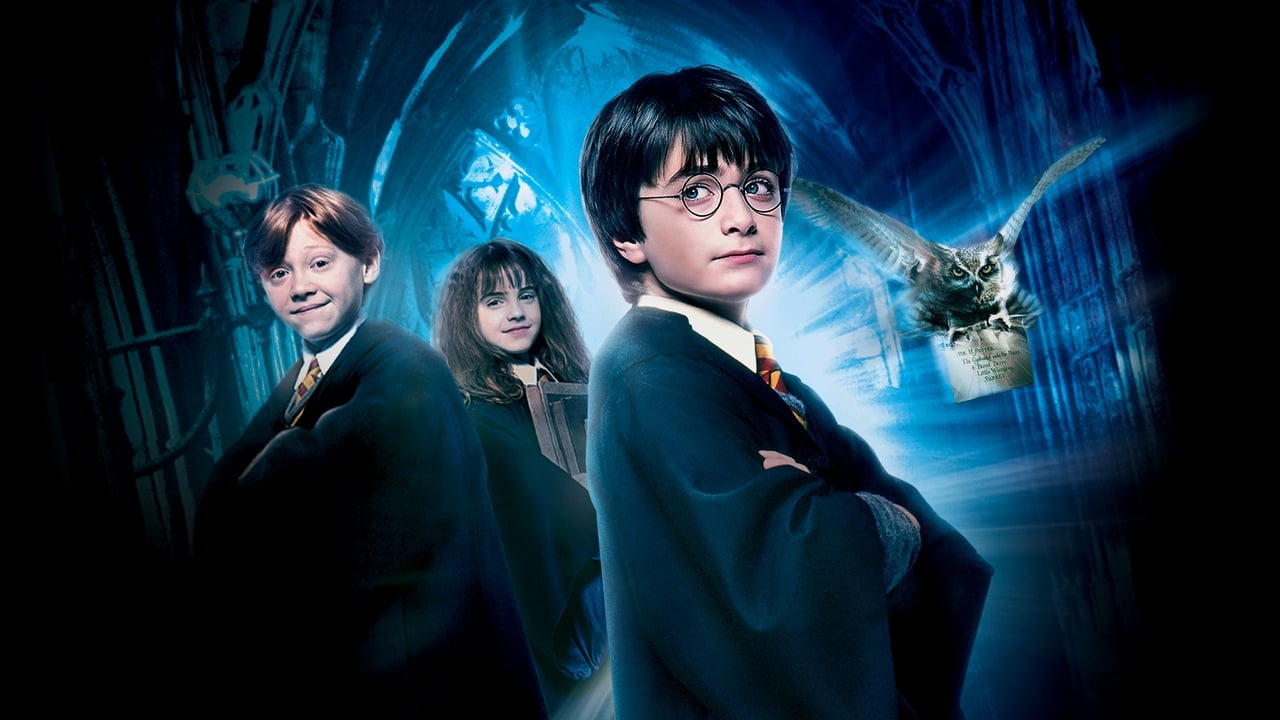
I remember sitting in a theater that smelled faintly of damp wool—a very appropriate scent for a British boarding school movie—clutching a bag of popcorn that was roughly 40% unpopped kernels. I was eleven years old, the exact same age as the boy on the screen. Looking back, that was the ultimate marketing masterstroke: an entire generation of us grew up in lockstep with Daniel Radcliffe, Rupert Grint, and Emma Watson. It wasn't just a movie; it was a parallel childhood.

Harry Potter and the Philosopher’s Stone (or Sorcerer's Stone for my friends across the Atlantic who were apparently deemed too confused by the word "Philosopher") had an impossible task. It had to visualize a world that millions of people had already built in their heads. In 2001, Hollywood was at a crossroads. We were moving away from the gritty, cynical indie vibes of the 90s and into the era of the "Mega-Franchise." While The Lord of the Rings was busy proving that fantasy could be "serious" and "epic," Chris Columbus was tasked with proving it could be "magical."
Chris Columbus was the perfect, if safe, choice to helm this ship. Having directed Home Alone (1990) and Mrs. Doubtfire (1993), he knew how to work with child actors and, more importantly, how to capture a sense of domestic wonder. His Hogwarts isn't dark or brooding yet; it’s warm, golden-hued, and filled with the kind of clutter you’d find in a dream antique shop.
The Trio’s chemistry is the glue, even if their acting in this first outing is occasionally as stiff as a frozen Mandrake. You can see them thinking about their lines, especially Emma Watson, who famously used to mouth the other actors' lines while they were speaking. But there is a raw, wide-eyed sincerity there that modern, hyper-polished child performances often lack. They weren't "stars" yet; they were just kids who looked genuinely terrified of Alan Rickman.
Speaking of Alan Rickman, his introduction as Severus Snape remains one of the greatest character entrances in modern cinema. The way he snaps "Mr. Potter... our new celebrity" with that melodic, dripping disdain is a masterstroke. Apparently, J.K. Rowling told Alan Rickman the secret of Snape’s true motivations years before the final book was even written, just so he could play the character with the right subtext. You can see it in his eyes—a flicker of something that isn't just hatred. It’s the kind of performance that only gets better the more you know about the ending.
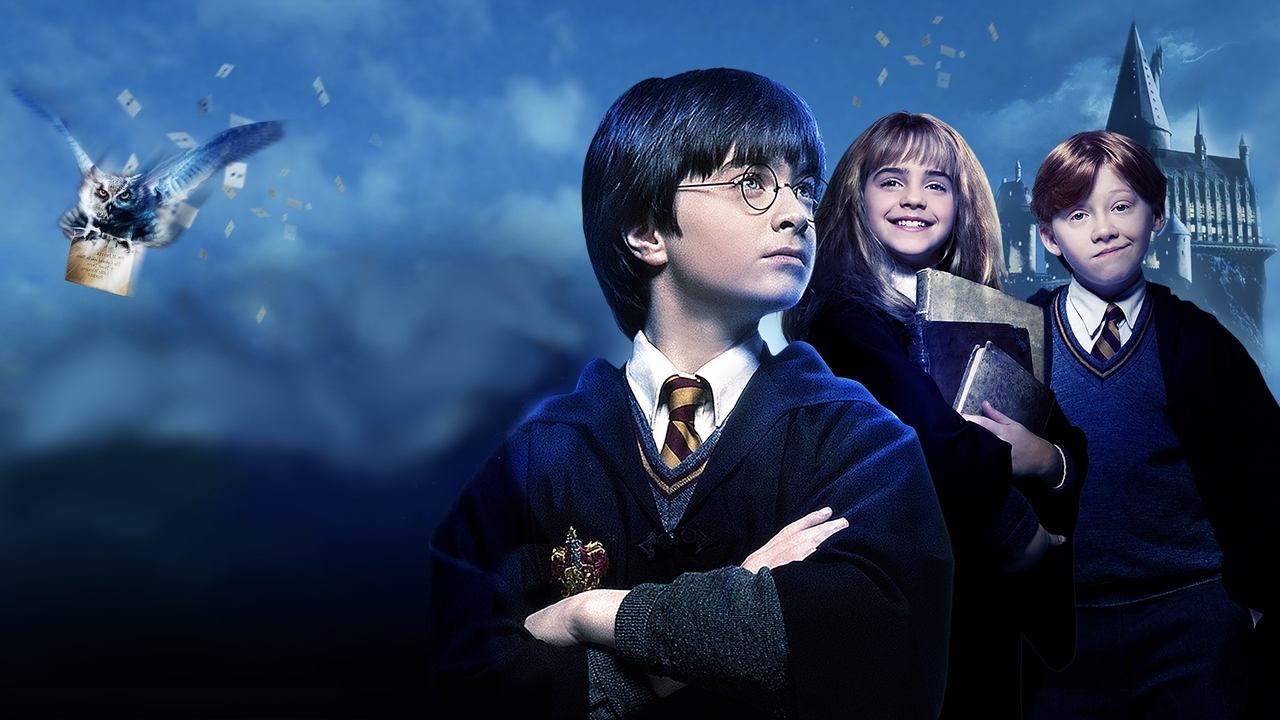
The production design by Stuart Craig is the unsung hero here. The Great Hall was a massive, tangible set, and those floating candles were originally real candles suspended by wires. They eventually had to be replaced by CGI because the heat kept burning through the wires and dropping flaming wax onto the extras. That transition from practical to digital is all over this movie. The Quidditch match looks like a high-end PlayStation 2 cutscene today, but it still manages to capture the frantic, vertical energy of the sport. It was groundbreaking for its time, even if the broomsticks look a bit "pasted on" against the green screen now.
Cool Details from the Set:
With a massive $125 million budget, Warner Bros. took a huge gamble on a "British-only" casting rule. This meant rejecting superstars like Robin Williams, who reportedly begged to play Hagrid for free. The film was a commercial titan, raking in $976 million worldwide. Adjusted for inflation, that’s well over $1.7 billion today. It didn't just win the box office; it owned the cultural conversation for a decade. The "Great Hall" set was so sturdy and iconic that it remained standing for the entire ten-year production of the series, eventually becoming a centerpiece of the studio tour in London. Richard Harris, who played Dumbledore, only took the role because his eleven-year-old granddaughter threatened never to speak to him again if he turned it down.
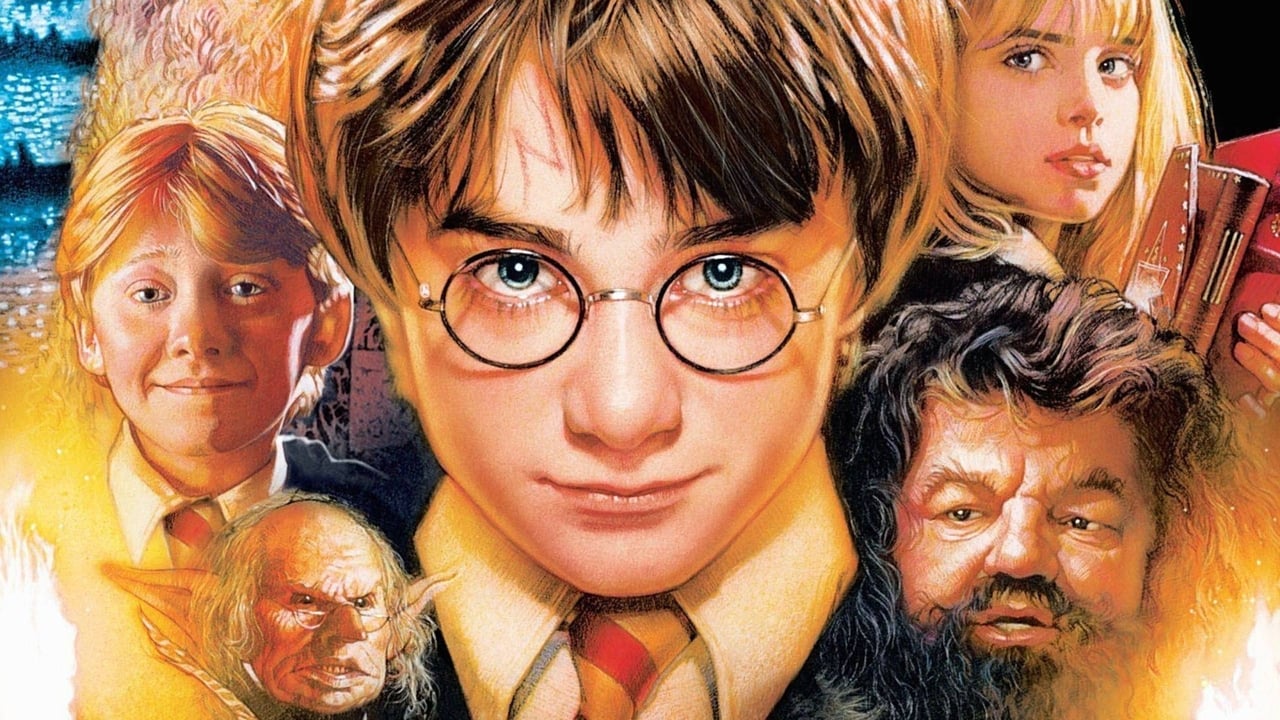
Looking back, the pacing of Philosopher's Stone is remarkably patient for a blockbuster. It takes its time at Privet Drive; it lingers in Diagon Alley. It understands that for an adventure to feel earned, the "destination" has to feel like an escape from a mundane reality. When John Williams' "Hedwig’s Theme" first swells as we see the castle, it still gives me chills. That score is doing a lot of heavy lifting, providing a sonic identity that is now as recognizable as the "Star Wars" fanfare.
While the sequels would eventually dive into darker, more "cinematic" territory under directors like Alfonso Cuarón, there is something uniquely cozy about this first entry. It’s the "DVD era" at its peak—I remember spending hours navigating the "Special Features" on the second disc, trying to solve the logic puzzle with the potions just to see a deleted scene. It was a time when we wanted to live in these worlds, not just watch them.
This film launched the modern "Cinematic Universe" mentality before the MCU was even a glimmer in Kevin Feige’s eye. It proved you could build a massive, serialized narrative that respected its source material while becoming its own beast. It’s a film about discovery, friendship, and the realization that the world is much bigger—and much more dangerous—than the cupboard under the stairs.
Harry Potter and the Philosopher's Stone isn't a perfect film, but it is a perfect introduction. It captured a moment in time when technology was finally catching up to our collective imagination, and it did so with a heart that hasn't aged a day. Whether you're a die-hard fan or a casual viewer, there’s no denying the sheer gravitational pull of this story. It’s the cinematic equivalent of a warm butterbeer on a cold day: sweet, a little bit frothy, and exactly what you need to feel like a kid again.
Keep Exploring...
-
Harry Potter and the Chamber of Secrets
2002
-
Harry Potter and the Prisoner of Azkaban
2004
-
Harry Potter and the Goblet of Fire
2005
-
Harry Potter and the Half-Blood Prince
2009
-
Harry Potter and the Deathly Hallows: Part 1
2010
-
Harry Potter and the Deathly Hallows: Part 2
2011
-
Harry Potter and the Order of the Phoenix
2007
-
The Mummy
1999
-
Shrek
2001
-
The Lord of the Rings: The Fellowship of the Ring
2001
-
The Lord of the Rings: The Two Towers
2002
-
Pirates of the Caribbean: The Curse of the Black Pearl
2003
-

The Lord of the Rings: The Return of the King
2003
-
Shrek 2
2004
-
Charlie and the Chocolate Factory
2005
-
The Chronicles of Narnia: The Lion, the Witch and the Wardrobe
2005
-

Pirates of the Caribbean: Dead Man's Chest
2006
-
Princess Mononoke
1997
-
Pokémon: The First Movie
1998
-

Howl's Moving Castle
2004