How High
"Higher learning has never been this literal."

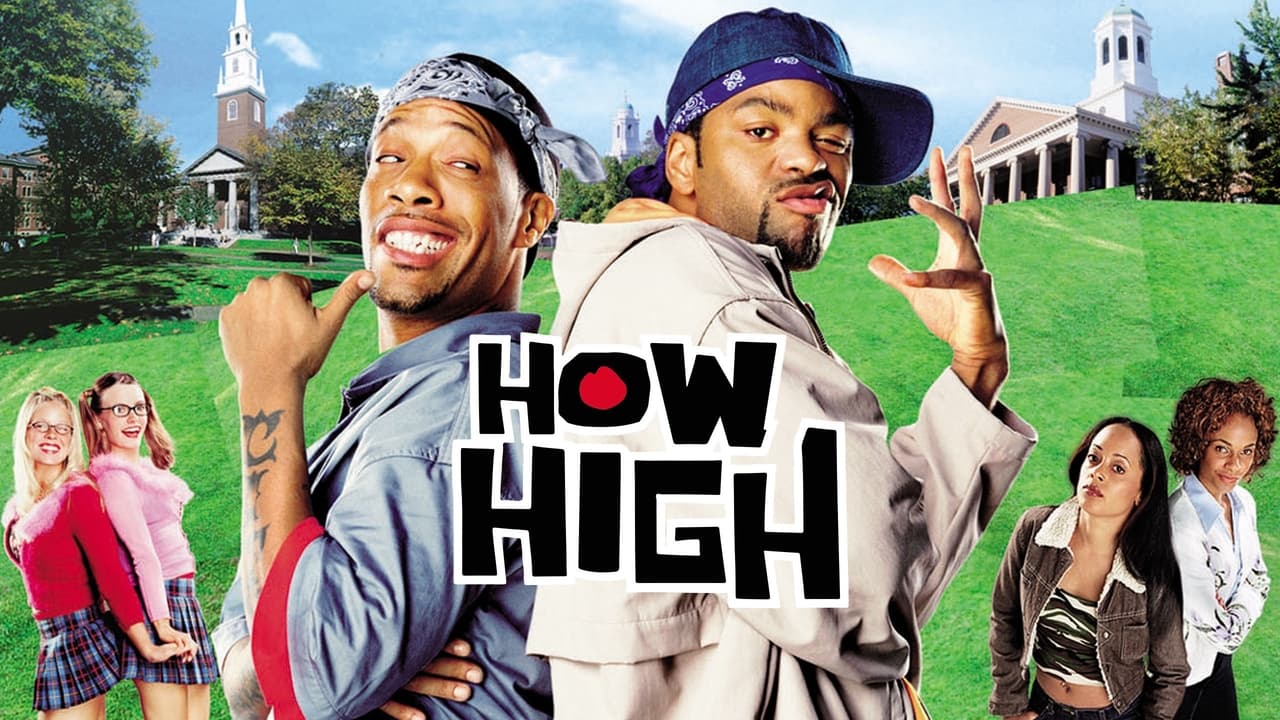
There is a specific, hazy brand of charisma that only exists when Method Man and Redman are in the same zip code. By the time 2001 rolled around, the duo had already perfected their "functional chaos" energy on the Blackout! album, but How High was the moment Universal Pictures decided to see if that energy could translate to a multi-million dollar studio comedy. It’s a film that arrived at the tail end of the "gross-out" boom and the beginning of the corporatized hip-hop crossover, and looking back, it’s a fascinating, smoke-filled time capsule of an era where a major studio would unironically greenlight a movie about Harvard-bound stoners fueled by ghost-weed.
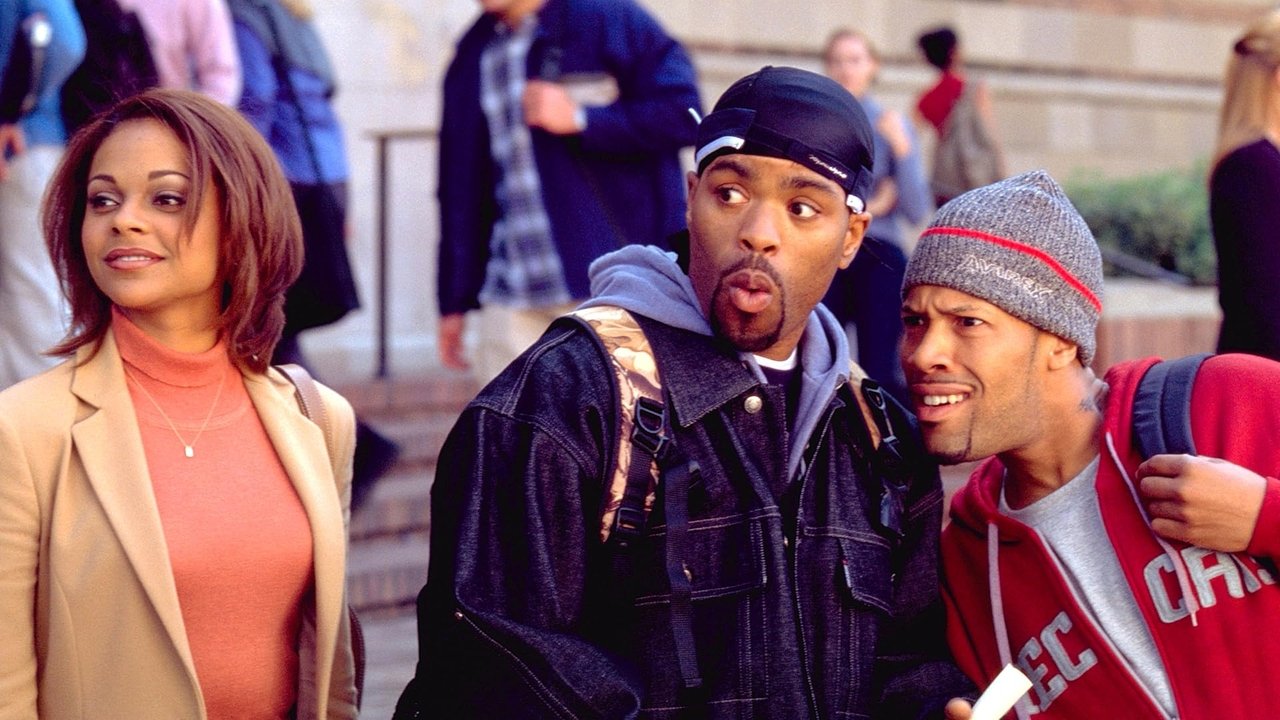
I watched this recently while my radiator was making a weird, rhythmic clicking sound that perfectly synced up with the movie’s basslines, and honestly, the accidental percussion made the whole experience feel like a lost music video.
The Ivy League vs. The Def Squad
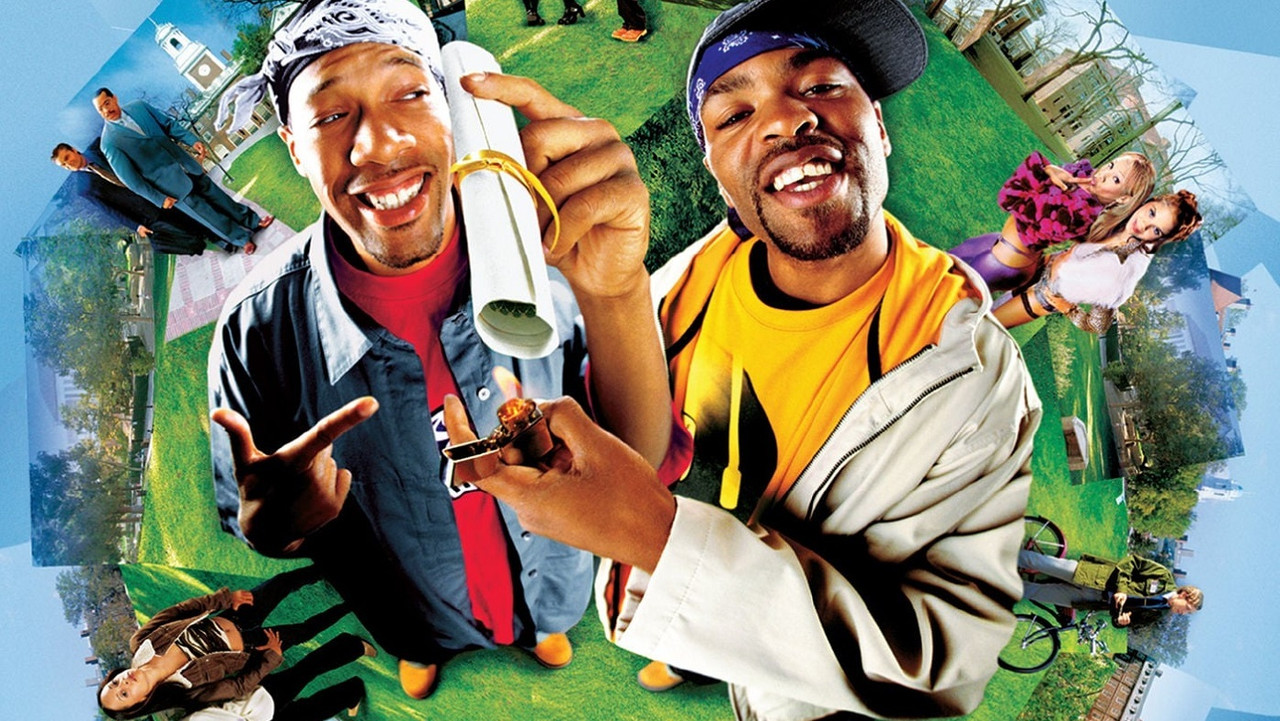
The premise is pure "what if?" stoner logic: Silas (Method Man) and Jamal (Redman) smoke a batch of marijuana fertilized with the ashes of their deceased friend, Ivory. This supernatural "smart weed" allows Ivory’s ghost to appear and give them the answers to their THC (Testing for Higher Care) exams. Naturally, they ace the tests and head to Harvard, setting up a classic "slobs vs. snobs" dynamic that feels like Animal House if it were filtered through a Wu-Tang Clan lens.
What’s striking now is how much the film relies on the sheer magnetism of its leads. Method Man plays the slightly more cerebral Silas with a laid-back cool, while Redman is a whirlwind of slapstick energy as Jamal. Their chemistry isn’t just good; it’s the only reason the movie doesn't collapse under the weight of its own absurdity. It’s basically 'Legally Blonde' but with way more blunt wraps and a higher tolerance for property damage. They aren't trying to "act" in the traditional sense; they are inviting us into a 93-minute hang-out session where the plot is mostly an excuse for them to riff.
A Masterclass in Character Actors

While the rappers-turned-actors carry the weight, the supporting cast is a "who’s who" of people who understood exactly what kind of movie they were in. Obba Babatundé (who you might recognize from Philadelphia) is pitch-perfect as the high-strung Dean Cain. He plays the "straight man" with such rigid intensity that he makes the leads look even more relaxed.
Then there’s Fred Willard (the king of deadpan from Best in Show), who shows up as a clueless recruiter. Willard had this magical ability to make even the most mundane dialogue sound like it was improvised on the spot by a man who had never seen a human being before. And we have to talk about Mike Epps as Baby Powder. Epps was at the peak of his "fast-talking pimp" archetype here, and his scenes feel like they were snatched from a completely different, much weirder movie. The script is essentially a collection of "vibes" held together by scotch tape and the goodwill of the audience.
The 2001 Aesthetic: Looking Back
Retrospectively, How High captures that awkward transition period of the early 2000s. The fashion—oversized jerseys, bucket hats, and baggy denim—is so aggressive it’s almost a character itself. It also represents a time when DVD culture was starting to dictate how comedies were made. You can feel the "unrated version" scenes being telegraphed; there’s a sense that the filmmakers knew this would find its real life on a scratched disc in a college dorm room rather than at the multiplex.
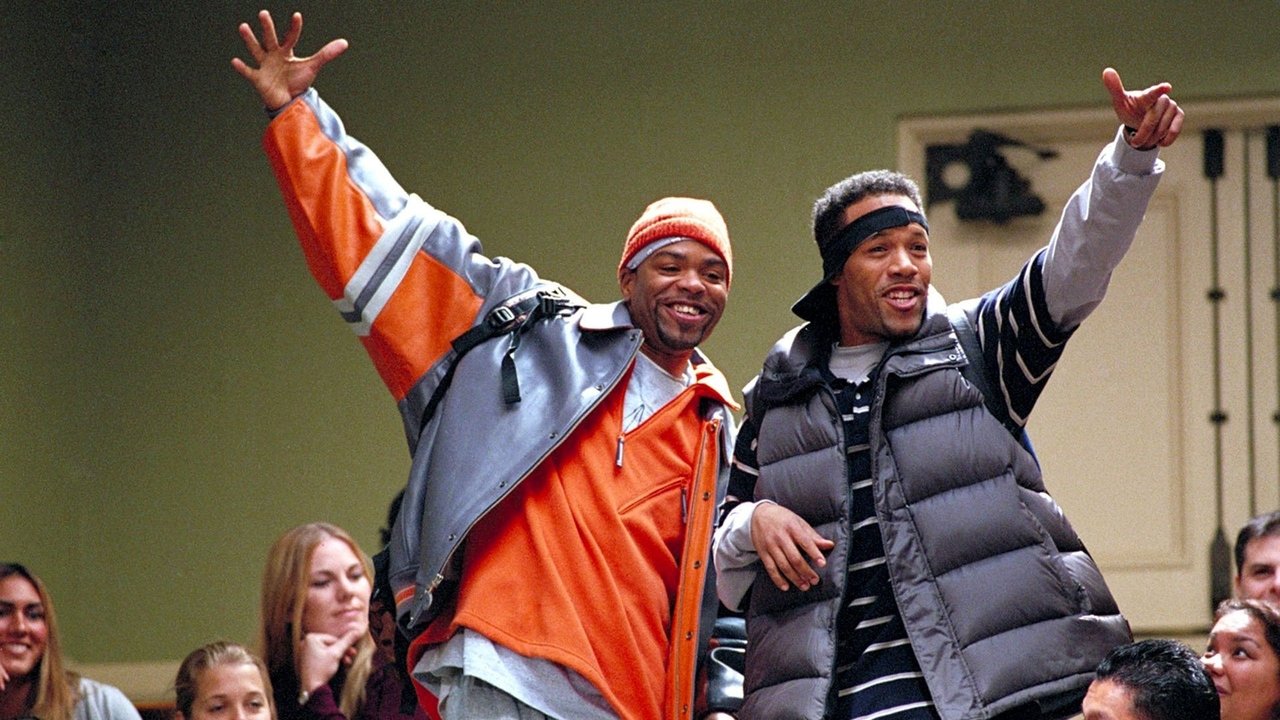
Interestingly, the film was directed by Jesse Dylan. If that name sounds familiar, it’s because he’s the son of folk legend Bob Dylan. It’s one of those "only in Hollywood" facts: the son of the man who wrote "Blowin' in the Wind" directed a movie where a guy tries to find Benjamin Franklin’s secret "super-weed" stash. It’s also produced by Danny DeVito’s Jersey Films, the same outfit that gave us Pulp Fiction and Gattaca. This era of cinema allowed for these strange overlaps where high-concept indie sensibilities met low-brow commercial comedy.
The humor, it must be said, is a mixed bag. Some of the physical gags are dated, and the "ghost Ivory" CGI looks like it was rendered on a calculator, but the joke hit-to-miss ratio stays high because the movie never takes itself seriously enough to fail. It knows it’s a cartoon. When the "magic weed" runs out and the duo has to rely on their "natural resources," the movie tries to pivot into a message about self-reliance, but it’s mostly just a setup for a final act involving a bicycle-powered airplane and a stolen Founding Father.
If you’re looking for high-brow satire, you’ve wandered into the wrong theater. But if you want a snapshot of early-2000s hip-hop culture operating at its most playful, How High is a surprisingly durable watch. It’s a film that thrives on the "odd couple" energy of its leads and the total commitment of its supporting cast to a ridiculous premise. It’s not a "masterpiece," but it’s a reminder of a time when comedies didn't need to be part of a cinematic universe—they just needed two charismatic leads and a very weird idea.
Keep Exploring...
-
American Wedding
2003
-
That Thing You Do!
1996
-

Heartbreakers
2001
-

Seed of Chucky
2004
-
Bottle Rocket
1996
-
Jack
1996
-
Kingpin
1996
-

The Frighteners
1996
-
Deconstructing Harry
1997
-
Wag the Dog
1997
-
A Night at the Roxbury
1998
-
Jack Frost
1998
-
Blast from the Past
1999
-
Deuce Bigalow: Male Gigolo
1999
-
Lake Placid
1999
-
Never Been Kissed
1999
-

28 Days
2000
-

Bring It On
2000
-
Jay and Silent Bob Strike Back
2001
-
Jimmy Neutron: Boy Genius
2001