Jay and Silent Bob Strike Back
"The quest for royalties is the ultimate adventure."
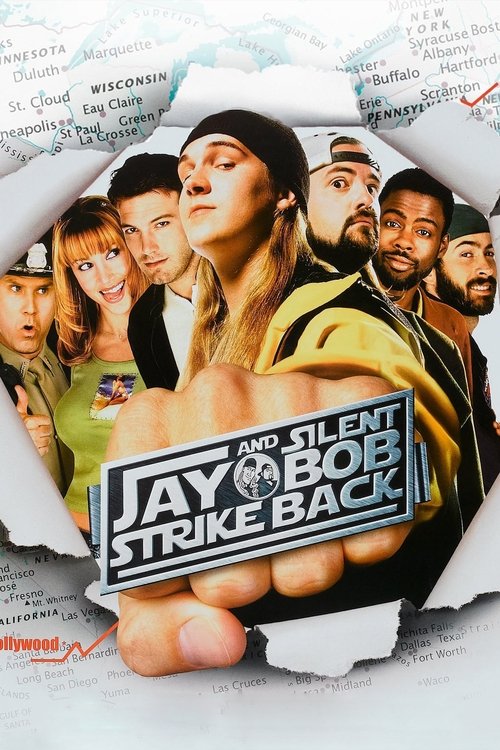
Before cinematic universes were a multi-billion dollar corporate strategy involving stockholders and five-year spreadsheets, there was a guy from New Jersey with a backwards cap and a hockey jersey who just wanted to link all his movies together. By the time 2001 rolled around, Kevin Smith (appearing as Silent Bob, but also directing and writing) had built a small, foul-mouthed empire through Clerks, Mallrats, Chasing Amy, and Dogma. But Jay and Silent Bob Strike Back was intended to be the victory lap—a meta-commentary on fame that effectively functioned as the Avengers: Endgame for people who spent too much time in comic book shops.
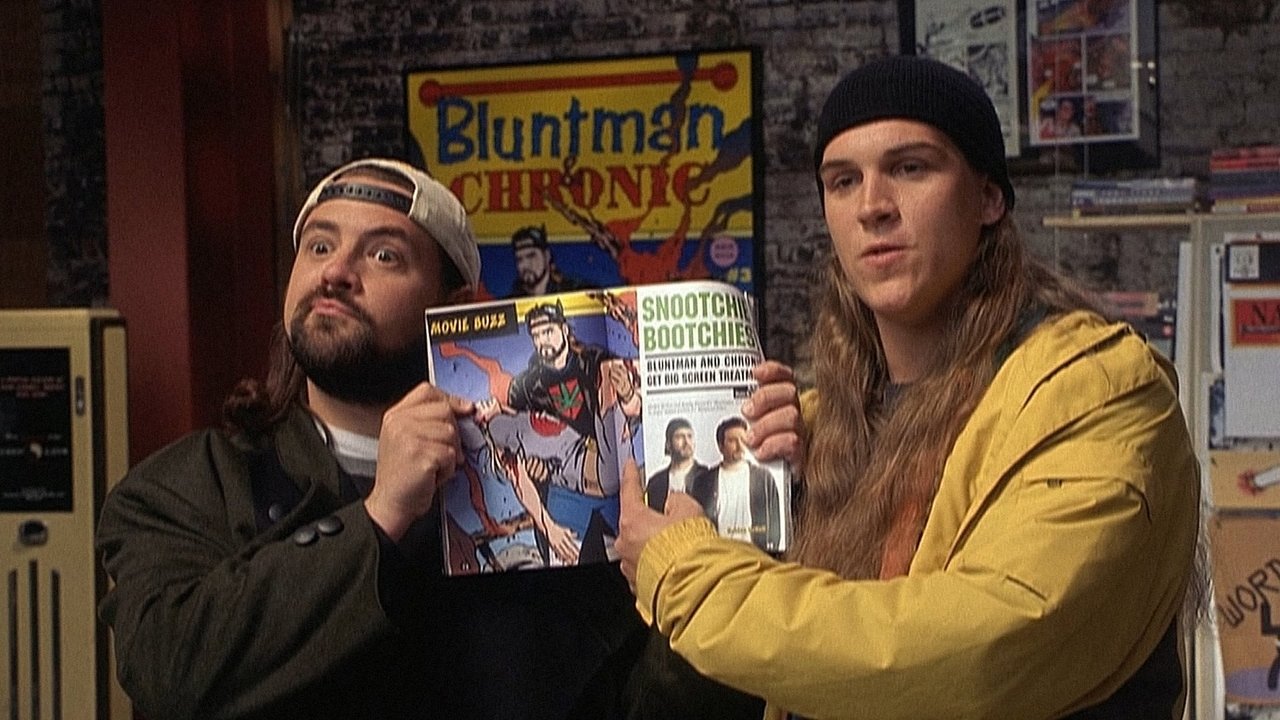
I’ll be honest: I recently rewatched this on a grainy digital file while sitting in a dentist’s waiting room, and I’m pretty sure the receptionist thought I was having a nervous breakdown because I couldn’t stop snickering at the sheer audacity of the cameos. It’s a film that exists in a very specific window of time, right at the dawn of the internet’s dominance over film culture, and looking back, it’s a fascinating time capsule of Y2K-era anxiety and indie film bravado.
The Great Hollywood Quest
At its heart, this is a classic adventure film, albeit one fueled by weed jokes and a deep-seated resentment toward internet message boards. When our titular heroes, Jay (Jason Mewes) and Silent Bob, discover that a movie is being made based on their likenesses—the comic book characters Bluntman and Chronic—without their consent or a paycheck, they do what any logical New Jersey residents would do: they set out to travel cross-country to sabotage the production.
The journey structure is pure adventure. They encounter a group of jewel thieves led by Justice (Shannon Elizabeth), Sissy (Eliza Dushku), and Chrissy (Ali Larter), who are essentially a "Charlie’s Angels" parody designed to highlight the era's obsession with slick, mid-budget action aesthetics. The film treats the trek from Jersey to Hollywood like a perilous odyssey, complete with a stray orangutan and a persistent Wildlife Marshal played by a peak-absurdity Will Ferrell. The momentum never flags because the "world-building" here isn't about lore—it's about how many 90s indie stars Kevin Smith can cram into a single frame.
A Meta-Explosion of DVD Culture

To understand why this film felt so massive at the time, you have to remember the peak of DVD culture. Kevin Smith was the king of the "special feature." He made filmmaking feel accessible, and Strike Back is the ultimate expression of that. It’s a movie for people who watched the "making-of" documentaries as much as the films themselves.
The highlight is undoubtedly the sequence where the duo finally reaches the Miramax lot (back when that name didn't carry the heavy, dark baggage it does now). We get Ben Affleck and Matt Damon playing heightened, arrogant versions of themselves filming Good Will Hunting 2: Hunting Season. It’s a biting satire of the very "Sundance-to-Superstar" pipeline that Smith himself was a part of. The movie is basically a 100-minute inside joke that refuses to apologize for existing.
What’s surprising in retrospect is how much the film’s "Movie Poop Shoot" message board subplot predicted the current state of toxic fandom. The duo spends the third act hunting down the internet trolls who talked trash about them online. In 2001, this was a niche joke about a few nerds on dial-up; in 2024, it feels like a prophetic documentary about the state of every major franchise’s social media comments section.
Why It Vanished Into the Vaults
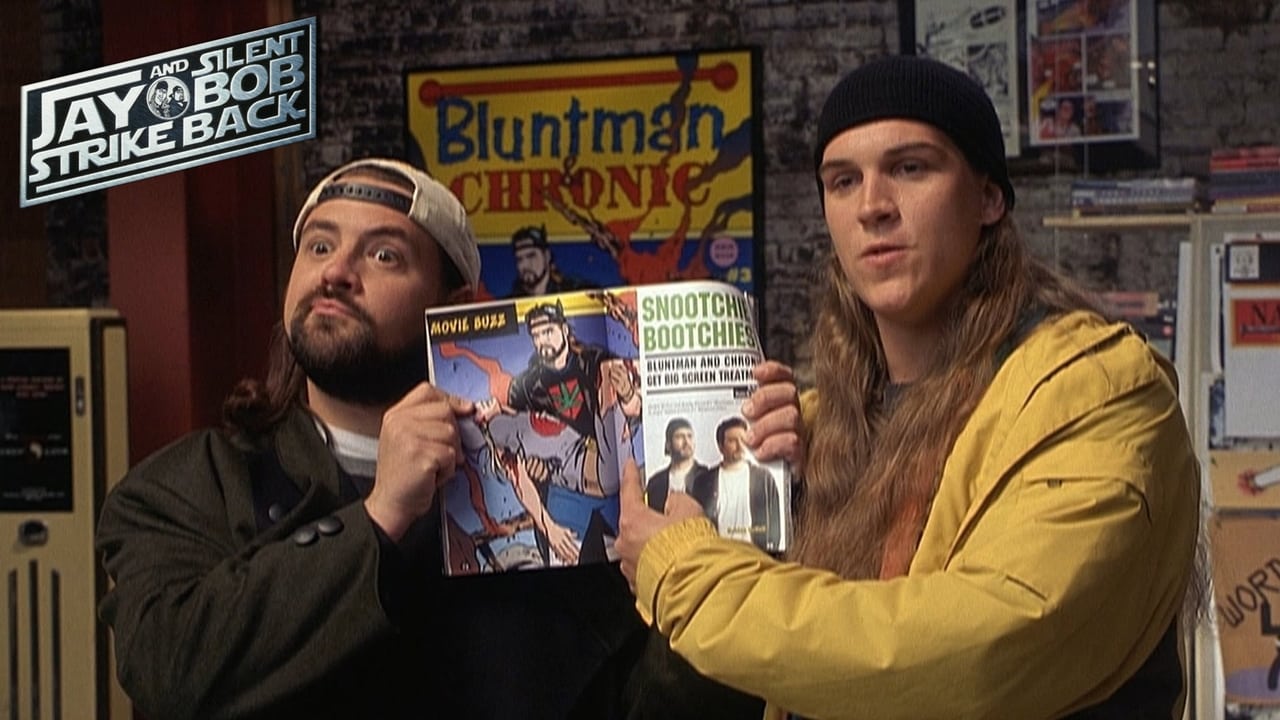
Despite being a hit at the time, Jay and Silent Bob Strike Back has somewhat slipped into the "obscure cult" category for younger audiences. Part of this is the humor, which is unapologetically crude and very much a product of the early 2000s. Some of the jokes haven't just aged poorly; they've practically decomposed. However, if you view it through the lens of the era—the transition from the gritty 90s indie scene to the glossy, corporate franchise era—it’s a vital piece of history.
The production was a "who's who" of the Dimension Films era. You have Jamie Anderson's cinematography making a low-brow comedy look like a legitimate adventure, and James L. Venable’s score hitting those heroic beats that make Jay and Bob feel like actual legends. It’s a film made by a group of friends who were given $22 million to burn the house down, and that sense of chaotic joy is infectious.
Apparently, Jason Mewes had to be coached through his more dialogue-heavy scenes because he was intimidated by the sheer number of A-list stars on set, but his chemistry with Smith remains the anchor. Without their genuine, weird brotherhood, the whole thing would collapse under the weight of its own cynicism.
If you can bypass the dated "edgy" humor of the turn of the millennium, there is a heart of gold buried under the dick jokes and the orangutans. It’s a loud, proud celebration of being a fan, even when the things you love don’t love you back. It marks the end of an era where a director could get away with something this self-indulgent on a studio budget, and for that alone, it’s worth a revisit. Just ignore the trolls on the message boards—Jay and Silent Bob already took care of them.
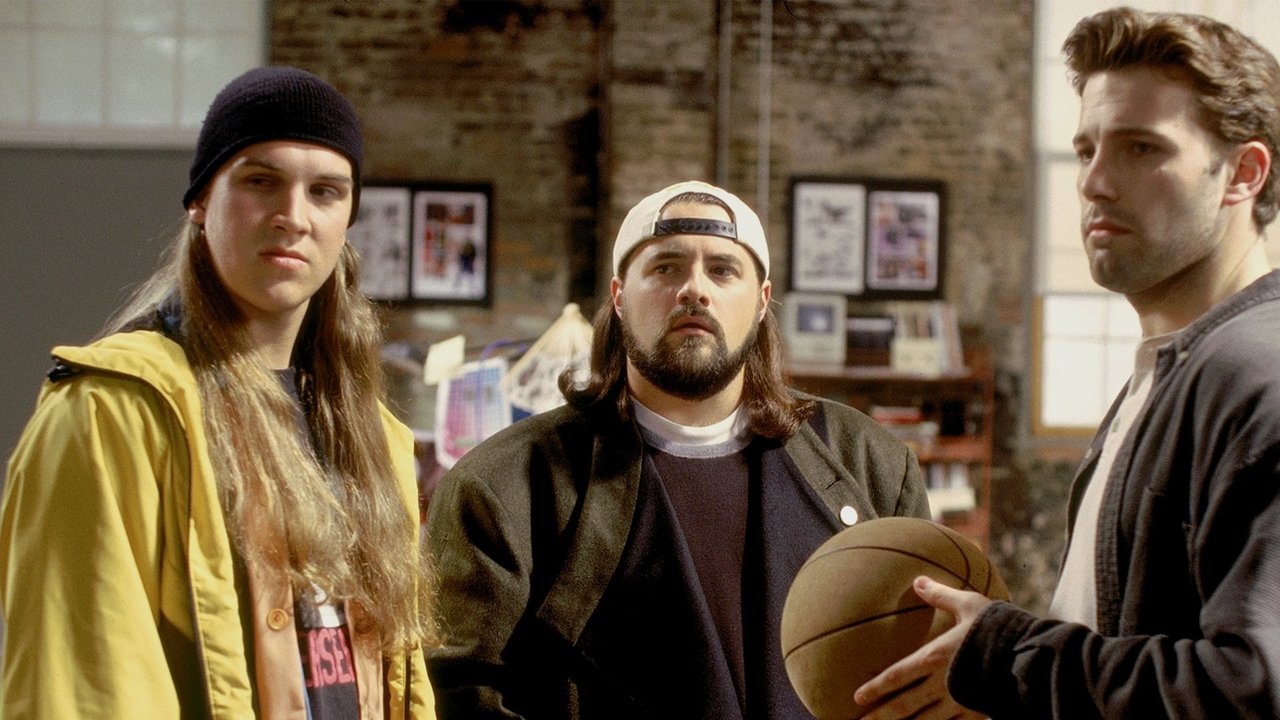
Keep Exploring...
-

Clerks II
2006
-
Dogma
1999
-
Jersey Girl
2004
-

Mallrats
1995
-
Chasing Amy
1997
-
Zack and Miri Make a Porno
2008
-
Cop Out
2010
-
Clerks
1994
-
Tusk
2014
-
Jimmy Neutron: Boy Genius
2001
-
Big Fat Liar
2002
-
Holes
2003
-
Team America: World Police
2004
-
Are We There Yet?
2005
-
Casanova
2005
-
TMNT
2007
-
Six Days Seven Nights
1998
-

Mystery Men
1999
-
Taxi 2
2000
-
The Little Mermaid II: Return to the Sea
2000