Jeepers Creepers
"Every 23 years, for 23 days, it gets to eat."
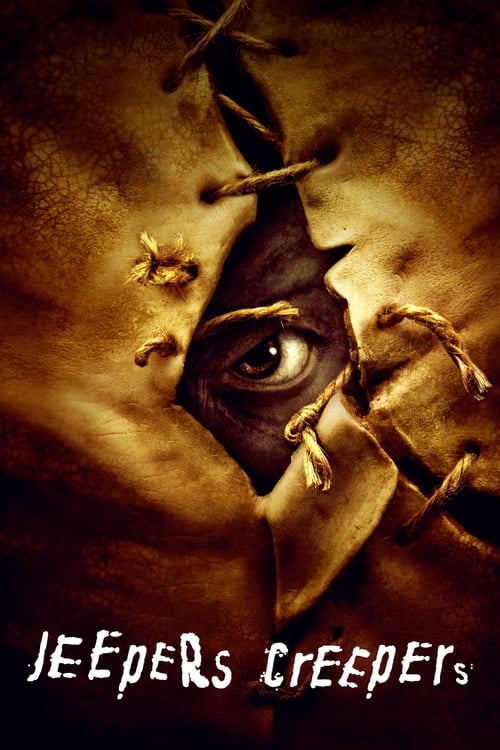
The first twenty minutes of Jeepers Creepers might be the most effective exercise in pure, highway-bound dread ever committed to celluloid. I remember seeing this for the first time on a grainy DVD I’d rented from a dying Hollywood Video, hunched over in a beanbag chair while I picked the pepperoni off a slice of lukewarm gas station pizza, and that opening sequence absolutely paralyzed me. It’s a masterclass in "less is more"—a rusty, screaming COE truck tailing a nondescript Chevy Impala on a sun-drenched Florida backroad. It’s simple, it’s grounded, and it taps into that primal fear of the "road rage" maniac that feels far more real than any ghost or goblin.
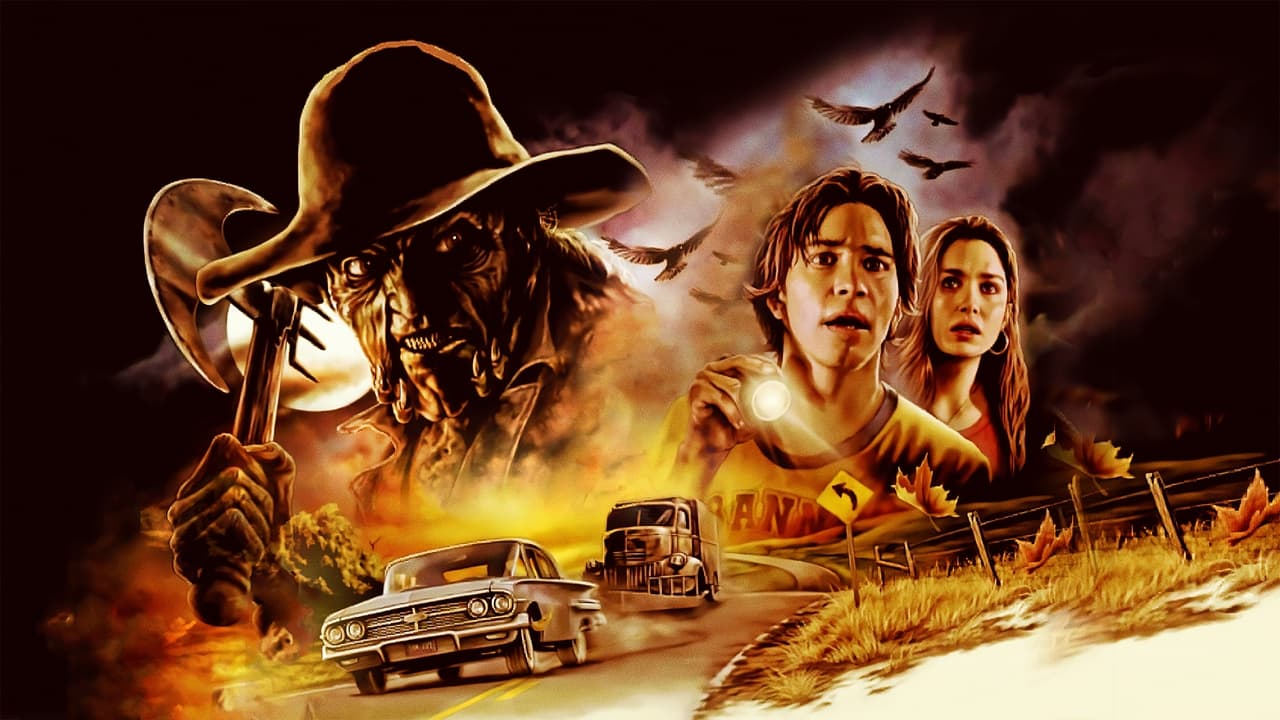
The Road Trip from Hell
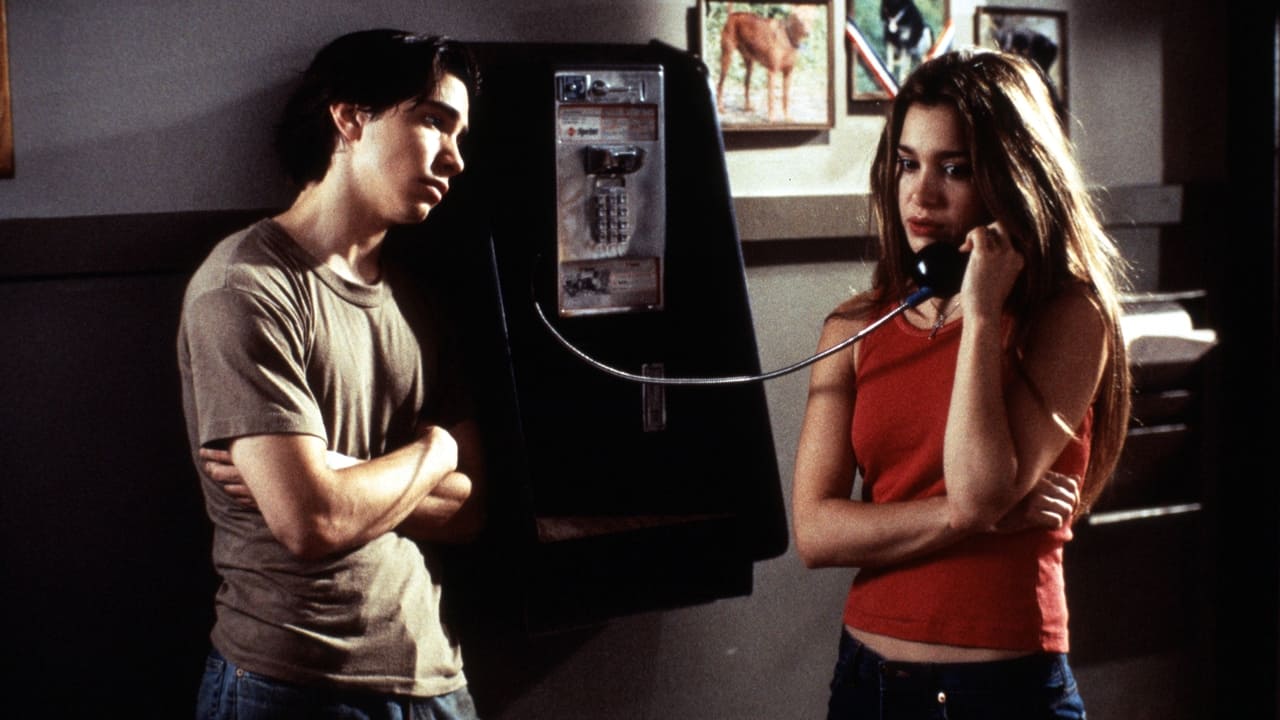
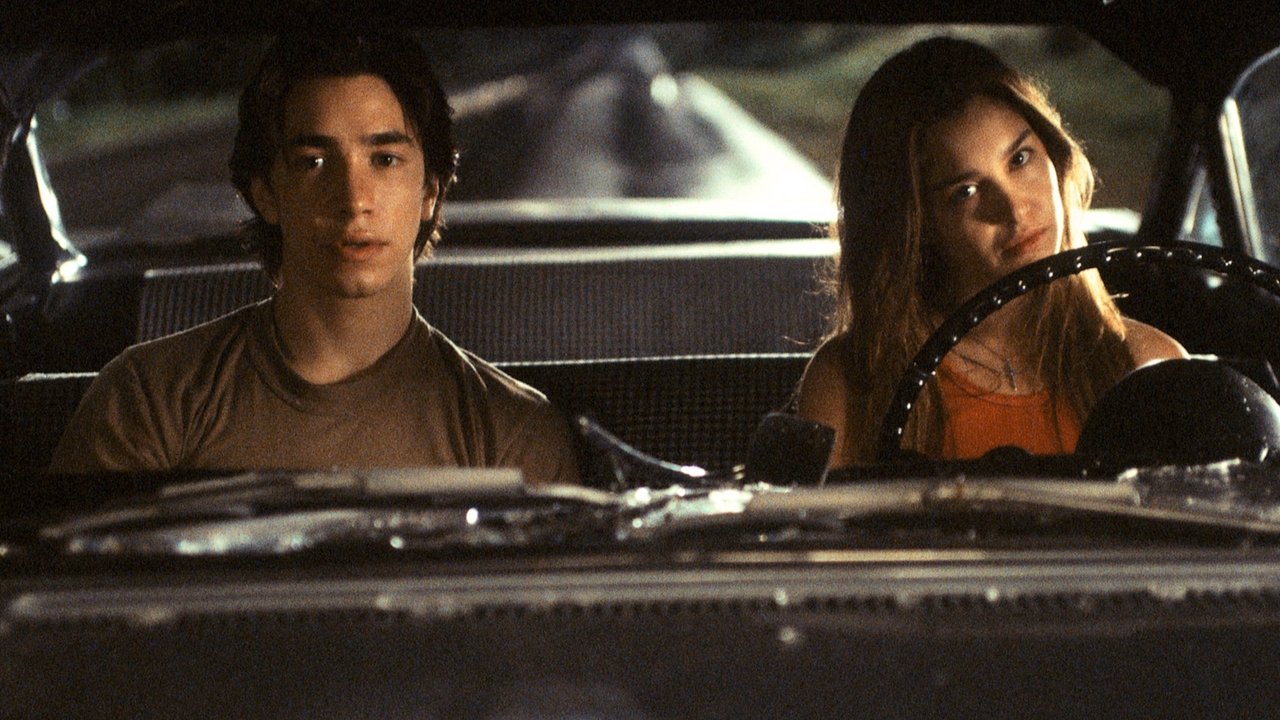
What makes the first act work so well is the chemistry between Gina Philips and Justin Long. Usually, horror movies of the early 2000s were populated by "Scream" clones—overly meta, hyper-attractive teens who existed only to be fodder. But Trish and Darry Jenner feel like a real brother and sister. They bicker about license plate games, they're annoyed by the heat, and they have that specific sibling shorthand that makes you actually care when things go sideways.
When they spot the Creeper (Jonathan Breck) dumping what looks like a body wrapped in blood-stained sheets down a corrugated pipe, the movie presents a fork in the road. Trish, the pragmatist, wants to keep driving. Darry, driven by a mix of youthful stupidity and genuine hero-complex curiosity, insists on going back. I’ve always found it funny how Darry is arguably the dumbest protagonist in horror history for actually climbing into that pipe, but Justin Long plays the character with such earnest vulnerability that you almost forgive the lapse in judgment. Almost.
Practical Nightmares and a Shifting Genre
As the film progresses, it undergoes a fascinating mutation. It starts as a grounded psychological thriller—a "Duel" for the Y2K generation—before pivoting hard into a supernatural creature feature. This is where the "Modern Cinema" era’s transition shows its teeth. While CGI was beginning to take over Hollywood (think The Mummy Returns from the same year), director Victor Salva leaned heavily into practical effects.
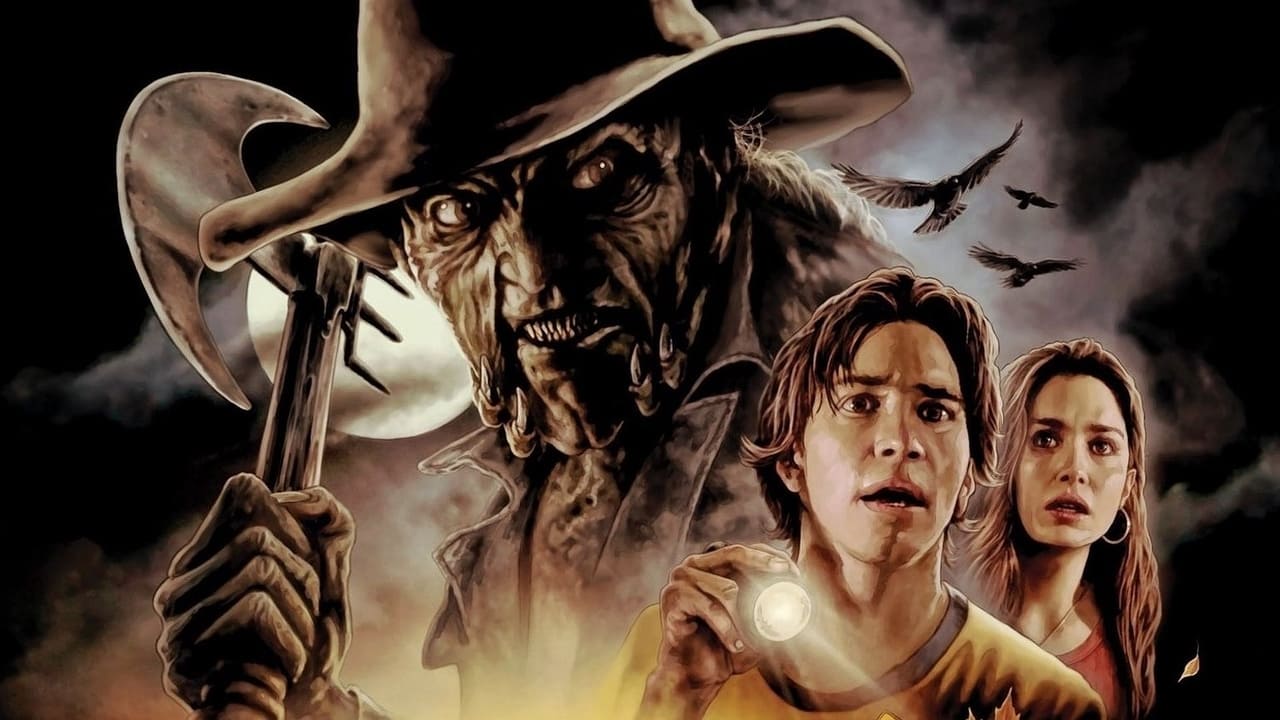
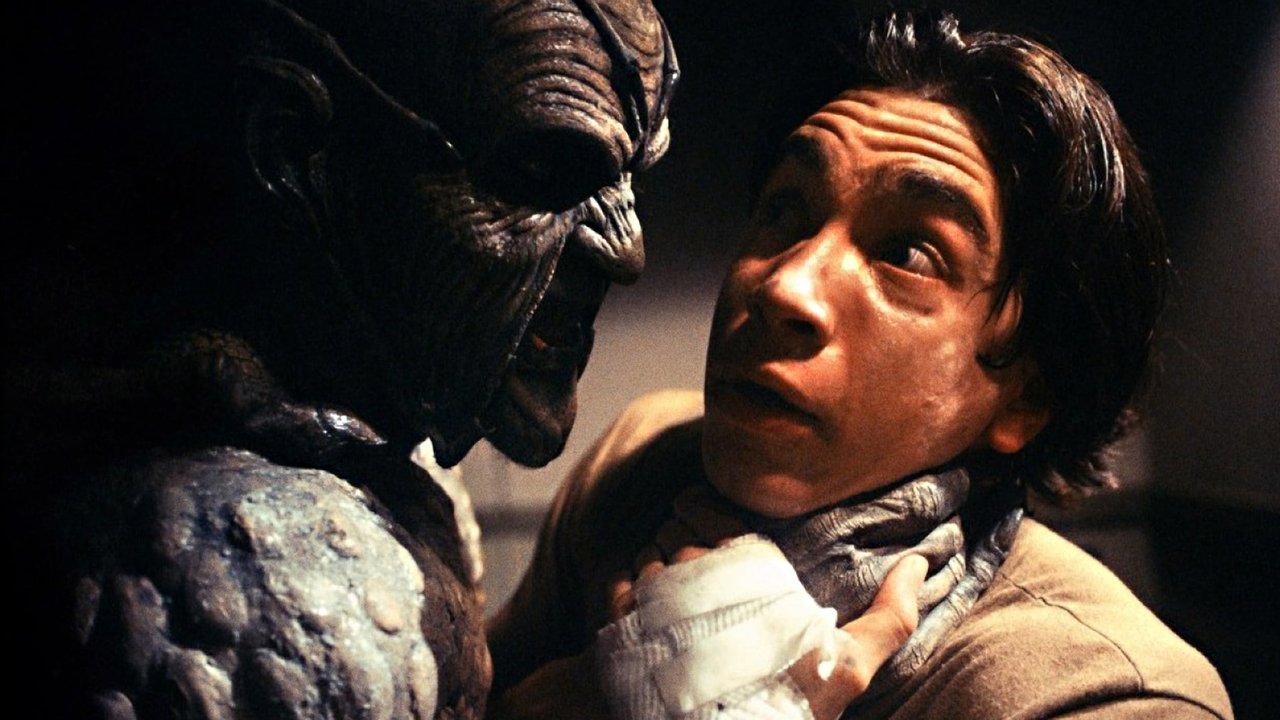
The Creeper’s design is a triumph of late-analog prosthetic work. Jonathan Breck brings a predatory, bird-like physicality to the role that is genuinely unsettling. The reveal of his wings and the "House of Pain"—a basement lined with hundreds of preserved bodies stitched together like a macabre tapestry—still holds up remarkably well. It’s grimy, tactile, and smells of old formaldehyde. Looking back, the decision to make the monster a connoisseur of human organs who "smells" fear is way cooler than just another silent slasher. It gives the film a weird, mythological texture that helped it find a massive cult following on home video.
Behind the Screams and Cult Status
The production of Jeepers Creepers was famously scrappy. Despite having Francis Ford Coppola’s American Zoetrope behind it, the budget was a tight $10 million. This forced a lot of creative problem-solving. For instance, the "BEATNGU" truck was a custom-built beast that the actors were actually terrified of because the stunt driver would intentionally floor it during takes to get genuine reactions.
Here are a few bits of trivia that have kept the cult fire burning:
Jonathan Breck actually shaved his head and practiced "eye-rolling" to hide his pupils, giving the Creeper that dead-eyed, shark-like stare. The film’s title and the use of the 1938 jazz standard "Jeepers Creepers" was a stroke of genius, turning a jaunty tune into a harbinger of doom. Eileen Brennan, who plays the eccentric Cat Lady, was cast as a nod to classic cinema, adding a layer of seasoned gravitas to a relatively young cast. The ending of the film was notoriously controversial at the time; test audiences were reportedly stunned by the bleakness, leading to a frantic marketing push to frame it as a "fun" summer scare. * The "House of Pain" set used over 300 "bodies" made of latex and silicone, which took the effects team months to hand-paint.
The movie isn't perfect—the second half loses some of that tight, claustrophobic tension once the Creeper starts flying around and the police get involved—but it remains a standout of its era. It captured a specific moment in time where horror was trying to find its identity between the slasher boom of the 90s and the "torture porn" wave that was just around the corner. If you can separate the art from the artist (Salva’s personal history is a dark cloud over the franchise), there is an undeniable craft here.
It’s a film that understands that the most frightening thing isn't just the monster under the bed, but the monster you pass on a lonely highway in the middle of the afternoon. It’s a gritty, mean-spirited, and visually inventive piece of folklore that reminds me why I’ll never, ever look down a drainage pipe. Just keep driving. ###
Keep Exploring...
-
Jeepers Creepers 2
2003
-
From Dusk Till Dawn
1996
-
Blade
1998
-

Bride of Chucky
1998
-

The Faculty
1998
-
The Ninth Gate
1999
-
From Hell
2001
-
Thir13en Ghosts
2001
-

Final Destination 2
2003
-
Wrong Turn
2003
-
Resident Evil: Apocalypse
2004
-
House of Wax
2005
-
The Skeleton Key
2005
-

The Hills Have Eyes
2006
-
Drag Me to Hell
2009
-
Alien Resurrection
1997
-
The Devil's Advocate
1997
-
Sleepy Hollow
1999
-

28 Days Later
2002
-

Blade II
2002