Joy Ride
"The voice on the radio isn't playing games."
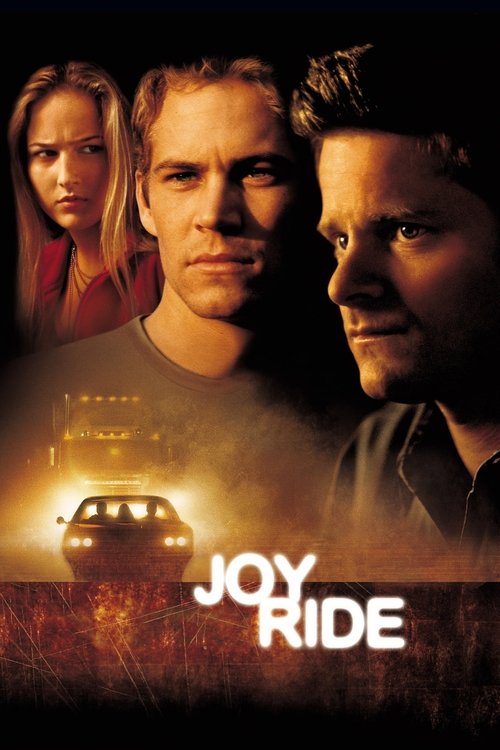
I’ll never forget the first time I heard that voice. I was watching Joy Ride in a basement apartment that smelled vaguely of damp laundry and microwave popcorn, and when Rusty Nail rumbled through the speakers for the first time, I instinctively checked to see if my own door was locked. There’s something uniquely terrifying about a villain you can’t see, a monster that exists entirely as a low, gravelly vibration over a CB radio frequency.
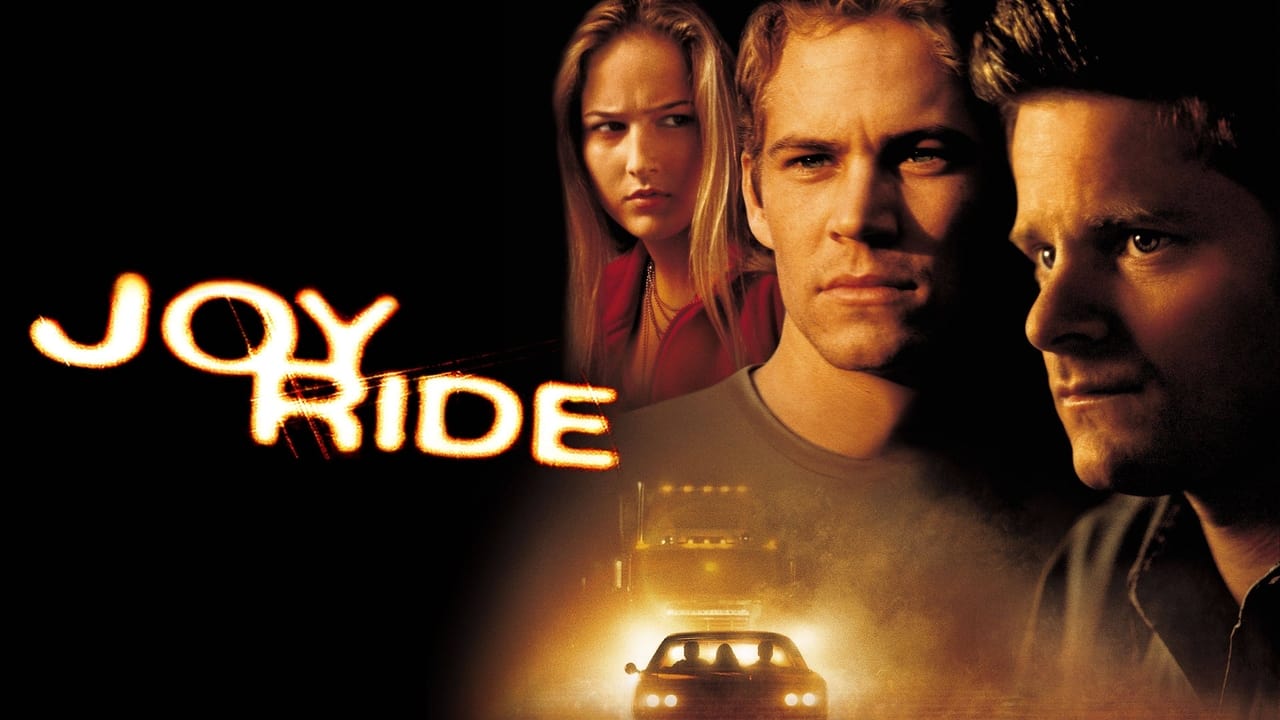
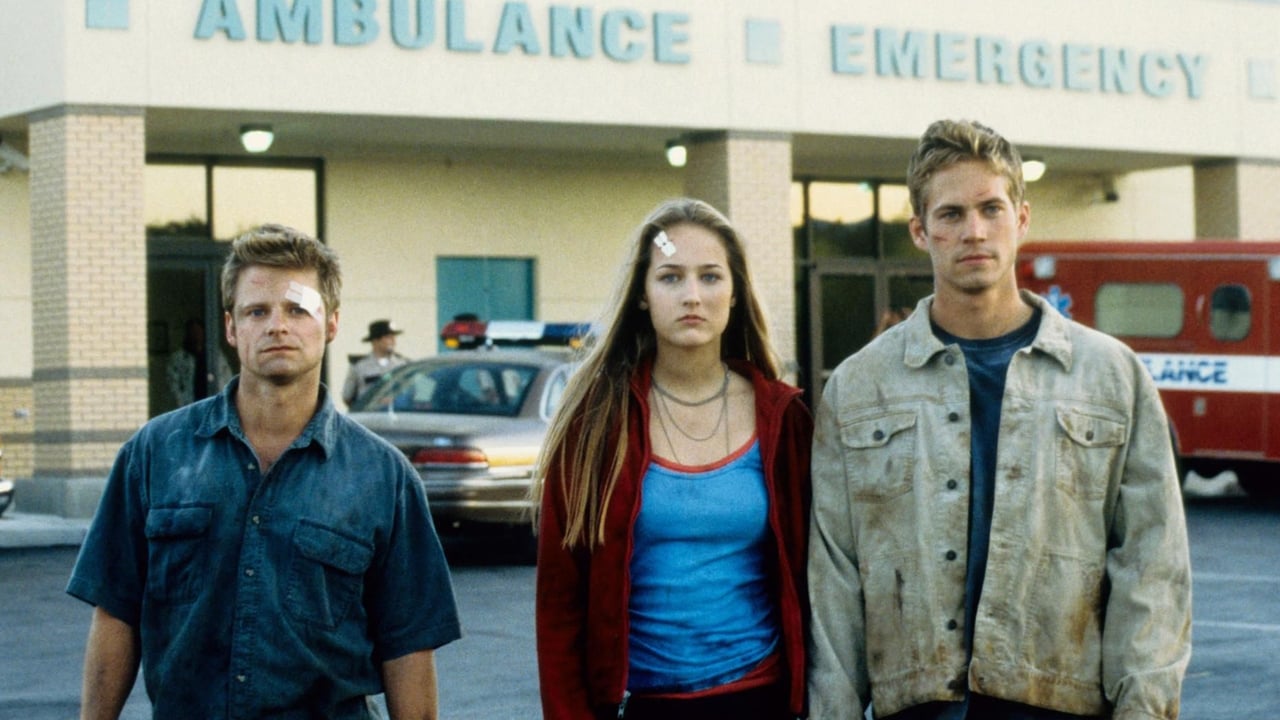
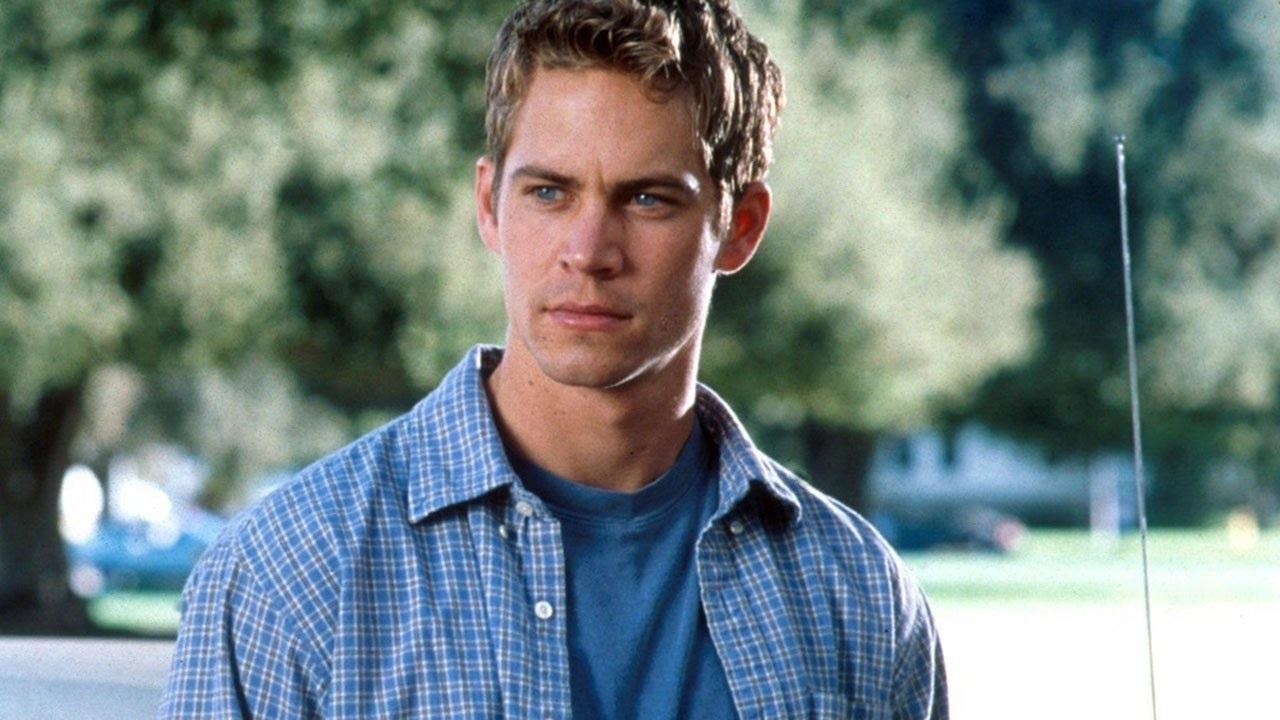
Released in the fall of 2001, Joy Ride arrived just as Paul Walker was becoming a household name thanks to The Fast and the Furious. But where that film was about the shiny, high-octane glamor of street racing, Joy Ride is a much grittier, sweatier affair. It’s a road-trip-gone-wrong thriller that feels like a spiritual successor to Steven Spielberg’s Duel, yet it’s anchored by a surprisingly rich sibling drama that keeps the stakes feeling personal rather than just mechanical.
The Chemistry of Bad Decisions
At its heart, this isn't just a "trucker slasher" movie; it’s a character study of two brothers who probably haven't liked each other very much since 1992. Paul Walker plays Lewis, the "good kid" who buys a 1971 Chrysler Newport to drive across the country to pick up his crush, Venna (Leelee Sobieski). Along the way, he detours to bail his black-sheep brother Fuller out of jail.
Steve Zahn is the secret weapon here. As Fuller, he’s a whirlwind of nervous, obnoxious energy. Steve Zahn’s performance is essentially a masterclass in how to be the person you'd most hate to be stuck in a car with for twenty hours. He’s the one who convinces Lewis to buy a CB radio, and he’s the one who goads his brother into the cruel prank that sets the whole nightmare in motion.
The drama works because the guilt is palpable. When they trick a lonely trucker named "Rusty Nail" into thinking Lewis is a woman named "Candy Cane," the movie lets the awkwardness linger. You feel the discomfort of the prank long before the first drop of blood is spilled. It captures that specific brand of "bored young men doing stupid things" energy that felt very 2001—a time before you could just scroll through TikTok to kill time at a rest stop.
A Voice That Could Sandpaper a Boat
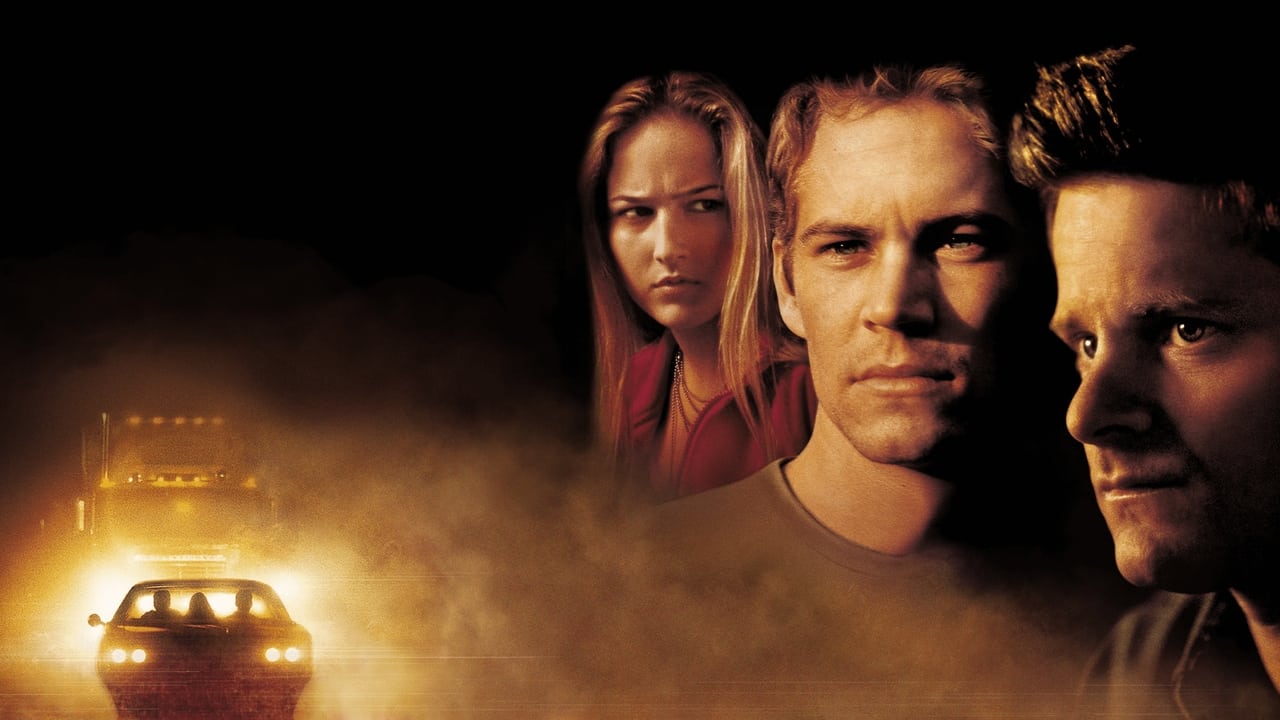
We have to talk about Rusty Nail. While the physical presence of the massive Peterbilt truck is imposing, the character is defined entirely by the voice of Ted Levine. Most people recognize him as Buffalo Bill from The Silence of the Lambs, and he brings that same unsettling, rhythmic cadence to the radio here. He doesn't scream; he purrs. He sounds like a man who has spent thirty years drinking black coffee and smoking Unfiltered Luckies while staring at the white lines of the Interstate.
Director John Dahl, who had already proven his neo-noir chops with The Last Seduction and Rounders, keeps the camera tight and claustrophobic. Even in the wide-open spaces of the American West, the film feels like it's closing in on you. There’s a scene in a cornfield that is a clear homage to North by Northwest, but Dahl strips away the Hitchcockian whimsy and replaces it with pure, terrifying isolation.
Looking back, the film benefits immensely from its era. This was the tail end of the "analog" thriller. They have cell phones, but the batteries die or they can’t get a signal in the middle of nowhere. The CB radio is their only tether to the world, and it’s the very thing that’s killing them. It’s a technological anxiety that feels quaint now in the era of GPS and constant connectivity, but in 2001, the idea of being hunted by a man who knows exactly where you are because you invited him in was chillingly effective.
The Abrams Touch and the DVD Era
It’s easy to forget that this was co-written and produced by J.J. Abrams before he became the architect of the modern blockbuster. You can see his fingerprints in the mystery-box tension and the way the plot relentlessly escalates. However, the film avoids the "over-plotting" that would later plague some of his bigger projects. It’s lean, mean, and incredibly focused.
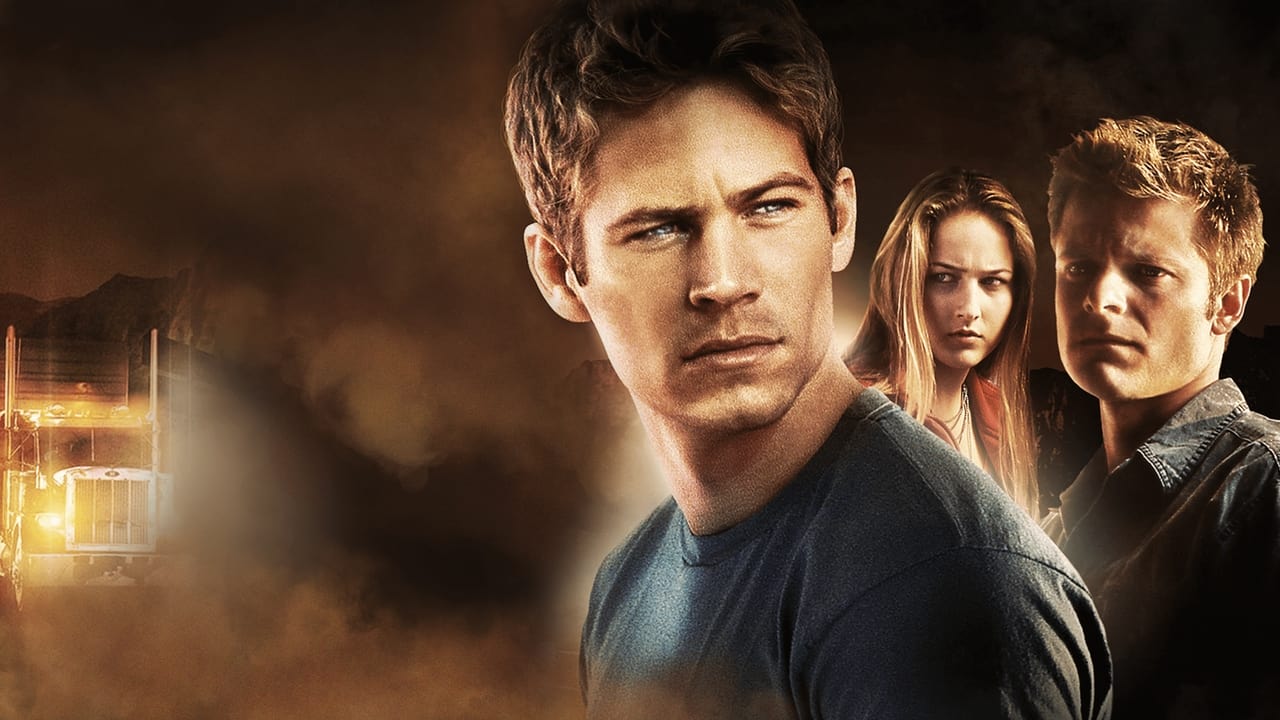
For those of us who grew up with the DVD culture of the early 2000s, Joy Ride was a bit of a legend. The disc was famous for including four or five different endings, some of which were wildly more elaborate (and arguably worse) than the theatrical cut. The ending they chose—the one involving a motel room, a shotgun, and a very tense phone call—is the right one. It keeps the drama centered on the brothers’ survival and the psychological toll of their "joke."
One thing that hasn't aged quite as well is the "damsel" treatment of Venna. While Leelee Sobieski does her best with the role, she’s primarily there to be the prize or the hostage. But even with that limitation, the chemistry between the three leads feels genuine. They look like kids who are way out of their depth, and when they finally realize the "joke" is over, the shift in tone is genuinely harrowing.
If you’re looking for a sharp, mid-budget thriller that doesn’t rely on CGI or world-ending stakes, this is a top-tier choice. It’s a reminder of a time when Hollywood could still turn out a tight 97-minute suspense film that cared as much about the relationship between its leads as it did about the car chases. It’s the perfect movie to watch on a rainy Tuesday night—just make sure you aren't planning a long-distance road trip the next morning. You might find yourself turning off the radio and staring just a little too closely at the headlights in your rearview mirror.
Keep Exploring...
-

The Manchurian Candidate
2004
-
Courage Under Fire
1996
-
Breakdown
1997
-
Kiss the Girls
1997
-
Wild Things
1998
-
Arlington Road
1999
-

The Gift
2000
-
Gosford Park
2001
-
Original Sin
2001
-
The Pledge
2001
-
The Forgotten
2004
-
The Jacket
2005
-
Inland Empire
2006
-
Conspiracy Theory
1997
-
Double Jeopardy
1999
-
What Lies Beneath
2000
-
Spider
2002
-
Basic
2003
-
Caché
2005
-

Revolver
2005