Jurassic Park III
"New island. New rules. Bigger teeth."
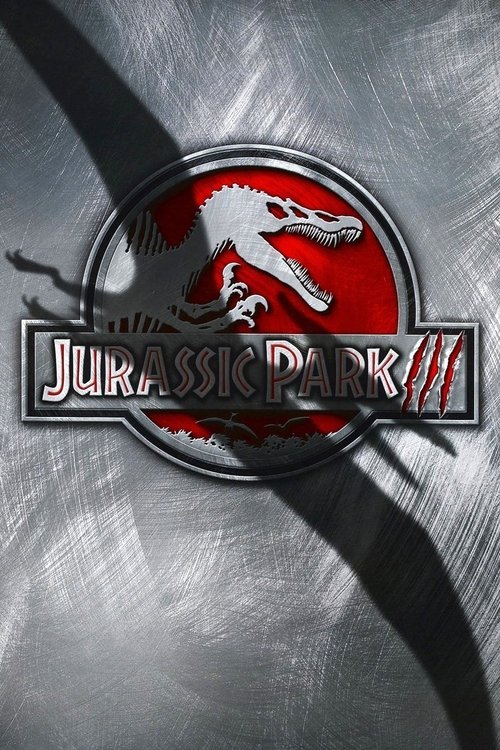
By the summer of 2001, the Jurassic formula was in desperate need of a localized extinction event. Steven Spielberg had moved on to the cerebral shadows of A.I. Artificial Intelligence, handing the reins of the world's most profitable reptile farm to Joe Johnston. The result wasn't a sprawling epic or a cautionary tale about the hubris of man. Instead, Jurassic Park III arrived as a lean, 92-minute "slasher movie with dinosaurs." It’s the shortest entry in the franchise, and looking back, its refusal to be "important" is exactly why it remains such a breezy, rewatchable curiosity.
I watched this most recently on a Tuesday afternoon while eating a lukewarm bowl of leftover pad thai, and honestly, the Spinosaurus roar really improved the flavor profile of the bean sprouts.
The B-Movie with an A-List Budget
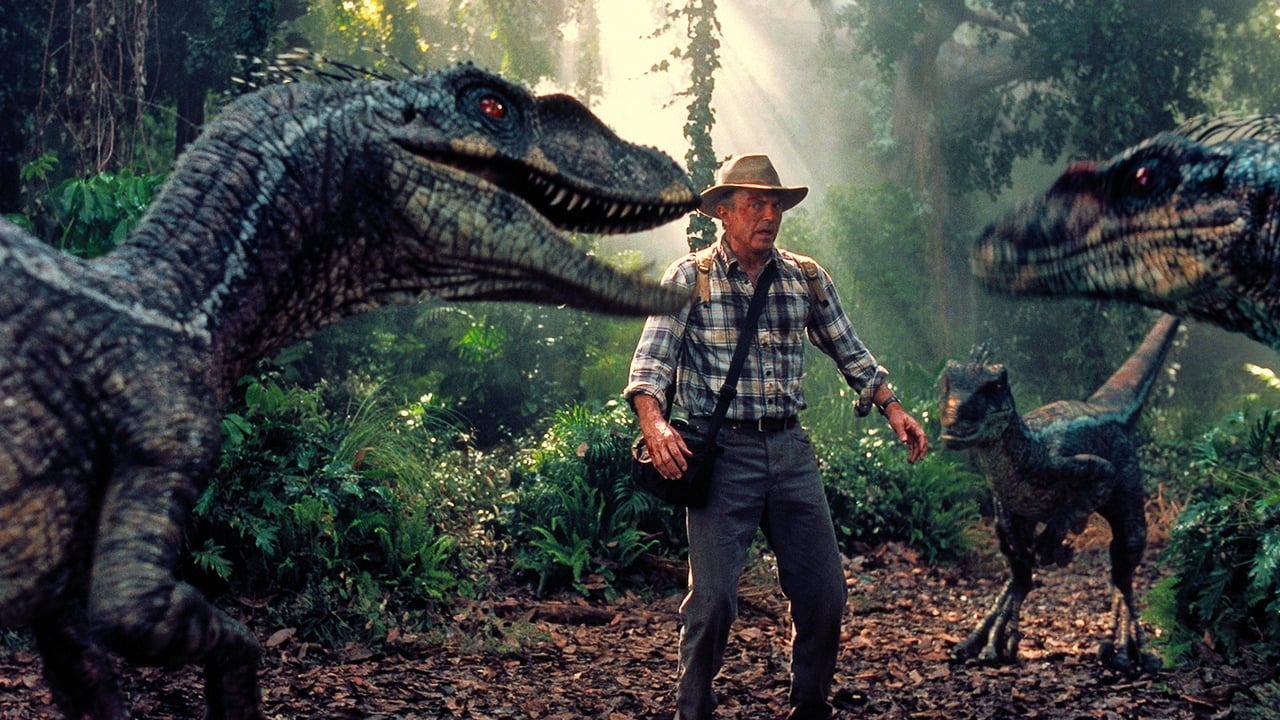
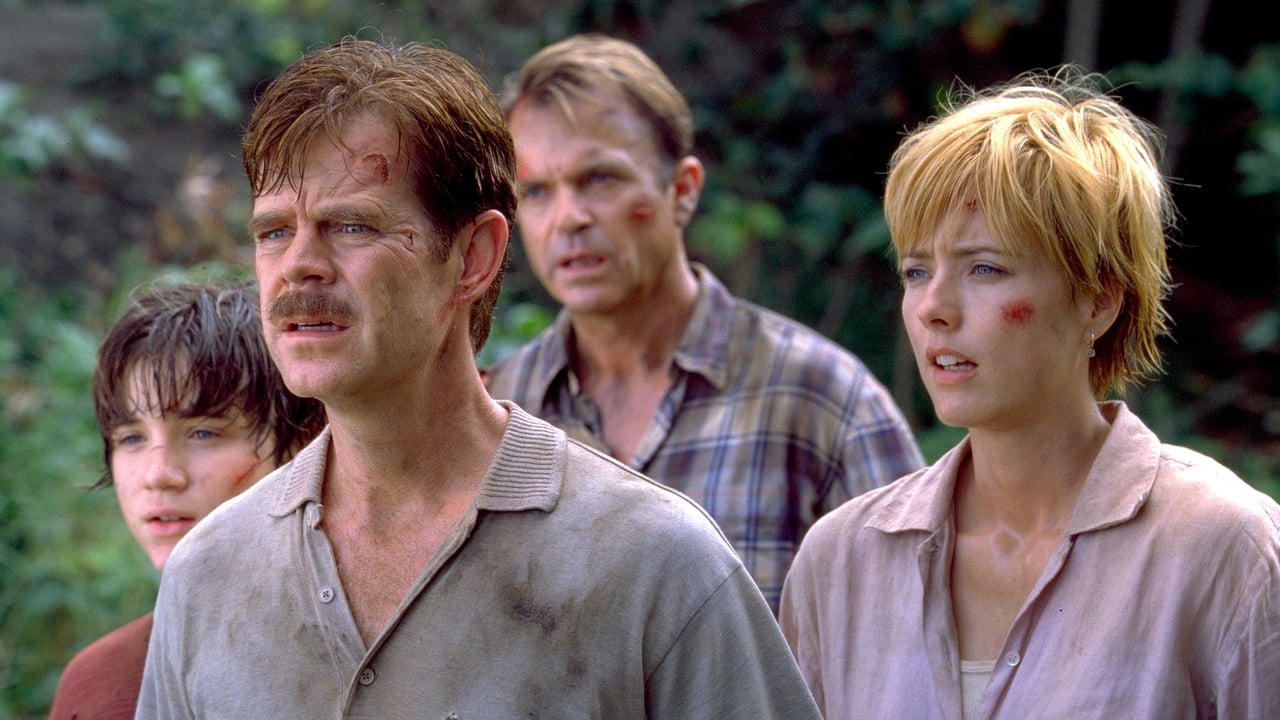
Dr. Alan Grant (Sam Neill) is back, and he’s tired. You can see it in the way he adjusts his fedora; he’s a man who just wants to dig up bones in peace without being chased by the real thing. But research money is tight, and when a "wealthy" couple, Paul and Amanda Kirby (William H. Macy and Téa Leoni), offers him a blank check for an aerial tour of Isla Sorna, he ignores his better judgment. Of course, the Kirbys aren't millionaires; they’re middle-class parents on a desperate, illegal rescue mission for their stranded son, Eric (Trevor Morgan).
There is something refreshingly grounded about the Kirbys. Unlike the billionaire dreamers of the previous films, they are just annoying, panicked people who have no business being on a dinosaur island. Téa Leoni spends a significant portion of the film screaming into a megaphone—a move that is scientifically proven to attract every predator within a five-mile radius—and William H. Macy brings a frantic, "dad-in-over-his-head" energy that feels surprisingly human. The Kirbys are essentially every tourist you’ve ever wanted to yell at in a national park.
Practical Magic and Digital Transitions
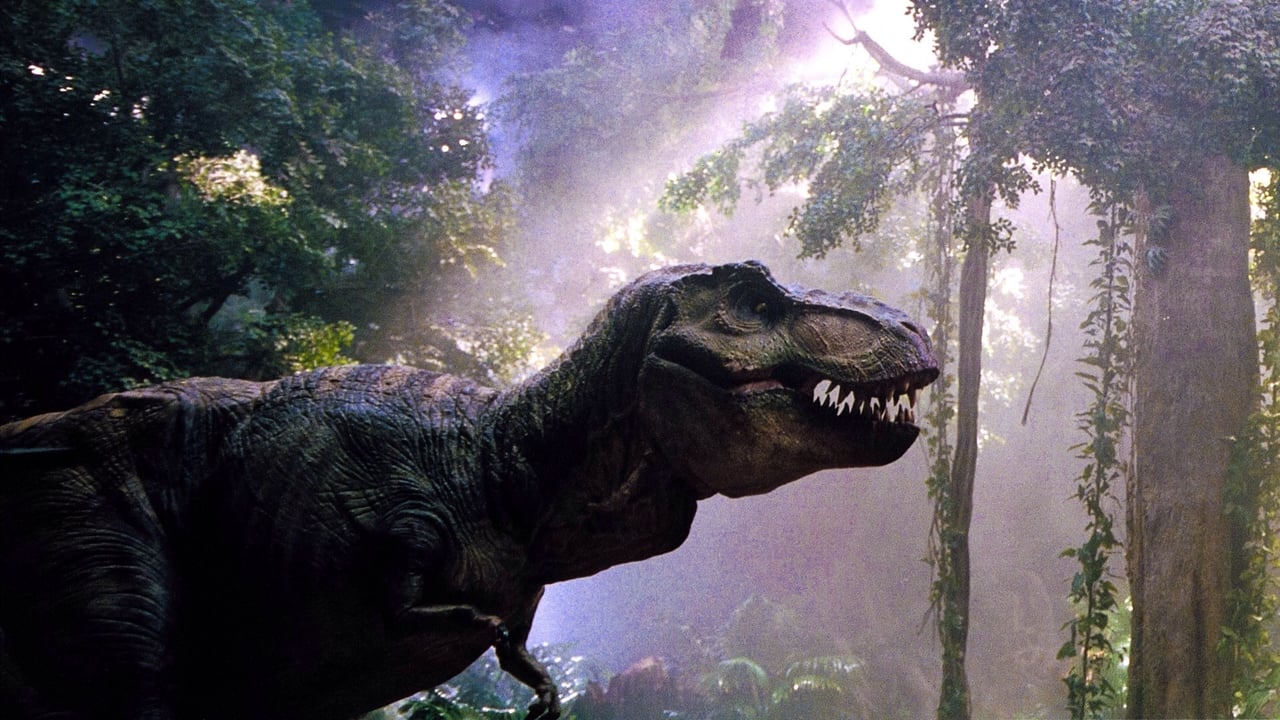
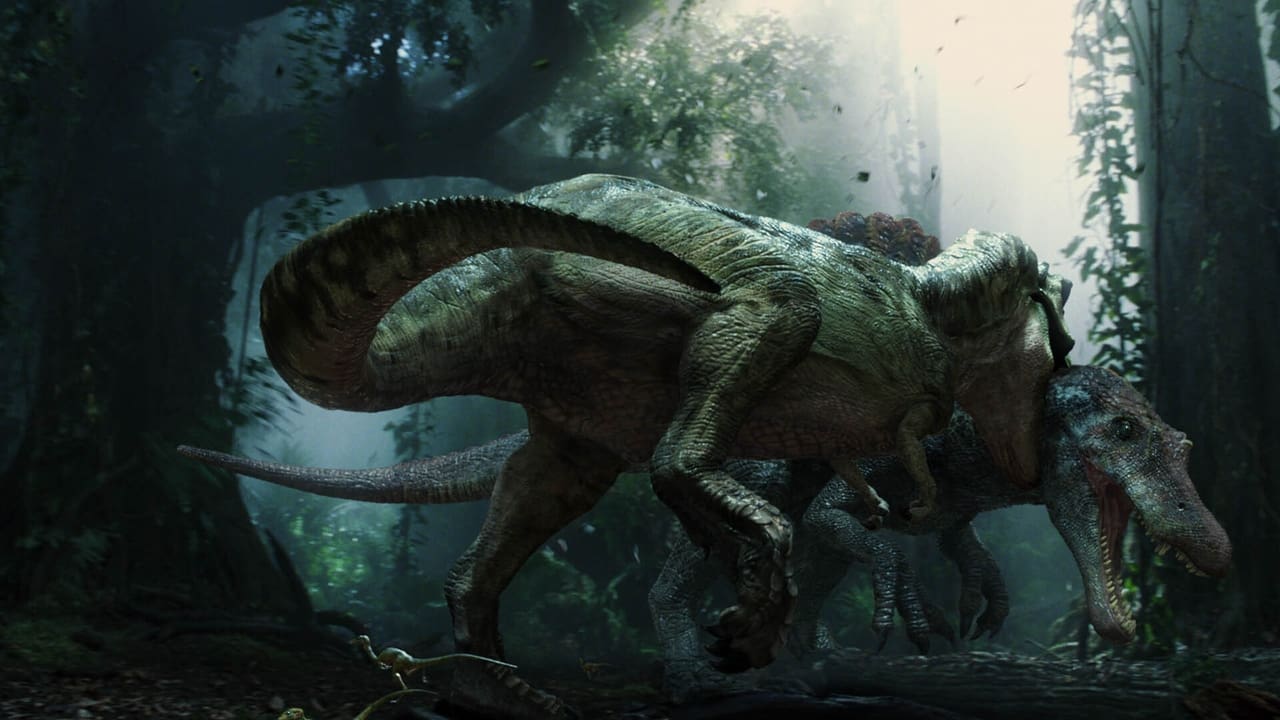
Released during the peak of the CGI revolution, Jurassic Park III sits at a fascinating technological crossroads. This was a time when Industrial Light & Magic was pushing the boundaries of digital textures, but the legendary Stan Winston was still building massive, hydraulic-powered puppets. The Spinosaurus, the film's new apex predator, was the largest animatronic ever built at the time—a 12-ton, 45-foot-long beast that could literally eat a T-Rex.
The film's most controversial moment occurs early on: the Spinosaurus kills a Tyrannosaurus Rex in a brief, brutal skirmish. The T-Rex's death was the ultimate middle finger to our 1993 childhood nostalgia. It signaled that the rules had changed, even if fans are still arguing about the physics of that neck-snap on Reddit today.
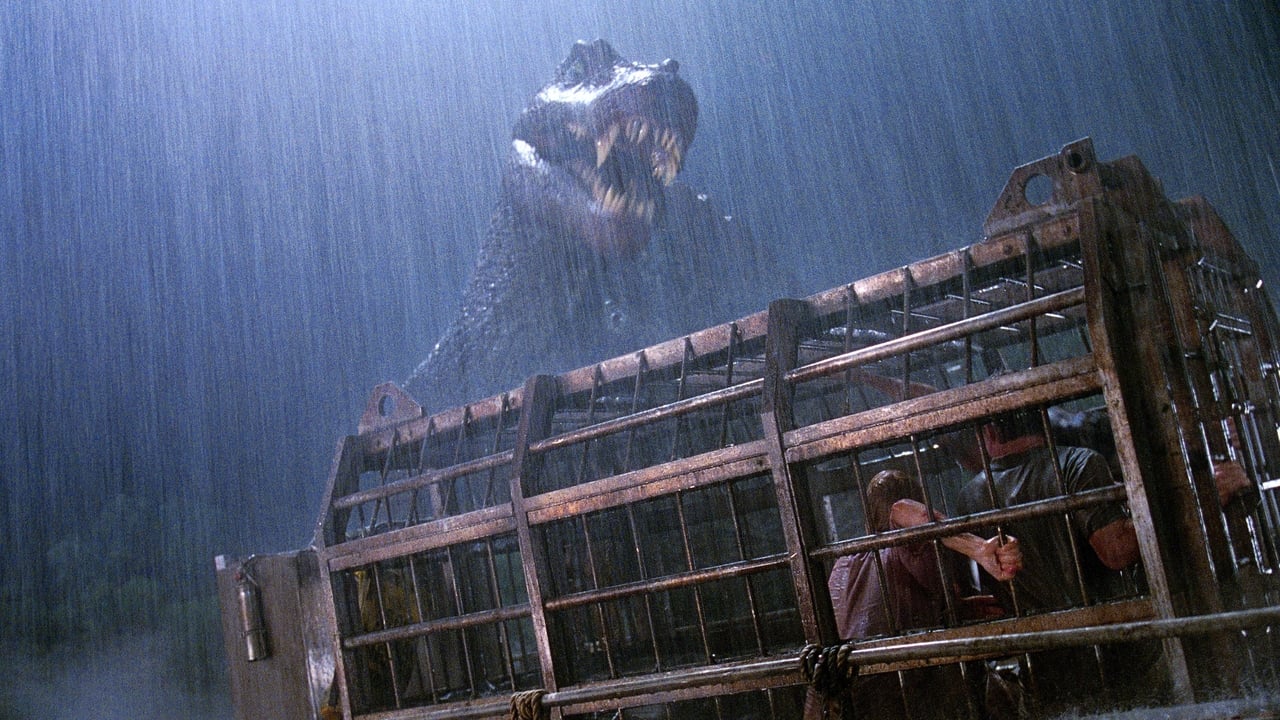
The action choreography here is tighter and more claustrophobic than in The Lost World. The "Bird Cage" sequence, featuring the Pteranodons emerging from the fog, is genuinely eerie and well-paced. Johnston (who directed The Rocketeer and later Captain America: The First Avenger) has a knack for clear, kinetic geography. You always know where the characters are in relation to the teeth. Unlike the "shaky cam" era that would soon follow, the cinematography by Shelly Johnson keeps the carnage visible and impactful.
The Script That Didn't Exist
One of the wildest bits of trivia about this production is that they began filming without a finished script. Original writers Alexander Payne and Jim Taylor—better known for witty satires like Election and Sideways—contributed to the early drafts, but the production was plagued by constant revisions. They famously scrapped a complex "rescue on the mainland" plot at the last minute, opting for the simpler "lost in the woods" survival story we see on screen.
Despite the chaotic behind-the-scenes process, the film turned a massive profit. With a budget of $93 million, it stomped its way to $368 million worldwide. It wasn't the cultural earthquake of the 1993 original, but it proved the brand was bulletproof. It also featured the debut of the "talking Raptor" in Alan Grant's dream—a moment so bizarre and meme-worthy that it remains a core memory for anyone who saw it in theaters. "Alan!" says the Raptor, and suddenly we were all wondering if the franchise had finally jumped the (prehistoric) shark.
Looking back, the film’s biggest strength is its lack of pretension. It doesn't try to explain the ethics of cloning or the chaos of the universe. It just gives you Alessandro Nivola stealing Raptor eggs and a satellite phone ringing inside the stomach of a dinosaur. It’s a Saturday morning cartoon with world-class special effects.
Jurassic Park III is the cinematic equivalent of a roller coaster that's a little too short—you’re slightly disappointed when it ends, but you’d probably get right back in line. It treats its dinosaurs as monsters rather than majestic creatures, which strips away the wonder but cranks up the adrenaline. It’s not a masterpiece, but it’s a lean, mean survival thrill-ride that knows exactly what it is. If you can forgive the Kirbys for their screaming, there’s a lot of fun to be found in the fog of Isla Sorna.
Keep Exploring...
-

The Lost World: Jurassic Park
1997
-
Jurassic World
2015
-
Jurassic World: Fallen Kingdom
2018
-

Jurassic World Rebirth
2025
-
Jurassic Park
1993
-
Jurassic World Dominion
2022
-
Armageddon
1998
-
Planet of the Apes
2001
-

The Matrix Reloaded
2003
-

Captain America: The First Avenger
2011
-

The Rocketeer
1991
-
Star Trek: Generations
1994
-
Escape from L.A.
1996
-
The Saint
1997
-
Star Trek: Insurrection
1998
-
Final Fantasy: The Spirits Within
2001
-
Star Trek: Nemesis
2002
-

Paycheck
2003
-
The Matrix Revolutions
2003
-
Sky Captain and the World of Tomorrow
2004