Lara Croft: Tomb Raider
"High-stakes archaeology with a side of techno-industrial flair."
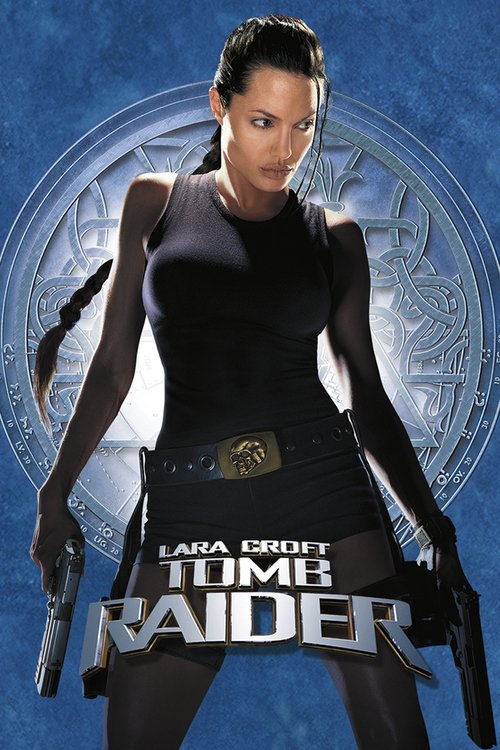
There was a specific moment in 2001 when the collective pop-culture consciousness decided that the only person capable of breathing life into a handful of low-polygon triangles was Angelina Jolie. Looking back, the sheer weight of expectation on this film was staggering. It wasn't just a movie; it was the first real attempt to see if a female-led video game franchise could survive the meat grinder of a $115 million Hollywood budget. I watched this again on a Tuesday night while trying to fix a leaky faucet, and I’m pretty sure the aggressive techno soundtrack is the reason I ended up stripping the screw.
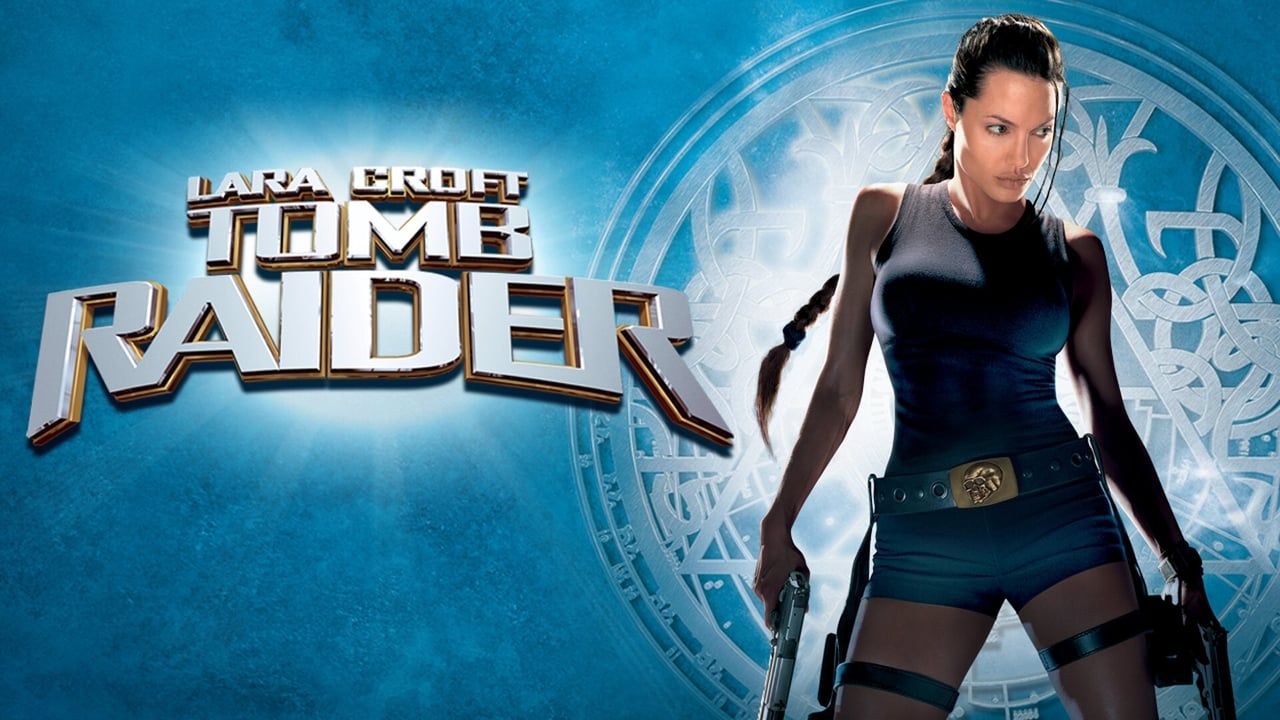
The Bungee Ballet and Practical Chaos
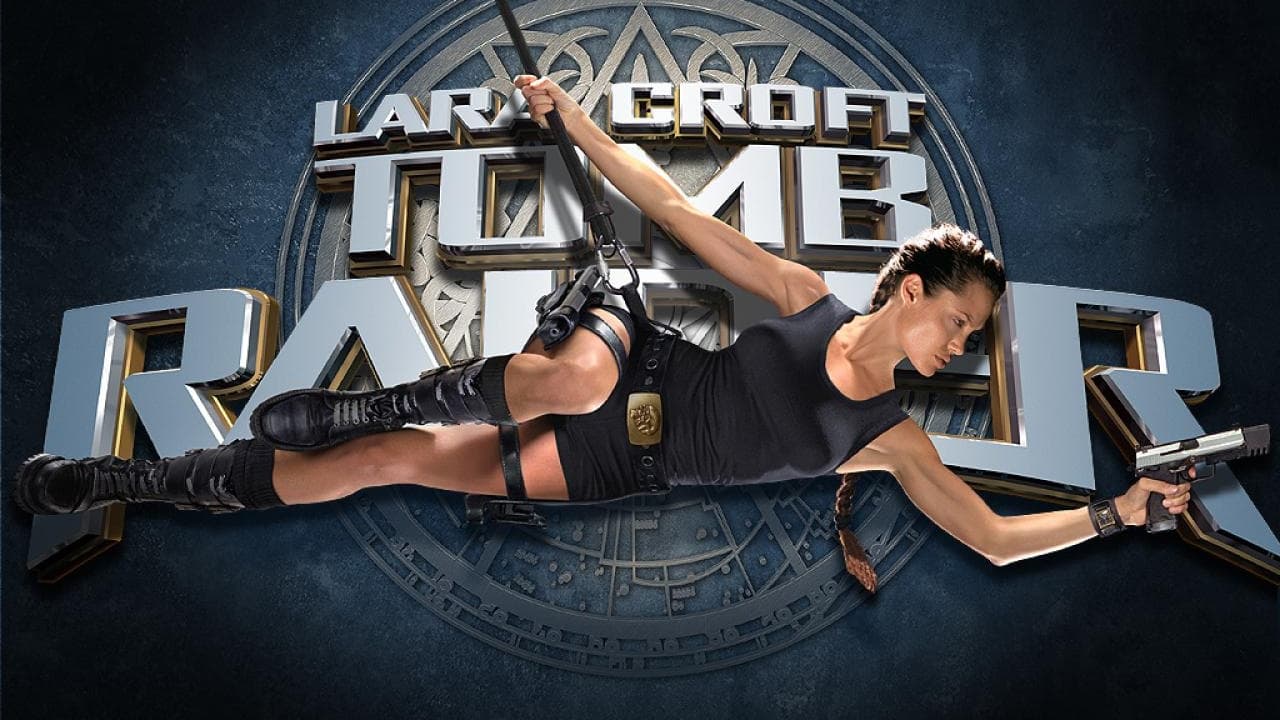
Director Simon West, fresh off the high-octane absurdity of Con Air (1997), brought a very specific "turn it up to eleven" energy to Lara Croft: Tomb Raider. While we often mock the early 2000s for its over-reliance on crunchy, primitive CGI, this film actually boasts some remarkably tactile stunt work. The "Bungee Ballet" sequence in Croft Manor remains the film’s high-water mark. Seeing Angelina Jolie—who famously performed many of her own stunts—flipping through the air on silk cords while gunning down mercenaries is a masterclass in staging. It’s physical, it’s rhythmic, and it has a weight that today’s green-screen-heavy blockbusters often lack.
The action choreography feels like a transitional fossil. We’re moving away from the gritty, hand-to-hand grime of the 80s and toward the hyper-stylized, "wire-fu" influenced era of The Matrix (1999). Every shootout is punctuated by a drum-and-bass beat that screams Y2K tech-anxiety. Jolie’s Lara doesn't just walk; she struts through environments that feel like they were carved out of solid rock. The production design by Kirk M. Petruccelli is surprisingly lush—the Cambodian temple scenes at Angkor Wat aren't just sets; they’re atmospheric playgrounds that give the film a much-needed sense of scope.
A Scoundrel Named Bond and Real-Life Tension
The casting here is a fascinating time capsule. Long before he was reinventing 007 in Casino Royale (2006), Daniel Craig was playing Alex West, a rival tomb raider with a dubious American accent and the kind of rugged smirk that suggested he knew exactly what kind of movie he was in. His chemistry with Jolie is fueled by a "we definitely have a history" vibe that the script never bothers to explain, and frankly, it’s better for it. Iain Glen, years before becoming the eternally friend-zoned Jorah Mormont in Game of Thrones, chews the scenery with polished villainy as Manfred Powell.
But the real meta-hook is the appearance of Jon Voight as Lord Richard Croft. Casting Jolie’s actual father to play her onscreen father, especially given their historically strained relationship, adds a layer of genuine melancholy to their scenes together. When Lara cries over a letter from her father, you aren't just watching a performance; you’re watching a daughter process real-world baggage. It’s the one grounded element in a film where the Illuminati plot makes about as much sense as a screen door on a submarine.
The Junk Food of Genre Cinema
Let’s be honest: this movie is essentially a high-budget perfume commercial with a body count. The plot, involving the "Triangle of Light" and a planetary alignment that happens every 5,000 years, is pure MacGuffin soup. It’s the kind of logic where characters find ancient artifacts by shooting a floor with a machine gun. Yet, there’s a stubborn charm to its commitment to the aesthetic. The DVD era was peak "Special Features" culture, and I remember losing hours to the behind-the-scenes featurettes showing Jolie’s intense training regime, which involved kickboxing, canoeing, and weapon handling.
Interestingly, the film was a massive hit but was savaged by critics who wanted Indiana Jones. What they missed was that Tomb Raider wasn’t trying to be Raiders of the Lost Ark. It was trying to be a live-action comic book. It’s a cult classic today because it represents the pinnacle of that glossy, leather-clad, pre-MCU era of filmmaking where the "cool factor" was the primary currency. Turns out, the fans were right—Angelina Jolie didn't just play Lara Croft; she claimed the character so effectively that every iteration since has lived in her shadow.

Stuff You Didn't Notice
Real Heat: During the Cambodia shoot, the crew had to deal with intense humidity and the threat of unexploded landmines in the surrounding jungle. The Robot: The training robot S.I.M.O.N. was named after director Simon West, and its clunky, practical movements were achieved through a mix of puppetry and early robotics. Hiding Tattoos: The makeup department spent hours every day covering Jolie's numerous tattoos with heavy greasepaint to maintain Lara’s "aristocratic" look. The Land Rover: Lara’s custom Land Rover Defender was so popular that the company actually released a limited "Tomb Raider" edition of the vehicle. * Casting Chaos: Before Jolie was cast, names like Denise Richards, Rhona Mitra, and even Jennifer Love Hewitt were floated for the role.
Lara Croft: Tomb Raider is a loud, gorgeous, and frequently nonsensical artifact of the turn of the millennium. It’s the perfect film for a rainy Saturday afternoon when you want to see someone kick a stone statue in the face while a techno beat drops. It doesn't offer deep thematic resonance, but it offers a singular star performance that redefined the female action hero for the 21st century. Grab some snacks, ignore the physics, and just enjoy the ride.

Keep Exploring...
-

Lara Croft: Tomb Raider - The Cradle of Life
2003
-
DragonHeart
1996
-
The Scorpion King
2002
-
Small Soldiers
1998
-
Reign of Fire
2002
-
The Brothers Grimm
2005
-
Con Air
1997
-
Last Action Hero
1993
-

10,000 BC
2008
-
The Mummy: Tomb of the Dragon Emperor
2008
-
Night at the Museum: Battle of the Smithsonian
2009
-
Prince of Persia: The Sands of Time
2010
-
The Sorcerer's Apprentice
2010
-
Thor
2011
-
The Expendables 2
2012
-

Wrath of the Titans
2012
-
Jack the Giant Slayer
2013
-
Mighty Joe Young
1998
-

Mystery Men
1999
-
Final Fantasy: The Spirits Within
2001