Legally Blonde
"What, like it’s hard?"
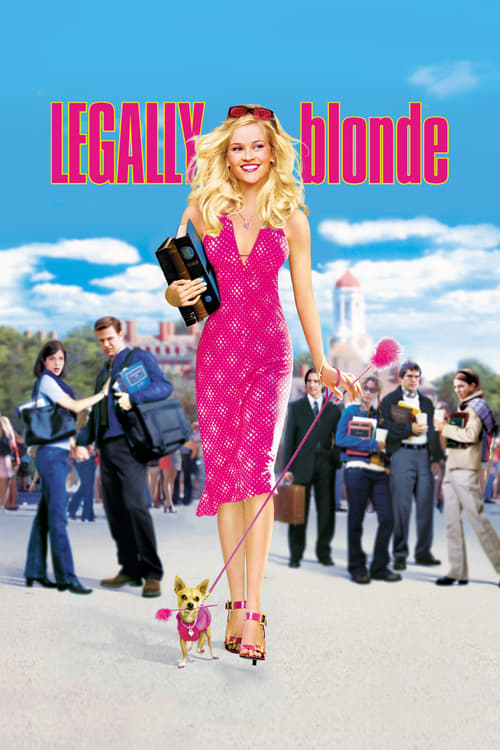
The first time I saw the poster for Legally Blonde, I dismissed it as another piece of early-2000s fluff designed to sell glittery lip gloss and soundtrack CDs. I was deep in my "serious cinema" phase, probably rewatching Memento and pretending I understood every timeline jump. But then I actually sat down to watch it, and I realized I’d fallen for the same trap the characters in the movie do: I judged the book by its hot-pink, scented cover.

Looking back from a couple of decades away, Legally Blonde isn’t just a "chick flick"—a term that feels increasingly dusty and reductive. It’s a surgical strike against the "serious" establishment, led by a performance so charismatic it practically has its own gravitational pull. Reese Witherspoon didn’t just play Elle Woods; she constructed a cultural icon out of sheer perkiness and a 179 LSAT score.
The Subversive Power of Pink
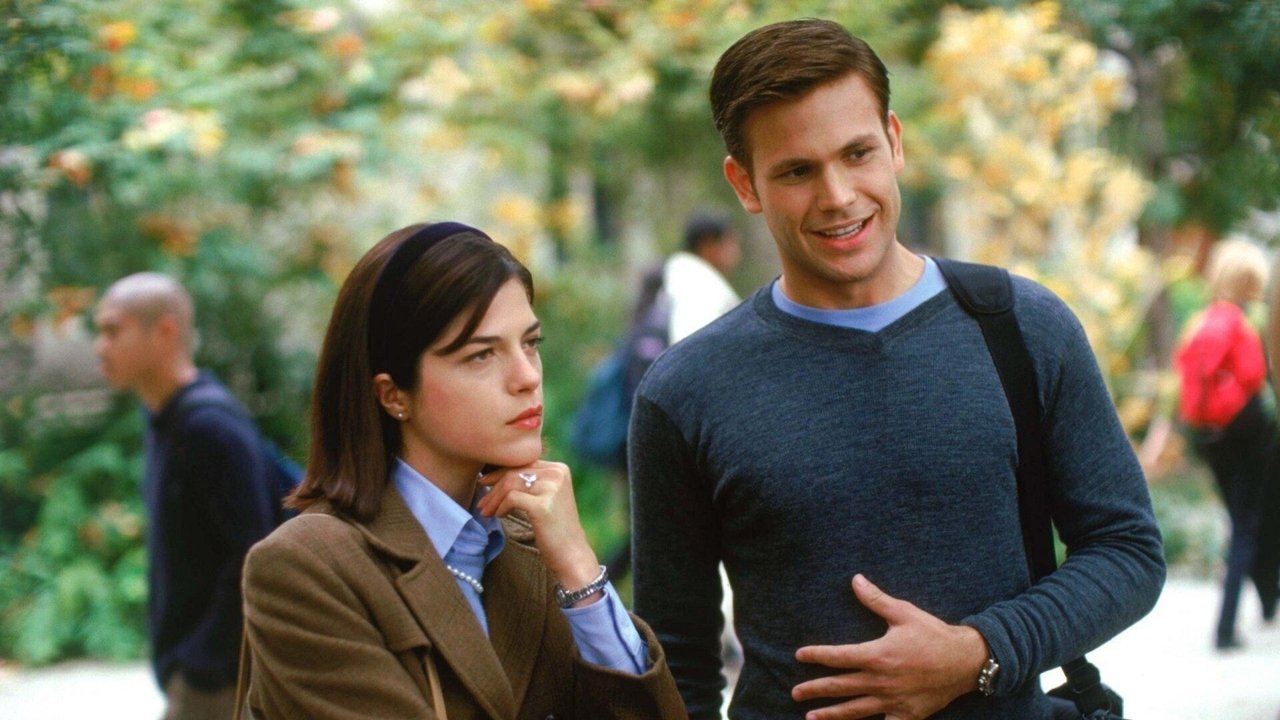
The plot is a classic fish-out-of-water setup. Elle Woods, a sorority president with a degree in Fashion Merchandising, gets dumped by her boyfriend, Warner Huntington III (Matthew Davis), because he needs someone "serious" for his future political career at Harvard Law. Warner is effectively a human beige cardigan, a man so blandly ambitious he can’t see the absolute powerhouse standing in front of him in a sequined bikini.
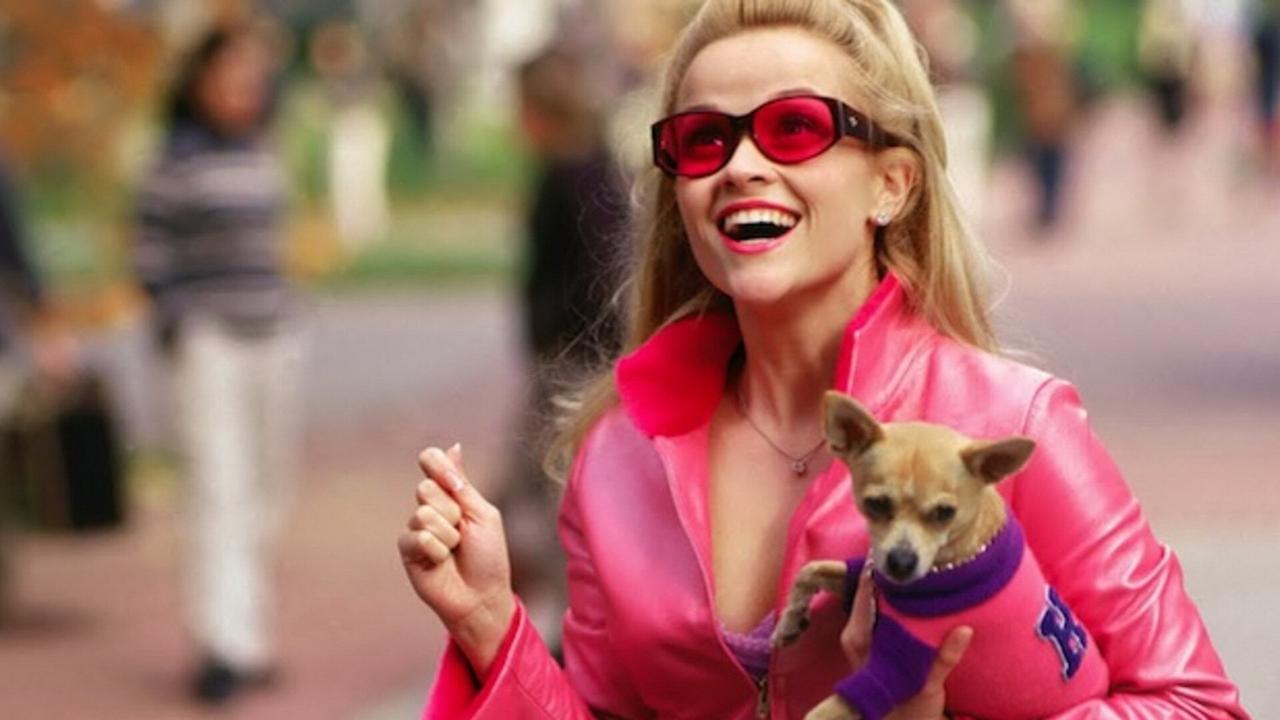
What I love about this movie is that it refuses to make Elle "trade up" her personality to succeed. Usually, these stories involve a makeover where the girl takes off her glasses, puts her hair in a bun, and starts quoting Plato. Elle does the opposite. She brings her fluffy pens, her Chihuahua, Bruiser, and her unwavering belief in the "sisterhood" to the hallowed, dark-wood halls of Harvard.
Director Robert Luketic (who later gave us 21) and the screenwriting duo Kirsten Smith and Karen McCullah—the same minds behind the sharp 10 Things I Hate About You—treat Elle’s world with genuine respect. When she solves a murder case because of her specialized knowledge of perm maintenance, it’s not just a gag; it’s a victory for specialized knowledge everywhere. I once watched this film on a Tuesday afternoon while trying to fix a leaking sink with a YouTube tutorial and a pair of pliers, and Elle’s "can-do" attitude actually convinced me I could finish the job (I couldn't, but the inspiration was there).
A Snapshot of the DVD Era
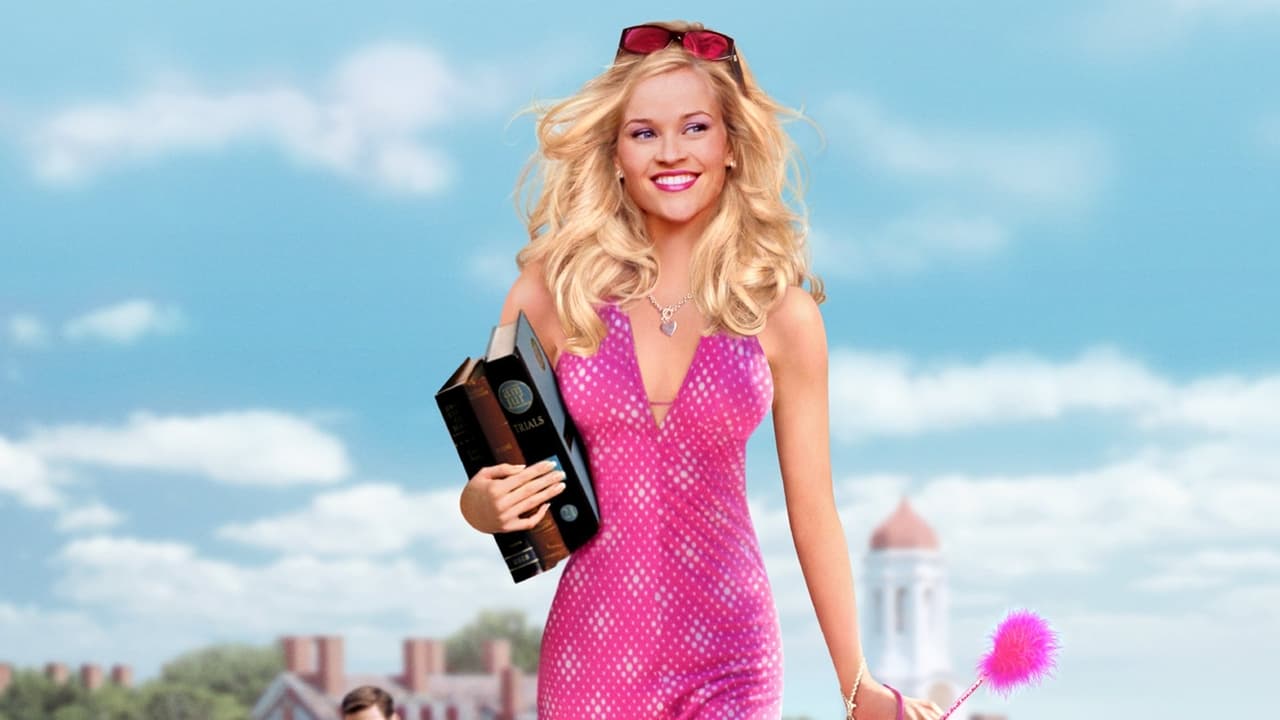
Legally Blonde arrived right at the peak of the DVD boom. I remember the "Special Edition" disc being a staple in every collection, featuring those neon-pink menus and behind-the-scenes featurettes that showed just how much work went into the aesthetic. Apparently, Reese Witherspoon had it written into her contract that she got to keep all 60 of her costumes, which is perhaps the most Elle Woods power move in Hollywood history.
The film also captures that weird, optimistic pocket of 2001—pre-9/11, where the biggest anxiety in a comedy was whether you could get into an Ivy League school to spite an ex. It’s brightly lit, pop-saturated, and unashamedly hopeful. The cinematography by Anthony B. Richmond (who, bizarrely, also shot the gritty Don’t Look Now) gives the whole thing a high-gloss sheen that makes the Harvard campus look like a high-end country club.
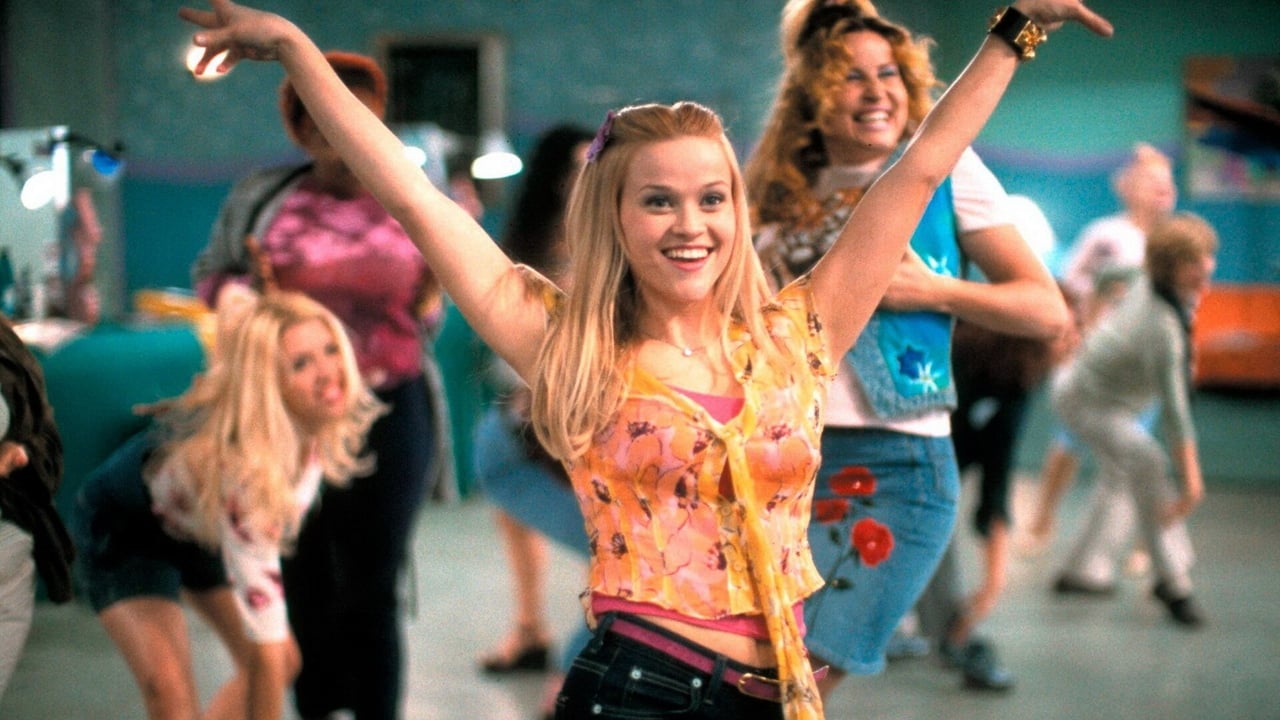
The supporting cast is an embarrassment of riches. Luke Wilson is the perfect "low-stakes" romantic lead, playing Emmetten Richmond with a grounded, slightly tired energy that balances Elle’s high-octane vibrance. Then there’s Jennifer Coolidge as Paulette. Every time she’s on screen, the movie threatens to turn into a different, much weirder comedy, and I’m here for it. Her "Bend and Snap" sequence wasn't just a funny bit; it became a genuine cultural shorthand. Interestingly, that whole sequence was originally planned as a full-blown musical number, but they scaled it back to the version we know today.
Breaking the Gavel
While the film was a massive hit—raking in over $140 million on a modest $18 million budget—its real legacy is how well it holds up as a piece of comedic construction. The "hit-to-miss" ratio on the jokes is incredibly high. Whether it’s Elle’s video essay for Harvard (shot by a young Robert Luketic) or her casual dismissal of a predatory professor, the timing is impeccable.
It’s also a rare film that manages to be a "feminist" text without ever using the word. Elle doesn't hate the "other woman," Vivian (Selma Blair); she eventually befriends her. She doesn't take down the villainous Victor Garber (Professor Callahan) by being "manly"—she does it by being better at the law than he is, while wearing a dress that would make a Barbie doll jealous.
Looking back, the film’s only real "dated" moments are the tech—the bulky laptops and the lack of social media. But the core of the story, about the frustration of being underestimated by people who think they’re the smartest in the room, is evergreen.
Legally Blonde is a reminder that comedies don't have to be cynical to be smart. It’s a film that genuinely likes its protagonist, and that affection is infectious. It’s the ultimate "comfort movie" that actually has something to say about integrity and the ridiculousness of social hierarchies. If you haven't revisited it since the days of Blockbuster rentals, give it another look—it’s much sharper than you remember.
Keep Exploring...
-
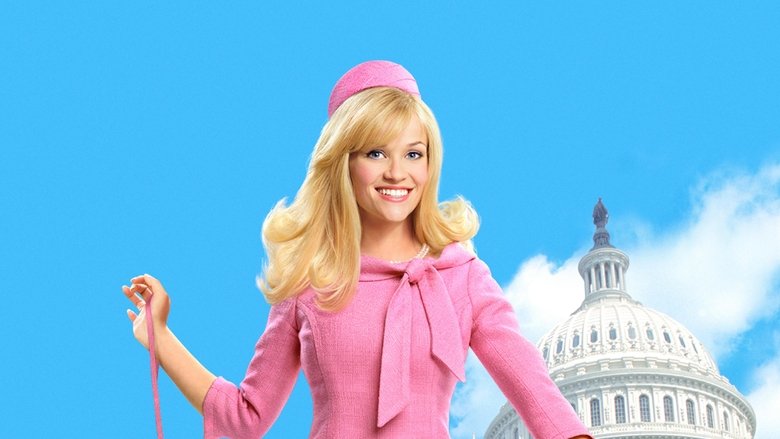
Legally Blonde 2: Red, White & Blonde
2003
-

The Ugly Truth
2009
-

Monster-in-Law
2005
-
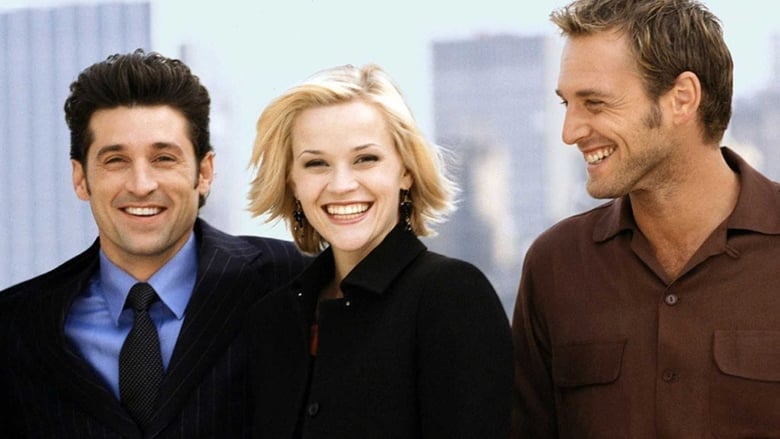
Sweet Home Alabama
2002
-
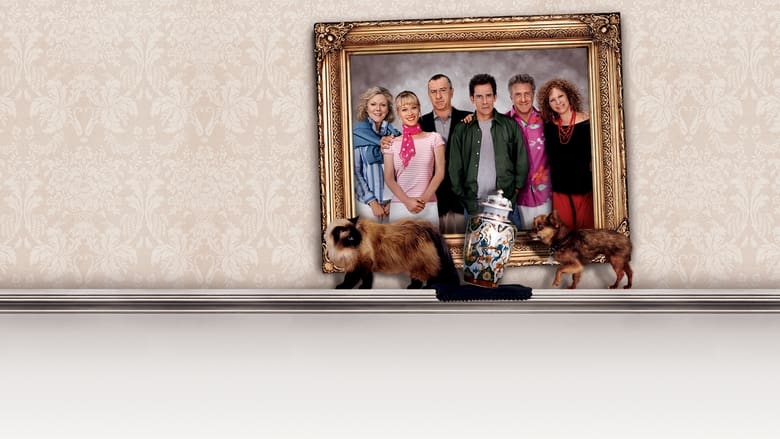
Meet the Fockers
2004
-
My Best Friend's Wedding
1997
-
Shakespeare in Love
1998
-
The Wedding Singer
1998
-

There's Something About Mary
1998
-
10 Things I Hate About You
1999
-
American Pie
1999
-

She's All That
1999
-
Chocolat
2000
-
American Pie 2
2001
-

Shallow Hal
2001
-
The Princess Diaries
2001
-
About a Boy
2002
-
Freaky Friday
2003
-
Along Came Polly
2004
-

Sideways
2004