Monster's Ball
"Grief finds a way to breathe."
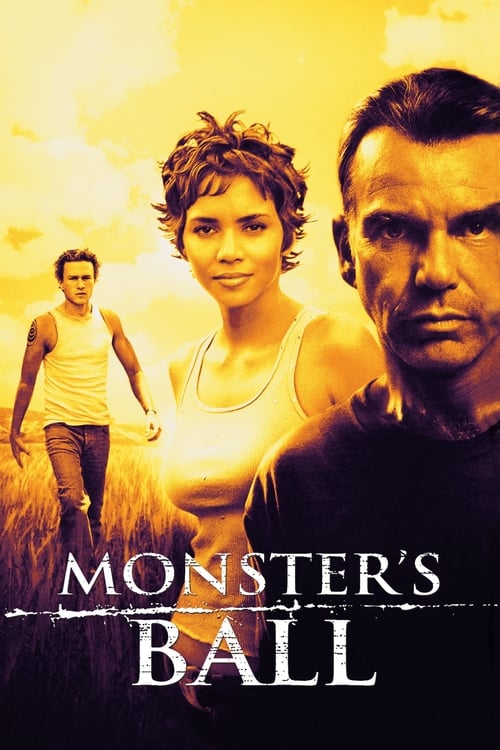
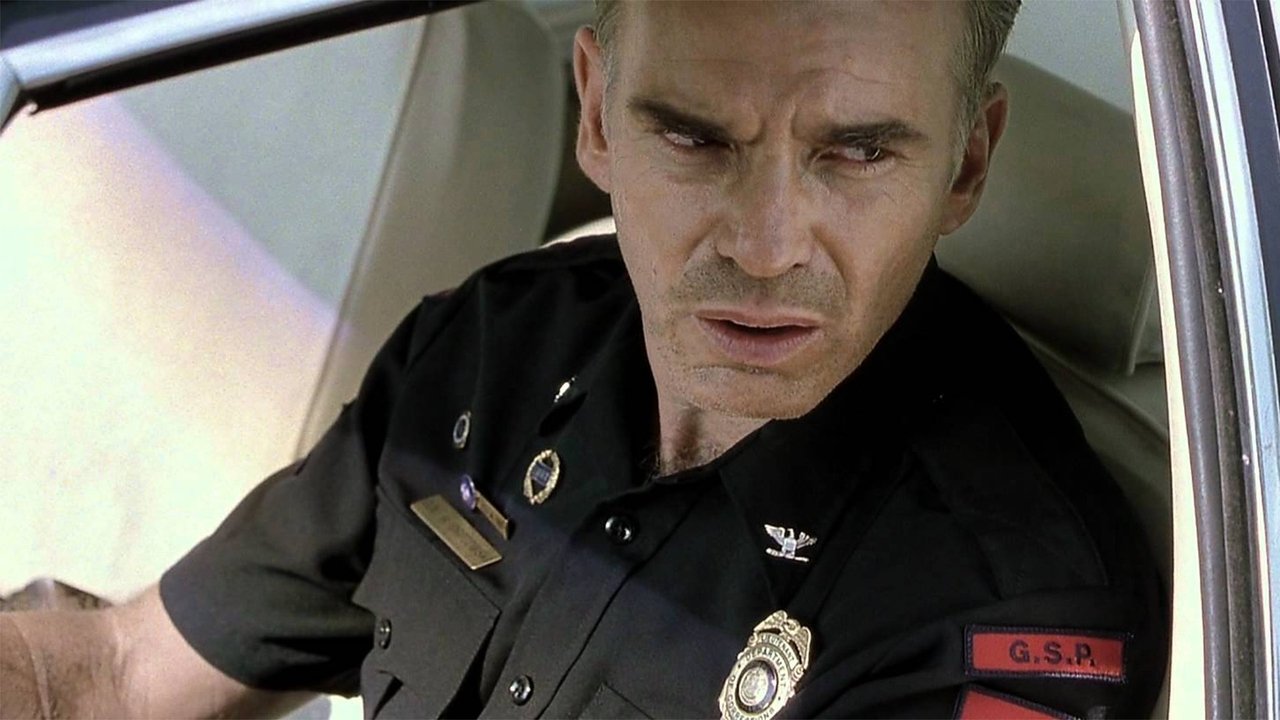
There is a specific kind of Southern silence that feels less like peace and more like a heavy wool blanket soaked in gasoline. It’s the kind of quiet Billy Bob Thornton wears like a second skin in Monster’s Ball. I remember watching this for the first time on a grainy DVD I borrowed from a library while eating a slightly freezer-burned pint of Phish Food, and the movie's bleakness made the chocolate taste like ash. It’s not a "fun" movie in the popcorn-munching sense, but it is an arresting piece of early 2000s indie filmmaking that feels like it was unearthed from a time capsule of raw, uncomfortable honesty.
The $4 Million Miracle
Before he was directing Bond films like Quantum of Solace (2008) or whimsical dramas like Finding Neverland (2004), Marc Forster was a young director trying to make sense of a script that most major studios wouldn't touch with a ten-foot pole. Monster’s Ball is the quintessential "Indie Gem" of the era—a film that exists because people were willing to work for peanuts to tell a story that felt dangerous. Producer Lee Daniels (who would later give us Precious) had to scrape together a mere $4 million to get this made. To put that in perspective, the catering budget on a mid-sized blockbuster from 2001 probably cost more than this entire production.
The lack of money actually works in the film's favor. There’s no glossy Hollywood sheen here. The cinematography by Roberto Schaefer feels humid and lived-in. You can almost feel the grit of the Georgia dirt and the stale air of the Grotowski household. In an era where CGI was beginning to swallow cinema whole—The Fellowship of the Ring and Harry Potter both debuted the same year—Monster’s Ball stood as a reminder that you don't need digital trolls if you have a camera and a few actors willing to bleed for the lens.
Performances That Break the Meter
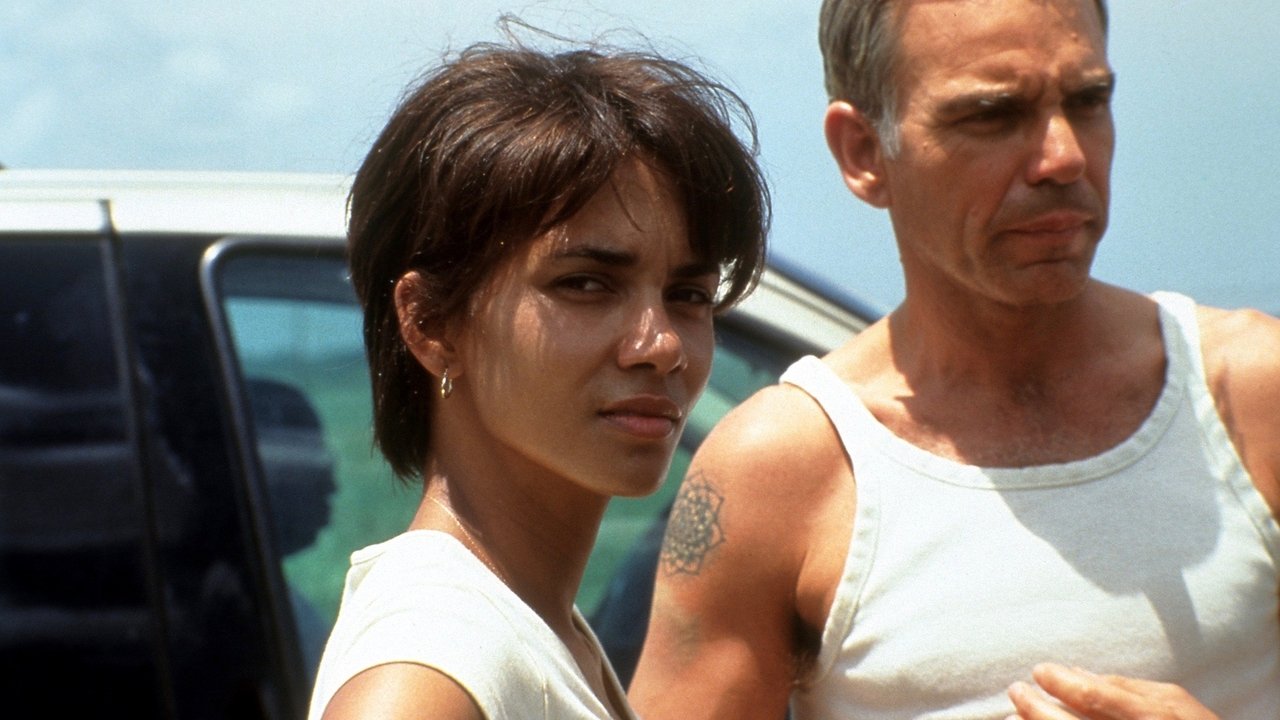
The casting here is nothing short of miraculous. Billy Bob Thornton plays Hank Grotowski, a third-generation executioner who is essentially a walking fossil of ingrained racism and emotional constipation. Thornton is the king of doing a lot with very little; his performance is all in the way he sighs or the way he eats his ice cream with a robotic, joyless precision. Then there’s Heath Ledger as his son, Sonny. Looking back, it’s a bittersweet experience to see Ledger here. He’s fragile, sweaty, and utterly heartbroken. His arc is brief but serves as the jagged catalyst for everything that follows. Ledger was just starting to prove he was more than a teen heartthrob from 10 Things I Hate About You (1999), and this role was the first real proof that he was a heavyweight.
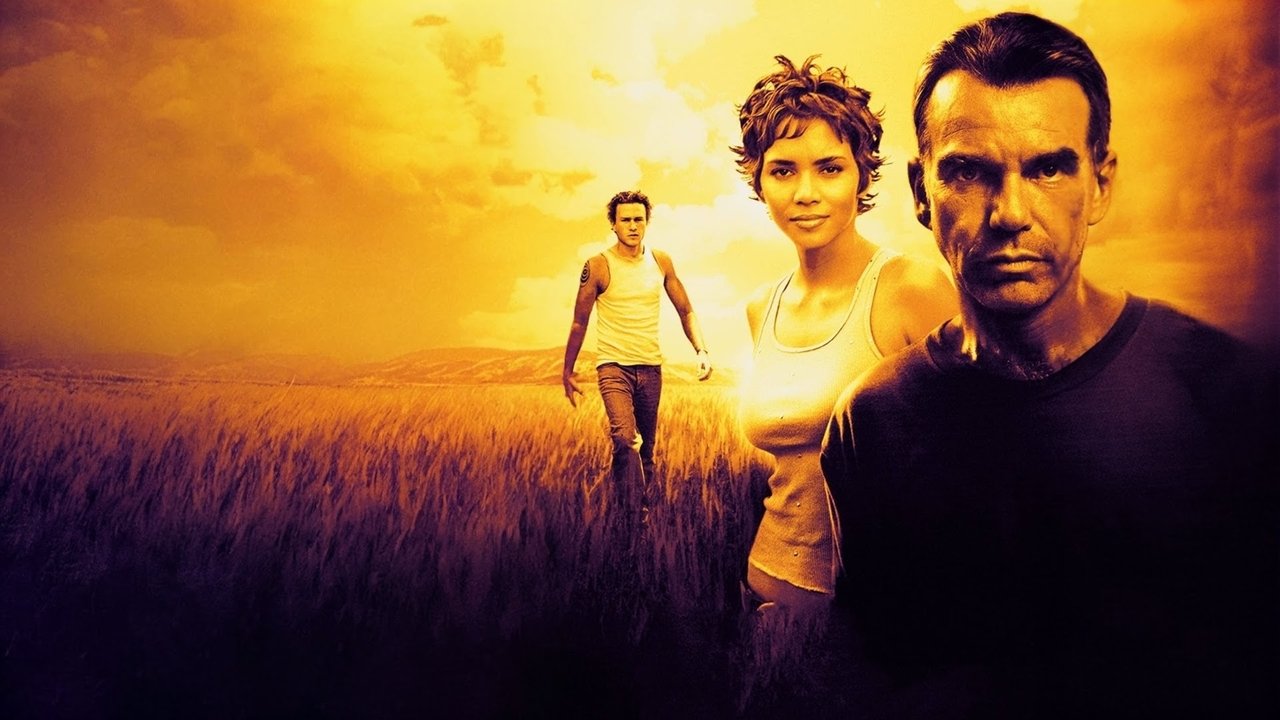
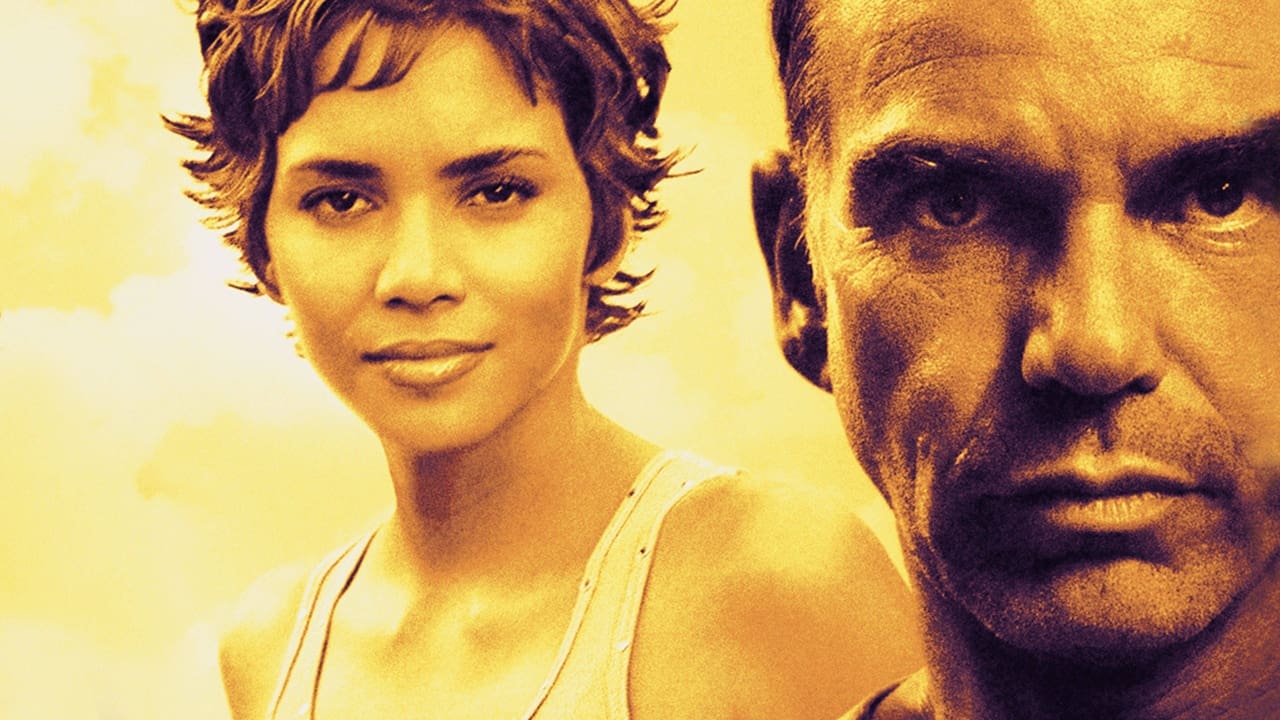
And, of course, we have to talk about Halle Berry. She won the Oscar for this, and while Academy Awards are often debatable, her win here felt like a seismic shift. As Leticia Musgrove, she is a woman drowning in a sequence of tragedies that would break anyone. Halle Berry’s performance is actually better than the script deserves, elevating what could have been a "misery porn" character into someone fiercely human. Her chemistry with Thornton is intentionally awkward and jagged. They don't fit together like puzzle pieces; they collide like two cars in a slow-motion wreck.
The Uncomfortable Truths of Connection
The plot hinges on a massive, almost theatrical coincidence: Hank is the man who oversaw the execution of Leticia’s husband (Sean Combs, surprisingly effective in a small role). Neither of them knows this when they begin their tentative, desperate romance. In the hands of a lesser director, this would feel like a cheap soap opera twist. But Forster treats it with a somber, almost religious gravity.
I’ve always felt that the "make me feel good" scene is one of the most awkward things ever committed to celluloid, yet it’s undeniably effective. It’s not about sex; it’s about two people trying to claw their way out of a dark hole of grief and finding that another person’s skin is the only thing that feels real. The film doesn't offer easy answers about racism or systemic poverty. It doesn't end with a "we are the world" montage. It suggests that change is slow, painful, and often starts with a single, quiet realization over a bowl of chocolate ice cream.

Stuff You Might Have Missed
The term "Monster's Ball" itself is a bit of old-school prison lore. It refers to the "party" or feast held by the prison guards the night before an execution. It’s a macabre detail that sets the tone for the entire film—a celebration of the end. Turns out, Halle Berry almost didn't get the part because she was considered "too beautiful" for the role of a struggling waitress. She reportedly did her own hair and makeup to look as exhausted and worn down as possible. It worked.
Also, keep an eye out for Yasiin Bey (then known as Mos Def) in a small but vital role. The early 2000s were a fascinating time for musicians crossing over into serious drama, and both he and Sean Combs bring a groundedness to the film that anchors the "small town" feel.
Monster's Ball is a difficult watch, but it’s a necessary one for anyone who appreciates the "actor's cinema" of the early 2000s. It represents a moment in time when indie films could still shock the system without having to rely on genre tropes or "elevated horror" gimmicks. It’s just people, messy and broken, trying to find a reason to wake up the next morning. If you can handle the weight, it’s a film that stays with you long after the credits crawl over the silence.
Keep Exploring...
-
Stranger Than Fiction
2006
-
Chasing Amy
1997
-
Buffalo '66
1998
-
Secretary
2002
-

Garden State
2004
-

High School Musical
2006
-

Bend It Like Beckham
2002
-
Stay
2005
-
Imagine Me & You
2006
-
Leaving Las Vegas
1995
-
Blue Valentine
2010
-

Beginners
2011
-
The First Time
2012
-
Before Midnight
2013
-
Don Jon
2013
-
The Spectacular Now
2013
-

Finding Neverland
2004
-
Lost in Translation
2003
-
Once
2007
-

The Kite Runner
2007