Moulin Rouge!
"A kaleidoscope of heart, heat, and high-fashion heartbreak."
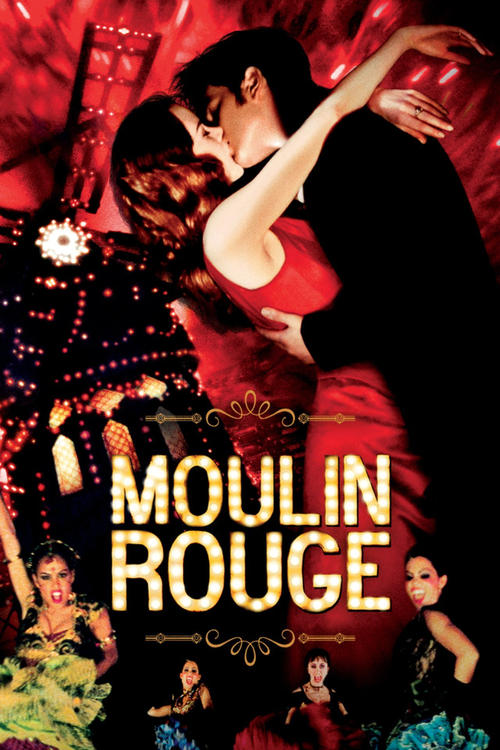
The first time I saw Moulin Rouge!, I genuinely thought my DVD player was malfunctioning or that I’d accidentally ingested far too much caffeine. The opening ten minutes are a frantic, hyper-kinetic assault of whip-pans, sound effects that belong in a Looney Tunes short, and a version of "Can-Can" that feels like being trapped inside a glitter cannon. It’s a lot. In 2001, this was Baz Luhrmann’s "Red Curtain" style at its most unapologetic, signaling a massive shift in how modern cinema could remix the past into something breathlessly new.
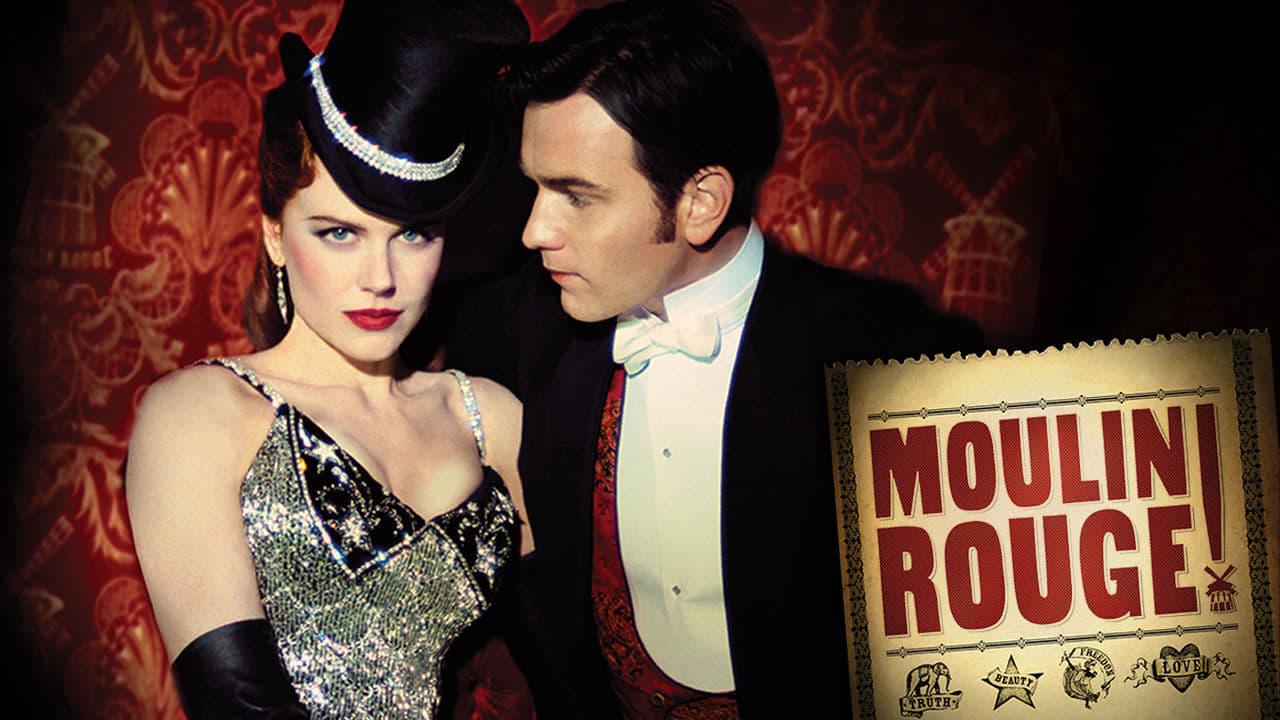
I recently rewatched it on a Tuesday afternoon while eating a lukewarm bowl of oatmeal, and the contrast between my mundane kitchen and Luhrmann’s neon-soaked Paris was so jarring I nearly choked on a raisin. But that’s the magic of this film; it doesn't just invite you in—it kidnaps you.
The Philosophy of the Remix
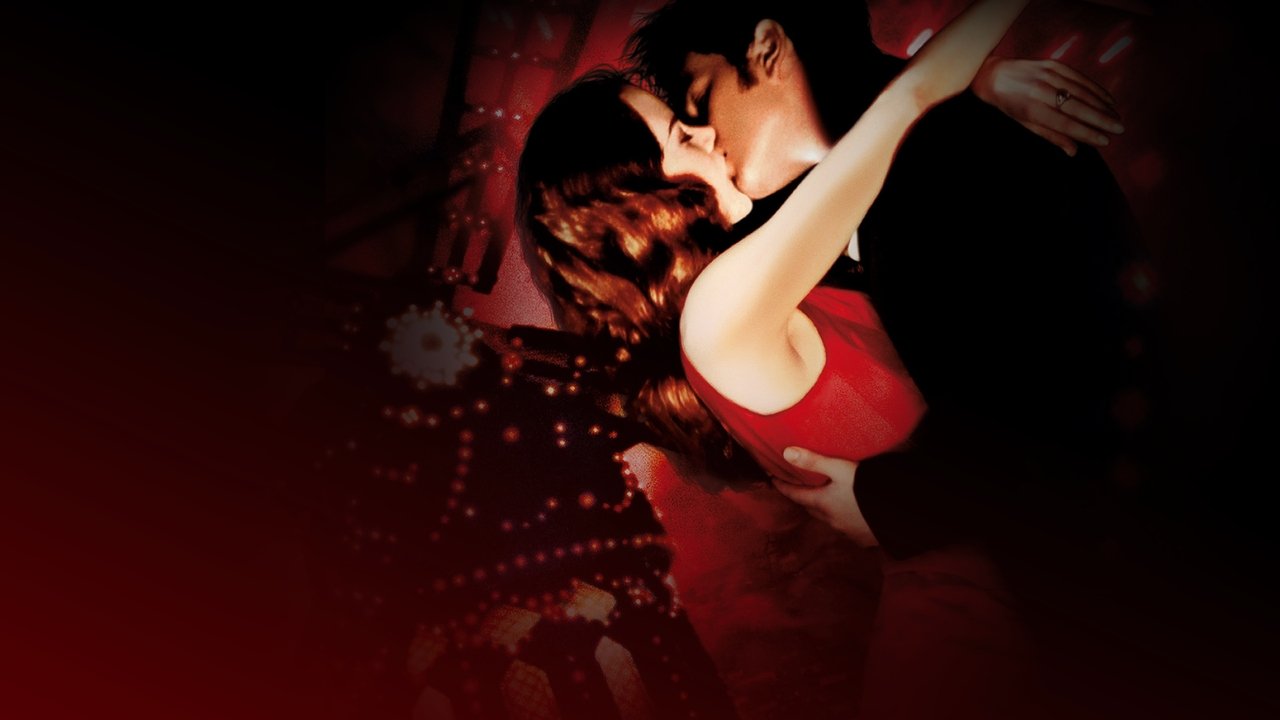
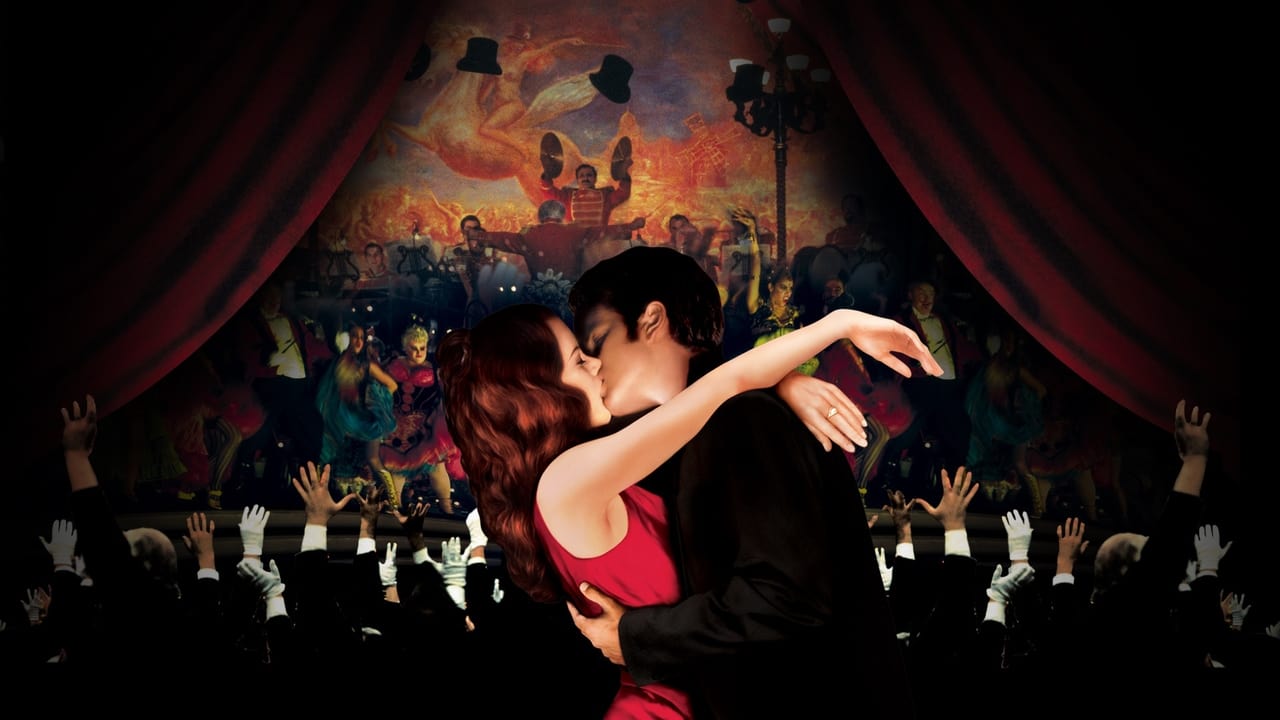
At its core, Moulin Rouge! is a philosophical collision between the cynical commodification of art and the naive purity of the Bohemian spirit. Ewan McGregor plays Christian, a penniless writer who arrives in 1899 Montmartre armed with nothing but a typewriter and a hopelessly romantic worldview. He’s quickly drafted into a theater troupe led by John Leguizamo’s Toulouse-Lautrec to write a play that will transform the infamous Moulin Rouge into a "cathedral of the arts."
The film frames its narrative around four pillars: Truth, Beauty, Freedom, and Love. While that might sound like a freshman philosophy seminar, Luhrmann uses these ideals as a shield against the encroaching "modern" world of the 20th century. By using 20th-century pop songs—Nirvana, Madonna, Elton John—to tell a story set in 1899, the film suggests that these emotional truths are anachronistic. They are timeless. When Ewan McGregor breaks into "Your Song" to woo Nicole Kidman’s Satine, the audience doesn’t laugh at the logic; we lean in because the sentiment is more "real" than the historical setting. It’s a movie that argues the feeling of a song is more historically accurate than a costume.
Performances Under the Glitter
While the production design is loud enough to wake the dead, the drama only works because of the two leads. Nicole Kidman is luminous as Satine, the "Sparkling Diamond" who is essentially a high-end courtesan trying to swindle a villainous Duke (Richard Roxburgh) into funding her career as a "real" actress. Kidman manages a difficult pivot here: she starts as a comedic bombshell and ends as a tragic figure, visibly wilting under the weight of consumption (the movie-star version of tuberculosis where you just look slightly pale and cough into a silk handkerchief).
McGregor, meanwhile, provides the film’s heartbeat. His Christian is a puppy dog with the voice of an angel. Their chemistry is the only thing that keeps the movie from flying apart into a million jagged shards of sequins. When the film shifts from the frantic comedy of the first act into the dark, jealous operatics of the second half—specifically the "El Tango de Roxanne" sequence—the drama feels earned. That sequence remains a masterclass in editing and tension, turning a Sting cover into a harrowing descent into sexual jealousy and rage. It’s the moment the party ends and the hangover begins.
The Scale of the Spectacle
This was a massive gamble for 20th Century Fox. With a $52 million budget, it was a high-stakes attempt to revive the live-action musical, a genre that had been largely dormant since the 1970s. It worked, raking in nearly $180 million and snagging a Best Picture nomination—the first musical to do so since Beauty and the Beast a decade earlier.
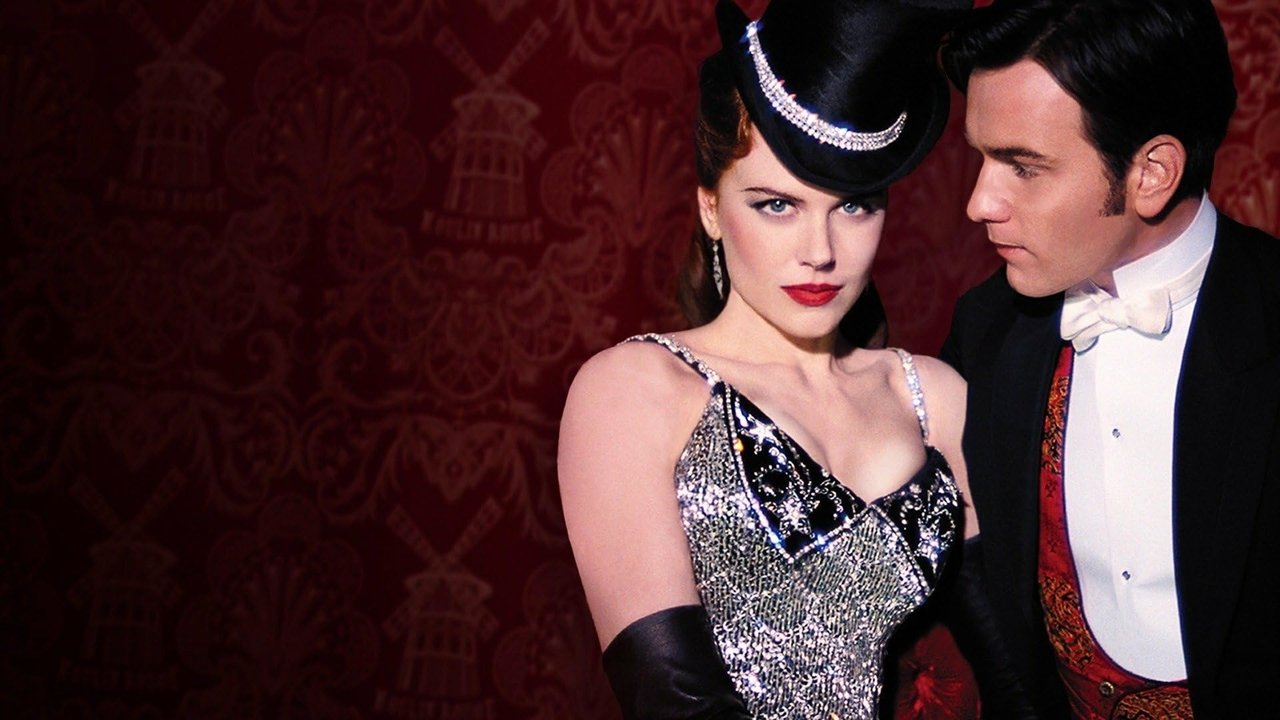
The "blockbuster" nature of the film is evident in every frame. The "Satine" necklace, featuring 1,308 diamonds, was the most expensive piece of jewelry ever made for a film at the time, valued at roughly $1 million. The production was so gargantuan that when Nicole Kidman broke a rib (twice!) and injured her knee during rehearsals and filming, production had to shut down for two weeks. She even filmed several scenes, including the "Diamonds Are a Girl's Best Friend" number, from a wheelchair, with the camera carefully framed to hide her lower half.
The behind-the-scenes effort to clear the music rights was its own epic saga. The "Elephant Love Medley" alone contains bits of about ten different songs; getting the Beatles, David Bowie, and Dolly Parton to all agree to be in the same five-minute span of film was a feat of legal gymnastics that would make most producers weep.
Looking back from an era where every blockbuster feels sanded down by committee, Moulin Rouge! feels like a miracle of singular, madcap vision. It’s a film that asks big, silly, wonderful questions about whether art can survive the people who pay for it. If you can survive the first twenty minutes of visual whiplash, you’ll find one of the most earnest and devastating tragedies of the 2000s. It’s a spectacular, spectacular achievement that reminds us why we go to the movies: to see things that are bigger, louder, and much more beautiful than our actual lives.
Keep Exploring...
-

Romeo + Juliet
1996
-
The Great Gatsby
2013
-
Save the Last Dance
2001
-
Walk the Line
2005
-
Step Up
2006
-
Elvis
2022
-
Brokeback Mountain
2005
-
Australia
2008
-

High School Musical 3: Senior Year
2008
-
Step Up 2: The Streets
2008
-
The Bridges of Madison County
1995
-

Cinderella Man
2005
-

Memoirs of a Geisha
2005
-
The Reader
2008
-
That Thing You Do!
1996
-
High Fidelity
2000
-
High School Musical
2006
-
Jerry Maguire
1996
-
As Good as It Gets
1997
-
City of Angels
1998