Mulholland Drive
"A blue box, a red wig, and a dream turned nightmare."
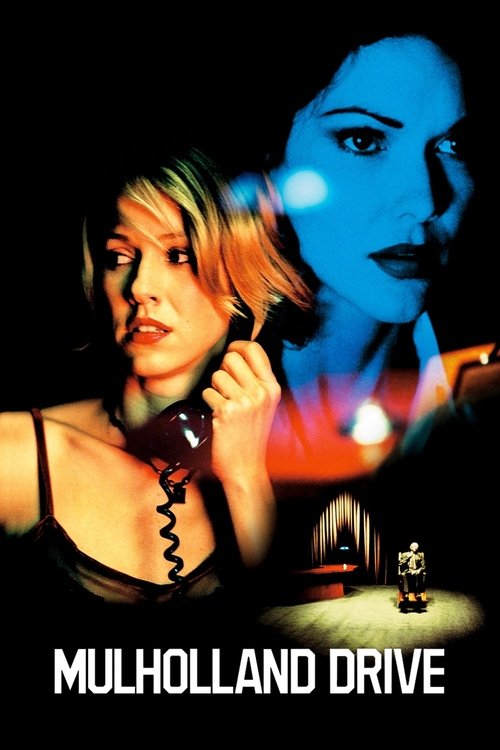
The first time I saw the "diner scene" in Mulholland Drive, I wasn't just scared; I was fundamentally rearranged. You know the one—two guys sitting in a Winkie’s, one explaining a nightmare he had about a man behind the wall. It’s broad daylight. There are no shadows to hide in. Yet, as the camera glides toward that corner, the dread is so thick you could carve it. When the "bum" finally appears, it’s not a jump scare; it’s a soul-drain.
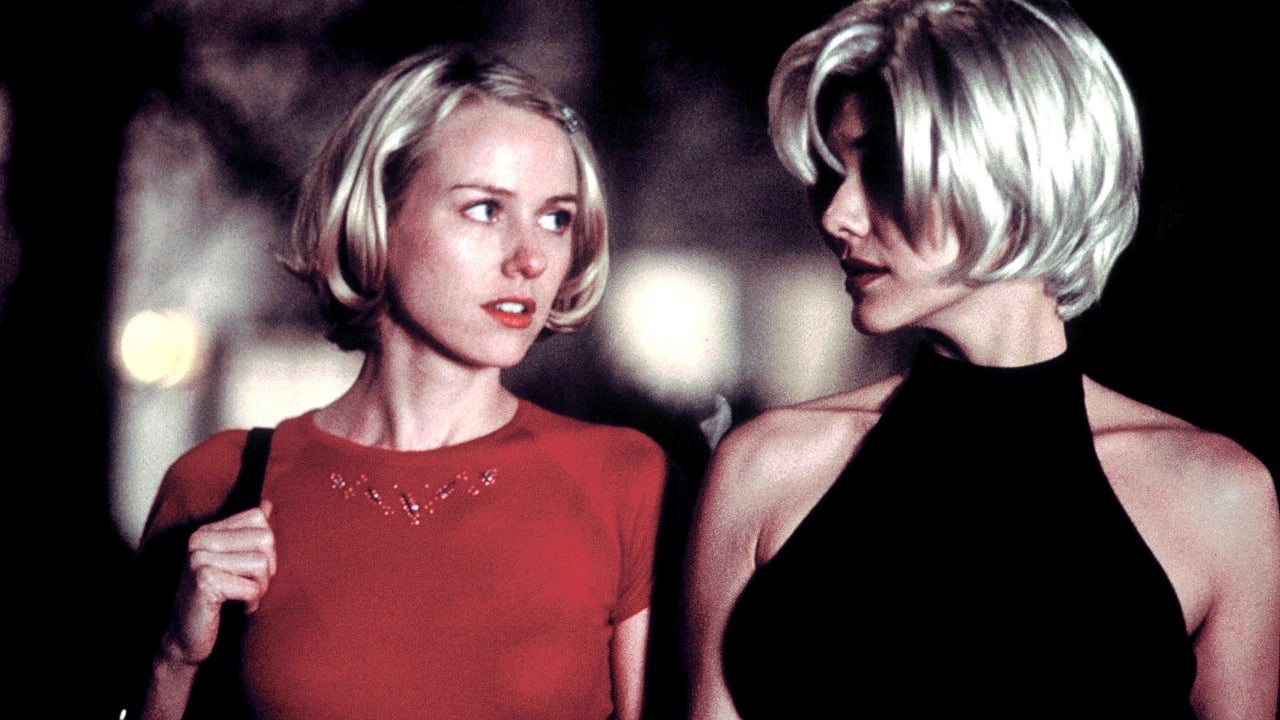
I remember watching this for the first time on a grainy CRT television while eating a bowl of lukewarm cereal that I eventually forgot was even there. By the time the credits rolled, the milk had turned into a weird film, and I felt like my brain had undergone a similar transformation. David Lynch didn't just make a movie; he captured the exact vibration of a fever dream.
The Audition of a Lifetime
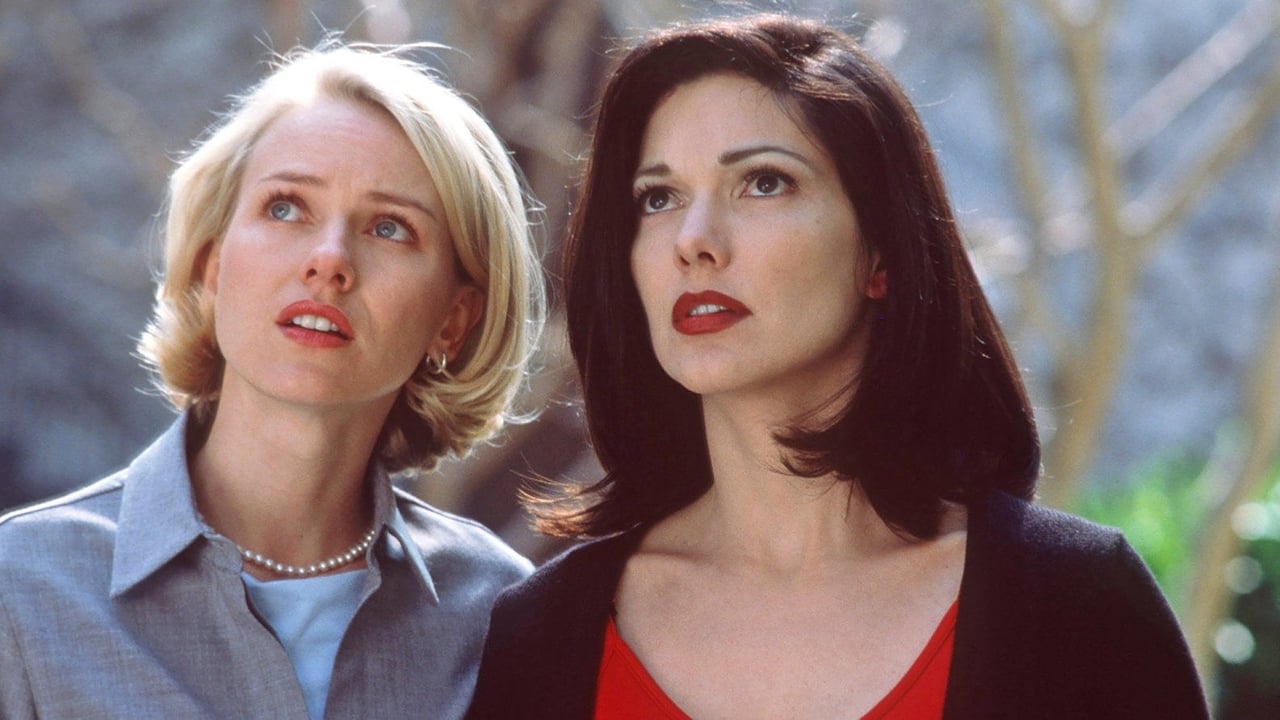
At its heart, the first half of the film is a sunny, almost naive noir. Naomi Watts plays Betty Elms, a wide-eyed aspiring actress arriving in L.A. with a suitcase full of hope and a smile that feels like it belongs in a 1950s musical. She finds a mysterious brunette (Laura Harring) hiding in her aunt’s shower with amnesia after a car wreck on the titular road. They decide to play detective, and for a while, it feels like a high-stakes Hardy Boys adventure.
But then there’s the audition. Betty goes to a studio to read for a part, and Naomi Watts performs a scene that remains one of the most staggering pieces of acting I’ve ever witnessed. She turns a piece of soap-opera fluff into something carnal, desperate, and terrifyingly real. It’s the moment the movie lets you know it isn't playing around. Watts is a revelation here, oscillating between the "Golly-gee" Betty and the hollowed-out, tragic Diane Selwyn in the film's later movements. It’s the kind of performance that makes you realize why she became one of the defining faces of 2000s cinema.
The Rot Beneath the Glitter
This was originally intended to be a TV pilot for ABC, and you can see the ghosts of that format in the subplot involving Justin Theroux as a hotshot director named Adam Kesher. His world is collapsing—his wife is cheating on him, and a shadowy syndicate is forcing him to cast a specific actress in his new film. Theroux plays the "cool guy in crisis" with a perfect blend of arrogance and bewilderment.
When ABC passed on the pilot, Lynch was forced to find a way to wrap it up. Most directors would have just tacked on a conventional ending. Instead, Lynch went deeper into the subconscious. He used the transition from "pilot" to "feature film" to mirror the transition from a dream to the cold, grey reality of a Hollywood hangover.
The production design and cinematography by Peter Deming (who also shot Lost Highway) capture that specific "Modern Noir" look that dominated the late 90s and early 2000s. It’s a mix of lush, saturated reds and blues in the dream sequences, contrasted with the flat, dusty, depressing browns of the "real" world. It feels like the city is slowly decomposing under the California sun.
A Masterclass in Atmospheric Dread

You can’t talk about Mulholland Drive without talking about the sound. The late Angelo Badalamenti provided a score that feels like it’s being played through a layer of molasses. It’s slow, pulsing, and deeply unsettling. There’s a constant low-frequency hum throughout the movie that most people don’t consciously notice, but it keeps your heart rate just slightly elevated.
I once tried to map out the plot of this movie on a paper napkin at a Denny's at 3 AM, trying to figure out exactly when the "shift" happens. The waitress looked at my scribbles—arrows pointing to "The Cowboy," "The Blue Box," and "Silencio"—and asked if I was feeling okay. I wasn't. That’s the magic of this film. It’s not a puzzle to be "solved," even though the original DVD release famously included a list of "10 Clues from David Lynch" to help you out. It’s basically a $15 million middle finger to network television that accidentally became the greatest film of the century.
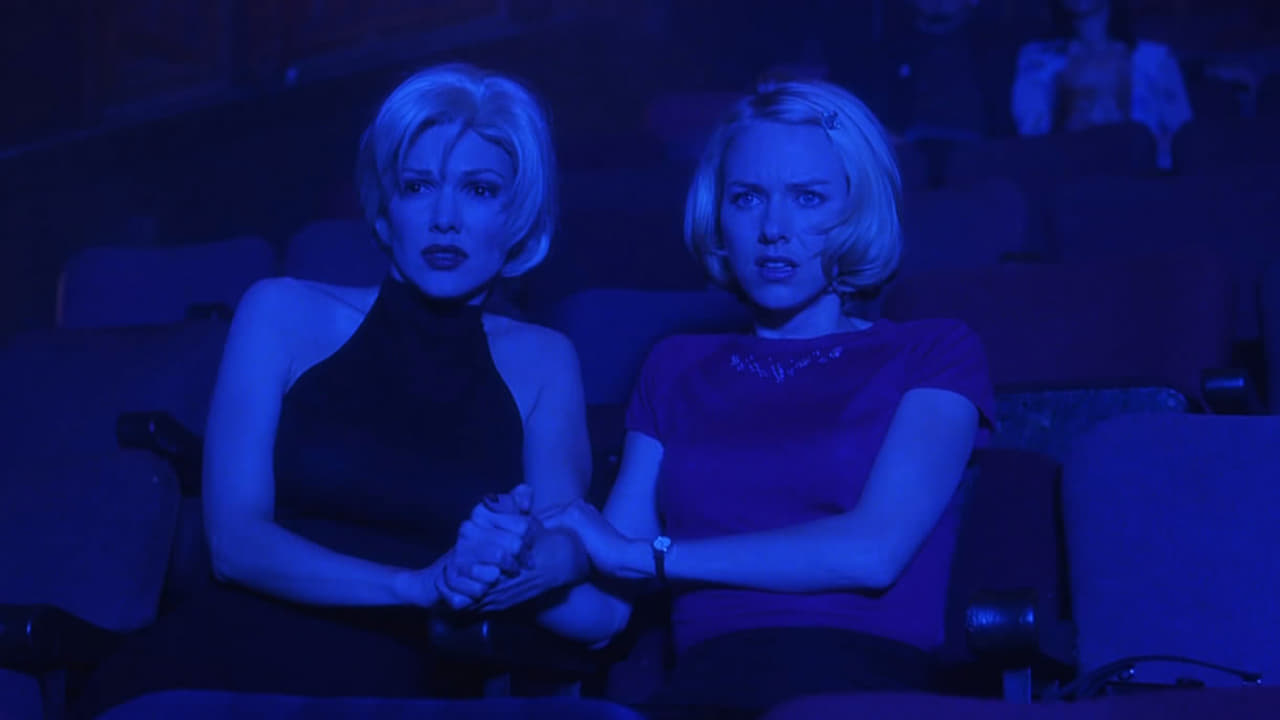
The "Silencio" sequence at the theater is the emotional peak. When the singer collapses but the voice continues, the illusion is shattered. It’s a heartbreaking metaphor for Hollywood itself: the beauty is a recording, the glamour is a facade, and the person behind the curtain is usually just a scared, lonely girl from Ontario.
Mulholland Drive is the ultimate "Prestige" film because it doesn't just demand your attention; it haunts your house. It’s a dark, intense exploration of envy, failed ambition, and the way we rewrite our own histories to survive the pain of our choices. It’s a film that has only grown more significant as the digital era has made the "Old Hollywood" dreams it deconstructs feel even more like ancient mythology. If you haven't seen it, find the biggest screen possible, turn off the lights, and let the blue box open. Just don't expect to feel "fine" when it's over.

Keep Exploring...
-
Inland Empire
2006
-
Lost Highway
1997
-
Twin Peaks: Fire Walk with Me
1992
-
L.A. Confidential
1997
-
The Sixth Sense
1999
-
Oldboy
2003
-
Primal Fear
1996
-
Arlington Road
1999
-
Mystic River
2003
-
Lucky Number Slevin
2006
-
Shutter Island
2010
-

Gone Girl
2014
-
Wild at Heart
1990
-

The Game
1997
-
Pi
1998
-
Unbreakable
2000
-
Infernal Affairs
2002
-
The Bourne Identity
2002
-
Caché
2005
-
Tell No One
2006