Ocean's Eleven
"Eleven men. Three casinos. Zero margin for error."
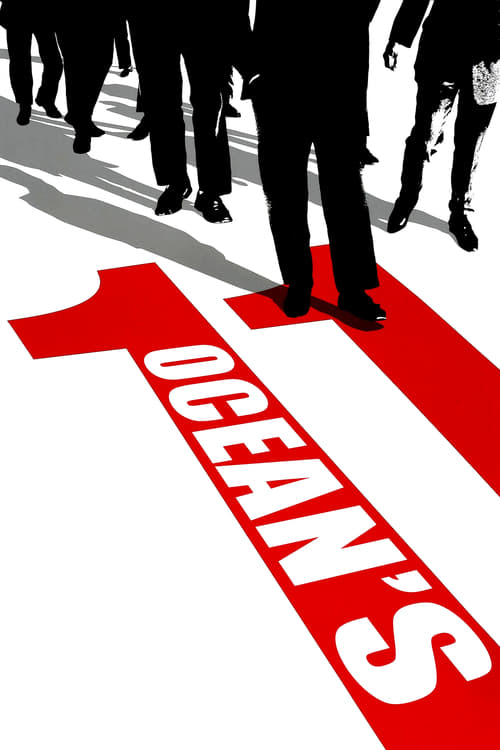
The Las Vegas of 2001 wasn't the neon-soaked playground of the mid-century; it had become a corporate monolith, a place where the shadows felt longer and the stakes felt colder. When George Clooney stepped onto the screen as Danny Ocean, fresh out of a parole hearing, there was a calculated stillness to him that suggested something far more desperate than a simple "one last job." While the cultural memory of Ocean’s Eleven often paints it as a breezy, star-studded romp, revisiting it two decades later reveals a film obsessed with the crushing weight of professional perfection and the bleak reality of men who have no home outside of a heist.
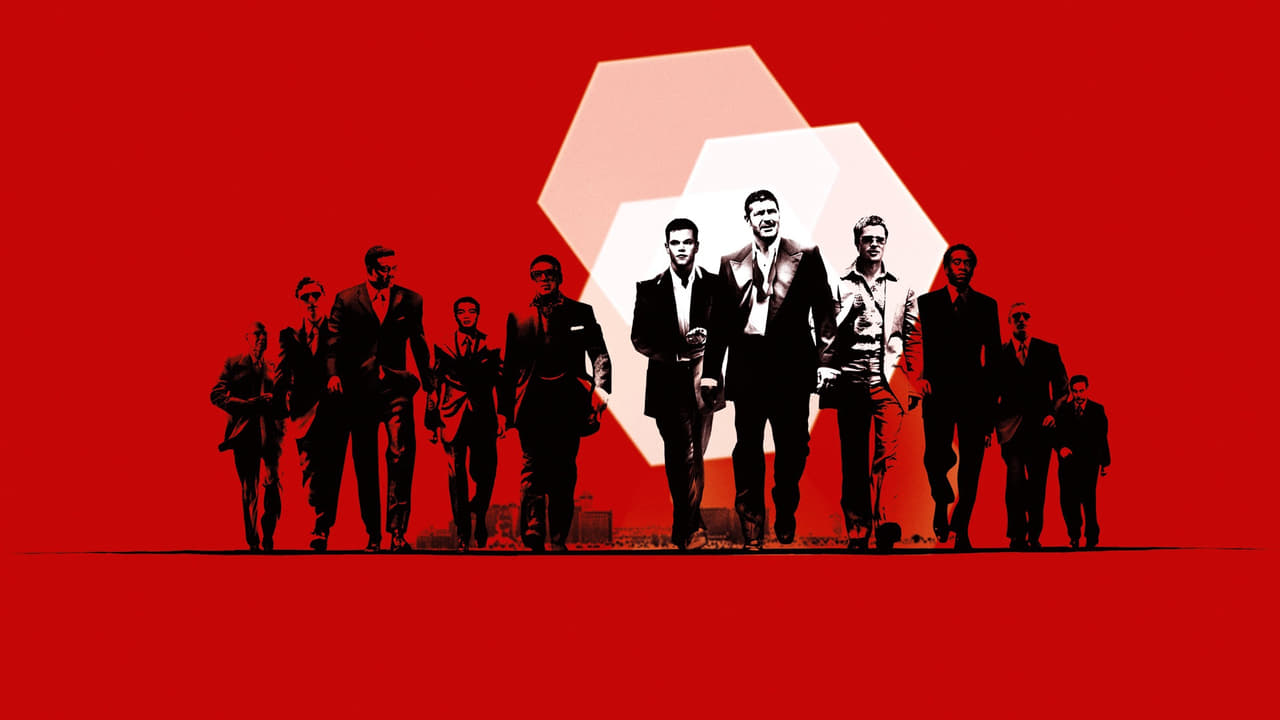
I watched this on a portable DVD player while my cat tried to eat the charging cable, and the low-res screen actually made the casino lights look more menacing, highlighting the predatory nature of the Bellagio’s architecture.
The Precision of a Surgical Strike
Director Steven Soderbergh, coming off the double-hit of Erin Brockovich and Traffic (both 2000), brought a clinical, almost detached eye to the proceedings. Acting as his own cinematographer under the pseudonym Peter Andrews, Soderbergh utilized a color palette that felt distinctly transitional. We were moving away from the warm, grainy celluloid of the 90s into a sharper, more metallic digital era. This isn't just a movie about stealing money; it’s a movie about the mechanics of a clock.
The drama doesn't stem from whether they will succeed—we know the genre conventions—but from the sheer psychological pressure of the attempt. George Clooney plays Ocean not as a joker, but as a man who is fundamentally hollow without a scheme. Beside him, Brad Pitt’s Rusty Ryan provides the tactical spine, yet both men carry an air of professional exhaustion. They are relics of an older world trying to crack a new, computerized one. The heist itself is a cold-blooded exercise in corporate restructuring disguised as a romp.
The Ruthless Heart of the Strip
Every great drama needs an immovable object, and Andy Garcia provides it in Terry Benedict. This isn't the cartoonish villainy of a Bond film. Garcia plays Benedict with a terrifying, quiet intensity. He is the personification of the "house" that always wins—a man who values his $150 million not just for the wealth, but for the power it exerts over his employees and his partner, Tess.
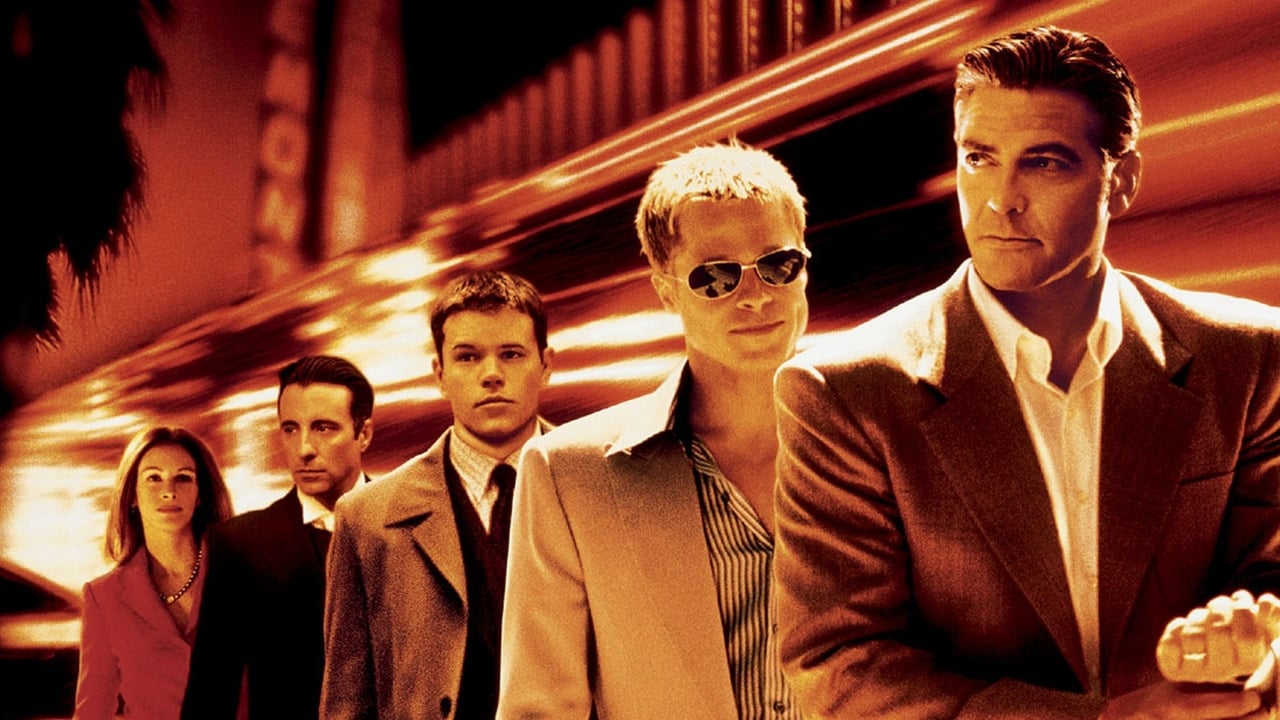
The emotional core—the triangle between Danny, Tess (Julia Roberts), and Benedict—is handled with a surprising lack of sentimentality. Julia Roberts delivers a performance defined by guardedness. When she looks at Danny, it isn't with starry-eyed longing, but with the weary eyes of someone who knows that her husband’s first love is the adrenaline of the crime. This is where the film earns its dramatic weight; it acknowledges that for these men to be "cool," they have to be fundamentally unreliable human beings. Even Matt Damon, playing the novice Linus Caldwell, portrays a palpable anxiety—the desperate, shaking-hand need to prove himself in a world of sharks.
A Masterclass in Scale and Success
Released in the shadow of 9/11, Ocean’s Eleven became a massive cultural touchstone, but not for the reasons you might think. It offered a vision of competence and teamwork at a time when the world felt chaotic. The production was a titan of its era, backed by a $85 million budget that was largely spent on securing the most charismatic ensemble ever put to film. The gamble paid off, raking in over $450 million worldwide and becoming the fifth highest-grossing film of 2001.
The trivia surrounding the production highlights the "old Hollywood" gravity of the project. To entice Julia Roberts to join the male-heavy cast, George Clooney reportedly sent her a script with a $20 bill attached and a note saying, "I hear you’re getting twenty per picture now"—a cheeky nod to her then-record $20 million salary. However, the film's grit was real: when they filmed the implosion of the Sands Hotel, they didn't use the budding CGI technology of the time. They used actual footage of the building’s demolition, grounding the film’s climax in a physical reality that early 2000s digital effects couldn't yet replicate.
The Legacy of the Big Score
Looking back through the lens of DVD culture, Ocean’s Eleven was the quintessential "special feature" movie. I remember the commentary tracks revealing how Casey Affleck and Scott Caan were encouraged to improvise their fraternal bickering to add a layer of chaotic realism to the otherwise rigid heist structure. It was a film that rewarded multiple viewings, not just for the plot twists, but to watch the way Don Cheadle (despite a questionable accent) and Bernie Mac filled the spaces of the frame with a sense of lived-in history.
The film stands as a marker of the era before the MCU formula took over the blockbuster landscape. It proved that you didn't need capes or cosmic stakes to capture the global box office; you just needed a group of people who were the absolute best at what they did, operating under the threat of total annihilation if they slipped up for a single second. Danny Ocean is essentially a sociopath with a great haircut, and yet, in the clinical world Soderbergh built, we find ourselves holding our breath for him.
The final shot of the crew standing before the Bellagio fountains isn't a celebration of friendship; it’s a moment of silence for a job completed. They don’t hug, they don’t cheer—they simply look at what they’ve done and then disappear into the night, one by one. It’s a somber, beautiful ending to a film that understands that the greatest high comes with the greatest risk. Even now, the clockwork precision of the script and the heavy atmosphere of the Vegas night remain as sharp as a dealer's suit.


Keep Exploring...
-
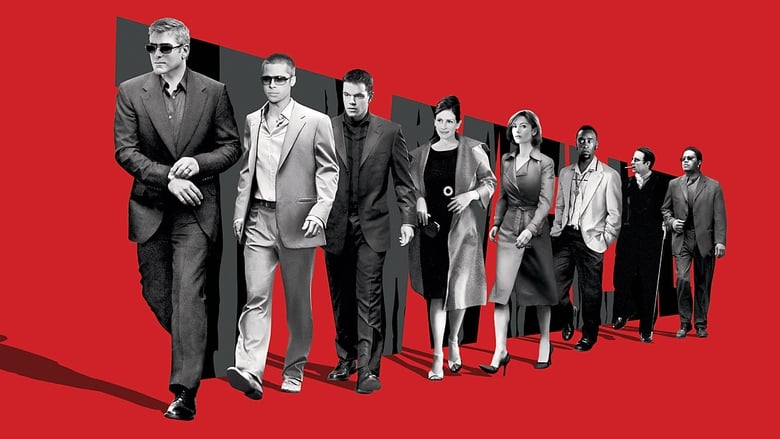
Ocean's Twelve
2004
-
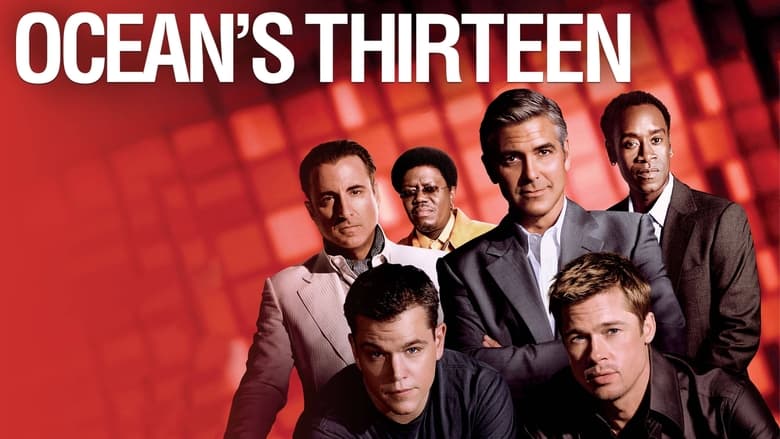
Ocean's Thirteen
2007
-

Traffic
2000
-

Sleepers
1996
-
Matchstick Men
2003
-
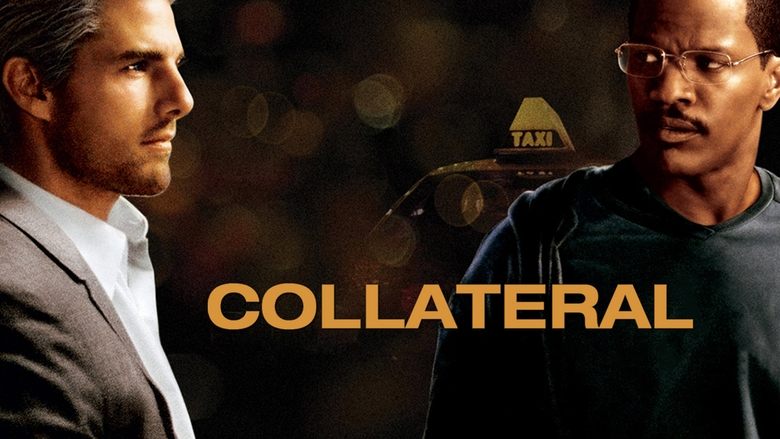
Collateral
2004
-
From Dusk Till Dawn
1996
-
A Time to Kill
1996
-
Primal Fear
1996
-
Donnie Brasco
1997
-
Out of Sight
1998
-
The Talented Mr. Ripley
1999
-
The Fast and the Furious
2001
-

Mystic River
2003
-

Kill Bill: Vol. 2
2004
-
Sin City
2005
-

Inside Man
2006
-
Se7en
1995
-
The Departed
2006
-
Fast Five
2011